White Ribbon Day

On Monday, Year One were introduced to the meaning behind White Ribbon Day.

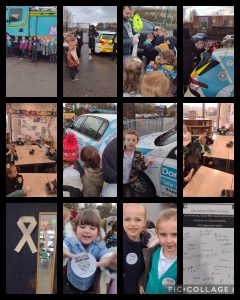
Special visitors came from the police and fire services to remind the children of the importance of having kind hands, kind feet and to speak to a trusted person if they are ever worried.

The children then signed a White Ribbon Promise which we have displayed proudly on our classroom doors.


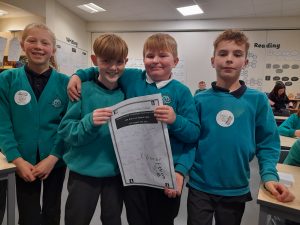
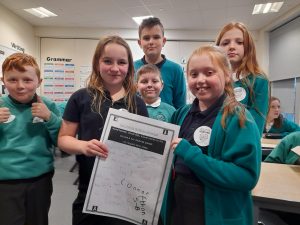
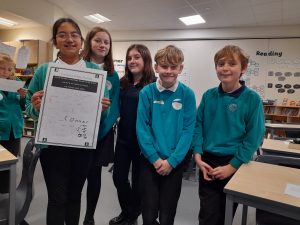
Year 6 White Ribbon

White Ribbon Accreditation ensures organisations take a strategic approach to ending male violence against women by engaging with men and boys, changing cultures and raising awareness. With this years theme being “Let’s Be The Change” , the focus is to create meaningful change through conversations and education, with the goal to end all forms of violence and abuse .

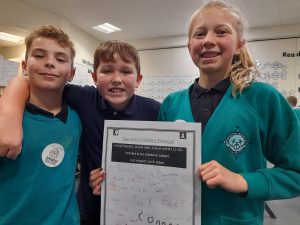
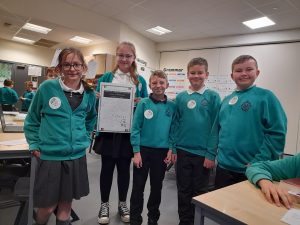
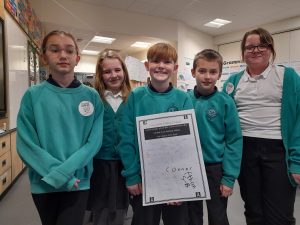
Year 6 were all happy to sign Our White Ribbon Promise.

Kind Hands,

Kind Feet,

Kind words to all.

We are a non violence school.

We respect each other.


We also had a very lengthy discussion about different ways in which we could offer help ,  if we were approached , by someone who had been a victim of abuse.


Anti-Bullying Week in Year 2

Year 2 have taken part in anti-bullying week this week. They wore odd socks for our odd socks day and took part in a whole school assembly with Mrs Marson. In PSHE, they then looked at how people might feel in different situations. They then discussed how small acts of kindness can put an end to bullying and discussed ways in which we can ensure we are an anti-bullying school.

Children in Need

We have been very kind and generous little Hubbers today, raising money for Children in Need.

We wore our yellow jumpers and enjoyed covering our large Pudsey Bear with all our coins.

We made yellow playdough with Mrs Foston and enjoyed using our imagination making cookies using our rolling pins and special Pudsey Playdough mats. 

It was such a lovely sensory experience squeezing the warm playdough through our fingers. 


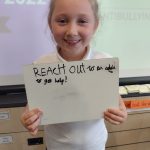
PSHE: Antibullying Week – REACH OUT

The children in Y4 have been discussing the effects of bullying and the impact it can have on both our physical and mental health.  We understand that bullying is a repetitive act that can be undertaken by an individual or a group of people.

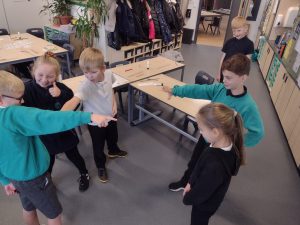
Above is a freeze frame that we created which demonstrates the way in which a group of people can be involved in an incident of bullying:

A ringleader (the bully) in this scenario has an assistant and a reinforcer who are encouraging the bullying to take place.

The target (the person being bullied) is the one who is effected by the negative actions of the bully; however in our scenario we have a defender who is supporting the individual who is being bullied and gesturing the ringleader to STOP! In the background we have a Bystander or Outsider who is witnessing what is happening.

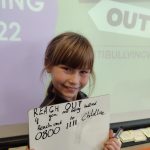
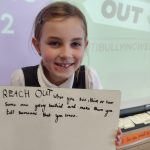
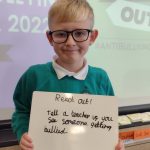
From this, we explored the ways in which we ourselves can REACH OUT and help either ourselves or someone we might know or think is being bullied.

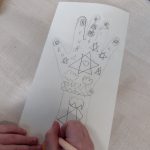
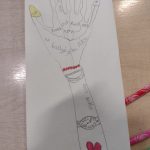
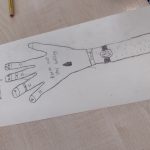
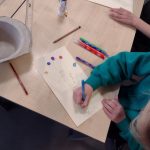
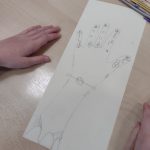
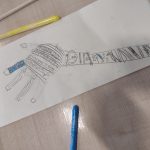
We then traced around our hands and forearms and created our own designs to show that as individuals we are all different but collectively we are strong and can work together and REACH OUT TO STOP BULLYING!


Y4 PE: Outdoor Adventure Activities: Problem Solving

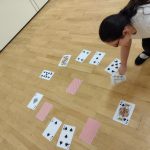
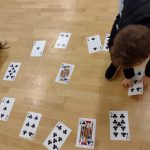
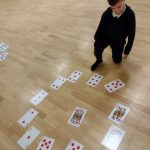
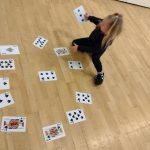
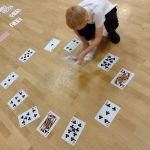
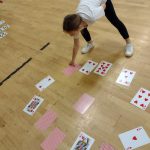
Y4M undertook the Around the Clock Challenge  in our problem solving PE lesson this week. Each TEAM had a suit of cards arranged face down in a clock position which they had to race towards and turn over. The aim of the game is to place each card in numerical order beginning with the Ace and finishing with the King in the middle.

Teams raced against each other to complete the task before sharing the strategies they used in order to perfect each others game plan.  Some chose to turn one card each then move it to the correct position by swapping its place with the card that was face down in that position: whereas some children decided to turn each card over in turn then swap each card to its correct position.  It all became very competitive and drove us completely around the clock.

Great TEAMWORK Y4M!

Anti – Bullying Week

Year 6 have been acting very oddly recently…wonder why that could be ?

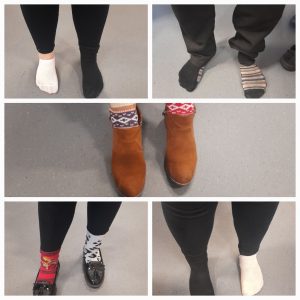
Monday was the start of Anti -Bullying Week , Monday was Odd Socks Day.


Ahhh…that’s why…

Year 6 were very odd!!!

What is Odd Socks Day?

Most importantly, Odd Socks Day is designed to be fun ; we definitely did have fun ! It’s an opportunity to encourage people to express themselves and celebrate their individuality and what makes them unique.

Can anyone guess which socks are Mrs Wilkinson’s ?

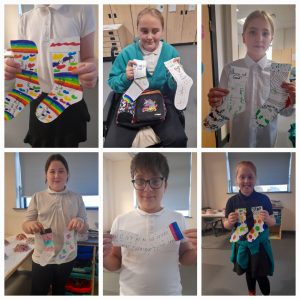
Year 6 then designed their own odd socks.


Well done Year 6 !!!

Remembrance Day: We Shall Remember Them

Year 3/4 have been commemorating Remembrance Day by reflecting on the meaning of this significant occasion and exploring the symbolic meaning of the different coloured poppies which we wear.

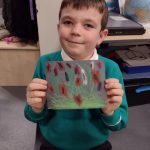
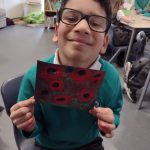
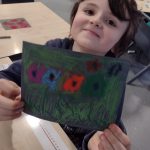
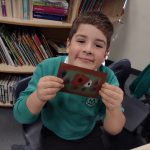
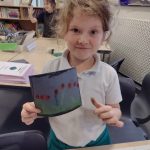
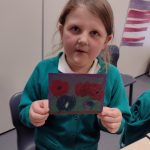
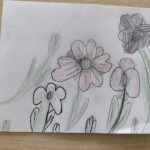
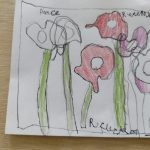
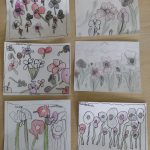
Year 3, reflected on the reasons why we remember and the sacrifices that were made by so many men, women and civilians in World War I and World War II.  We also shared our knowledge of conflicts which have happened, and continue to happen, since those significant Wars and understand that the poppy, which grew in the battlefields many years ago, continues to be  is a symbol of hope today.  From this, the children created their own Poppy Field artwork using a range of oil pastels:

Year 4 explored the significance of the red,  black, purple and white poppies that we seen been worn with pride for Remembrance Day each year.

The Red Poppy is a symbol of remembrance and hope and commemorates those who sacrificed their lives in World War I as well as conflicts which have followed. It is a symbol that belongs to the Royal British Legion, which is a charity that was created by veterans of World War I.  This significant symbol was first worn in the first Remembrace Day on November 11th, 1919.

The Black Poppy Rose,  a charity that was launched in 2010, commemorates servicemen, servicewomen and civilians from the Black, African and Caribbean communities who also contributed to the war effort and continue to do so today.

The Purple Poppy, created by the Animal Purple Poppy Fund, is worn to remember the animals, such as horses, pigeons and dogs which also contributed, and fell victim, to the war effort

The White Poppy is a symbol of peace and commemorates all of the servicepeople and civilians who died as a result of war.  The charity, Peace Pledge Union, promote peace and aim to challenge and alter the way we look at war and conflict.

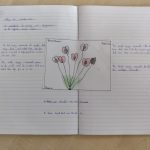
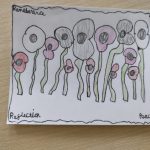
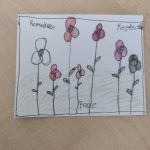
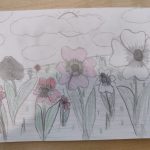
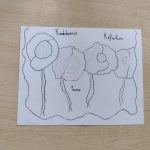
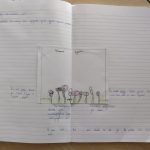
Through discussion, we reached the conclusion that it is an individual’s personal choice to wear a poppy and one that should not be judged. From this the children sketched their own poppy scenes which displayed an array of poppies of the four colours:

‘Reflection, Remembrance and Peace’ were Y4’s words of the day in honour of all conflicts past and present: WE SHALL REMEMBER THEM

 

Remembrance

So proud of our little Hubbers today paying their respect during Remembrance Day.

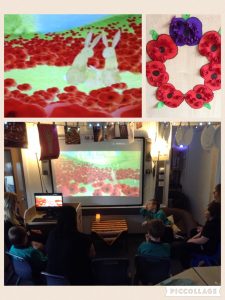
We demonstrated good listening watching a beautiful but very moving animation portraying the story of the War.

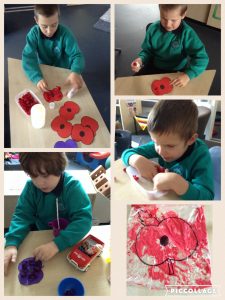
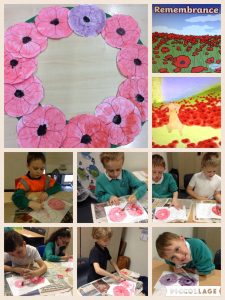
We made sensory poppies before placing them on our wreaths to display in our classroom. Our older children painted some poppies. Evan wanted to paint a purple poppy to remember all the horses, dogs and pigeons that lost their lives too.


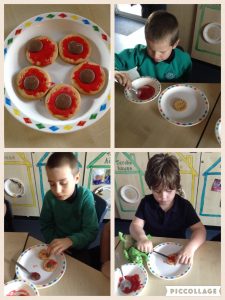
We explored our senses making some poppy inspired biscuits for our snack. They were delicious.


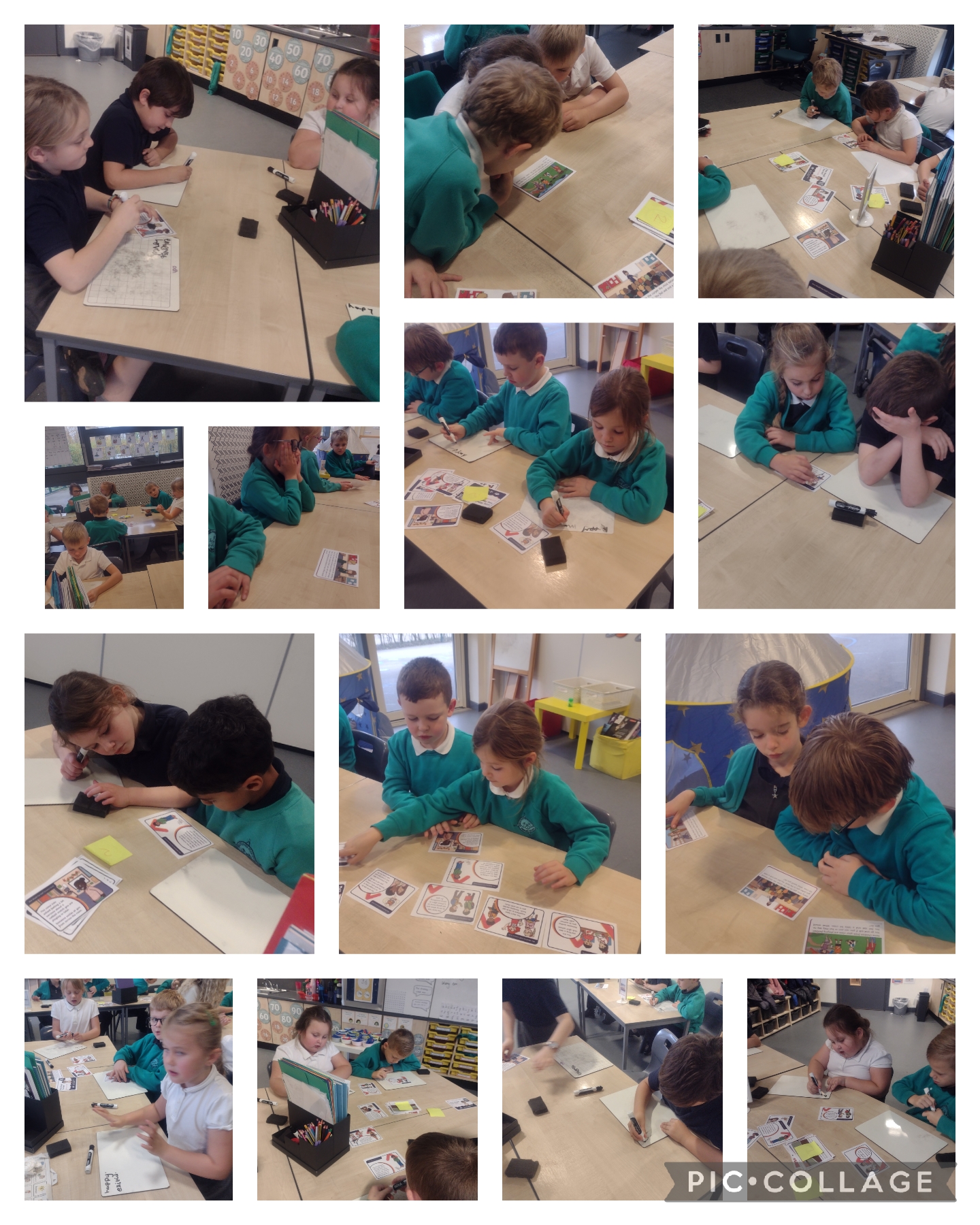
To understand how behaviour can impact on a group

Year 5 discussed the importance of individual rights and responsibilities, and how these can potentially impact others – answering these questions:

• Why do we need rules in society?
• How do rules keep us safe?
• Why might people break rules?
• What can we do if we think a rule is not fair?
• How can rules in a school help us to learn and grow?

For each right and responsibility, we thought of an appropriate reward if children are seen to be upholding that right. We also thought of an alternative consequence if children were not showing responsible behaviour and the right was being ignored.

Some examples included:

Being kind to other children in your class. The rewards for this were to be given dojo points, table points or to have one day per week on chrome books. If this right was to be ignored, consequences would have to take place. The children came up with sensible consequences such as: have a playtime taken from you, having to clean other children’s’ mess or having to write in pencil all day if you have a pen license.

Finally, as a class, we discussed the rewards and consequences from the lesson the children would like to see in our classroom.

These rights and responsibilities are important to discuss as children gage an understanding of the importance of obeying rules and working together to achieve their goals.