Year 1 – RE – It’s a Wonderful World!

This week Year 1 had a fabulous RE lesson, which was all about Our Wonderful World.

First, we listened and sang along to Louis Armstrong –  ‘A Wonderful World’.

Then, we learned about The Seven Natural Wonders of the World and we were amazed by their breathtaking beauty.

The Seven Natural Wonders are massive landmarks formed by nature.
They include the Grand Canyon(huge Arizona gorge), Great Barrier Reef(Australia’s coral city), Rio de Janeiro Harbor(Brazil’s scenic bay), Mount Everest (tallest mountain), Northern Lights (sky light show), Parícutin (Mexico’s volcano), and Victoria Falls (giant waterfall).
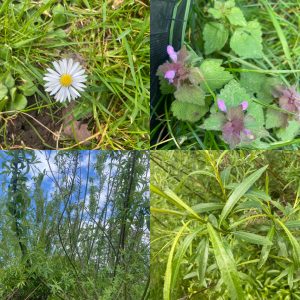
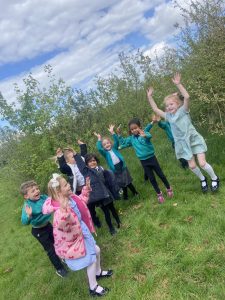
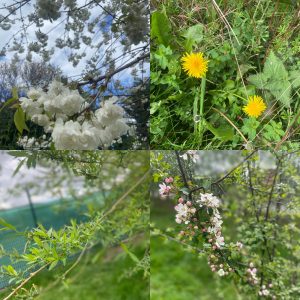
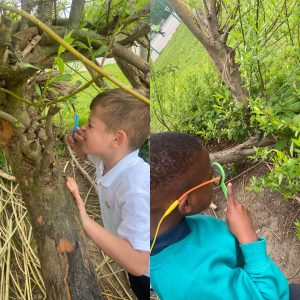
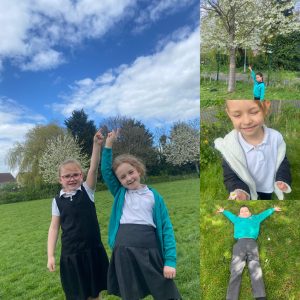
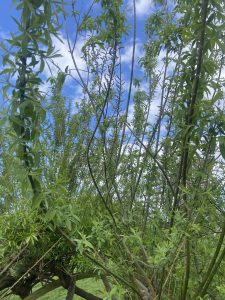
After that, we went outside and spotted the natural wonders around us – bright flowers, buzzing bees, tall trees, the beautiful sunshine, the fluffy clouds and the amazing, blue skies.

We talked about how lucky we are to live in such a beautiful world and how important it is to take care of it.

Finally, we discussed all the ways to help keep our planet safe, like recycling, saving water and protecting nature.
Pancakes in F1

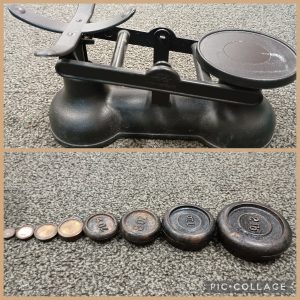
Today we explored our new balance scales, thinking carefully about how the scales moved, ‘heavier’, ‘lighter’, ‘the same’ and what it meant when they were balanced.


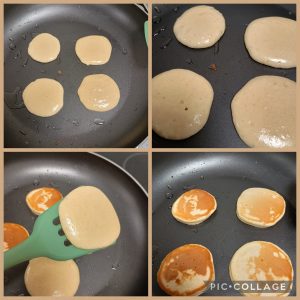
We then talked briefly about the origins of Pancake Day and looked at different types of pancakes across the world; from Russian blinis to the Irish boxty.  All of them were circular shapes.  Fancy that!

The children told us all about the pancakes they had eaten over the holidays.

Autumn used some super sentences.  She told us, “I had strawberry pancakes.”  “I had pancakes at home and at Nana’s.”

Oliver said, “I had jam on the other one and nutella on the other one,” as he counted on his fingers, showing us two.

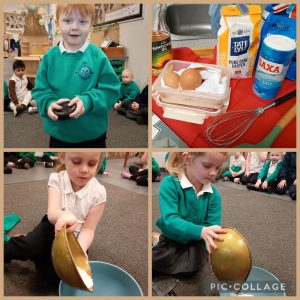
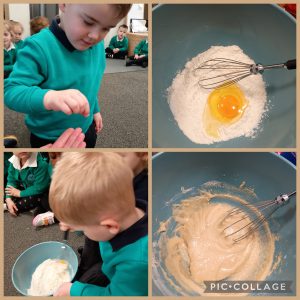
We looked at the recipe book and measured out the ingredients using our new scales then poured it into the mixing bowl.

Blake added a pinch of salt then Jax started to mix everything together.  “It’s mixed in the flour,” he told us.

Myla knew that they needed cooking ‘in a pan’.  So Mrs Silverwood got cooking.

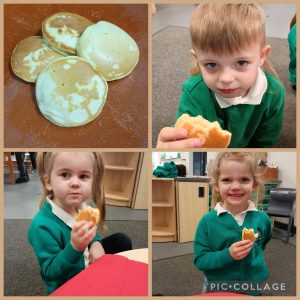
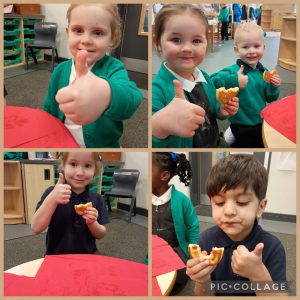
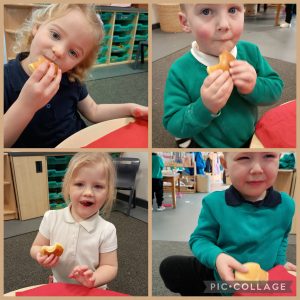
Nearly everyone thought they were tasty.

“They’re delicious,” said Jacob.

“Really nice, me eat it all,” said Blake.

“Nice,” said Arlo B.

“I just like them,” said Jax.

“I want another one,” said Arlo R.

“I like it really good,” said Nevaeh.

Y5 EXPRESSIONS OF FAITH – Raksha Bandhan

Year 5 have explored the many ways in which children of faith communities express their religious beliefs through rituals, traditional dress and celebrations this term.

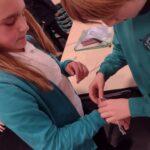
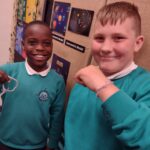
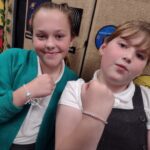
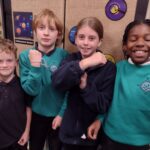
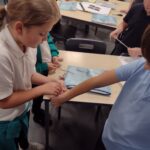
The Hindu festival of Raksha Bandhan allowed the children to demonstrate their creative flare by creating ‘Friendship’ bracelets for their talk partner.


This wonderful faith celebration takes part in August in the month of Sravana in the Hindu lunar calendar and is celebrated in many different ways around the world.  One of the most common traditions is where sisters make a bracelet which they tie around the wrist of their brother; and upon receipt of the special gift the brother wishes their sister good health and good fortune.

Our own creations allowed the children to celebrate their bond of friendship and express their gratitude for one another. We discovered that ‘Racksha’ means ‘protection’ and that ‘Bandhan’ means ‘tie’.


Year 1 – RE

This week Year 1 found out how different faiths celebrate marriage.

First, the children shared their thoughts about some weddings that they had been to.

Then, we found out that not all wedding ceremonies are the same. People make choices about the type of wedding they have depending on what they believe in and what is important to them.

Christians believe that marriage is one of God’s gifts. Weddings usually take place in a church but can take place anywhere nowadays. The bride and groom exchange rings which show their eternal love.

The Muslim ceremony is called a Nikah. It usually takes place in a mosque.The husband sometimes pays a money gift to the bride called a mahr and this payment is for the bride to keep and use as she wishes. Most of the time, the bride and groom have a Walimah, which is a large feast where the couple announce their marriage publicly.

Sikh weddings usually take place in a gurdwara. On arrival at the gurdwara, an  introduction is carried out between the two families. The main ceremony is very simple and includes hymns, readings and music. After the ceremony, a reading is given and a sweet pudding called karah prasadis passed out to all guests. 

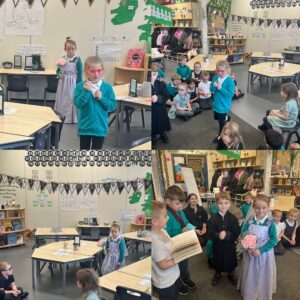
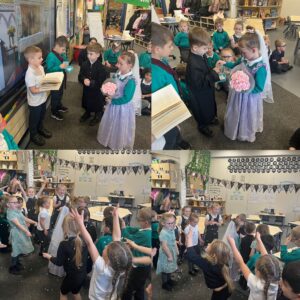
After that, the children took part in acting out a traditional Christian wedding ceremony.


Diwali Day in F1

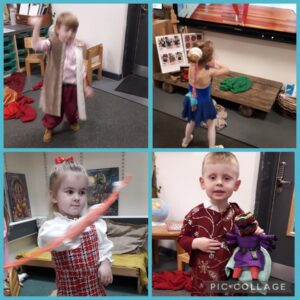
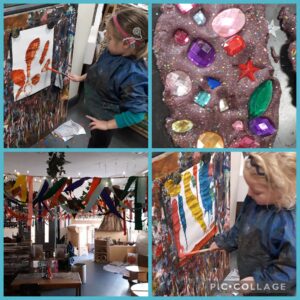
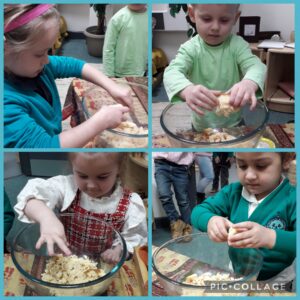
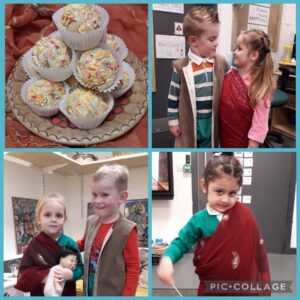
Our Diwali celebrations in F1 were fantastic.  Here’s a little taster of what we got up to…


Dressing up and dancing

Rangoli patterns and colourful decorations

Making sweet-treats

Having a fantastic celebration!

Pencil control in F1

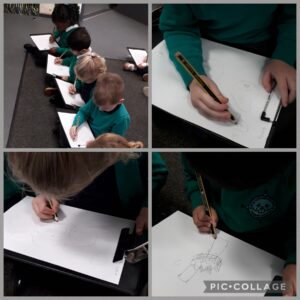
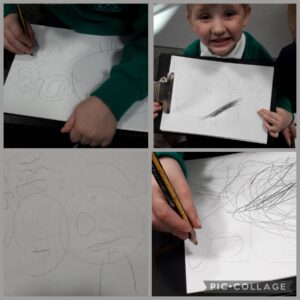
This morning we worked very hard on how to hold a pencil.  The children really concentrated.  We then put our mark making skills to the test and had a go at drawing Ravana, the ten headed demon, that we had read about in the story of Rama & Sita.  There were lots of circles to draw and each one needed a cross looking face on it!  Great work!


Year 1 – RE

Year 1 finished their RE learning for this term by looking at promises.

First, we learned that a promise is an agreement to do or not do something.

We then shared talk about promises… Olivia said that you can make a ‘pinkie promise’, Harvey said that promises are something you should never break, Lilah said she always promises to tidy her room and Ocean said that she makes promises to always be good.

Then, we listened to the tale of Abraham and Sarah which is a story from the bible.      It tells of how God made Abraham a promise. He promised to give Sarah and Abraham a child and many descendants if they moved from where they were living to a new land. They did, and they had a son called Isaac.

God kept his promise to them, proving he was dependable and faithful.

Next, we spoke about how we feel when promises are broken … Malik said that you might feel angry and confused, Delilah said she would feel sad and Tommy said that you might feel disappointed. Some children also shared that if they break promises, there would be consequences, for example, time-out, no treats or tablet time.

Finally, the children made their own promise vouchers, promising to:-

  • be kind
  • tidy my bedroom
  • tell a joke to make someone smile
  • remember my manners

All the children thought carefully about their promises and understood the importance of keeping them. They were excited to take them home to share with their families.

Year 1 – RE

Year 1 have been looking at rules and why we need them.

We discussed that rules keep us safe and make sure that everyone is treated fairly.

The children shared their family rules. Finn told us that in his house they’re not allowed food and drinks upstairs and Delilah told us that in her house her bedroom must be tidy before she gets treats. We realised that all families don’t always have the same rules.

Gracie told us that “we have golden rules at school” and we all agreed that these rules can also be used in family and a sports clubs.

Then we listened to the story of Moses and how God gave him the 10 Commandments.

The commandments were the rules for all people to follow and live a good life by.

When we looked at the 10 commandments, the children could understand their importance in life today, even though they were from the Bible that was written a long, long time ago.

Year 1 then designed a poster of a rule which was most important to them. We decided that ‘be kind’ and ‘always try your best’, were the most important rules to follow.


Year 1 – RE

In RE this term, Year 1 have already learnt about some celebrations that are familiar to them  – they now know that Christian’s celebrate Jesus’ birth on Christmas Day, and that we also celebrate this day in different ways.

This week we looked at two different festivals from different faiths.

The Hindu festival of Holi

  •   Holi is a festival celebrated by Hindus and it takes place in March.
  •   It marks the start of spring and is sometimes known as the Festival of Colour. It celebrates good winning over evil.
  •   Everyone chases each other with dry powder paint and coloured water.
  •   People sing, dance and have fun together, no matter who they are.
  •   Bonfires remind people that the winter days are coming to an end and warmth and light are coming.

The Muslim festival of Eid

  •   Eid is a festival celebrated by Muslims and it takes place at the end of Ramadan.
  •   During Ramadan grown-ups do not eat or drink anything while the sun shines.
  •   People put on new clothes and share meals with family and friends.
  •   Homes are decorated, their sacred text, the Quran, is read and they go to the mosque to pray.
  •   Some women and girls decorate their hands with mehndi patterns.

The children enjoyed discussing and sharing their knowledge of these festivals.  We spoke about that although we may not belong to the same faiths, we are still able to respect each other.