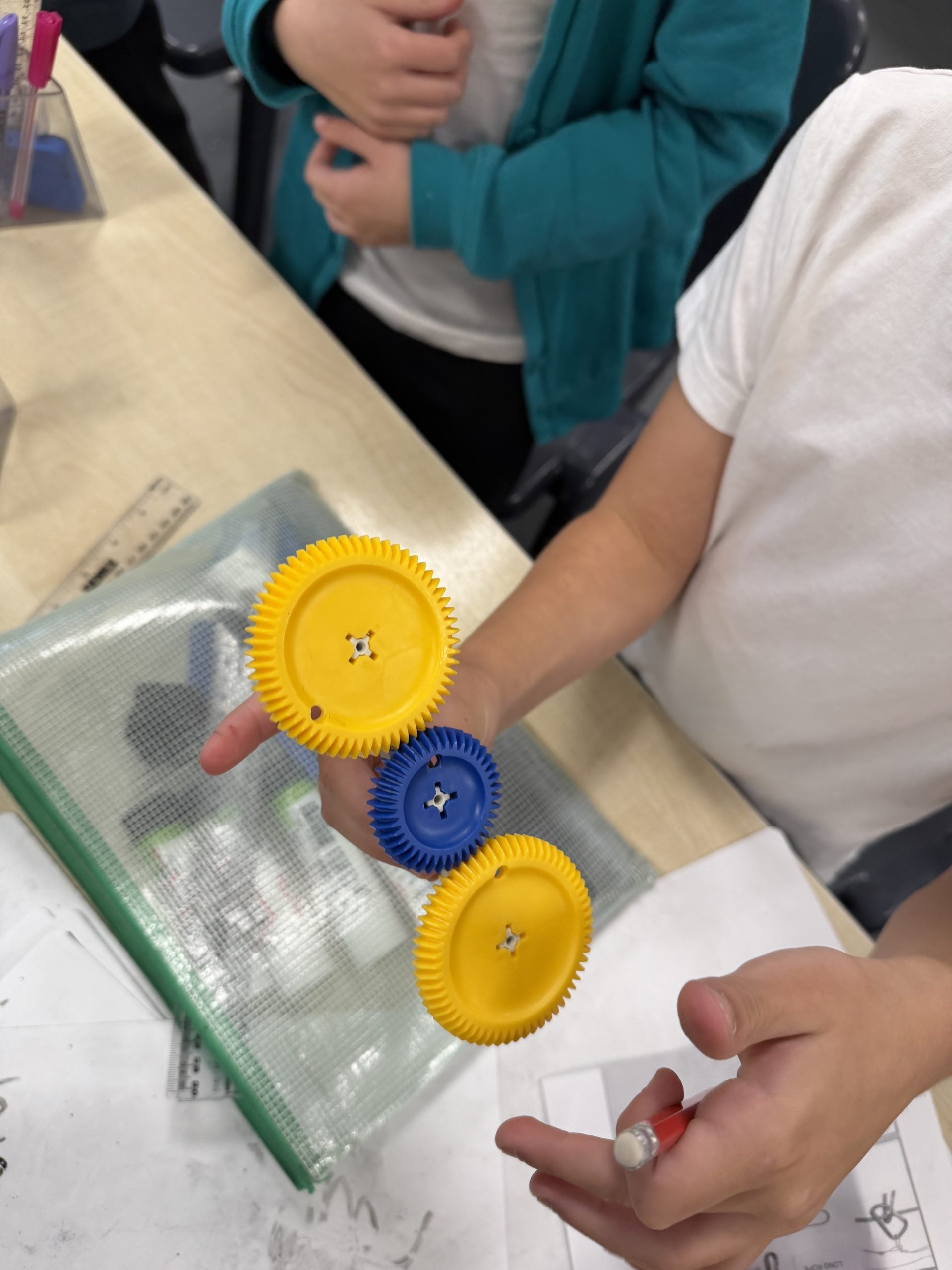
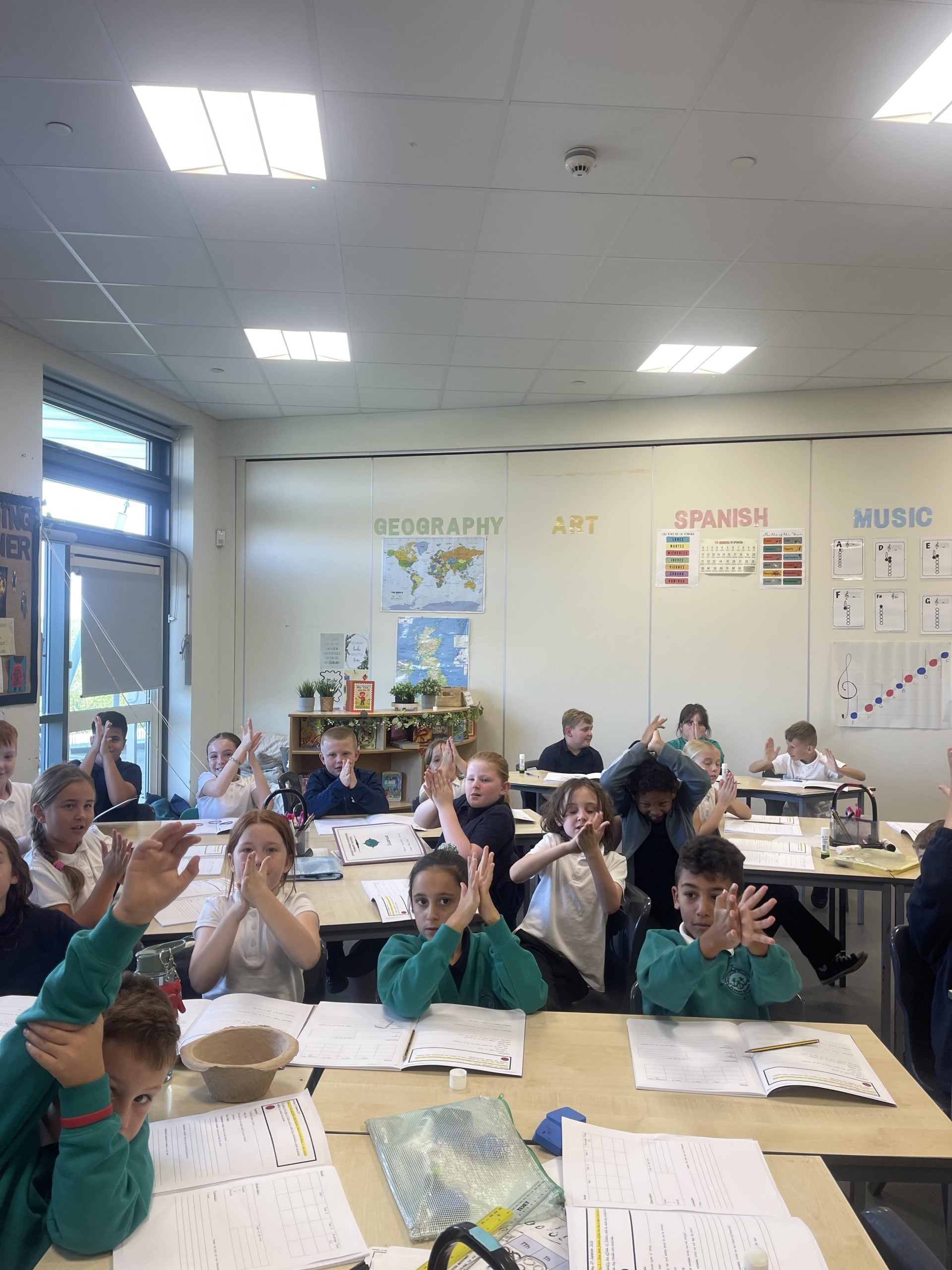
In Year 5 Science, we learned about gears as a type of mechanism that helps transfer movement and force. We explored how gears work together and discussed where they are used in everyday life, such as in bicycles, clocks and vehicles. We also investigated the difference between gearing up and gearing down, discovering how gears can be used to make things move faster or with more force. Through practical activities, we had a go at gearing up and down ourselves to see how changing the size and arrangement of gears affects movement.
Category : Science
Post Science content here
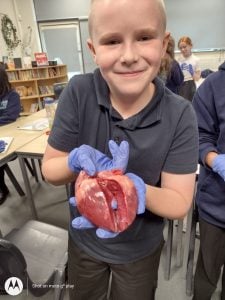
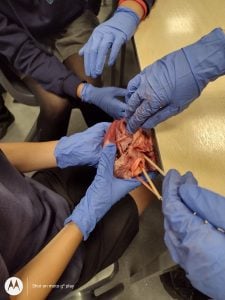
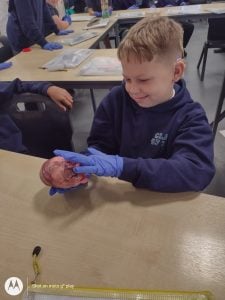
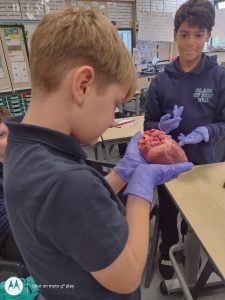
This week we have been looking at a pigs heart. The children were fascinated to see how the heart actually worked. They were able to see the thickness of the aorta and arteries and compared these to the thinner veins. We discussed how blood coagulates and thickens due to platelets and saw some of this residue left in the hearts. The children felt the four chambers inside the heart and were amazed at how strong some of the chordae tendineae (heart strings) really were! They observed how the heart was a muscle and say how thick that muscle actually was! The children really seemed engaged and enjoyed learning about the heart.
We had great fun exploring how to make porridge this morning.
Click on the link below to find out how we got on…

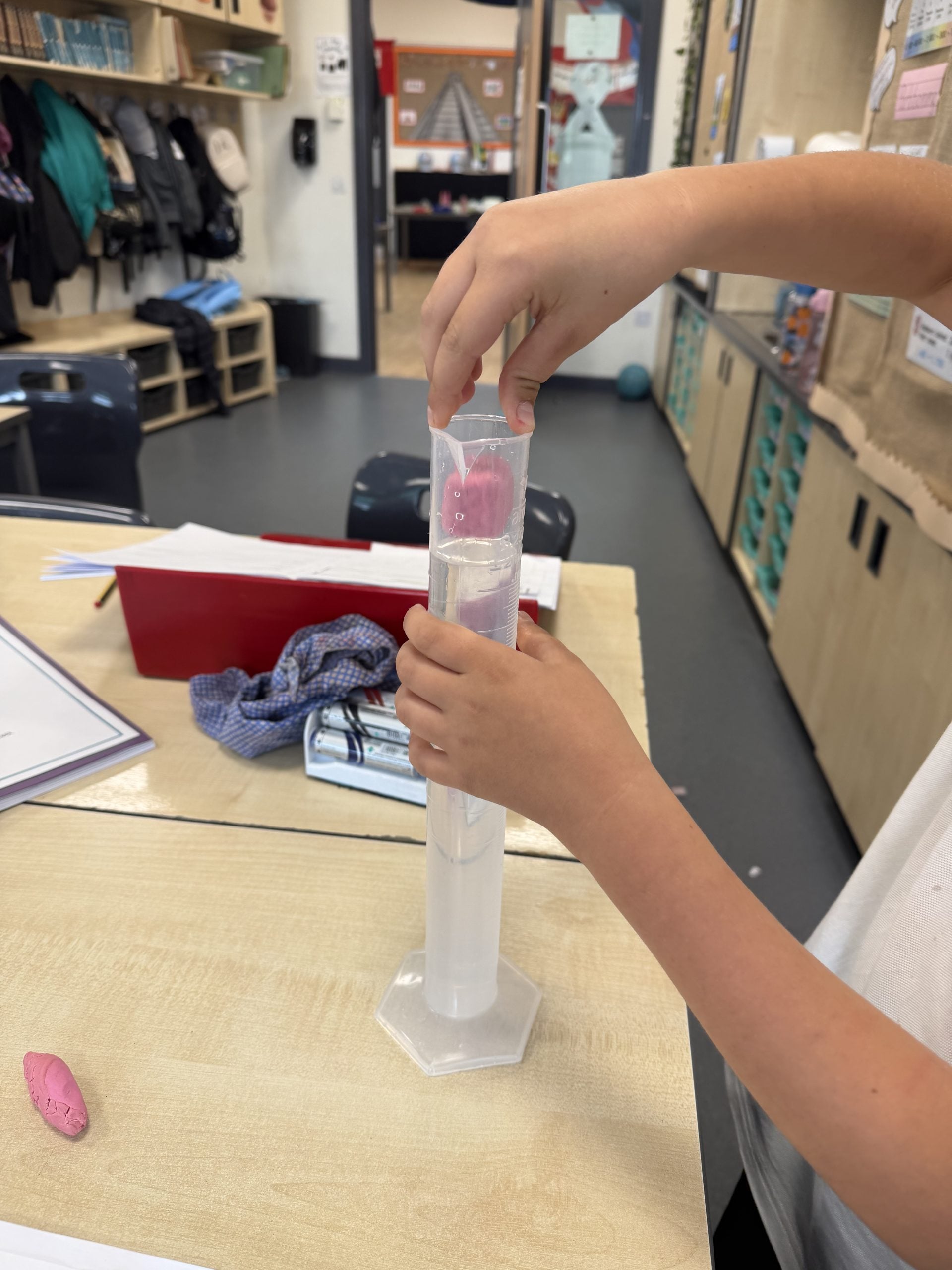
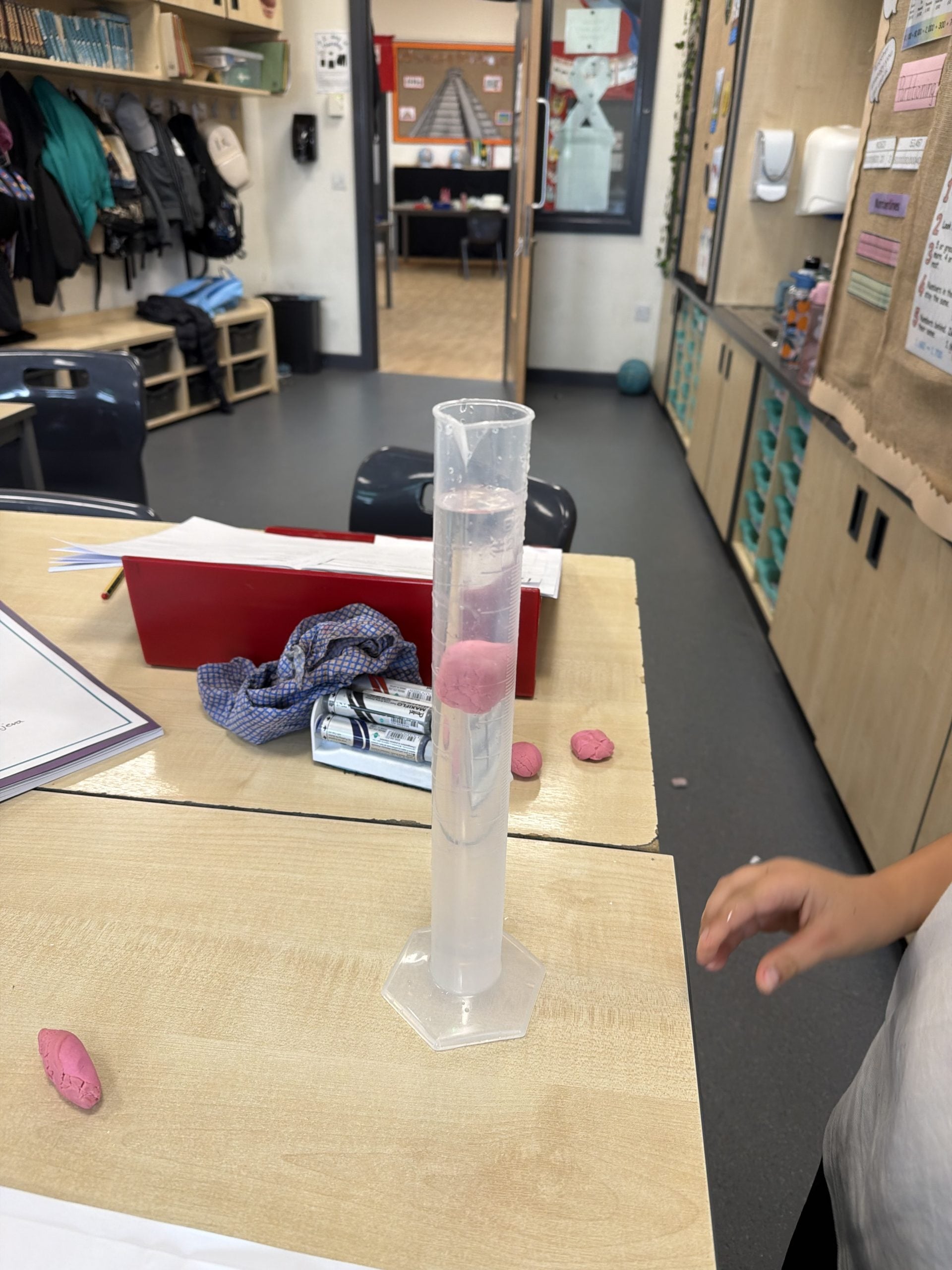
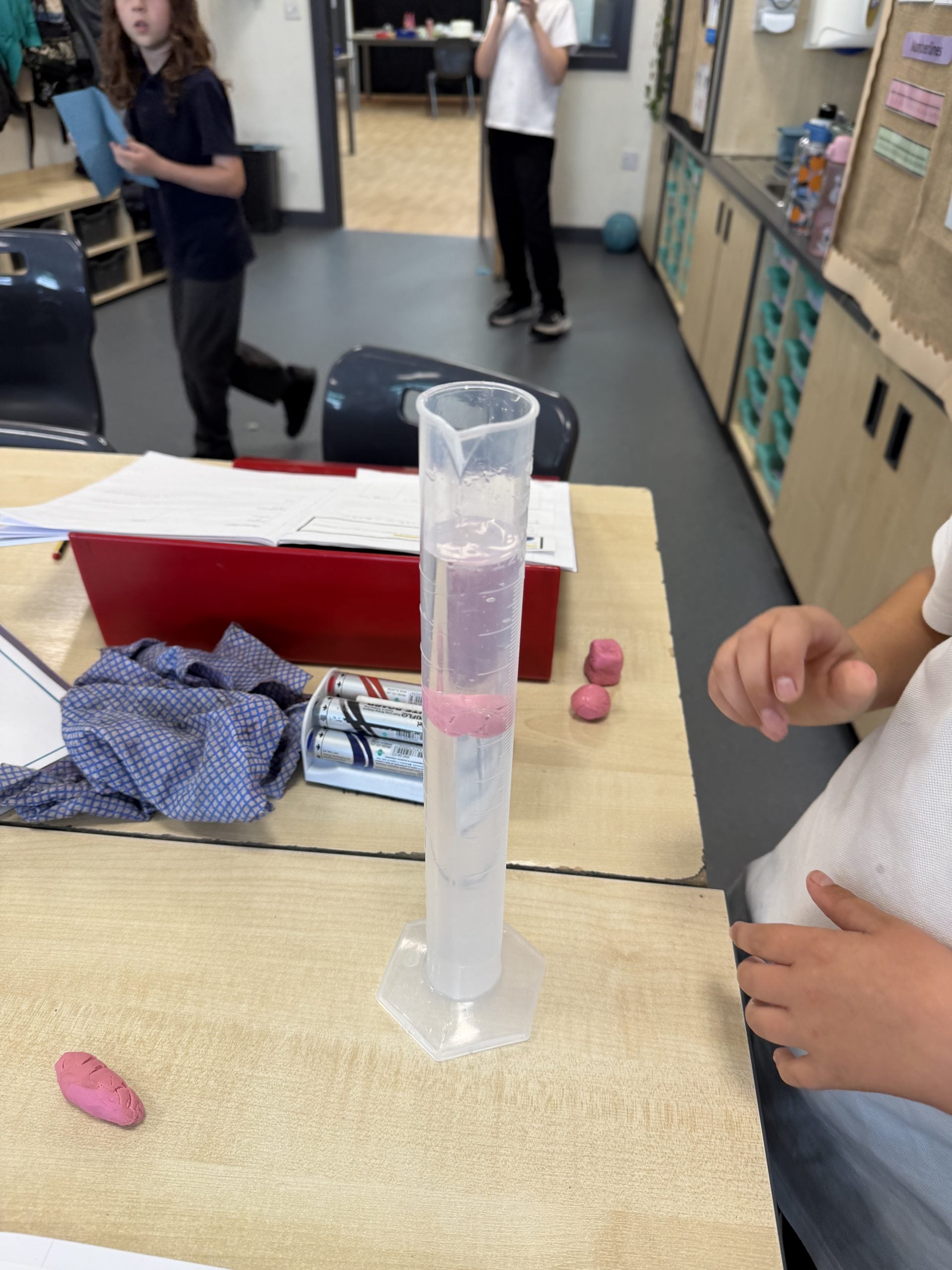
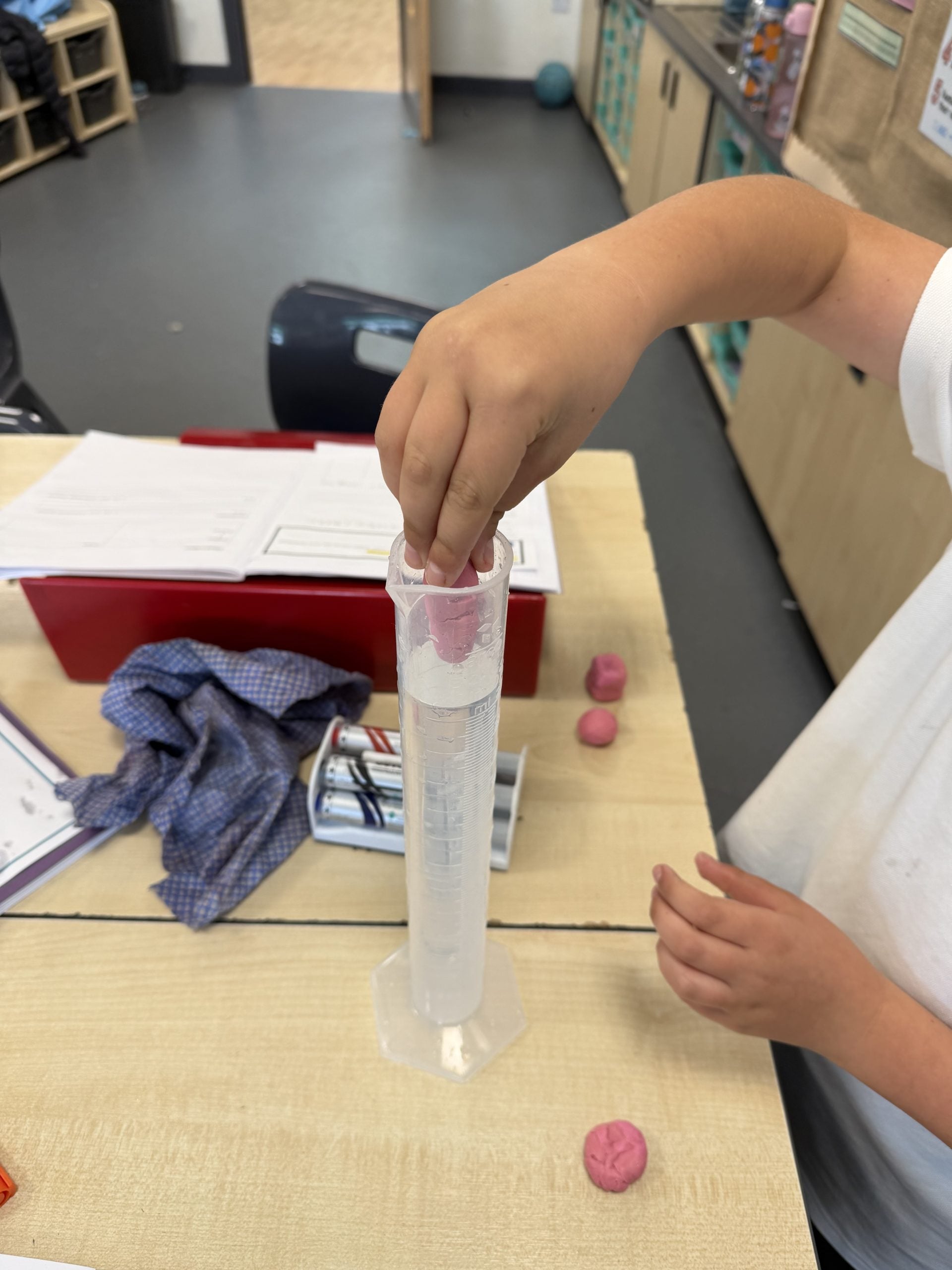
In Year 5 Science, we learned about water resistance as a force and investigated how the shape of an object affects how quickly it can move through water. We explored the idea of streamlining and discovered that streamlined shapes experience less water resistance, allowing them to travel faster. Using plasticine, we created different shapes, including a cube, bicone, sphere and flat cone, and tested them to find out which was the most streamlined. Through our investigation, we compared the results and developed our understanding of how shape can reduce resistance and improve movement through water.
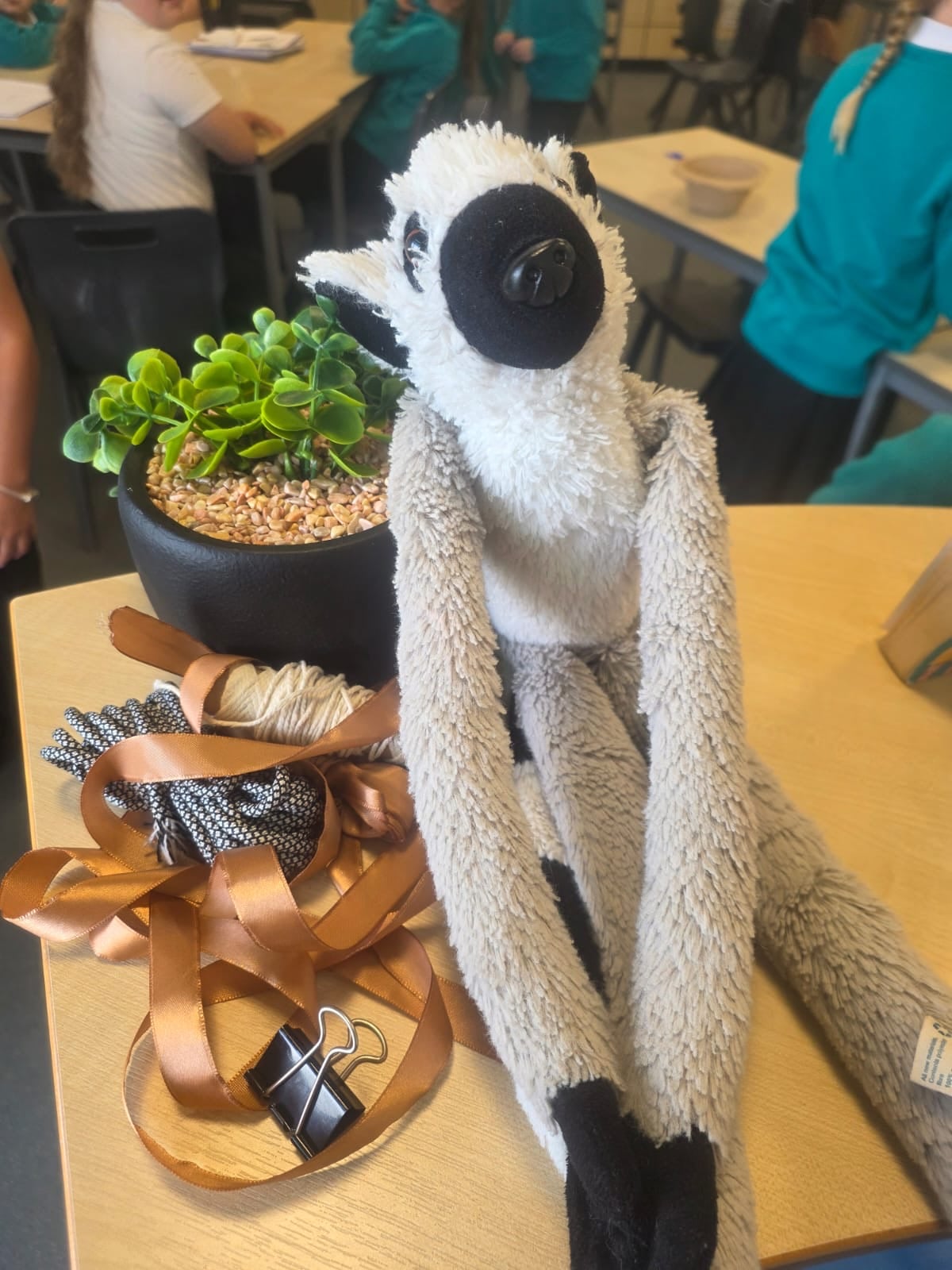
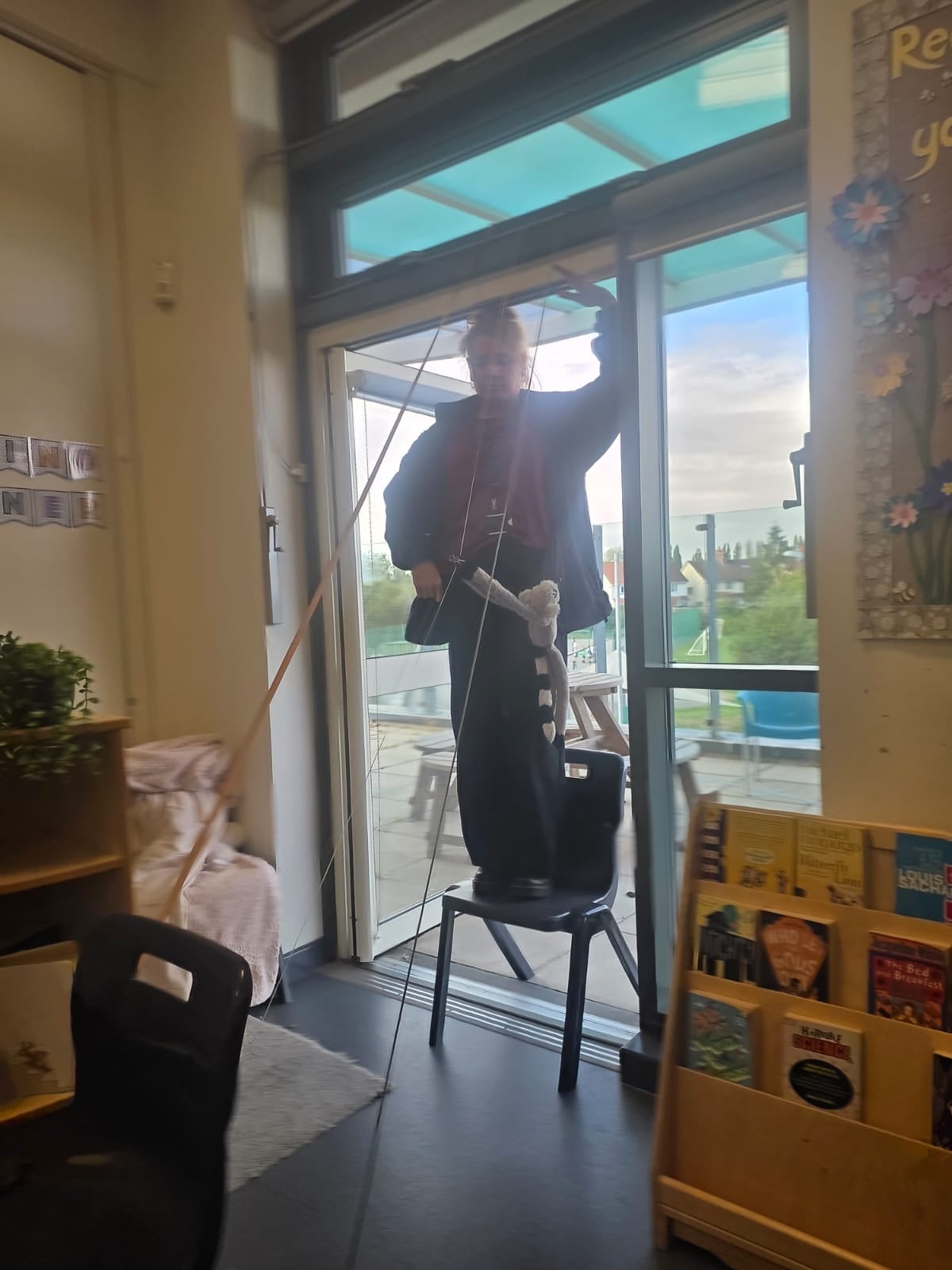
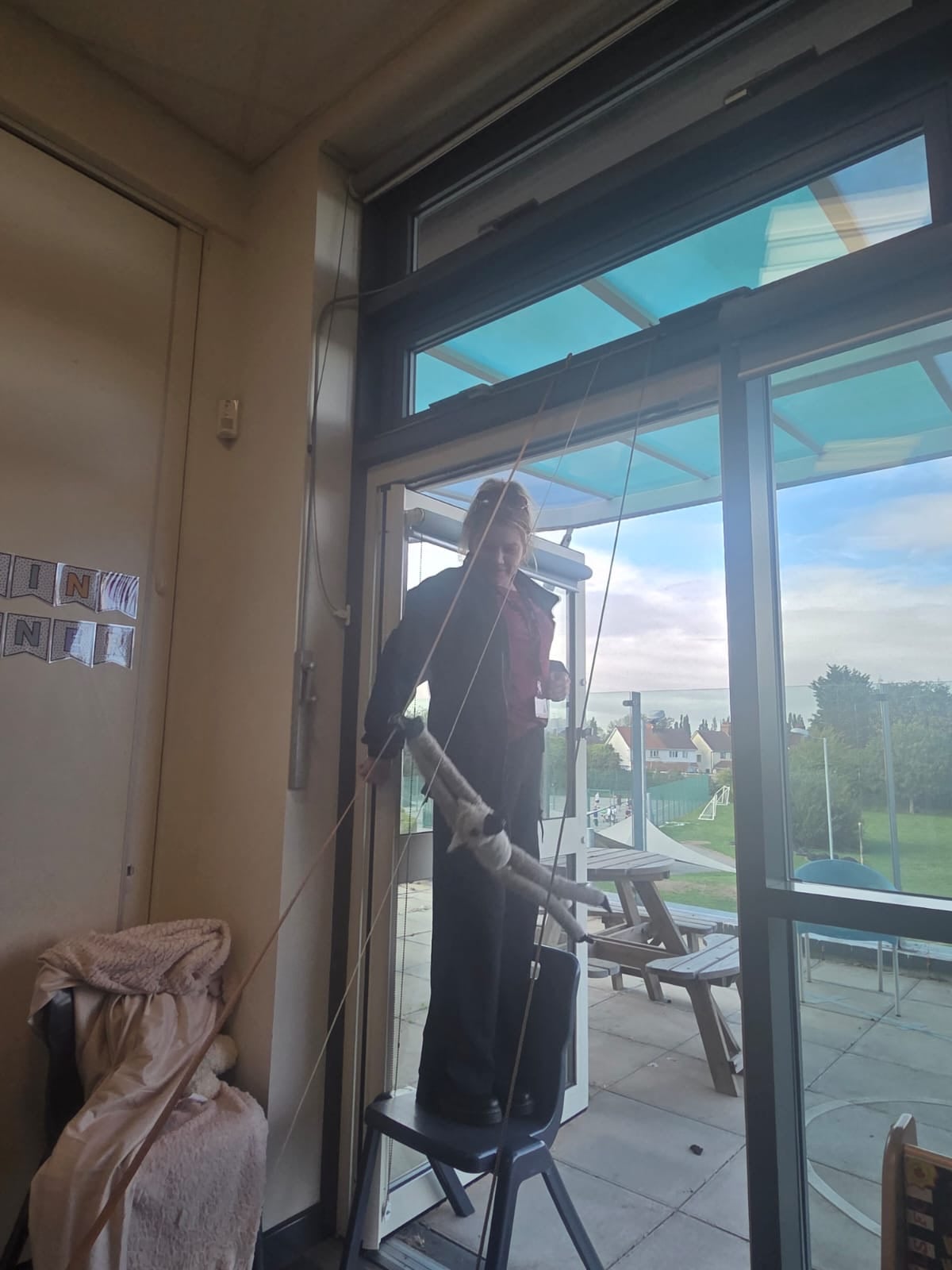
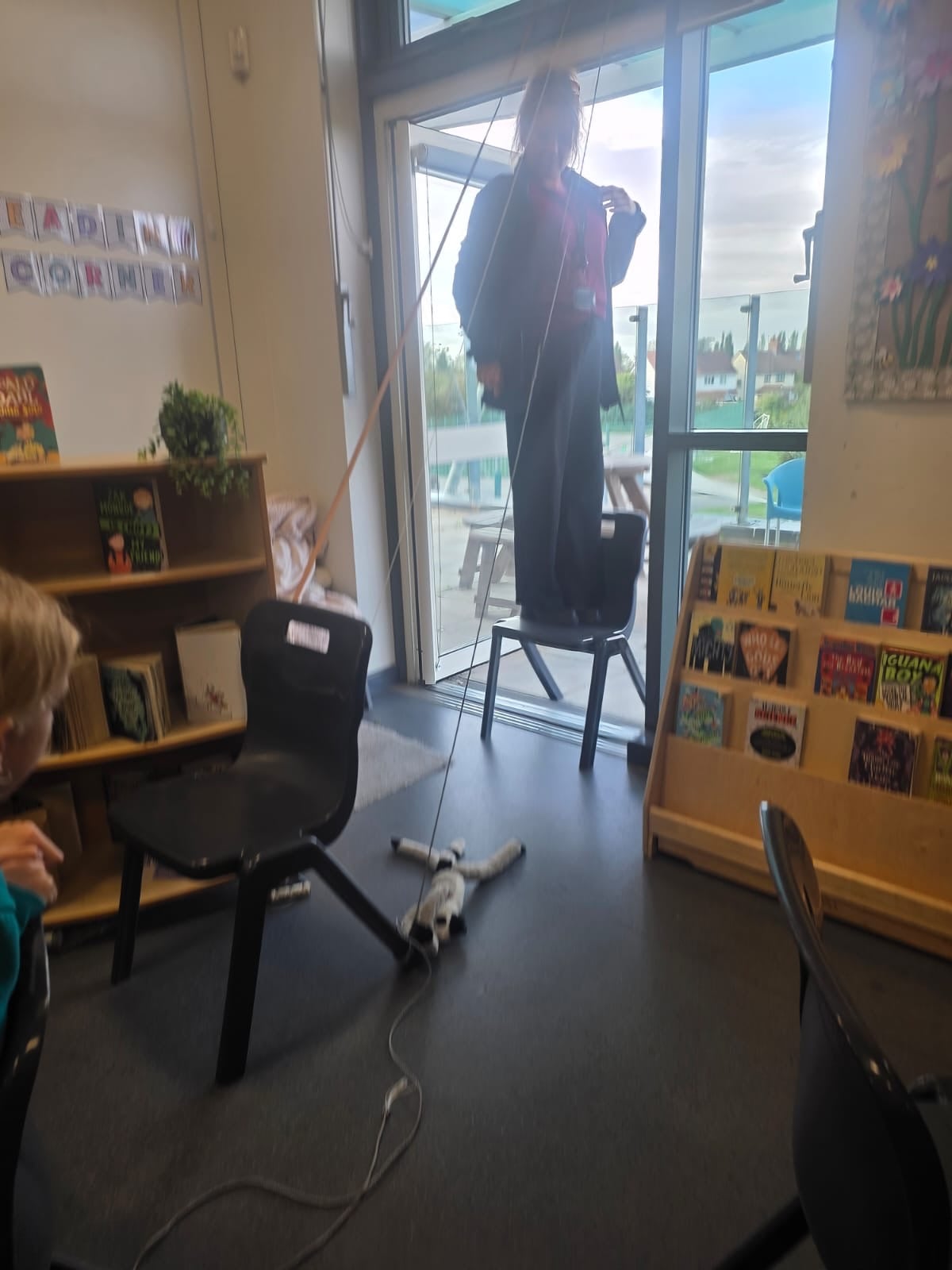
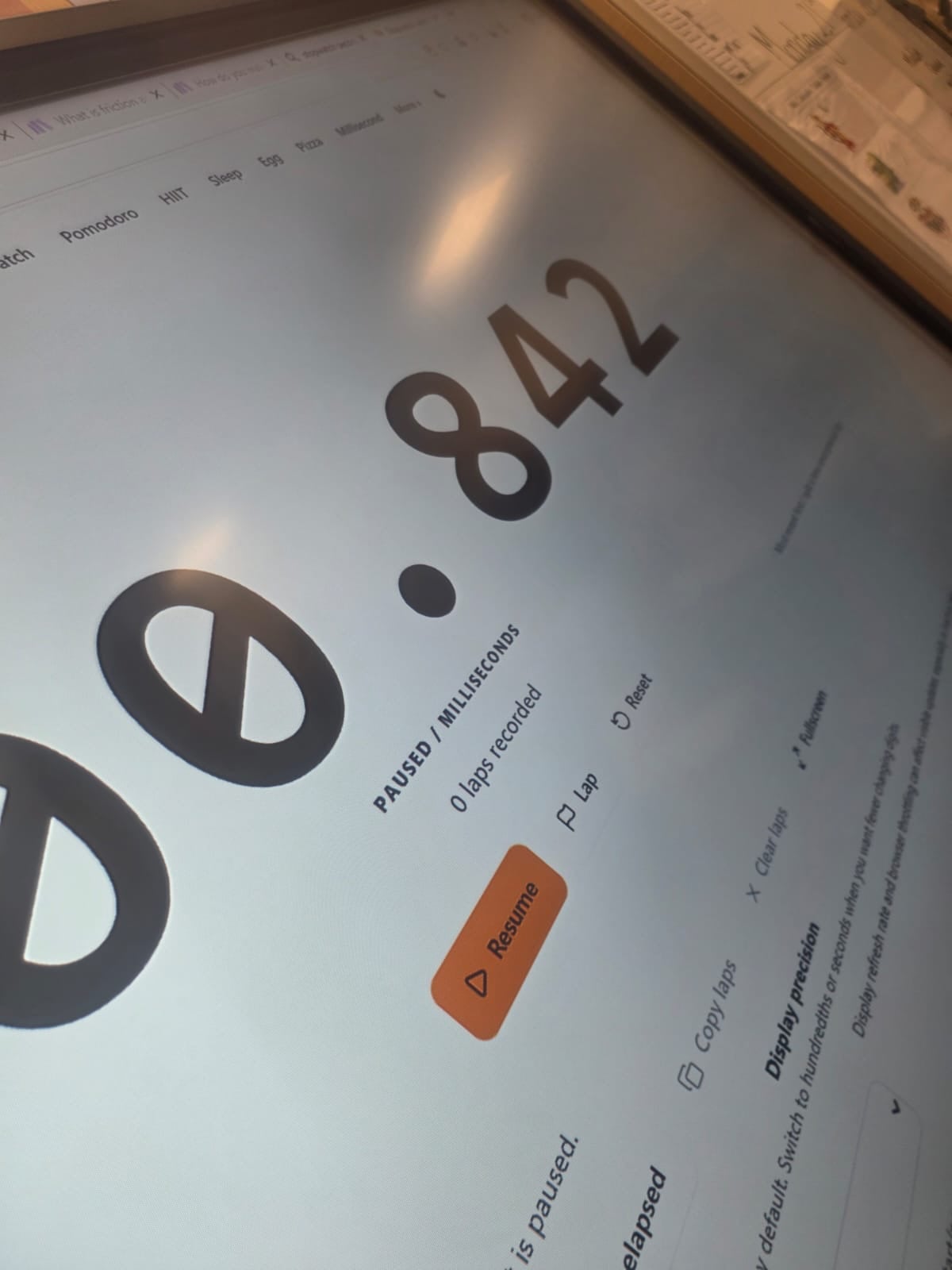
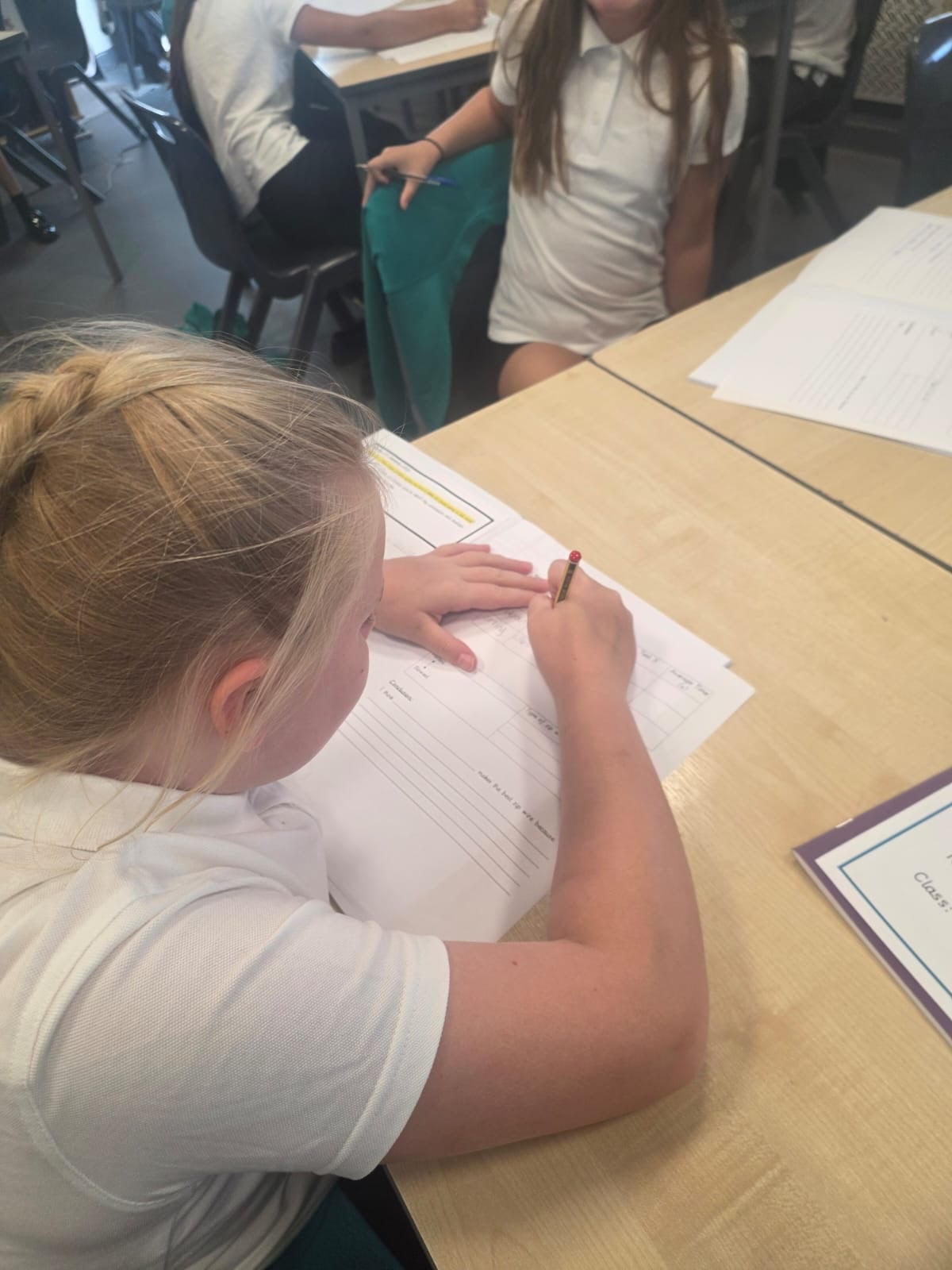
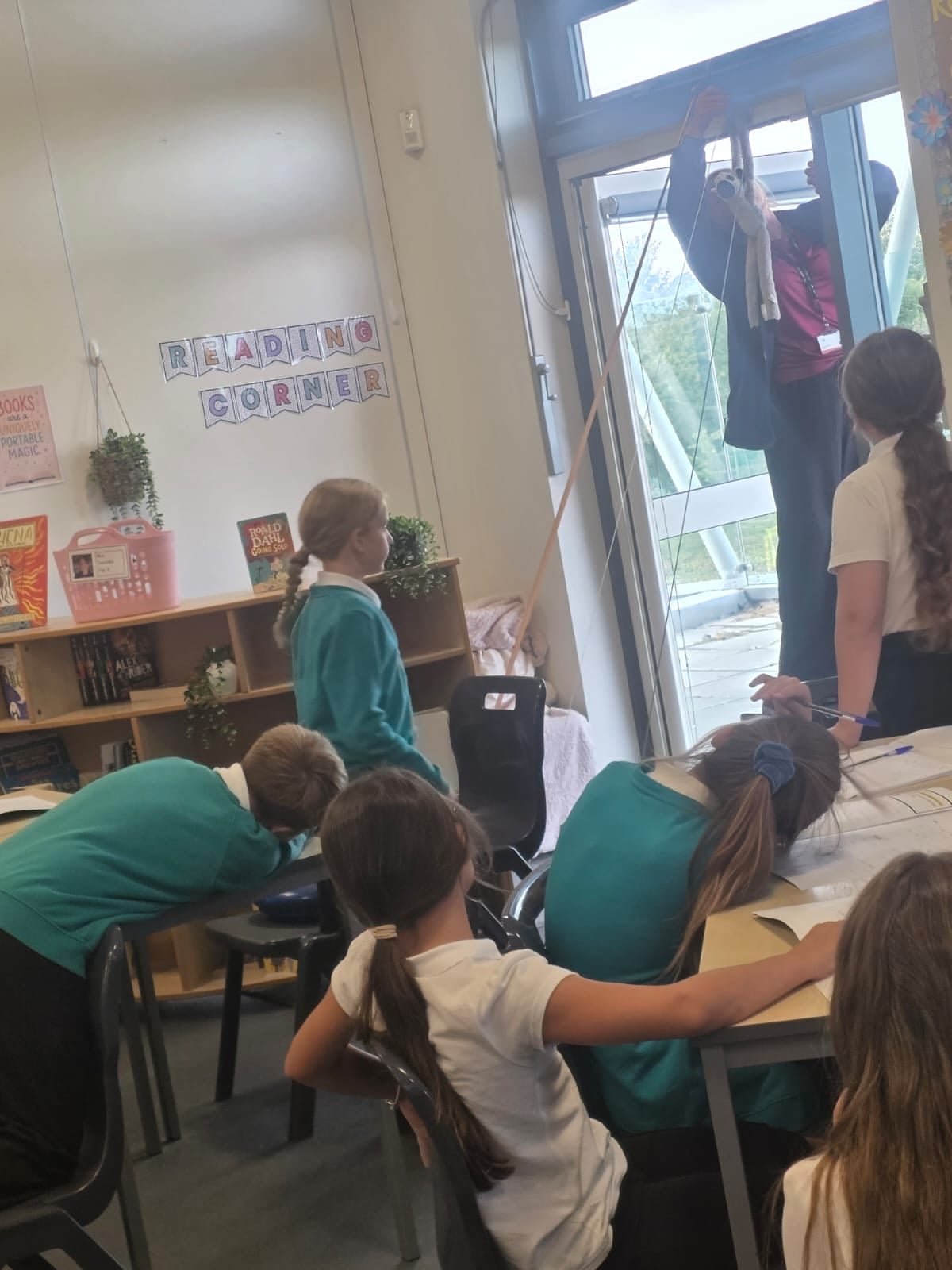
This week in Year 5 Science, we investigated friction and learned how it can slow objects down and create heat. We planned and carried out an investigation to find the best material for a teddy bear zip wire, testing ribbon, wool and rope and timing how long it took the teddy to travel down. We wanted to find a material that created enough friction to stop the teddy from whizzing down too quickly, but not so much that it got stuck. Our results led us to think about how rough and smooth surfaces, as well as the amount of surface area in contact, can affect friction and the speed of an object.
In science, year 6 have been looking at the circulatory system. The children have been looking at the key systems involved to keep you alive and healthy (heart, lungs, blood and blood vessels). The children have been able to explain that arteries take oxygenated blood away from the heart and lungs to deliver oxygen to the muscles and cells around the body and that veins carry it back to the heart and lungs. The children were able to see why our heart has a double beat due to the 4 chambers and are excited to see this in the coming weeks during their dissection lesson.
This afternoon we learned that a force is a push or a pull.
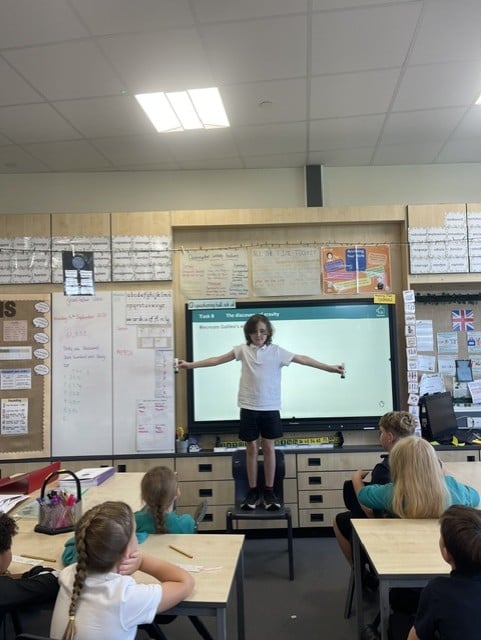
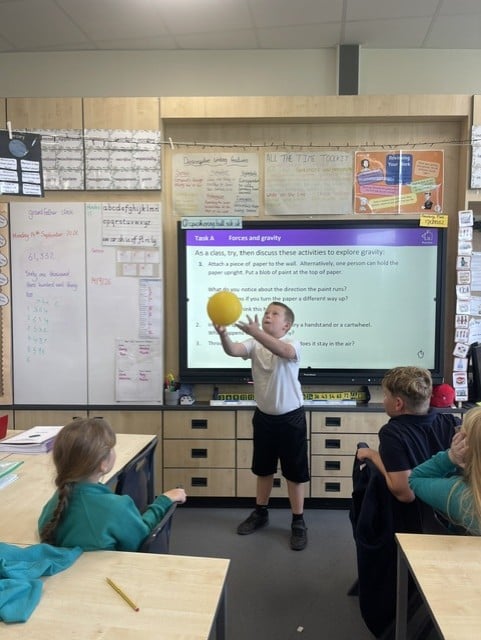
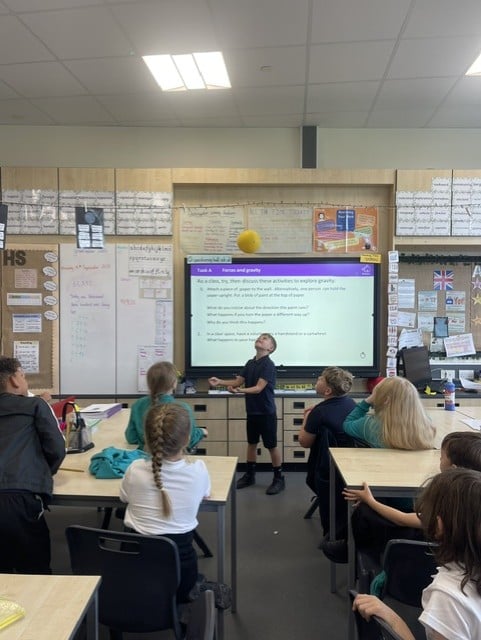
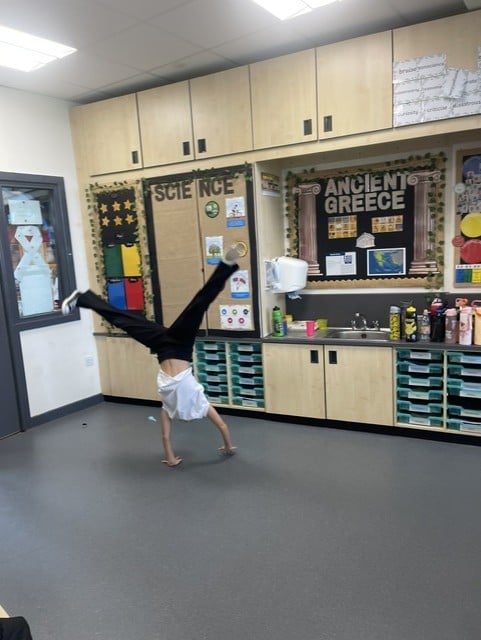
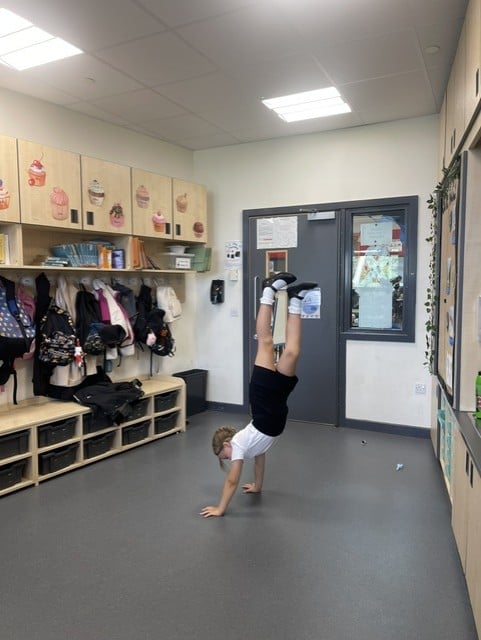
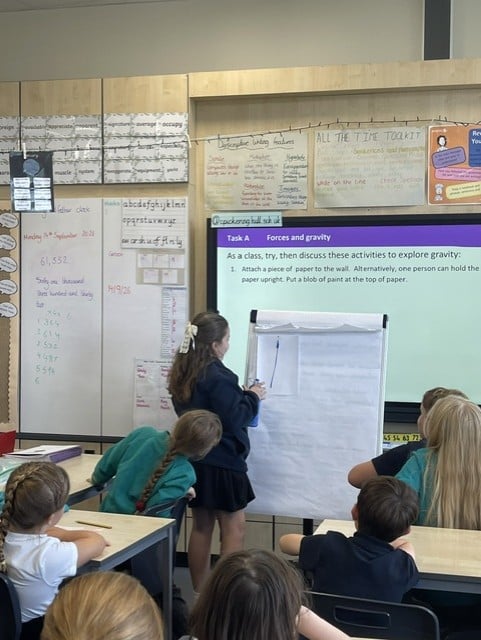
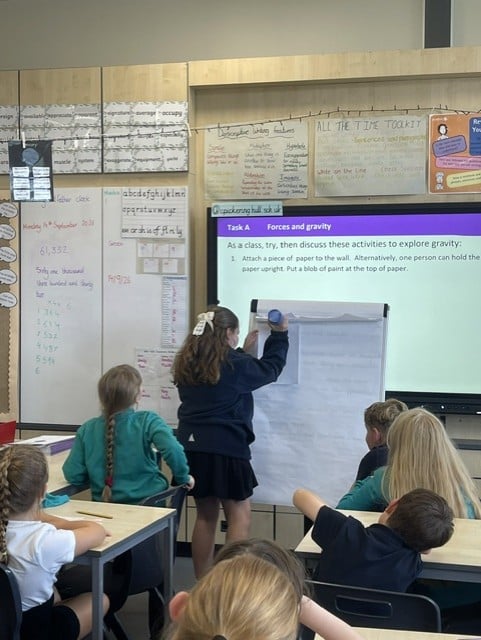
We did a range of experiments and practical activities to show that unsupported objects fall downwards due to gravity. We looked at our hair when we do a handstand, watched paint run down a sheet of paper and threw objects in the air to watch them fall. We realised that Gravity is an invisible force that makes unsupported objects fall towards Earth. Throughout history, people have tried to explain this force. Galileo realised that gravity causes objects of the same shape, but different mass to fall at the same speed. Although some of us predicted that heavier objects would fall faster, we proved Galileo right by dropping 2 identical Glue sticks – one full and one empty – at the same time. They both hit the ground at the same time. We also learned about Isaac Newton who realised that Earth must have a force towards its centre that pulls things straight down. He is the person that named it “Gravity”.
Click on the link below to see how we got on when we made vegetable soup in F1. It turned out to involve building a machine to harvest our own ‘vegetables’ too!
Making soup and building the harvester
Click the link to have a peak inside to see what the children got up to on our spring walk!
We had so much fun and learned lots!
We have loved reading The Very Hungry Caterpillar and have been mesmerised by our caterpillars in the classroom and have really enjoyed watching them grow and change.
It seemed only right to create our very own beautiful butterflies.
Click on the link below to see how we made them…