Y4 RE: Saints and Heroes – What Makes A Hero?

As Theologist this term, we have been exploring the lives of faith members who have performed heroic deeds as well as those who have dedicated their lives to a cause to help others.

Firstly, we considered the individuals in our own lives who we considered to be heroes for the selfless acts they perform in putting the needs of others before their own…

Parents and Grandparents
Siblings and extended family members
Friends
Teachers and Teaching Assistants
The NHS
The Emergency Services
The Armed Forces

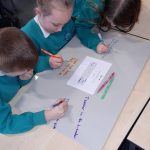
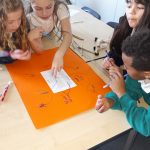
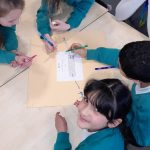
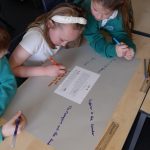
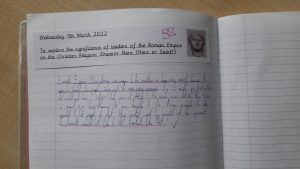
We then explored the life of Emperor Nero, which linked with our study of the Romans in History, and considered the effect he had upon those who followed the Christian faith.  The children were unanimous in their conclusion that Nero was definitely not a Saint or a Hero due to his selfish need to suppress the freedoms of those civilians who followed the Christian faith resulting in their persecution for his own entertainment.
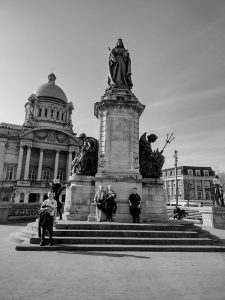
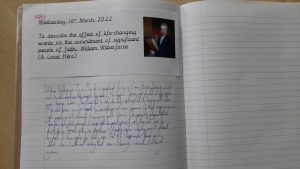
The life and commitment of William Wilberforce, who hailed form Hull, was then explored in relation to how his determination and dedication to his cause had a significant impact upon the slave trade during is lifetime. The children unanimously agreed that Wilberforce was a true Hero and selfless man who put the needs of others before his own.  He demonstrated empathy for those who had been taken as slaves and was both brave and resilient in continuing his campaign even though it took 18 years for the changes to begin to be accepted by those in Parliament.
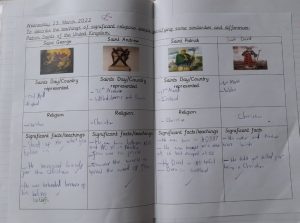
We then reflected upon the teachings of the four Patron Saints of the United Kingdom and considered the way in which their dedication to their faith helped others. The children agreed that Saint George(England), Saint Andrew (Scotland), Saint David (Wales) and Saint Patrick (Ireland) remained true to their Christian beliefs in their passion to help others and spread the word of Jesus. Did you know that an individual can only be given the title of Saint after they have passed away and as long as they have lived a holy life and done a miraculous deed? A fact worth knowing!
The children have also reflected upon the key events of Holy Week and considered why Easter is the most important celebration for Christians.  Upon watching the events of Holy week online, a class discussion allowed children to voice their opinions as to how key individual’s acted and felt at relevant points throughout the events of Holy Week:

Palm Sunday – People were overjoyed when Jesus travelled into Jerusalem
The Annointing – Jesus was telling people to respect one another and love one another
The Last Supper and Arrest – Jesus was aware of what was to happen; Judas was overcome with temptation; His friends left because they feared the Romans
The Crucifixion –  Religious leaders were jealous of Jesus; The Religious leaders pressured the Romans to vote for Jesus to be crucified; Followers of Jesus were overcome with sadness; Jesus was brave to sacrifice himself; the Roman soldier realised that Jesus was a special man and felt guilty for what was happening; Judas was remorseful
The Resurrection – Jesus rose again because he was the son of God; His followers were happy because he returned to them before going to Heaven.
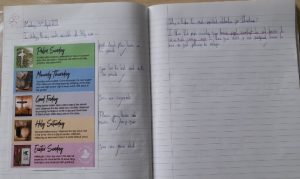
I am sure you will agree that our children in Y4 have once again worked hard in R.E this term and have gained both knowledge and insight into what makes and individual a Saint or a Hero.
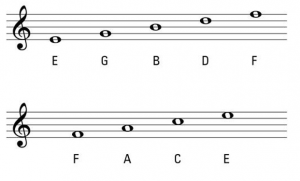
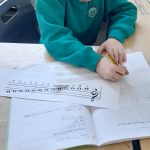


Y4 Writing Music: Staves and Musical Notations

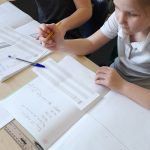
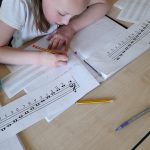
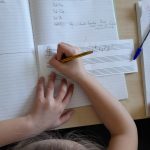
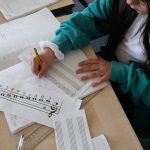
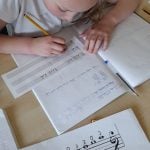
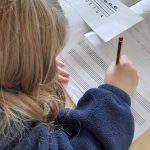
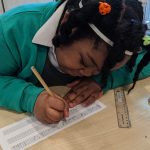
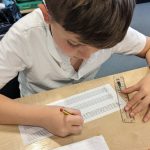
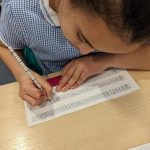
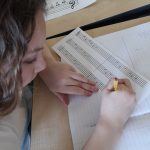
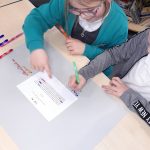
As Musicians, we in Year 4 have been getting to grips with writing our preferred compositions onto a stave using musical notations. Firstly, we learnt how to draw the Treble Clef which we were determined to get right!

We then recapped some prior learning of the crochets, minims and semibreves and the value that each of these notes represent.

We then recapped the purpose and utilisation of rests within musical notation.

Once we had familiarised ourselves with whereupon the stave the musical notations needed to be placed, we as Musicians then began writing our own individual ‘Ostinato’ compositions.


Junior Open Exhibition at Ferens Art Gallery

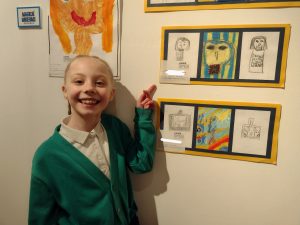
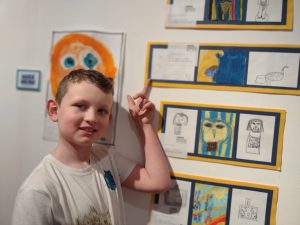
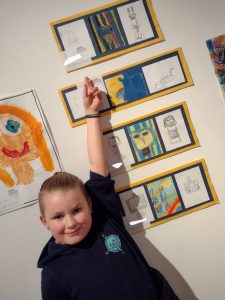
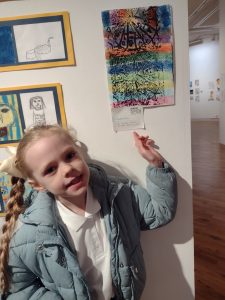
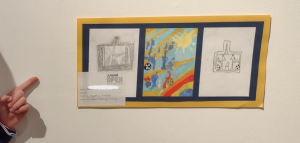
Earlier this year, Y3/4 submitted a few pieces of work to be considered for the Junior Open Exhibition within the Ferens Gallery in Hull.


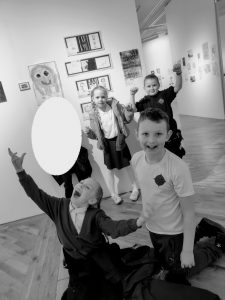
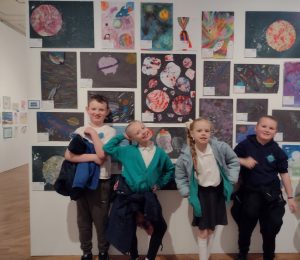
We were delighted to learn though our pieces were on display for all to see and appreciate so we decided to take a mini-trip to see our work professionally displayed.

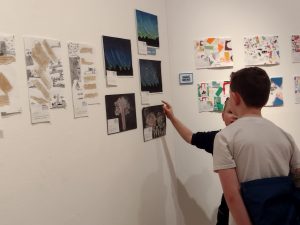
It was really exciting to visit the Gallery. We enjoyed looking at a range of Art work from children across the city and were blown away with the quality of it.

We enjoyed sharing our opinions as we walked around the other parts of the gallery, discussing how the Artists had made their sculpture, collage or edited their photography,

But by far, the best part of the afternoon was the smile on our faces when we found our own Art work!


Y3 JIGSAW – HEALTHY ME! CALORIES, FATS AND SUGARS

Our Y3 focus this term in our Healthy Me! unit of Jigsaw has allowed us to consider that the calories we get from the foods we eat provide us with the energy we need to work, grow and exercise. We also discussed the importance of exercise to stay healthy and understand that for our bodies to be in balance (healthy) we need to take in the right amount of energy and do the right amount of activity. In addition, we further discussed the benefit of exercise on our heart and lungs and recognise that the more we exercise that our heart and lungs work harder and become stronger.

FACT…Did you know that children should exercise for at least 1 hour a day? We investigated this fact and calculated that if we walk, cycle or travel on scooter to and from school and be active at both play, lunchtimes and after school that we already exceed this recommended time!

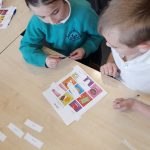
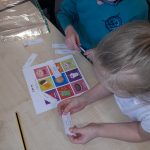
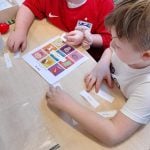
We then undertook an investigation to find out the amount of calories, fats and sugar content in various food items by taking notice of the Traffic Light labelling on packaging…

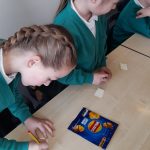
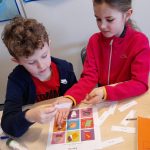
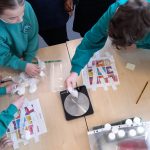
We then played the ‘How Much Sugar?’ game whereby the children had to match the identified sugar content in grammes to the correct food item before the answers were revealed…This activity evoked some great discussion and difference of opinions between our Year 3 children.

When the answers were revealed the children were quite surprised…

An energy drink…35g of sugar
A blueberry muffin…30g of sugar
A bowl of chocolate ice-cream…22g of sugar
A packet of sweets 20g of sugar
A flavoured yoghurt…17g of sugar
A chocolate bar…15g of sugar
A chocolate biscuit/cookie…14g of sugar
A bowl of chocolate cereal…11g of sugar
A plain biscuit/cookie…8g of sugar

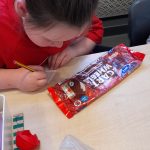
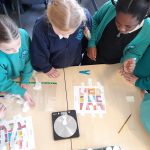
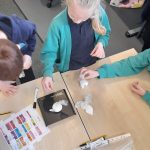
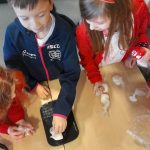
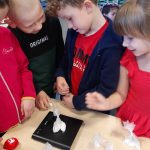
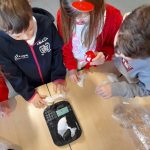
As an extra activity, the children were provided with the actual physical representation of the amounts of sugar, which they had to weigh on the digital scales and match to the food items in the activity….

From this activity, some of our Y3 children have raised that we do not often think of the calories, fats or sugar content within the foods that we eat and that they are now considering taking more notice of the Traffic Light recordings on food labels and packaging.


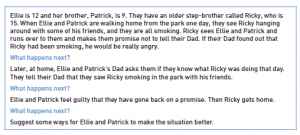
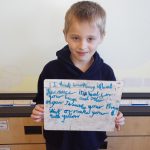
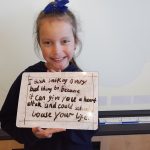
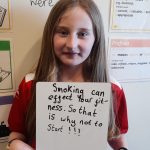
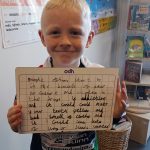
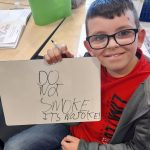
In Year 4, we have been discussing the effects of smoking upon the health of those who choose to smoke, as well as the effects it has on those around them.

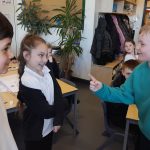
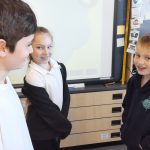
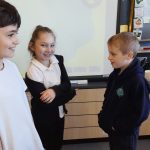
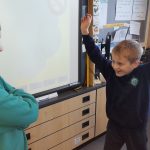
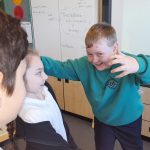
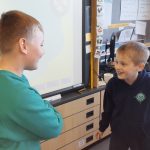
A posed scenario led to a little role play in Mr Morgan’s class whereupon Ricky in the scanarios was seen smoking by his younger siblings who he made promise not to tell their Dad. The promise was a little to hard to keep and Dad was told in the best interest of Ricky.

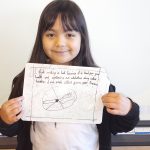
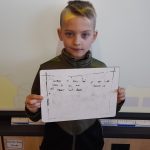
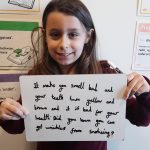
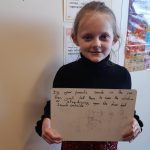
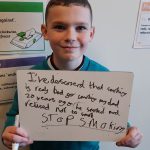
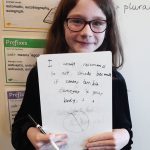
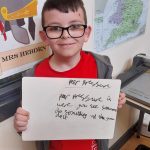
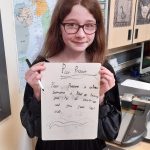
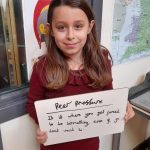
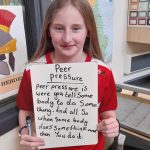
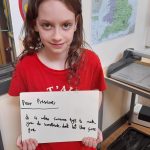
Here are some of the children in Year 4’s opinions of smoking…

We then discussed the reasons as to why people choose to smoke and identified that it is often as a result of peer pressure and wanting to fit in.

We all agreed that smoking is a habit that comes with many risks to our health and that having a better understanding of the impact and effects it has can help us to make better, healthier choices and say NO to being pressured into doing something we do not want to do just to fit in!!!


Our focus this term in our Healthy Me! unit of Jigsaw has so far enabled us to reflect on the friendships we have formed within the communities we belong to.  We discussed the fragility of friendships and agreed that to maintain a friendship we need to be tolerant, accepting, loyal, respectful, kind and forgiving. 
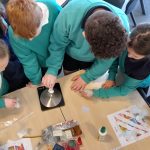
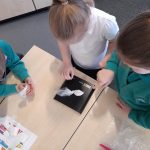
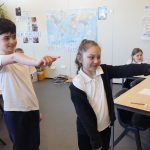
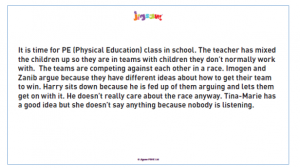
We then focused on Group Dynamics and how within groups there are often leaders and followers and that working together to be inclusive is a must.  Discussions then centred around a posed scenario about a P.E lesson whereby certain individuals took it upon themselves to take charge, one individual did not want to be part of the P.E lesson and so removed themselves from the situation and another had a valid contribution to make but was finding it too difficult to be heard or included.
The children then had to work collaboratively to identify the leaders, followers and by-standers within the posed scenarios group dynamic.

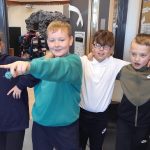
From this, we then compared our own group’s dynamics and found that we all took on differing roles where some of our peers became leaders, followers and bystanders. This led the children to conclude that they need to be more aware that everyone feels included and valued,  not only when working collaboratively as a group, but in all the learning activities we work upon within the learning environment.


Y4 Writing and Performing Music – Ostinato

In some of our recent lessons, Y4 have been getting to grips with writing and performing music in an Ostinato style. Not sure what an Ostinato is?…watch the video below and the children will explain…


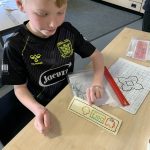
So…an Ostinato is a pattern that is played that always stays the same (ie: repeats), which is played to accompany songs and was given its name by the Italians. Once we had learned the Theory of the Ostinato, we then joined some of the words we created in previous lesson from the notes A – G and practiced creating our own Ostinato pattern.

Here are a few of our compositions…


As you can hear, we utilised our prior learning of Pitch and demonstrated this whilst playing on the glockenspiels with confidence!

Sewing Club – Book Marks

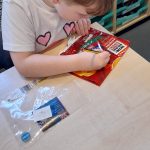
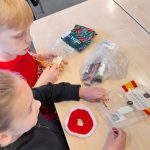
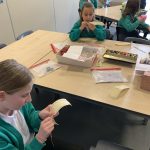
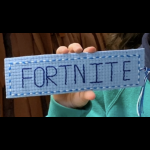
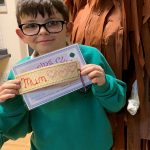
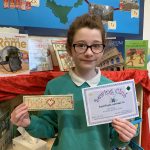
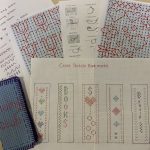
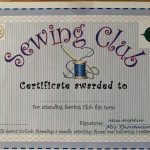
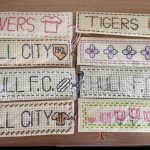
Sewing Club is back!  This term Year 4 have been designing and creating a bookmark.  The children were able to choose a blank bookmark, a whole range of colourful threads and over the weeks have created some very individual bookmarks. These sewing superstars have learned how to thread a needle, how to secure the thread to the binca, and how to sew a variety of stitches. Each bookmark is then finished off with a felt backing and a coordinating tassel. Here are some of their finished projects, they are super proud of their bookmarks and their well deserved achievement certificate.

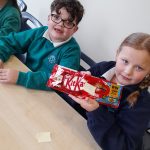
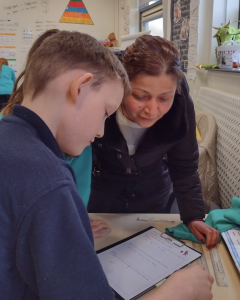
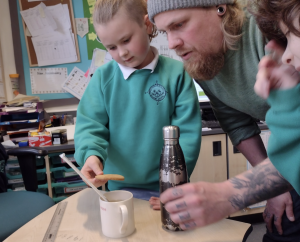
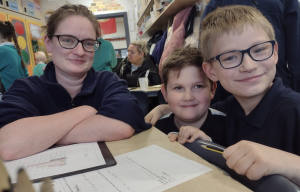
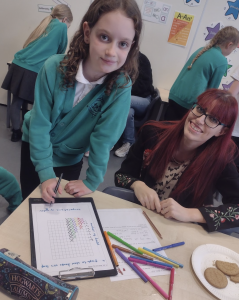
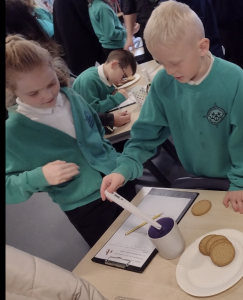
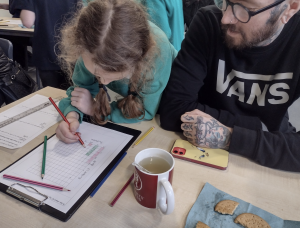
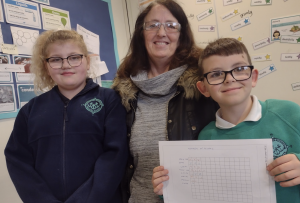
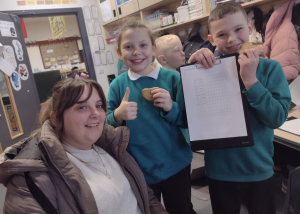
So Mr Moy wanted to know, which temperature of tea is the best for dunking biscuits? Today, we invited the parents and children of Year Four to carry out an investigation to help him find out!

We made our predictions based on our previous experiences.

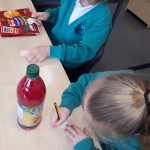
We carried out a fair test and measured the temperature of the drinks.

We recorded our results in a variety of ways and analysed the data.


We drew conclusions as to why the coldest tea allowed us to make the greatest number of dunks! We were able to help Mr Moy and now he can happily dunk away each break time thanks to the Year Four Scientists.


Following on from the last enquiry, where we learned how our digestive system works, today we looked at the function of our teeth.

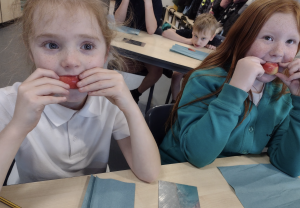
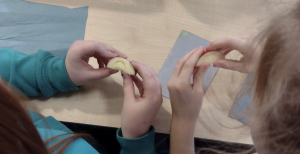
We explored the indentations left after we bit into an apple and how they varied within the class. Using the mirrors, we described the size, shape and position of our teeth.

Did you know that children have 20 teeth yet when we grow our adult set we have 32! We discovered the incisor teeth help us bite, the canines help us to tear and the molars chew and grind our food into smaller pieces that are easier to swallow.

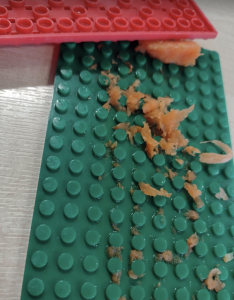
Grinding the carrot between lego was a great way to model the function of these large teeth and it really helped us to remember it!