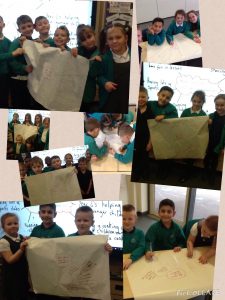
F1’s Egg Hunt

We’re going on an egg hunt,

We’re going to find a chocolate one.

It’s a rainy day

But we’re not wet!


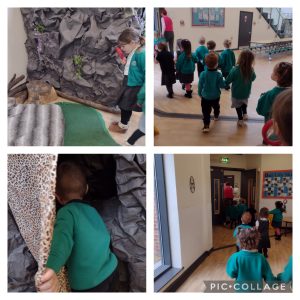
F1 went searching around school to see if we could find the Easter Bunny. We had no luck at all…

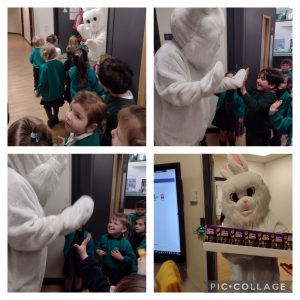
…until we got back to the classroom!

We were so excited that the Bunny came to visit us. Thank you so much for our chocolate eggs too!

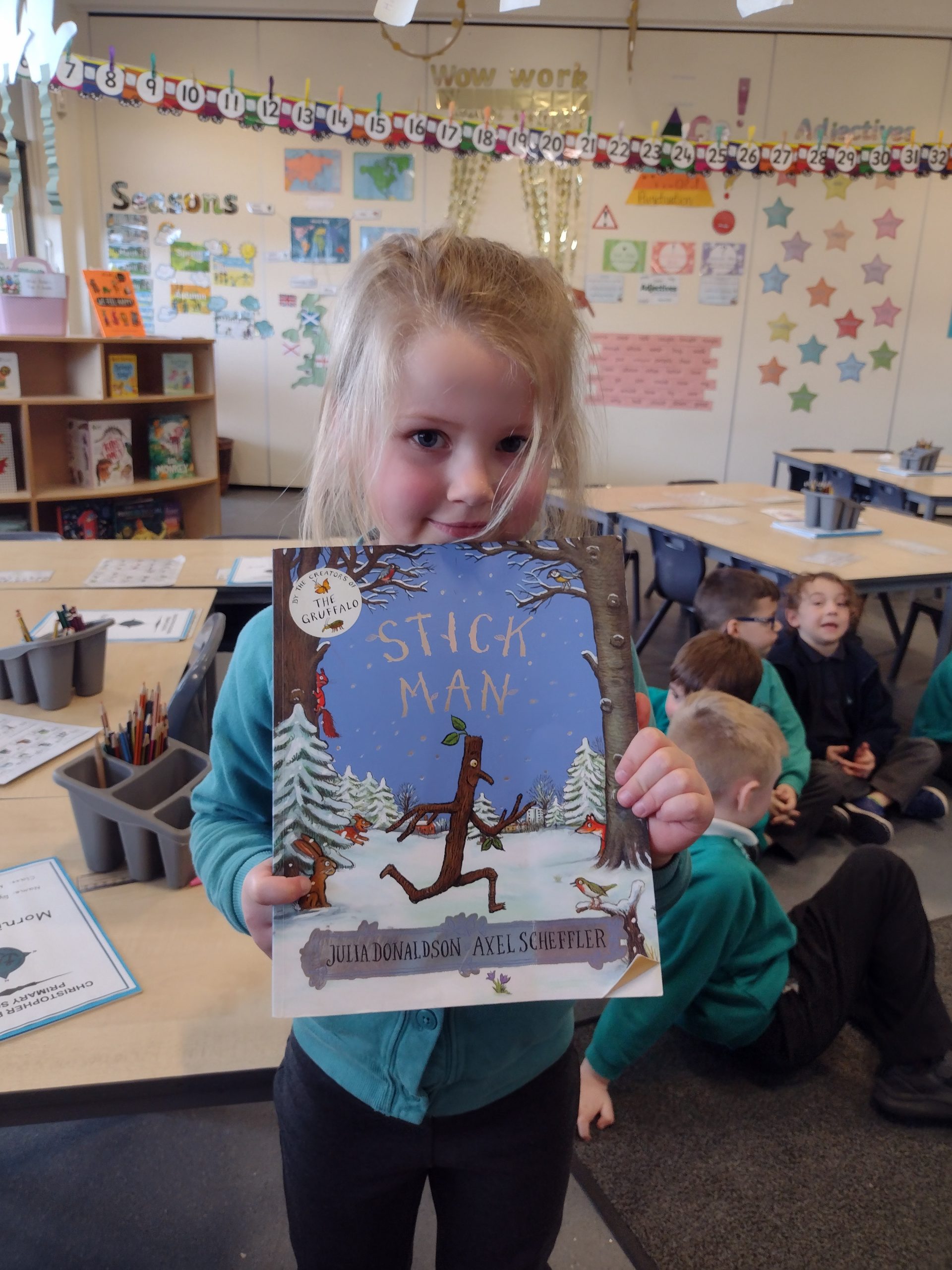
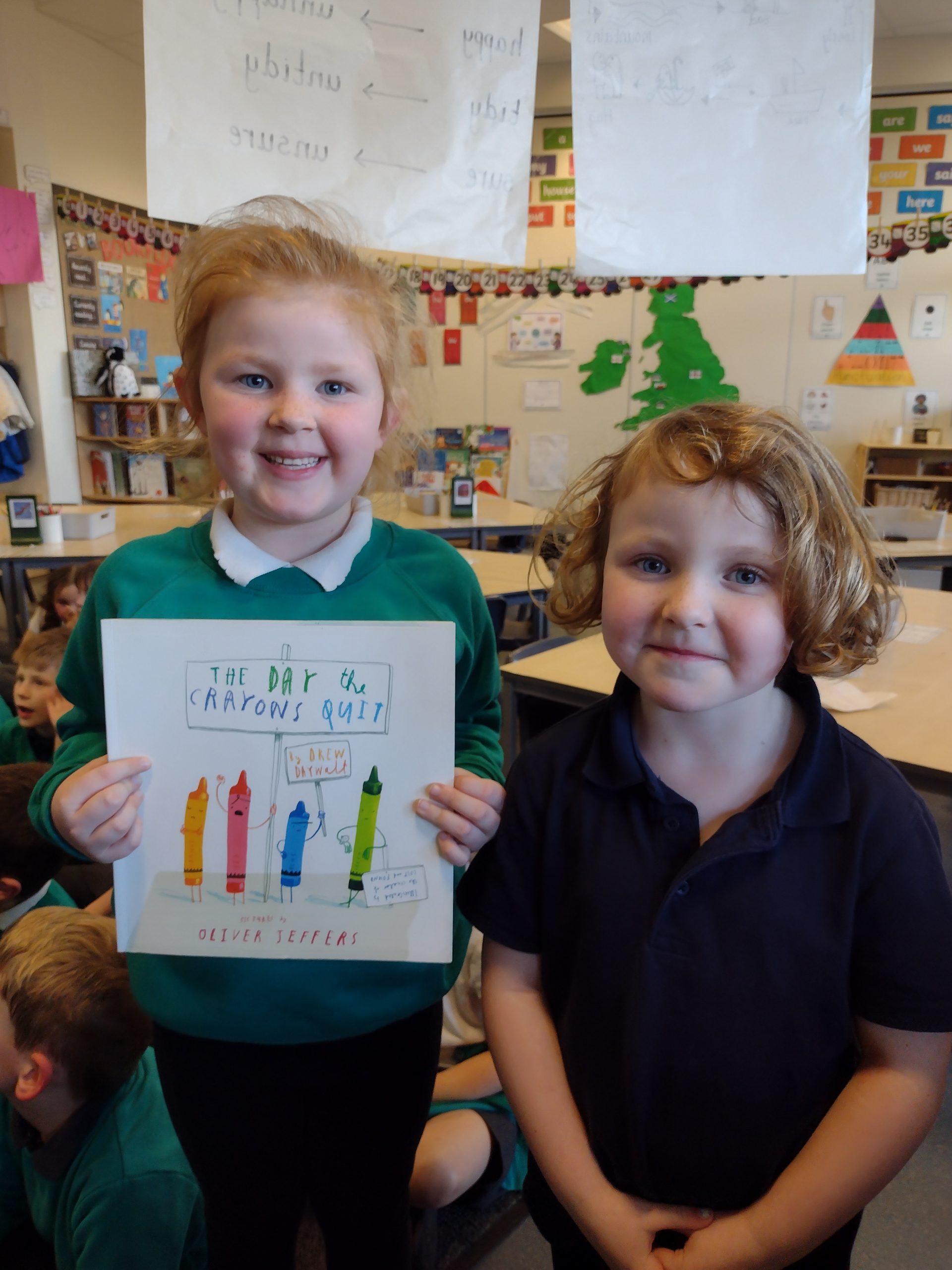
First the children looked at books that are special to them and identified their favourite stories. Next we discussed the messages these books can teach us.

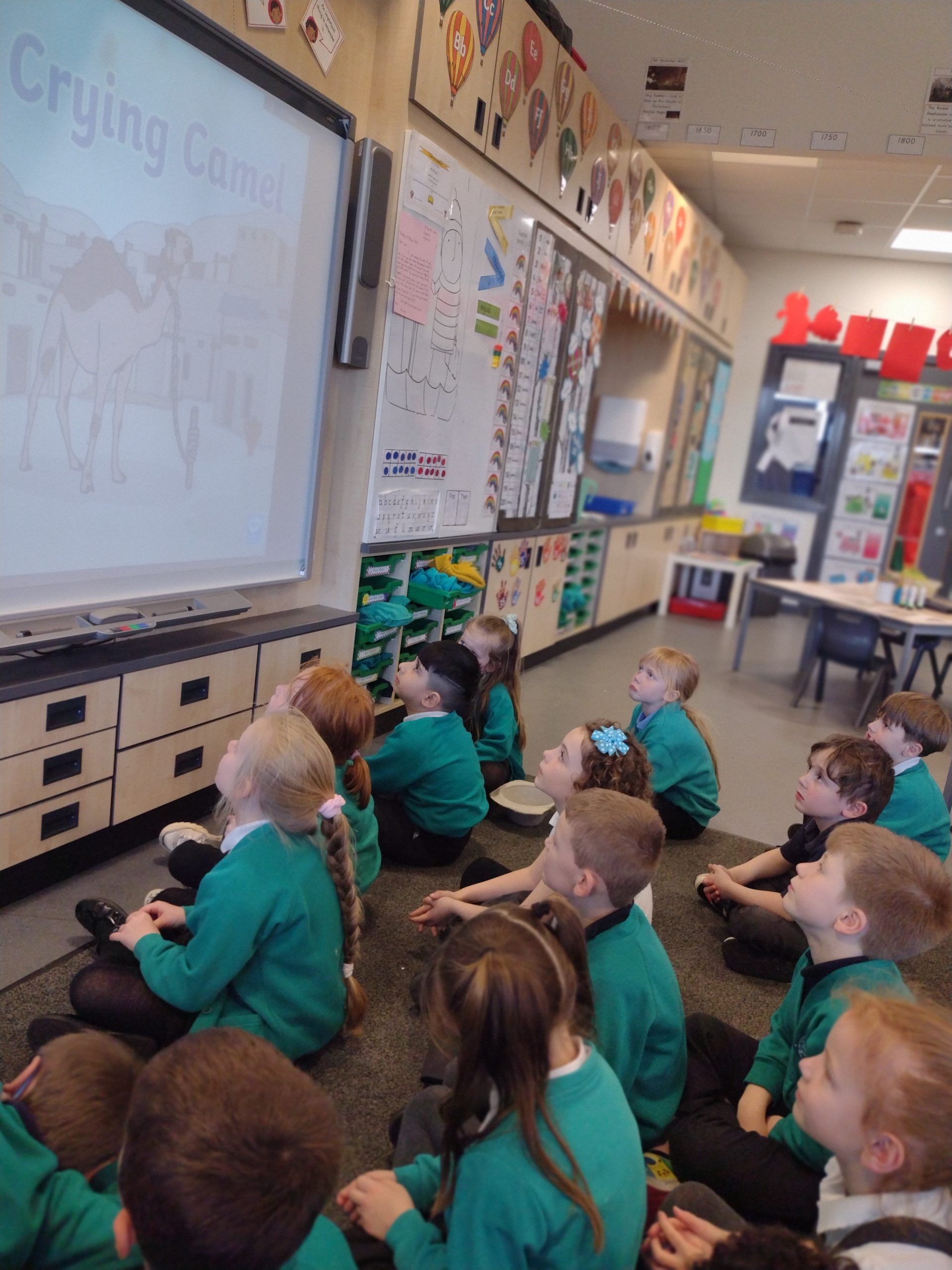
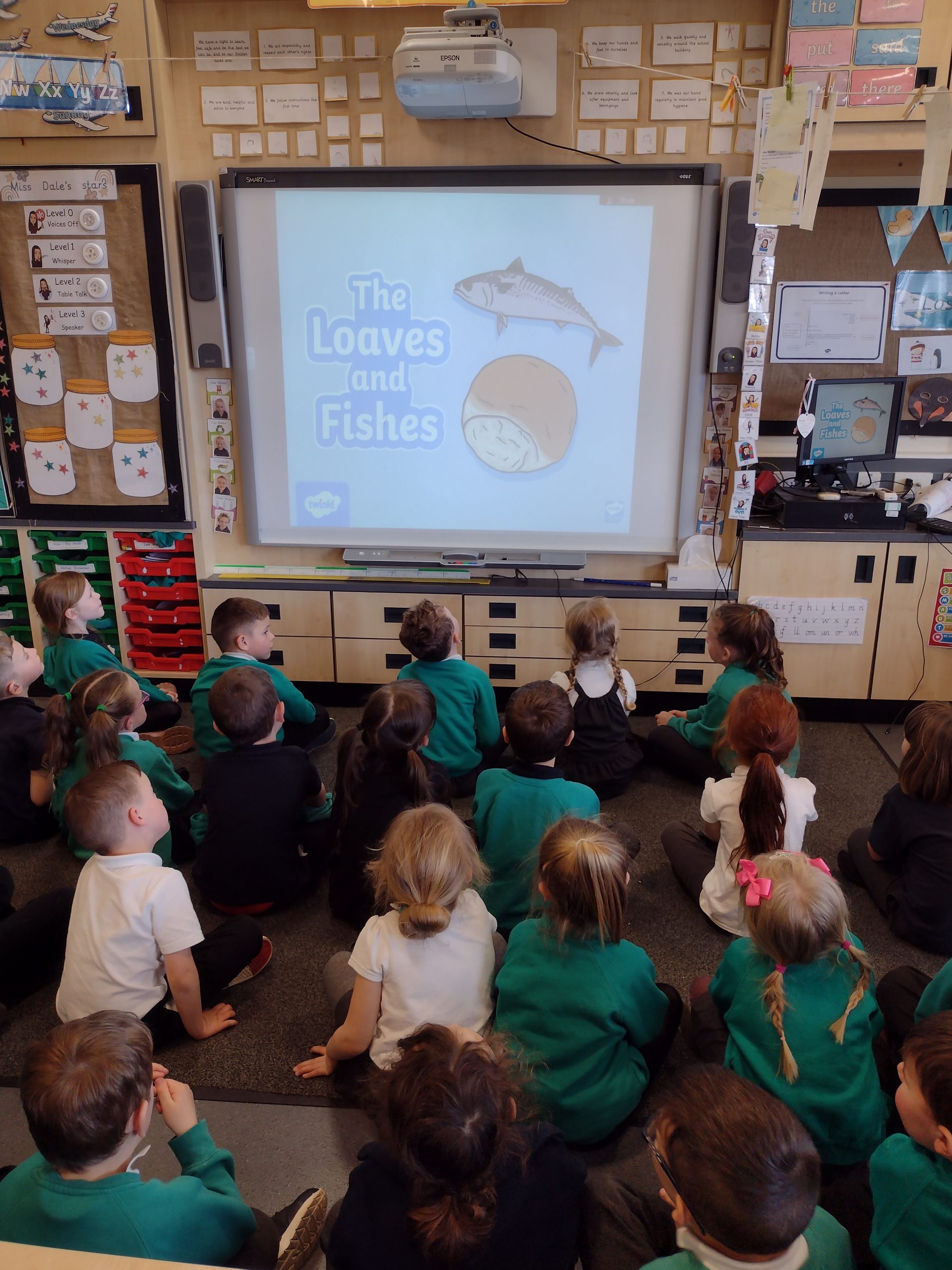
Then we discussed why religious books are sacred. The children learnt that the word sacred means something is special and connected to God. We looked at the story of ‘The loaves and fishes’ from the Bible. We then looked at ‘The crying camel’ from the Qur’an. We compared the messages that both of these books convey.


In the next lesson, the children had a discussion about why music is important to worship. We then listened to music from different religions and compared them. The children concluded that songs tell stories and music makes us happy.


Easter service

In today’s assembly the children were welcomed by the Reverend Copley who shared the meaning of Easter with the children. They were thoroughly engaged in his Easter message and loved the story about how Easter eggs should be empty just like the tomb that Jesus was placed in. All of the children listened eagerly as the message of Easter was shared in an engaging and practical way.

The Festival of ‘Holi’!

Holi

What a day F2 have had celebrating the exciting and fun festival of Holi in religious studies!

Today our children all came to school wearing brightly coloured clothes ready to celebrate the festival of colour!

We have been discussing the traditional Hindu festival all week and the events that take place during this time of celebration. We spoke about the celebration welcoming in the beginnings of Spring and saying goodbye to the end of Winter. We talked about what the celebration meant to some people and how the festival symbolled new life, beginnings, love and hope!

We looked at where some people went to worship during this festival time and how some people celebrated with parties, paint throwing and dancing!

In the afternoon we had our very own paint throwing celebration! We created Rangoli patterns with Chalk, danced to some traditional Hindu music and raced our very own colour run across the field, flying our colourful flags and musical instruments! The afternoon was full of music, dance, creativity and merriment and the children definitely enjoyed experiencing this festival, labelling it their ‘favourite day at school’ to date!!!


Year 5 RE- What is lent?

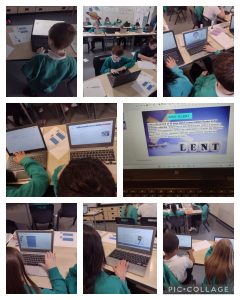
In year 5 we have been researching and finding out all about Lent, Shrove Tuesday and Ash Wednesday. The children have been focusing on the symbols that are used and how the Christian faith celebrates this religious event. They also looked at other activities that took part on this festive day such as the Ashbourne Royal Shrovetide Football match that takes place in Derbyshire.

F2 Pancake Day

We learnt about Shrove Tuesday, and what Christians do on this day.

The talked about Jesus and the time he spent fasting in the desert.

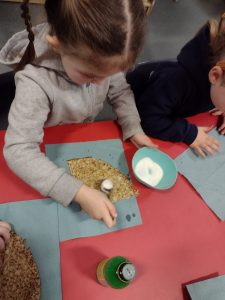
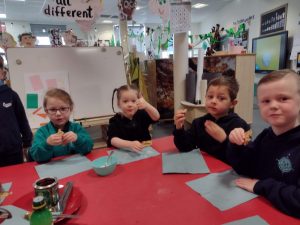
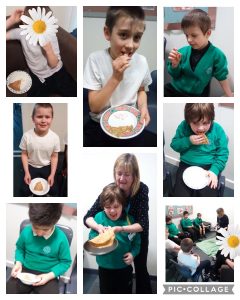
Then we ate pancakes. We chose our own topping and put them on the pancakes.

Some were very tricky to spread.


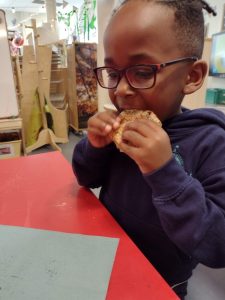
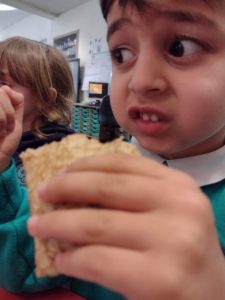
Most of us enjoyed trying the pancakes

 Some of us did not

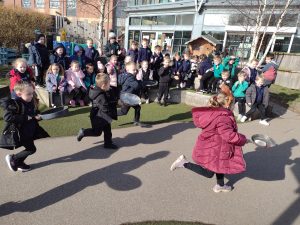
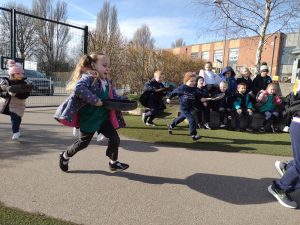
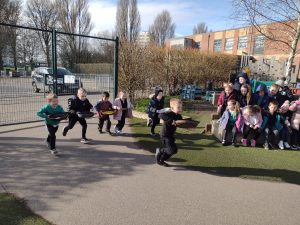
After we ate the pancakes we had pancake races in the garden.

This is a 600 year old tradition on Shrove Tuesday.

It’s great fun!

Year 4 PEOPLE WHO INSPIRE US – WHAT MAKES A SAINT?

Year 4 this term have been rather busy exploring and investigating the questions ‘What is a Saint?’ and  ‘How does a person become a Saint?’  In order to gain the answers to these significant questions we watched videoclips and listened to podcasts of children from other schools giving their own responses and from this deduced that a Saint is someone who is considered to be holy, kind, courageous and a special person who cared for and helped others in their lifetime. However, the children became rather confused to find that a person can only become a Saint after they have passed away therefore never knowing that they had been honored with such a title which our children thought rather unfair.

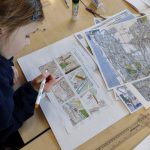
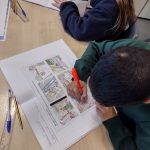
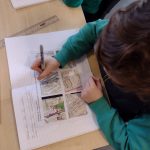
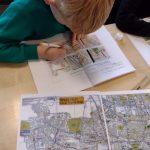
We then utilised our geographical skills and explored maps of our local and surrounding areas to identify locations which where named after significant Saints.

We identified streets (St Nicholas Avenue; St George’s Road; St Hilda Street), medical centres (St Andrew’s Group Practice), shopping centres and retail areas (St Stephen’s Shopping Centre and St Andrew’s Quay), churches (St Nicholas Church, All Saints Church and St Mark’s Church) and primary and secondary schools/Colleges (St Andrew’s Primary, St Vincent’s Primary, St Thomas More and St Mary’s College). From this we deduced that the councils who govern Hull and the surrounding areas must have recognised the importance of these individuals in order to name significant buildings and roads in our city after them.

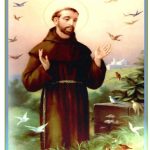
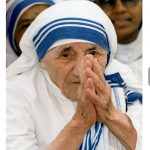
The children then explored the lives of significant Saints  – Saint Andrew, Saint Francis and Saint Teresa (Mother Teresa) and considered whether their ‘altruistic cause’ made them worthy of becoming a Saint.

We found that while Saint Andrew is the Patron Saint of Scotland, that he is also the Patron Saint of Fisherman, Fishmongers and Rope Makers. This further enabled the children to make links with Hull’s fishing heritage and understand why Saint Andrew is an important figure for our city. In addition, it was identified that Saint Andrew was a Christian and a disciple of Jesus whose altruistic cause was to continue teaching people about Christianity after Jesus’ death even though doing so led to his own crucifixion.

Saint Francis was a man who in his earlier life was quite selfish and cared only for himself until he heard the voice of God, which led to him giving his wealth away to the poor to become a holy man who lived a simplistic lifestyle. His altruistic cause was to do God’s work and care for others rather than himself. He is known as the Patron Saint of Animals and the Environment due to his ability to talk with nature.

The story of Saint Teresa leaving her family and homeland behind to commit her life to do God’s work in order help those who were less fortunate in Calcutta, India posed the question of whether we felt able to ever leave our own families never to see them again. We felt that Saint Teresa’s altruistic cause to do this was something that we would find hard to do and unanimously agreed that Saint Teresa was a very special person indeed.

In conclusion, we felt that each of these three magnificent individuals were truly worthy of becoming a Saint and deservedly so for their altruism and dedication to serve others in their lifetimes.

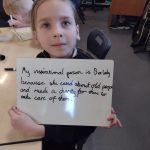
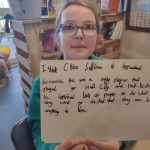
We then went on to explore some ‘inspirational people’ who either hailed from Hull or came to Hull and made it their home, while considering whether what they did during their lives for the city of Hull made them either a ‘Hero or a Saint‘:

Bilocca (Fishing Safety Campaigner)
Jean Bishop – The Bee Lady (Charitable Fundraiser)
Clive Sullivan (Sporting Legend)
Sir Leo Schultz (WWII Air Raid Shelter Campaigner)
Phillip Larkin (Poet Laureate)
Amy Johnson (Solo Aviator)
William Wilberforce (Slavery Abolishment Campaigner)

After hearing the significant stories about these ‘inspirational people’ the children agreed that what they did in their lifetime had a considerable positive impact on our city and for this they were all Heroes: however, now that they have sadly passed away that they are all worthy of being recognised as Saints for their own altruistic causes to put the needs of others before themselves.

Well done Year 4 for your super attitude to learning this term!
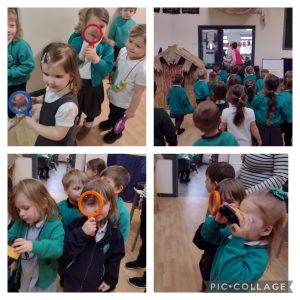
Shrove Tuesday!

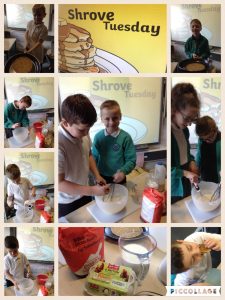
After learning all about Shrove Tuesday we measured, sieved, cracked, pored, mixed, cooked, tossed, spread then tasted our delicious pancakes.

Mmmmmmm yum yum!!!!!!!!


YEAR 3 FOUNDERS OF FAITH – WHO, WHAT, WHERE?

Year 3 this term have been considering the concept of ‘Leadership’ and the qualities an individual needs to possess to be considered a ‘good leader.’  Upon lots of discussion, the children agreed that a leader (Religious or Non-Religious) should be kind, fair, honest, trustworthy, respectful and compassionate to name a few. From this, the children then compared some key religious figures who have been described as ‘Founders of their Faith.’

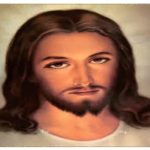
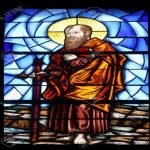
Firstly, Jesus (Founder of Christianity) and Saint Paul (a man who converted to Christianity) were compared.

The children found that whilst Jesus was a kindhearted, well respected, caring and forgiving man throughout his whole life that in contrast Paul was quite indeed the opposite until he converted to Christianity upon hearing Jesus’ voice call to him.  This allowed the children to identify that people can change their ways and turn their lives around for the good of themselves and others.

Further comparisons were made between the founders of Buddhism and Sikhism including the life of the Prophet Muhammed (Pbuh) who was a follower of Islam.

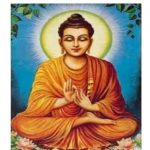
The children learnt the Prince Siddhartha, who lived a privileged life, naively believed everyone lived like him and had wealth in abundance, the richness of good health and the ability to live forever. However, upon leaving his palace walls he saw that this was not the case and that people were suffering from illness, old age, homelessness and that life did not go on forever. His findings resulted in him leaving his rich lifestyle as a Prince to live a simplistic lifestyle as a monk meditating until he became enlightened. Siddhartha changed his name to Buddha, Founder of the Buddhist Faith and  finding his reward in helping and teaching others to understand that we should be happy with what we have, help others where we can and not want for more.

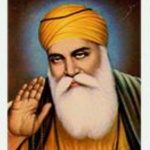
In comparison, the children found that Nanak, as a young boy, was very inquisitive and wanted to know what the world would be like  without all the fighting and suffering that was going on and why people argued and had differing opinions of God and religion. He wanted to find a better way to live so that everyone could get along better together irrelevant of their race, gender, religion and beliefs. He became enlightened as a young man upon his own meeting with God which saw him give up all his wealth and sharing it with those who were less fortunate. Nanak soon became known as Guru Nanak, the Founder of Sikhism (Guru meaning Teacher) travelling and sharing God’s message which is that God sees everyone as equal and that wealth, gender and age does not matter and that people should live peacefully in our world together.

We then explored the life of the Prophet Muhammed (Pbuh), who as a follower of Islam, is believed to have been chosen by Allah as his Prophet because he was a respected, wise and fair man who cared deeply for his people. During the Islamic Festival of Ramadan, Prophet Muhammad (Pbuh) would take himself off to the mountains to think about his people, wondering why they argued amongst themselves and why some of his people were rich whilst others were poor.

After listening to each of the stories of these three key religious figures, the children in Year 3 concluded that despite Prince Siddhartha’s earlier naivety, they were all kind, selfless, caring religious leaders who put others before themselves and wanted the world to be a better place for everyone.


Year 2 have been looking at famous people and what they are committed to.

They looked at Mo Farrah, Greta Thunberg, Sir Tom Moore and Marcus Rashford and discussed what they were committed to. What did they want to improve? What did they believe in?

Children then thought about what our school could be committed to. What is important to work on to make our school be the best place it can be?

Children worked in teams to think of some fantastic ideas.