In lesson today, year 5’s really delved into the question what do I believe in? They came up with some amazing answers including self belief, believing in peace and hope along with kindness and understanding. They were able to compare their beliefs with people who have faith and what they believe, and were able to see lots of similarities between peoples faith and their own worldviews.
Category : RE
Post RE content here
In todays lesson, Year 5 discussed the different people who they listen to and follow advice from in their lives. We discussed why we listen to certain people and maybe not listen to others. Whilst comparing our answers, we thought about if people of faith would have similar people that they listened to and were able to justify why they might have similar thoughts to others. Within the lesson, we looked at who would also inspire us. By looking at some well known inspirational people and looking at some less known we talked about if some deeds were better than others. The children came up with the conclusion that not everyone who inspires us has to be in the public eye and that everyone can be an inspiration no matter their beliefs or faith.
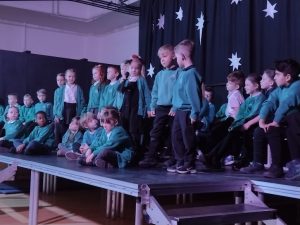
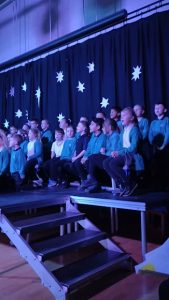
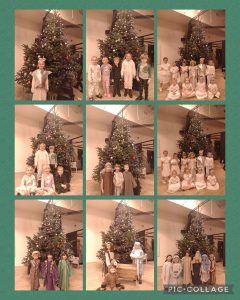
To finish the Autumn Term, Year 2 have taken part in a Christmas service.
We have spent time over the term learning carols to sing. We have appraised and listened to the music, tune and words. We have talked about how calming some carols are such as Away in a Manger and how soft these songs are. The music is slow and gentle and it made us feel relaxed.
We practised these songs before we performed to an audience.
As part of our Christmas Service we also re-told the story of Mary and Joseph and their journey to Bethlehem for Jesus’ birth.
We each told a piece of the story to recount how Gabriel had appeared to Mary before Their Journey to Bethlehem and how the Shepherds and Wise Men followed a star to find a stable with Jesus.
We were very excited as we had a special visitor to watch our performance. The Vicar from St Nicholas Church came to watch us and led us in prayer to remember Jesus.
Throughout December the children have identified what senses they use to recognise the signs which tell us that Christmas is coming.
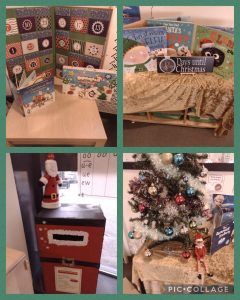
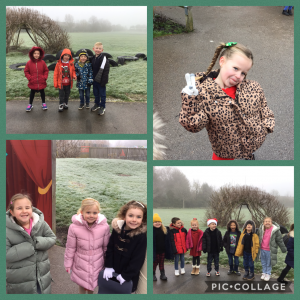
‘I know it’s Christmas when we put our tree up and the elf comes and does cheeky stuff.’,
‘I can see lights and decorations everywhere.’
‘We open our calendars to countdown to Christmas day and eat a chocolate everyday.’
‘I know Christmas is going to be soon when it feels cold and it’s frosty and slippery outside. I need to wear my coat, hat and gloves everyday.’
The children also celebrated with a delicious Christmas dinner and Christmas party.
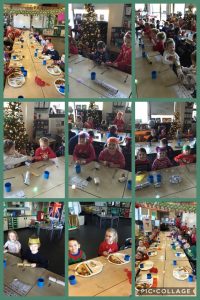
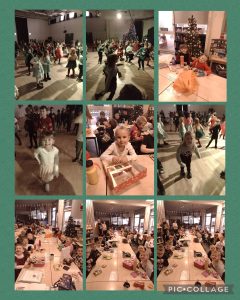
‘I love eating yummy turkey and sausages with my Christmas dinner.’
‘I can’t wait to hear my cracker go bang and put my party hat on.’
‘I like the smell of hot chocolate when it’s cold outside’
‘My favourite songs are Christmas songs, I like to sing along to them and dance.’
Finally, the children learnt about why Christians celebrate Christmas, performing a traditional nativity.
In today’s lesson the children considered what peace means and how this concept links to Jesus. They investigated how the message of Christmas is celebrated around the world and explored festivals of peace that are celebrated throughout the year. The children particularly enjoyed looking at how different Christmas traditions were done in different countries due to culture, nationality and ethnicity. We were able to draw on children’s experience within the class about how they will/will not be celebrating Christmas or how they will be doing something similar/different to others due to their beliefs. The children were able to look at Christmas through the faiths we have in the classroom: Islam, Christianity and Jehovah Witness.
In the lesson today year 5 looked at how Christians celebrate Christmas and debated the message it brings for the Christian faith. We looked at a variety of sources of evidence about how Christians around the world may celebrate differing traditions and looked at what was similar and what was different. We talked about how in our class the children may be celebrating Christmas and how a person of faiths house may be different to their own. We also discussed as a class about those who do not celebrate Christmas and how their lives might be like at this time.
This week in RE, year 1 learnt about and compared different wedding traditions. They looked into Christian, Muslim and Humanist celebrations.
In Christian weddings, the children discovered that couples exchange rings and make promises to each other and God.
At a Humanist wedding, people celebrate with their friends and family and light a unity candle which represents the joining of two families.
A Muslim wedding is often bright and colourful and can last up to three days. The night before the wedding, a brides hands are decorated with henna to wish her good luck and good health.
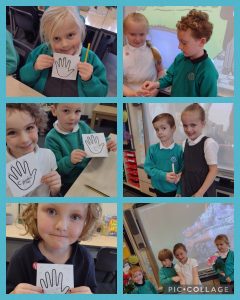
Year 3/4 have been commemorating Remembrance Day by reflecting on the meaning of this significant occasion and exploring the symbolic meaning of the different coloured poppies which we wear.
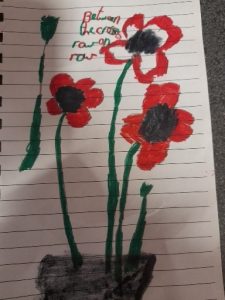
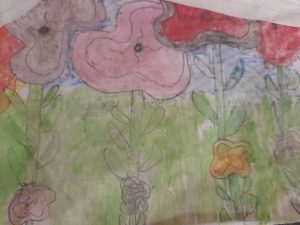
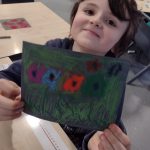
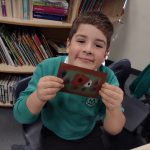
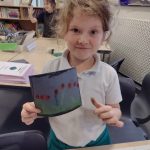
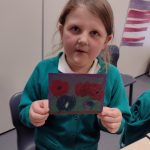
Year 3, reflected on the reasons why we remember and the sacrifices that were made by so many men, women and civilians in World War I and World War II. We also shared our knowledge of conflicts which have happened, and continue to happen, since those significant Wars and understand that the poppy, which grew in the battlefields many years ago, continues to be is a symbol of hope today. From this, the children created their own Poppy Field artwork using a range of oil pastels:
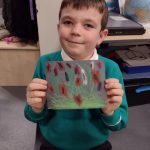
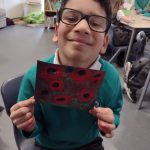
Year 4 explored the significance of the red, black, purple and white poppies that we seen been worn with pride for Remembrance Day each year.
The Red Poppy is a symbol of remembrance and hope and commemorates those who sacrificed their lives in World War I as well as conflicts which have followed. It is a symbol that belongs to the Royal British Legion, which is a charity that was created by veterans of World War I. This significant symbol was first worn in the first Remembrace Day on November 11th, 1919.
The Black Poppy Rose, a charity that was launched in 2010, commemorates servicemen, servicewomen and civilians from the Black, African and Caribbean communities who also contributed to the war effort and continue to do so today.
The Purple Poppy, created by the Animal Purple Poppy Fund, is worn to remember the animals, such as horses, pigeons and dogs which also contributed, and fell victim, to the war effort
The White Poppy is a symbol of peace and commemorates all of the servicepeople and civilians who died as a result of war. The charity, Peace Pledge Union, promote peace and aim to challenge and alter the way we look at war and conflict.
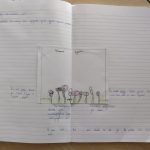
Through discussion, we reached the conclusion that it is an individual’s personal choice to wear a poppy and one that should not be judged. From this the children sketched their own poppy scenes which displayed an array of poppies of the four colours:
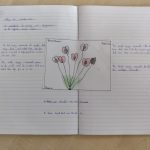
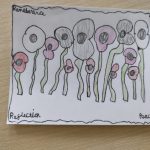
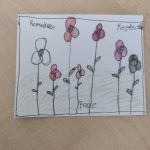
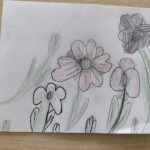
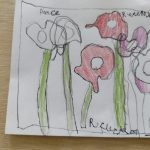
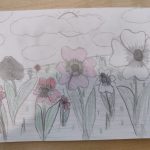
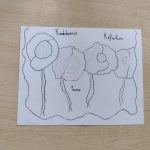
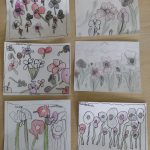
‘Reflection, Remembrance and Peace’ were Y4’s words of the day in honour of all conflicts past and present: WE SHALL REMEMBER THEM
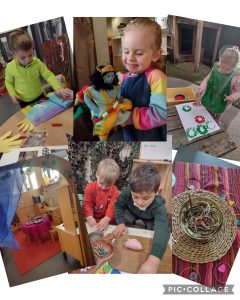
For our ‘I wonder Wednesday’ this week we had lots of fun learning all about Diwali✨
Poppies are worn as a show of support for the Armed Forces community.
The poppy is a well-known and well-established symbol, one that carries a wealth of history and meaning with it. Wearing a poppy is still a very personal choice, reflecting individual experiences and personal memories. It is never compulsory but is greatly appreciated by those who it is intended to support.
But what is the inspiration and history behind the poppy becoming a symbol of Remembrance?
The Western Front
During WW1, much of the fighting took place in Western Europe. The countryside was blasted, bombed and fought over repeatedly. Previously beautiful landscapes turned to mud; bleak and barren scenes where little or nothing could grow.
Fields of Poppies
There was a notable and striking exception to the bleakness – the bright red Flanders poppies. These resilient flowers flourished in the middle of so much chaos and destruction, growing in the thousands upon thousands.
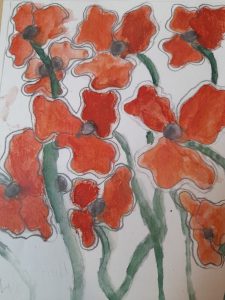
Year 6 have created their own piece of art work ; each one a personal symbol of Remembrance.
Browse through our Remembrance Gallery
.
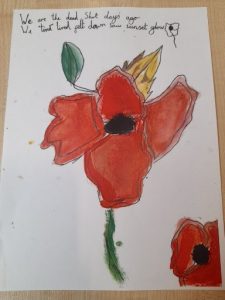
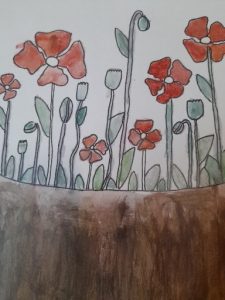
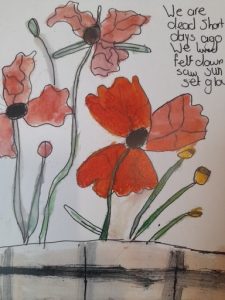
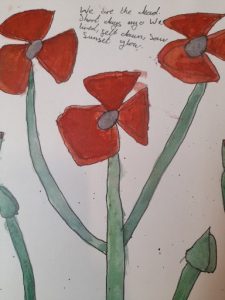
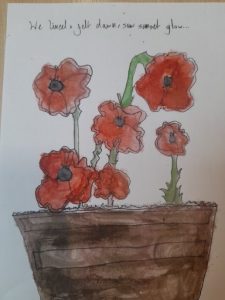
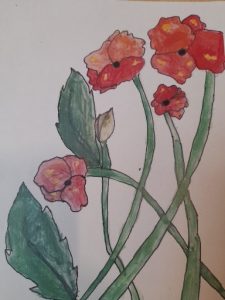
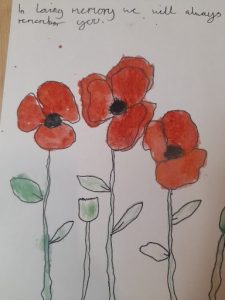
Some stunning pieces of art !!!
Inspired by the lesson, two children went home and created more work !!!
Thank you Jessica and Jessie.