Year 3 this term have been considering the concept of ‘Leadership’ and the qualities an individual needs to possess to be considered a ‘good leader.’ Upon lots of discussion, the children agreed that a leader (Religious or Non-Religious) should be kind, fair, honest, trustworthy, respectful and compassionate to name a few. From this, the children then compared some key religious figures who have been described as ‘Founders of their Faith.’
Firstly, Jesus (Founder of Christianity) and Saint Paul (a man who converted to Christianity) were compared.
-
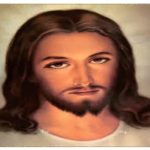
- Jesus was the Founder of Christianity
-
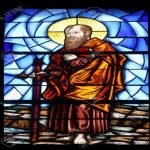
- Saint Paul was a man who converted to Christianity and became a Saint after he had died due to his religious cause. to teach others about Jesus
The children found that whilst Jesus was a kindhearted, well respected, caring and forgiving man throughout his whole life that in contrast Paul was quite indeed the opposite until he converted to Christianity upon hearing Jesus’ voice call to him. This allowed the children to identify that people can change their ways and turn their lives around for the good of themselves and others.
Further comparisons were made between the founders of Buddhism and Sikhism including the life of the Prophet Muhammed (Pbuh) who was a follower of Islam.
-
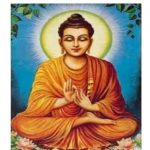
- Prince Siddartha was the Founder of Buddhism and became known as The Buddha
-
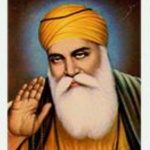
- Guru Nanak was the Founder of Sikhism
The children learnt the Prince Siddhartha, who lived a privileged life, naively believed everyone lived like him and had wealth in abundance, the richness of good health and the ability to live forever. However, upon leaving his palace walls he saw that this was not the case and that people were suffering from illness, old age, homelessness and that life did not go on forever. His findings resulted in him leaving his rich lifestyle as a Prince to live a simplistic lifestyle as a monk meditating until he became enlightened. Siddhartha changed his name to Buddha, Founder of the Buddhist Faith and finding his reward in helping and teaching others to understand that we should be happy with what we have, help others where we can and not want for more.
In comparison, the children found that Nanak, as a young boy, was very inquisitive and wanted to know what the world would be like without all the fighting and suffering that was going on and why people argued and had differing opinions of God and religion. He wanted to find a better way to live so that everyone could get along better together irrelevant of their race, gender, religion and beliefs. He became enlightened as a young man upon his own meeting with God which saw him give up all his wealth and sharing it with those who were less fortunate. Nanak soon became known as Guru Nanak, the Founder of Sikhism (Guru meaning Teacher) travelling and sharing God’s message which is that God sees everyone as equal and that wealth, gender and age does not matter and that people should live peacefully in our world together.
We then explored the life of the Prophet Muhammed (Pbuh), who as a follower of Islam, is believed to have been chosen by Allah as his Prophet because he was a respected, wise and fair man who cared deeply for his people. During the Islamic Festival of Ramadan, Prophet Muhammad (Pbuh) would take himself off to the mountains to think about his people, wondering why they argued amongst themselves and why some of his people were rich whilst others were poor.
After listening to each of the stories of these three key religious figures, the children in Year 3 concluded that despite Prince Siddhartha’s earlier naivety, they were all kind, selfless, caring religious leaders who put others before themselves and wanted the world to be a better place for everyone.