YEAR 1 – RE

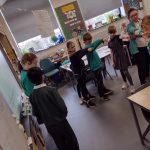
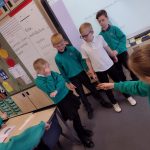
This week we have been looking at promises. 

First, we learned that a promise is an agreement to do or not do something.  

The children spoke about some promises they had made.  Some said they had made ‘pinkie promises’ to their friends and parents, and some said they had made promises at their Beaver and Rainbow groups.

Then we read  ‘Abraham and Sarah’ which is a story from the bible. It tells of how God made Abraham a promise. He promised to give Sarah and Abraham a child and many descendants if they moved from where they were living to a new land.  They did, and they had a son called Isaac. God kept his promise to them, proving he was dependable and faithful.

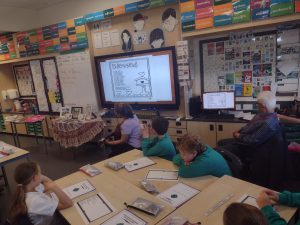
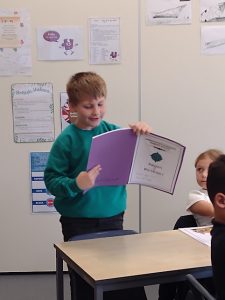
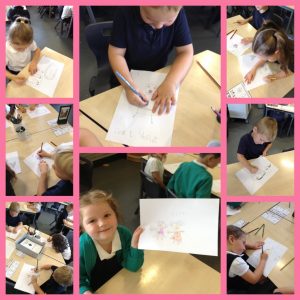
Finally, the children made their own promise vouchers.

Ronnie promised to always share.

Bella promised to always do her homework.

Savannah promised to never chat back to grown-ups.

Chester promised to sleep in his bed all night.

Albie promised to never touch the ball when his coach is talking.

All the children thought carefully about their promises and they understood the importance of keeping them.
Year 1 – RE

This week we have been looking at values.

We learned that values are group of things that are important – such as honesty, good manners, kindness, determination.

I reminded the children of our school’s RESPECT values:-

          Resilient, Enthusiastic, Safe, Perseverance, Empathetic, Confident and Tolerant.                We discussed the meaning of each of these values.

We discovered that many values come from holy books, like the bible, which Christians and Jews believe in, and that it is a sacred text. 

Last week we listened to the 10 Commandments last week and this week we listened to the story of The Good Samaritan. Both of these are stories from the bible.

The children were ‘shocked’ and ‘sad’ that people left the man at first.  We shared our thoughts on what we would do if we saw someone we didn’t know, hurt and in need of help – Mason said “I would give my coat to keep them warm”, Jessica said “you could call for an ambulance” and Harley said “you should always help any people if they’re hurt”.

The learning we took from this lesson was, that although people may have different beliefs and different gods, places of worship and bibles – we should all share the same values and be kind to everyone regardless. 

Year 1 – RE

This week we have been looking at rules and why we need them.

We discussed that ‘rules keep us safe and make sure that everyone is treated fairly’.

The children knew that school, family and sports clubs often have the same rules.

Tilly told us that “don’t hurt anyone, have kind hands”, is a school rule, but we all agreed that this is also a family and a sports club rule.

We then listened to the story of Moses and how God gave him the 10 Commandments. The commandments were the rules for all people to follow and live a good life by.

When we looked at the 10 commandments, the children could understand their importance in life today, even though they were from the Bible that was written a long, long time ago.

Year 1 then designed a poster of a rule which was most important to them. We decided that be kind’ and ‘always try your best’ were the most important rules to follow.

Today, year 5 were lucky enough to have a visit from members of the Bahai faith who explained how they expressed their faith. The children were able to understand and explore the Bahai faith. They asked excellent questions about the faith and were wowed with the religious beliefs that they held (equality and unity). The children really enjoyed looking at the different places of worship where people of the Bahai faith have services.

Year 1 – RE

Year 1 have previously looked at what belonging and faith means to ourselves and others.

We have discovered that there are different religions, with different gods, different places of worship, different festivals and different rituals.

Year 1 had already learnt that Christian’s celebrate Jesus’ birth on Christmas Day, so this week we looked at two different festivals from different faiths.

The Hindu festival of Holi

  • Holi is a festival celebrated by people who belong to the Hindu religion. It takes place in March.
  • It marks the start of spring and is sometimes known as the Festival of Colour. It celebrates good winning over evil.
  • Everyone chases each other with dry powder paint and coloured water.
  • People sing, dance and have fun together, no matter who they are.
  • Bonfires remind people that the winter days are coming to an end and warmth and light are coming.

The Jewish festival of Passover

  • Passover is celebrated by Jewish people, who remember how the Israelite people were freed from slavery by Moses over 3000 years ago.​
  • Passover is celebrated for seven or eight days.​
  • On the evening before Passover begins, there is a special service called a Seder where there is a special plate with different food that symbolises different things.​
  • At the Seder meal, three matzot breads are placed on top of each other. The middle matzah is broken and the biggest piece is hidden.​Children hunt for the matzah and to win a prize.​

We discussed both festivals, the children loved the ‘excitement and fun’ of Holi, but thought the Passover story of Moses parting the Red Sea was ‘amazing’.  The children understood that although the festivals were very different, they were equally important to the people of that faith.

Click the links below to share with your child their learning about Holi and Passover festivals:-

https://www.youtube.com/watch?v=wTfYhG2mOSA

https://www.youtube.com/watch?v=QF84Wx0dGTg 


Harvest

This week in our religion lesson, Year 3 have been talking about Harvest.

We recalled all the in formation we knew about Harvest. We could recall how farmers Harvest their crops and then store it for use throughout the winter. We talked about Christian church services and how Christians give thanks to God. We could also recall how Christians then help others by giving away food that is collected during Harvest services.

We found out that this years harvest moon was on 28th September and Christians celebrated this on Sunday 1st October.

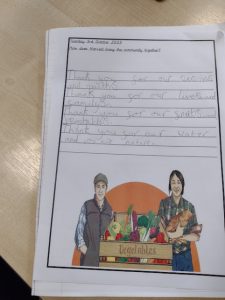
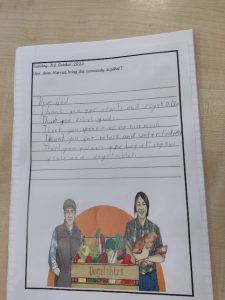
We looked at some different Christian prayers for Harvest and realised they all  say thank you for different things. Some thanked farmers, some thanked God and some thanked shop workers and adult who cook.

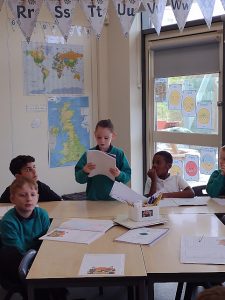
Year 3 decided to write their own Harvest prayers to give thanks for important things to them during Harvest. We then performed these prayers to each other.

|Year 1 RE

Year 1 have been thinking about what the word belonging means.

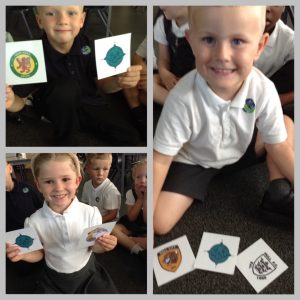
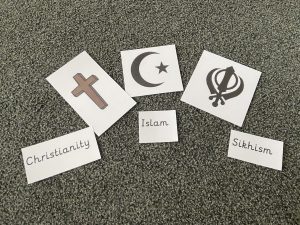
We might belong to schools, families, groups and faiths … we looked at the different symbols that represent these.

Some of us belong to different clubs, but we all belong to Christopher Pickering Primary School.

We looked at the Christian, Muslim and Sikh faiths… how they all have places of worship and a God that they pray to.

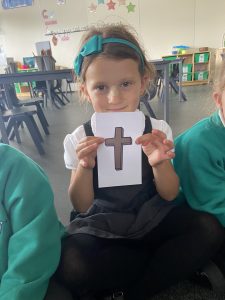
We discussed the Christian church, Olivia went to church for her baby brothers christening, she remembers that the vicar “made a cross with the water on his head”.

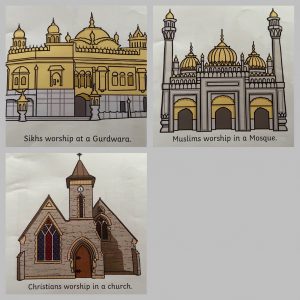
We looked at different places of worship, the children thought the Muslim mosque  looked very fancy, some recognised a Christian Church and we discovered that Sikhs worshiped at a Gurdwara.

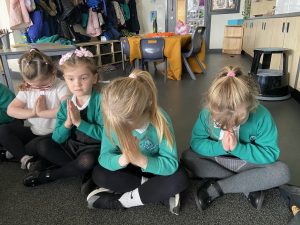
We spoke about praying, Mason knew that “Mrs Marson says a prayer at the end of assembly, we put our hands together and close our eyes”.

We thought of when we might pray, if you’re sad, missing your Dad or if some one in your family is ill. We all shared some special prayers together.

We also looked at clothing that different faiths wear, learning that Sikh boys cover their heads with a Romala and that Muslim girls wear a Hijab.

We looked at the similarities and differences between different faiths. The children discovered that both Christian and Sikh children have places of worship where they can go to pray to their own God.

People may have different beliefs and Gods that they worship, we may wear different clothes and pray in different ways in different places, but everyone is special.

Year 5 RE – Pilgrimages of different faiths

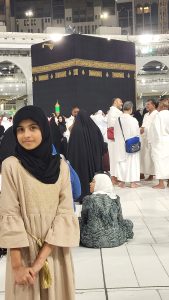
In today’s lesson the children looked at different pilgrimages that occur throughout differing faiths. The children were able to compare the places and activities that occur and were able to explain how they were similar and different. Fatima was able to explain to the rest of the class about her pilgrimage to Mecca for the Islamic celebration Hajj. The children really enjoyed looking at similarities between Hajj and the Jewish pilgrimage to the Western Wall in Jerusalem.

Why is the world special?

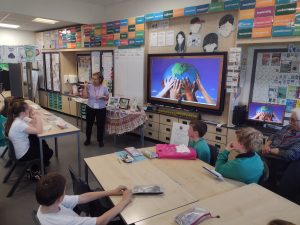
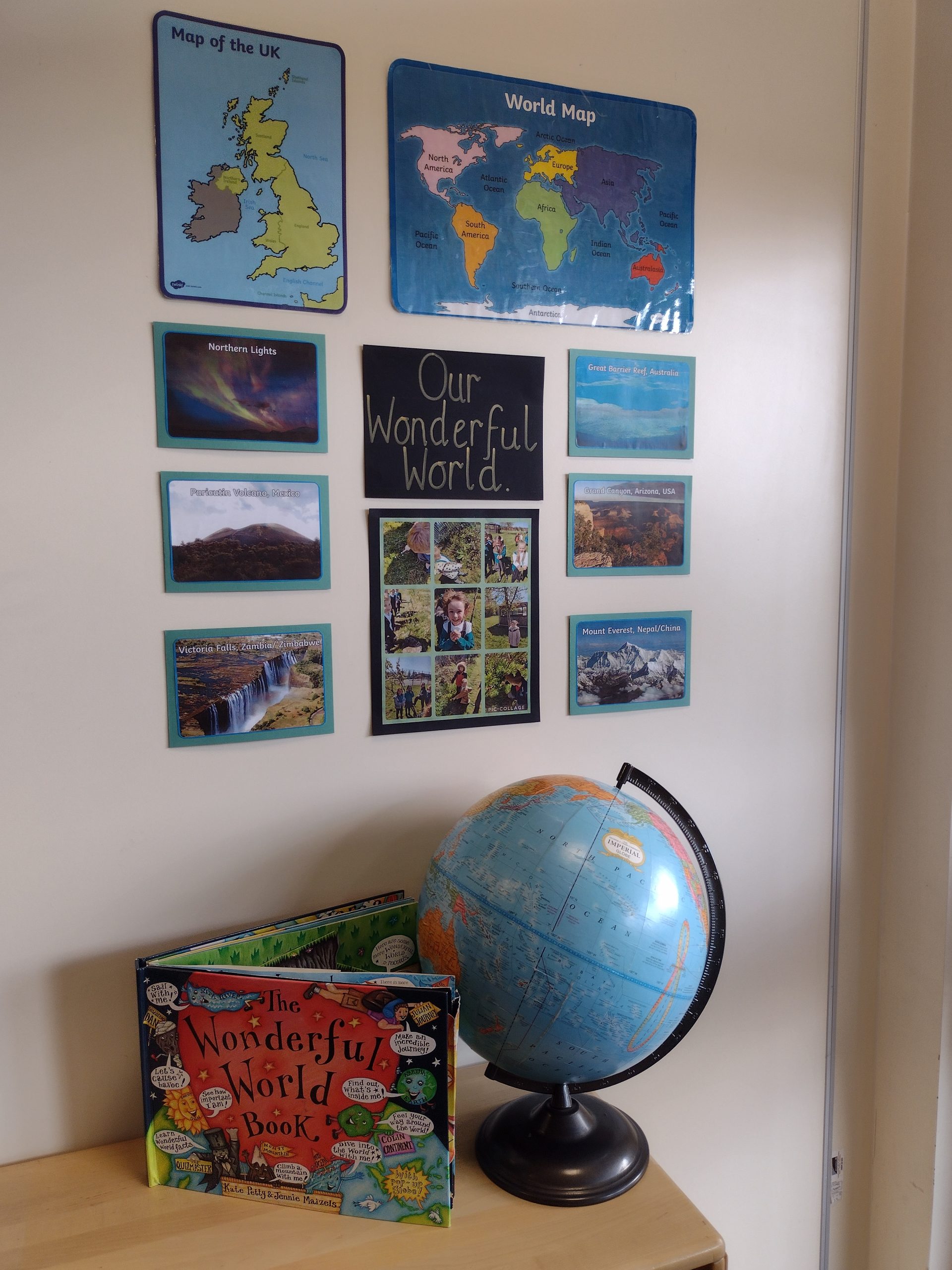
In year 1 this term, the children are exploring why the world is special.

For our first lesson, the children looked at some of the natural wonders of the world and discussed why these are special.

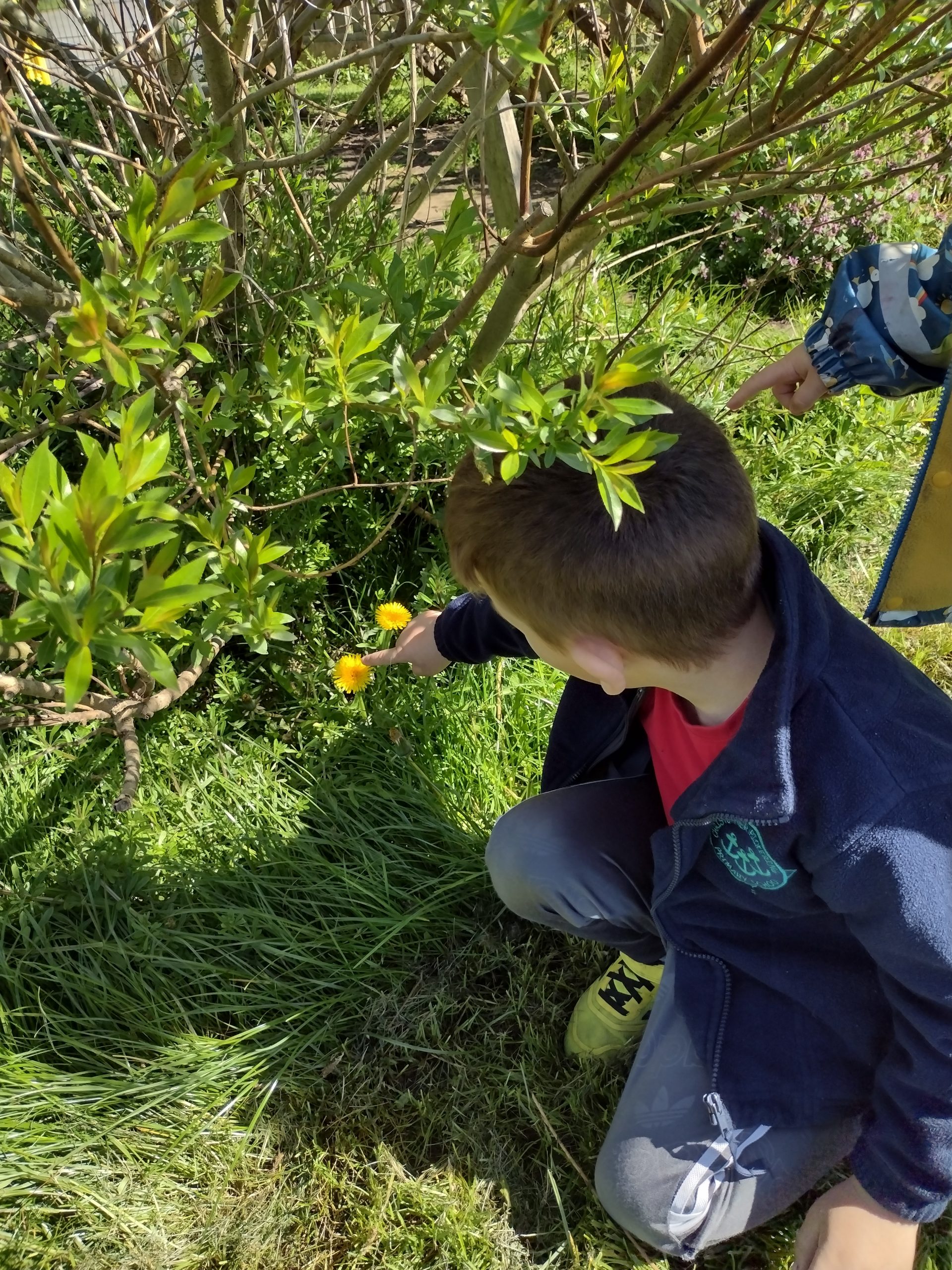
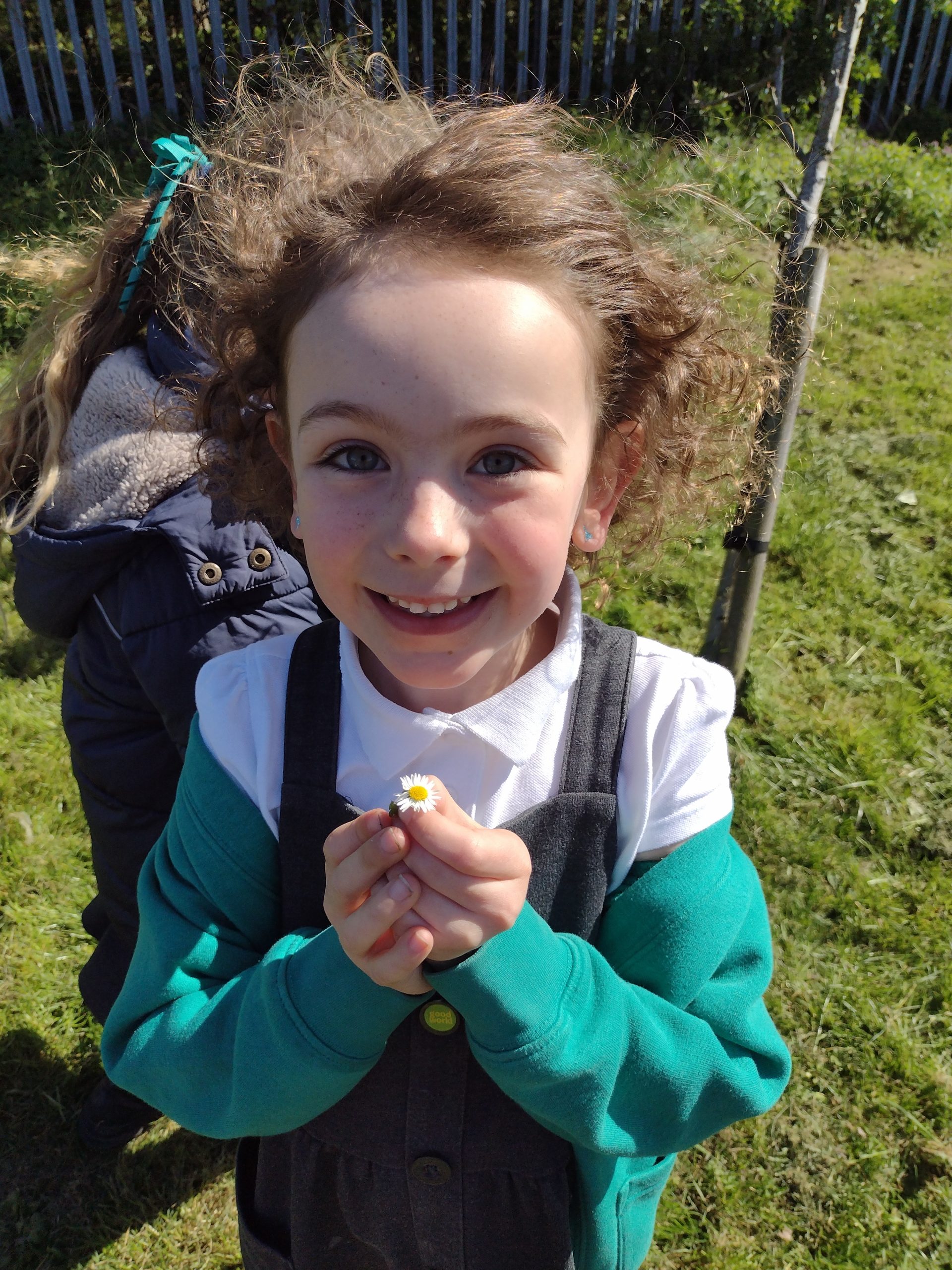
We then explored the school grounds and identified things which they thought were wonderful.


In the second lesson, the children listened to, appraised and learnt the song ‘What a wonderful world’ by Louise Armstrong.

IMG_0760[2]

They also suggested ideas to keep the world precious.

Frank commented that ‘We shouldn’t litter as it might kill animals’.

Cody suggested ‘We need to put everything in the bin’.

Amelia said ‘Trees are like lungs so we need to tidy up.’

Rellie explained ‘The word precious means we need to look after something’.

EASTER

This term Years 3 and 4 have been exploring the events of Holy Week from different aspects of events within the Christian celebration.

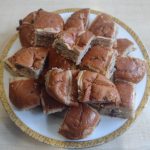
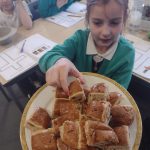
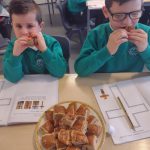
Year 3 explored why the cross is a significant symbol for Christians and what Jesus’ sacrifice taught the world.  Through many discussions, we identified the ranging emotions that the followers of Jesus felt throughout the events of Holy Week (Palm Sunday – Happiness and Joy; Maundy Thursday – Solemness and Guilt; Good Friday – Bravery and grief; Easter Sunday – Confusion, Great Joy and wonder) which further showed how important Jesus was, and continues to be for the followers of Christianity. We also learnt that Jesus sacrificed himself on the cross to show the world that we should not be afraid of death and from this created our own El Salvadore Crosses to depict our own ‘Crosses of Hope’. To conclude this unit of learning, we explored the symbolic meaning of the traditional Easter  ‘Hot Cross Bun’ before sampling…Yum!

Year 4 explored the symbolic meaning of the Bread and Wine shared by Jesus with his disciples at the Last Supper on Maundy Thursday as well as the meaning of the Paschal Candle which is lit in Christian churches around the world on Palm Sunday. Through discussion, we identified that Jesus knew he was going to die, which is why when sharing the bread Jesus described it as ‘his body which was soon to be broken’ and that the wine was ‘his blood that would be shared out for the followers of Christianity’. We then concluded that Christians continue to recognise that Jesus is the ‘Light of the World’ which is demonstrated by the lighting of the ‘Paschal Candle‘ throughout the Easter celebration of Holy Week.

We also explored the concept of ‘Betrayal and Guilt’ in light of ‘Judas’ betrayal of Jesus’ on Maundy Thursday as well as the ‘Denial of Peter’ on the same day. This brought about some interesting  discussions and conflicting opinions with the conclusion that these two individuals only did what they thought what was right at the time.  After viewing ‘Peter’s Denial’ through various artforms, the children worked collaboratively to re-enact this scene through role play in which we aimed to convey the emotions of ‘guilt, shame, despair and confusion’.

Super work this Term Years 3 and 4 and a Happy Easter!