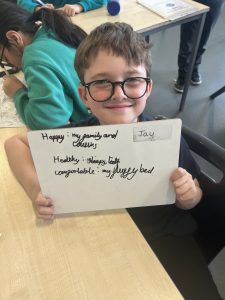
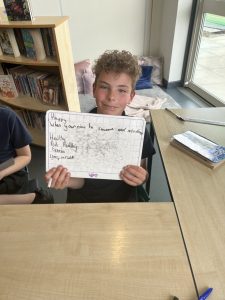
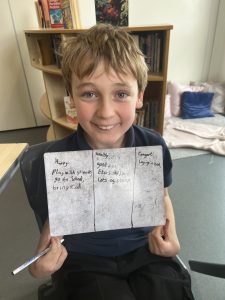
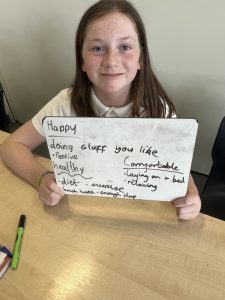
As it is Mental Health Awareness Week, Miss Mead’s class have been discussing how we can remain happy, healthy and comfortable in our daily lives. We came up with lots of ideas of what makes us feel safe!
Post PSHCE content here
As it is Mental Health Awareness Week, Miss Mead’s class have been discussing how we can remain happy, healthy and comfortable in our daily lives. We came up with lots of ideas of what makes us feel safe!
Y4 have been having discussions about loneliness and considering the difference of being alone as opposed to being lonely. All agreed that it is often nice to have some ‘Me Time’ alone doing the things we enjoy (reading, colouring, drawing, listening to music, painting our nails, practising football skills etc). However, if an individual is lonely, the children agreed that this oftens brings about negative emotions such as sadness, despair, worry, anxiousness and the feelings of isolation and exclusion.
Our task was to identify ways to ‘Tackle Loneliness’ to both help and support an individual (or even ourselves) and improve wellbeing and self-esteem…
We then created some fantastic posters promoting ways to tackle loneliness…
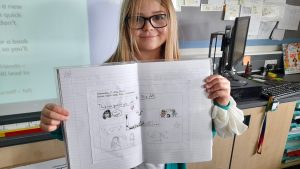
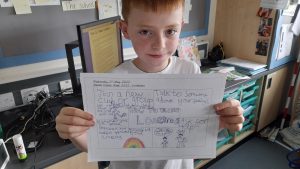
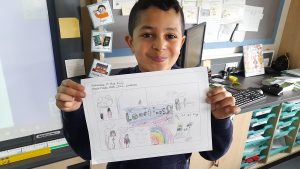
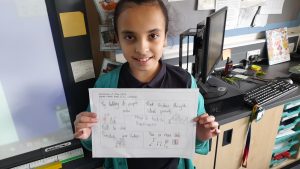
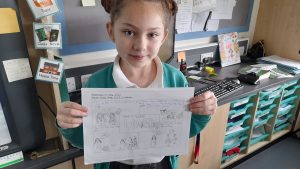
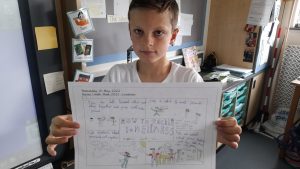
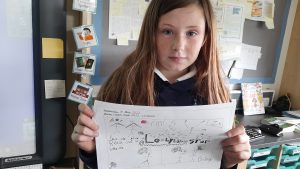
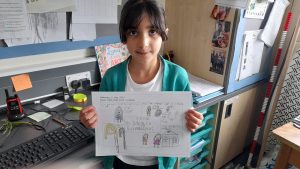
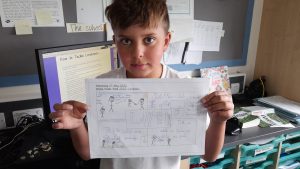
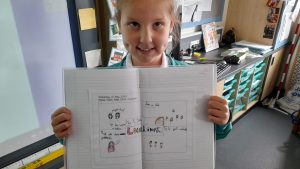
We now feel that we have the knowledge and a better understanding of how to tackle loneliness to help both ourselves and others if those feelings ever arise.
Y3 have been discussing this years theme of loneliness for Mental Health Week 2022. We shared our own definitions of what loneliness means and how it can affect an individual’s wellbeing. The children then shared strategies for coping with emotions of sadness and worry and agreed that reaching out and sharing our feelings with others is a way to help ourselves. We then recorded all of the individuals in our own lives that are there to support our own wellbeing and who we can turn to should we need a little help.



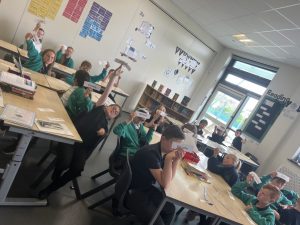
In PSHCE this week, Y5MEA were discussing situations that could happen online and whether they are safe or unsafe. Each child had their own cards: safe, unsafe and I’m not sure. The children used these cards to show their thoughts and whether they believed that certain situations online could have positive/negative consequences. As a class, we shared our opinions and debated the positives and negatives about online communities.
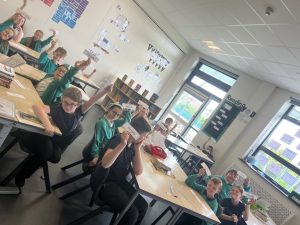
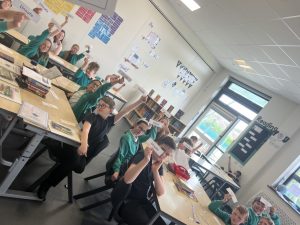
This week in PSHE Year 1 have been talking about their friends and how we are kind to them.
We started our lesson by giving each other compliments and saying the things we like about each other.
We like each other because they ‘have a nice smile’, ‘make me laugh’, play with me’ or ‘kind to me’.
We did a circle time talk about how we think we are good friends.
The children in year 1 think they are good friends because they play together, are kind to each other, care about each other and make each other happy.
We also talked about things we do to be good friends such as playing with others or making friends feel better when they are sad.
Year 1 know lots of different ways in which to be good friends to each other.
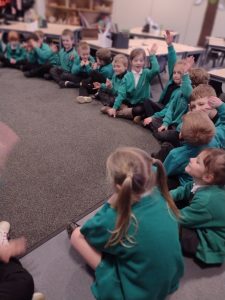
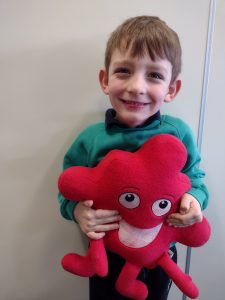
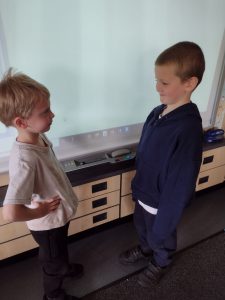
Y3 have been learning about the importance of our wonderful Emergency Services and how to make a 999 call should the need arise. The children shared their opinions on when the Emergency Services should be called and all agreed that it should be when urgent assistance is required only. We also learned that 112 can also be called to reach the Emergency Services too.
Here are some of the posters we created from this important lesson…
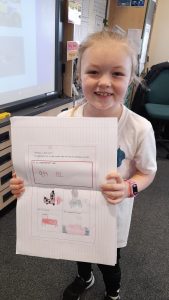
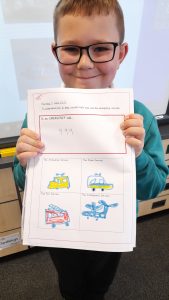
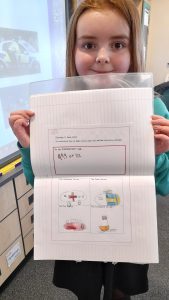
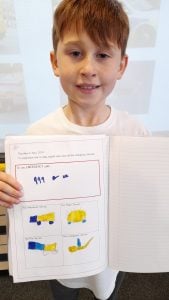
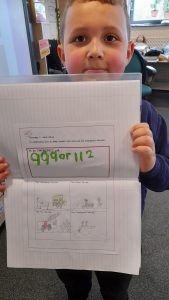
We also learned that when calling 999 that we should remain calm, speak clearly and give as much information as we can to get the help that we need.
Today, in PSHE, Year 5 drew on all their learning from the Healthy Me unit and discussed what makes a healthy lifestyle. We talked about the effects of smoking and alcohol, getting enough exercise and sleep, eating a balanced diet and having a positive relationship with food.
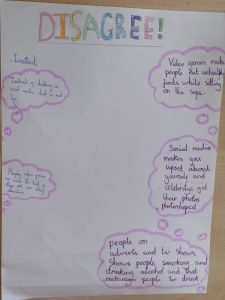
We then talked about what a debate is and learned that debates often have a statement or a question, which some people agree with and some people disagree with. During a debate, people give their opinions on the topic and then a vote takes place.
For the rest of the lesson we took part in a debate.
Our question was: Does the media and social media help motivate people to live healthy and safe lifestyles?
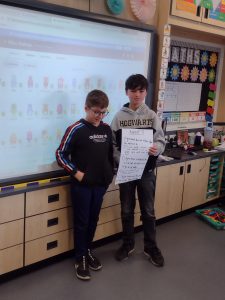
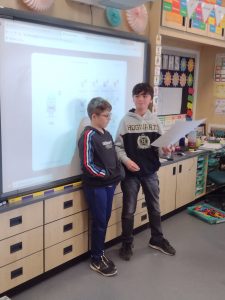
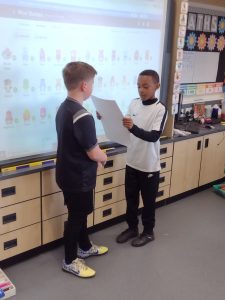
We were each given a side (either for or against) and then had some time to come up with arguments that supported our side. The groups then presented their arguments and voted whether we agreed or disagreed with the statement.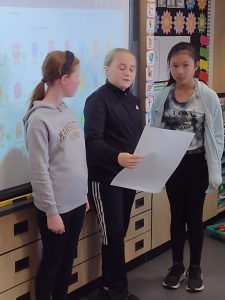
This week Year 1 have been talking about when they are ill.
Our adults at home look after us if we are not well and give us lots of cuddles.
Our teachers look after us too if we do not feel well at school.
Sometimes we need medicine to make us feel better.
We looked at some different types of medicines that we have in our houses.
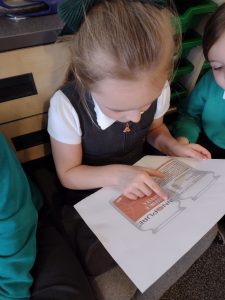
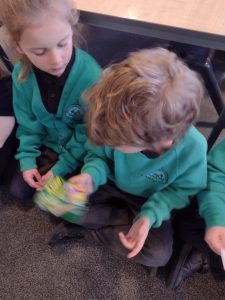
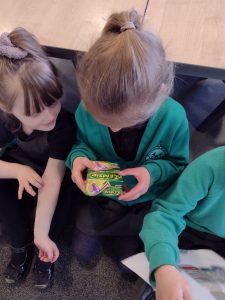
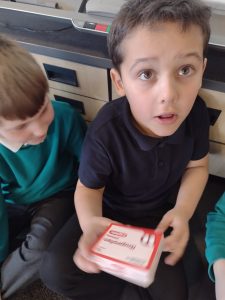
We found out that medicines can be dangerous as well as making us better.
We looked carefully at each picture and box. We found that they all have instructions on them telling you how to take them and how many times you can take it.
We all decided that our adults at home give us the right amount of medicine because they read the instructions to keep us safe.
Our Y3 focus this term in our Healthy Me! unit of Jigsaw has allowed us to consider that the calories we get from the foods we eat provide us with the energy we need to work, grow and exercise. We also discussed the importance of exercise to stay healthy and understand that for our bodies to be in balance (healthy) we need to take in the right amount of energy and do the right amount of activity. In addition, we further discussed the benefit of exercise on our heart and lungs and recognise that the more we exercise that our heart and lungs work harder and become stronger.
FACT…Did you know that children should exercise for at least 1 hour a day? We investigated this fact and calculated that if we walk, cycle or travel on scooter to and from school and be active at both play, lunchtimes and after school that we already exceed this recommended time!
We then undertook an investigation to find out the amount of calories, fats and sugar content in various food items by taking notice of the Traffic Light labelling on packaging…
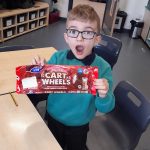
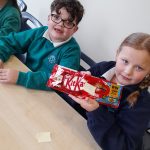
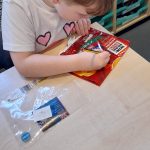
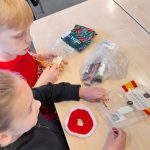
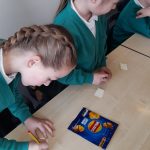
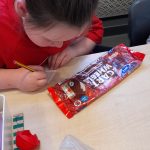
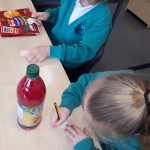
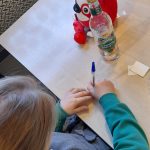
We then played the ‘How Much Sugar?’ game whereby the children had to match the identified sugar content in grammes to the correct food item before the answers were revealed…This activity evoked some great discussion and difference of opinions between our Year 3 children.
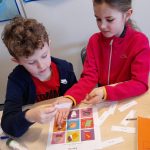
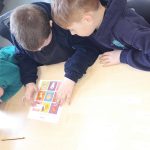
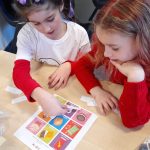
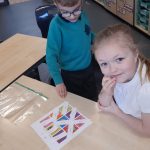
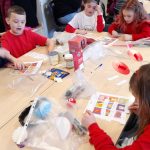
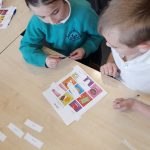
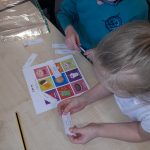
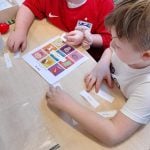
When the answers were revealed the children were quite surprised…
An energy drink…35g of sugar
A blueberry muffin…30g of sugar
A bowl of chocolate ice-cream…22g of sugar
A packet of sweets 20g of sugar
A flavoured yoghurt…17g of sugar
A chocolate bar…15g of sugar
A chocolate biscuit/cookie…14g of sugar
A bowl of chocolate cereal…11g of sugar
A plain biscuit/cookie…8g of sugar
As an extra activity, the children were provided with the actual physical representation of the amounts of sugar, which they had to weigh on the digital scales and match to the food items in the activity….
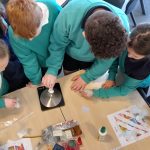
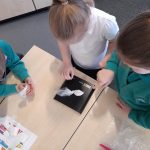
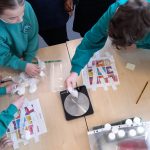
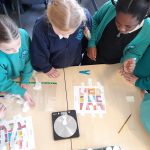
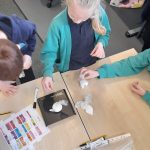
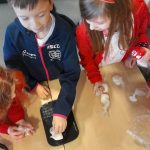
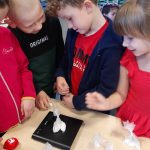
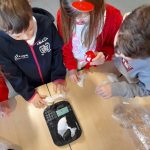
From this activity, some of our Y3 children have raised that we do not often think of the calories, fats or sugar content within the foods that we eat and that they are now considering taking more notice of the Traffic Light recordings on food labels and packaging.
In Year 4, we have been discussing the effects of smoking upon the health of those who choose to smoke, as well as the effects it has on those around them.
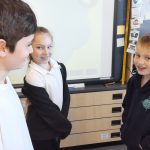
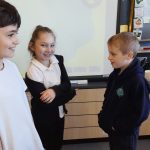
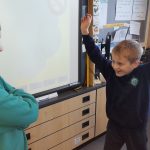
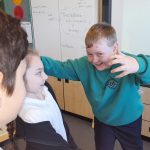
A posed scenario led to a little role play in Mr Morgan’s class whereupon Ricky in the scanarios was seen smoking by his younger siblings who he made promise not to tell their Dad. The promise was a little to hard to keep and Dad was told in the best interest of Ricky.
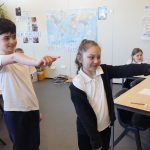
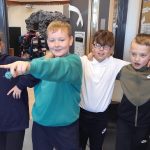
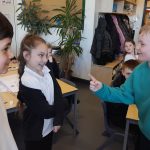
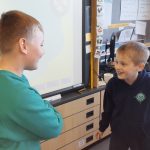
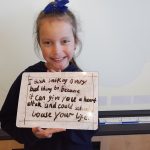
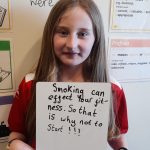
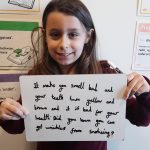
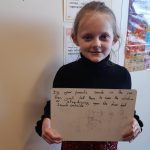
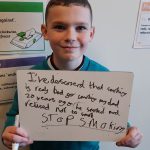
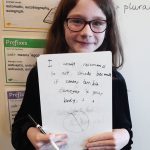
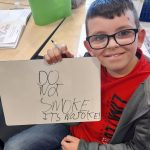
Here are some of the children in Year 4’s opinions of smoking…
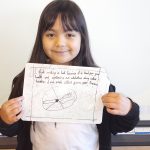
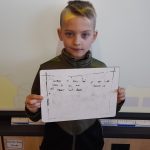
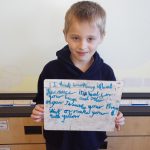
We then discussed the reasons as to why people choose to smoke and identified that it is often as a result of peer pressure and wanting to fit in.
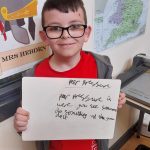
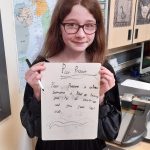
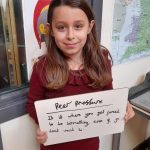
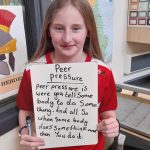
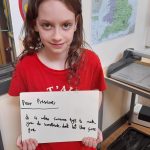
We all agreed that smoking is a habit that comes with many risks to our health and that having a better understanding of the impact and effects it has can help us to make better, healthier choices and say NO to being pressured into doing something we do not want to do just to fit in!!!