Sorting Food Groups in Year 2

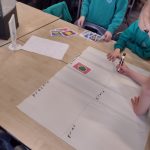
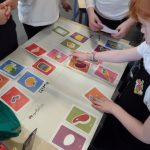
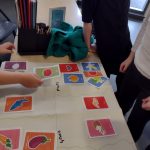
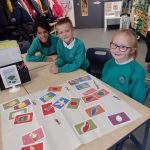
Our unit in PSHE this half term has been ‘Healthy Me’. Today we learned about different food groups. We then sorted different foods in to the correct food groups.

We learned that is important to have a balance of the food groups in our diet.

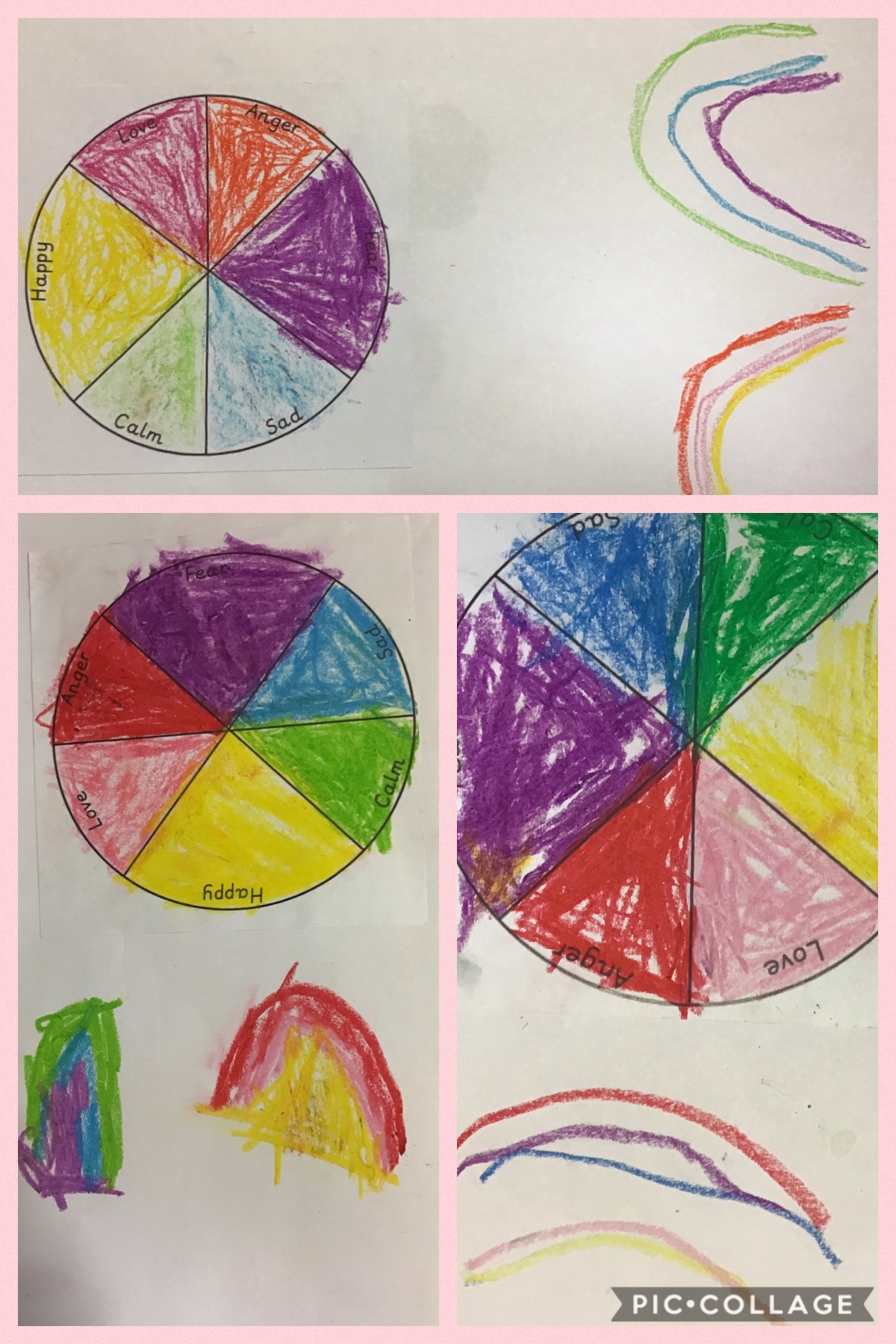
In Art this term in Year 1 we have been studying how different colours make you feel before moving on to Pop Art and the work of Andy Warhol.

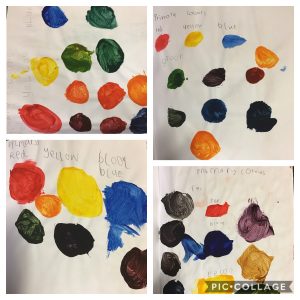
We started the topic by exploring primary and secondary colours we read the book ‘The colour Monster’ and discussed the feelings linked to each colour. The children identified that warm colours are associated with happiness and love and that some cool colours can be associated with feeling calm or sad. The children then produced 2 rainbows, one made up from a warm colour palette and one from a cool palette.
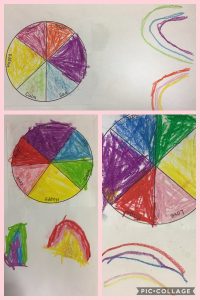
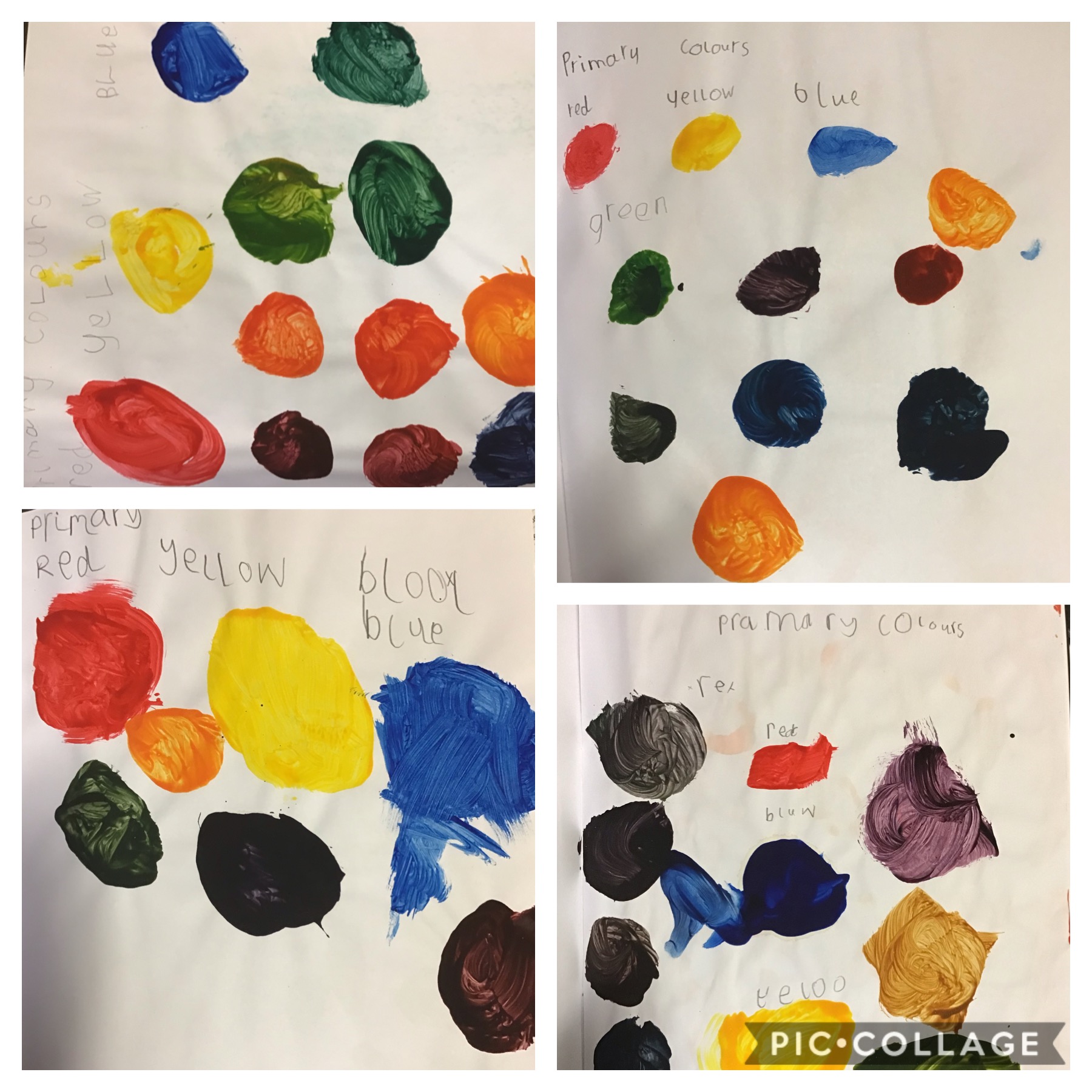
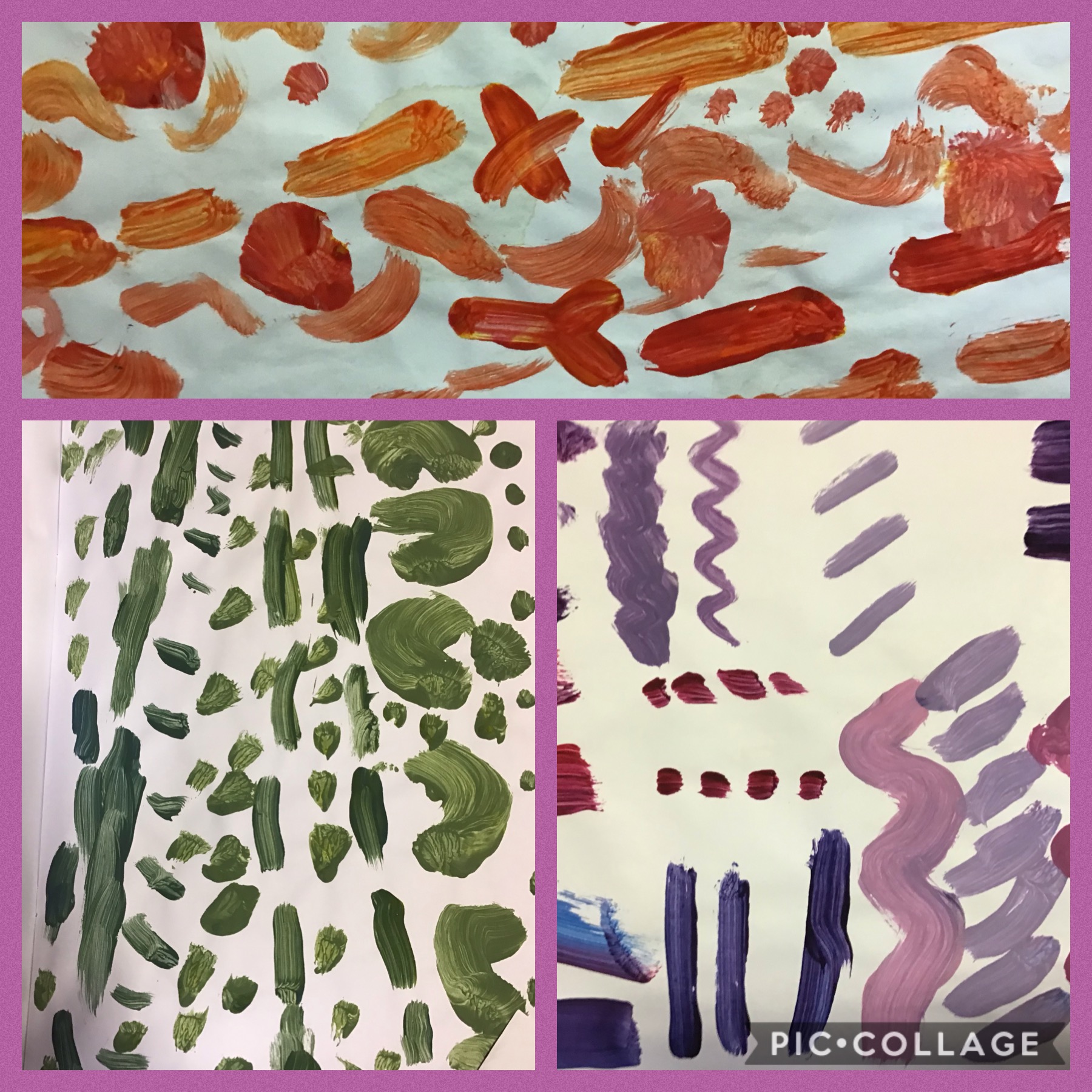
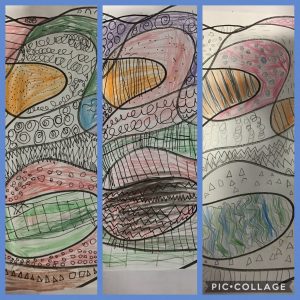
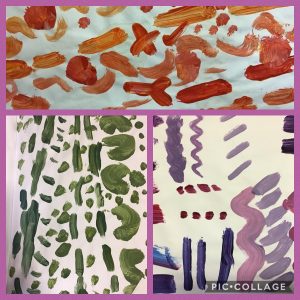
The following week we explored colours further, we initially identified the 3 primary colours then had a go at mixing our own secondary colours. We then produced some fabulous artwork using various paintbrushes to make different sized lines and patterns.
We then moved on to exploring who Andy Warhol is and what he was famous for. We learnt about the Pop Art genre and discussed the bright colours used within the paintings and prints.

We set up an art gallery in the classroom and the children were asked to identify which of the images were Andy Warhol’s artwork and explain why.

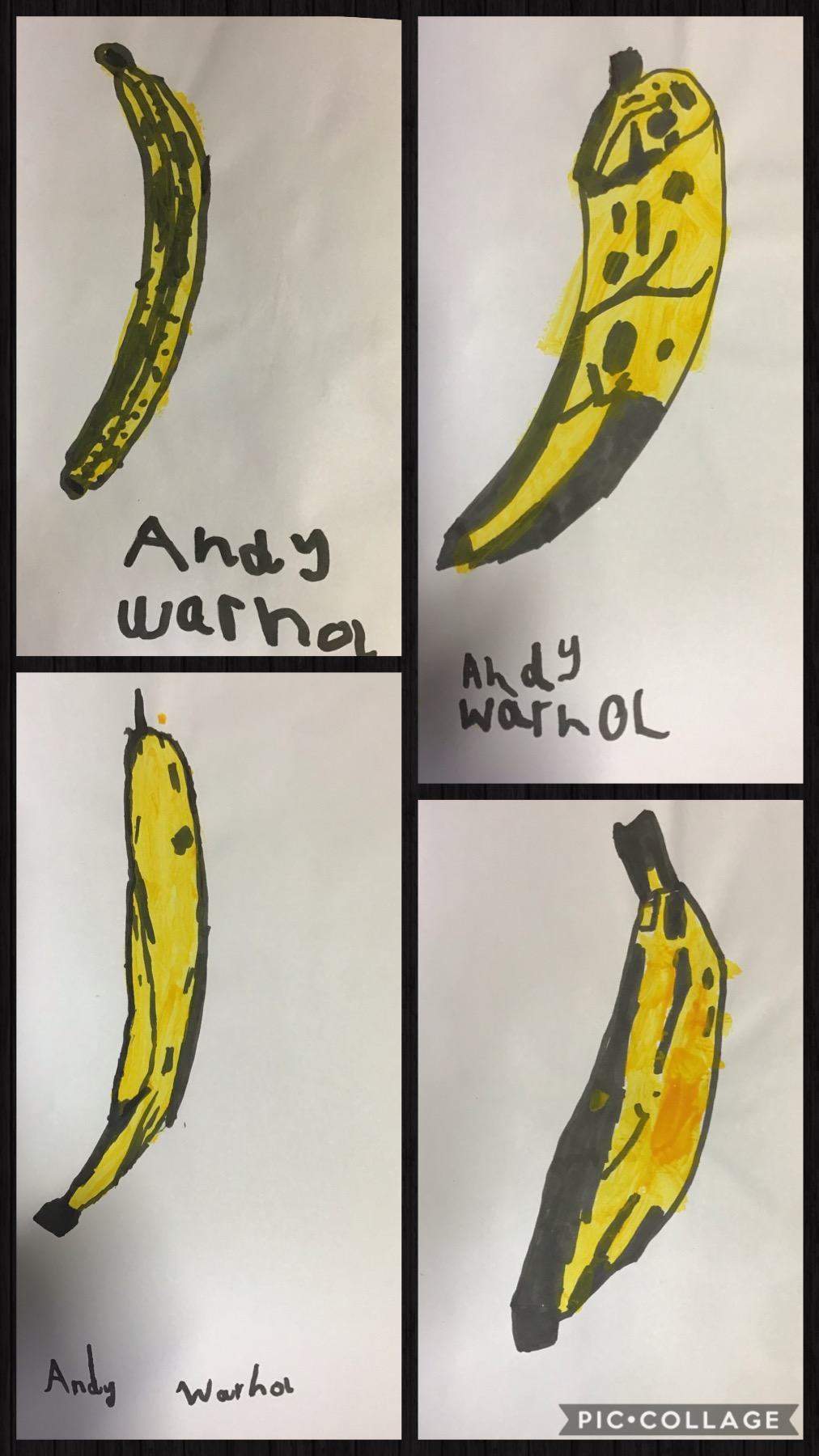
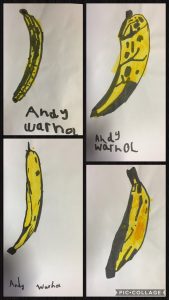
Following this the children then had a go at sketching and painting Andy Warhol’s famous Banana masterpiece. The children really enjoyed doing this and the results were great!
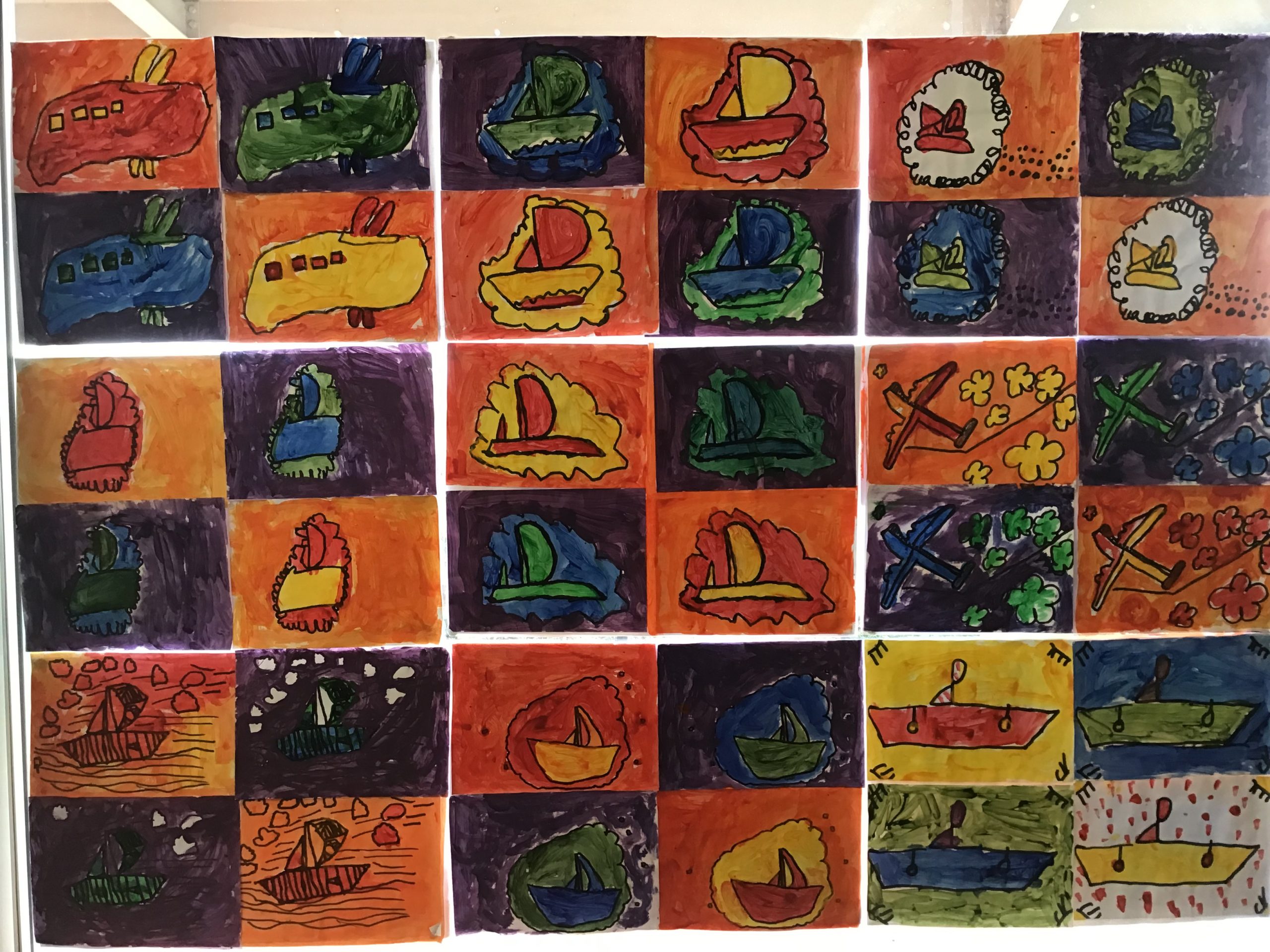
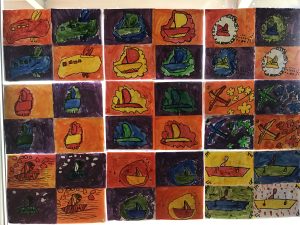
We then built up our final masterpiece over the next lessons, the children sketched modes of transport in an ‘Andy Warhol style’ before photocopying these 4 times. The children assembled the pictures together and painted 2 using the warm colour palettes and 2 using the cool colour palettes previously explored.

The results were incredible and the paintings have taken pride of place within the classroom!
Why do objects have certain properties?

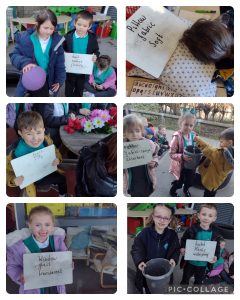
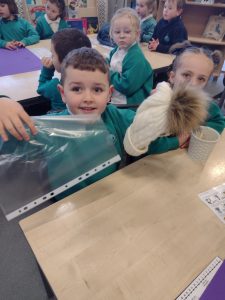
Year 1 had a fantastic science lesson exploring the properties of materials. We had some meaningful discussions on when objects were designed what materials did the designers use and why? We explored objects in and outside the classroom, here were some of our findings:

“A pillow is made out of fabric and is soft. This is because if it was hard you wouldn’t get a very good sleep”. -Oliver F

“A ball is made out of rubber and is bouncy and flexible. This means we can play with it.”-Harlow P

“A bench is made from wood which is hard. If it wasn’t hard we would fall off and hurt our bottoms!”- Leo W

“A window is made of glass, it is transparent so we can look out of it to see if we need to wear a coat if it’s raining”- Lacie P

“A bucket is made of plastic which is waterproof. If not the water would fall out the bottom”.- Rellie T

“A whiteboard rubber is made of sponge which is absorbent. It can soak up the water… see!”- Georgie B

Buttons and directions

Lesson 1: Buttons

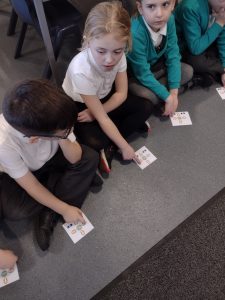
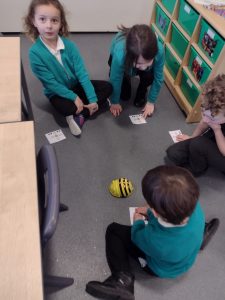
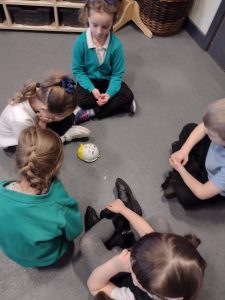
In our new unit of ‘Moving a robot‘ we looked at buttons and what they do. We looked at the floor robots and discussed what each button might make the robot do. We then took it in turns to give the robots a command. We then had to use our paper buttons to show what button was pressed.

Lesson 2: Directions

This lesson we recapped the buttons found on our floor robots; forwards, backwards, left, right and reset. We remembered it was important to reset after giving a new command. This lesson we focused on giving directions. To get used to following directions/instructions we played a game of Simon says. We then got into partners and gave each other simple instructions. We then told our partner what directions to program into our floor robots.

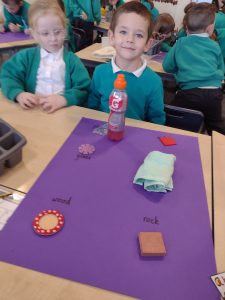
Year 1 have been enjoying our new topic of materials. In the first lesson we discussed ‘What is a material?’ The children were fantastic at identifying different materials such as plastic, fabric, rock, metal and wood. 

The next lesson we focused on the difference between an object and a material. We used objects found in our own classroom and sorted them into the different materials. As a class we then showed what object we had and what that object was made out of.

Next week we can’t wait to learn more about the properties of materials.


freestanding structures

                   Investigate

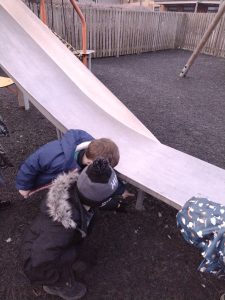
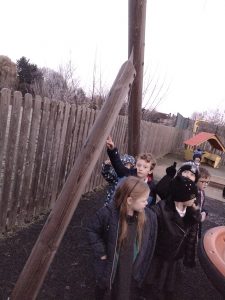
What is a freestanding structure? First Year 1 looked at a variety of freestanding structures. We discovered that is is a product that can stand by itself without attaching to anything else. We looked at products inside the classroom that were freestanding and then went to investigate the playground equipment outside.

Focused Practical task

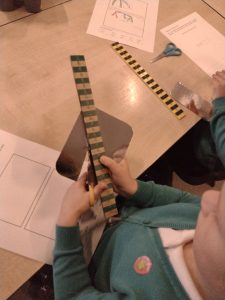
In our next lesson we shared the design brief with the children. We then focused on the skills we would need to make our own freestanding structures (toy playground equipment). We practiced measuring, cutting, shaping and joining. 


Design and Make

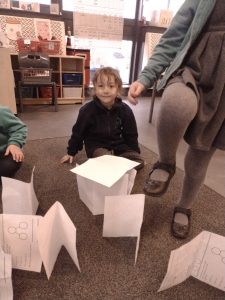
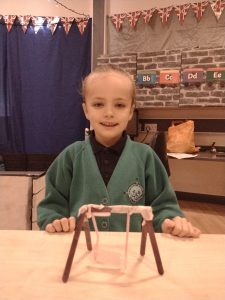
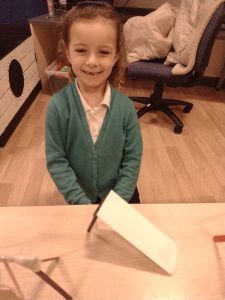
The children then carefully designed their freestanding structure and labelled the materials they would be using. Then it was finally time to make it! Here are some of the results…


Evaluate

 Finally the children evaluated their product. They thought about what went well and what they would change next time. A lot of children changed their mind about the material they used. Well done Year 1!


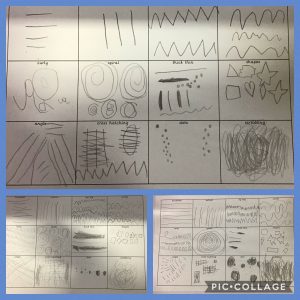
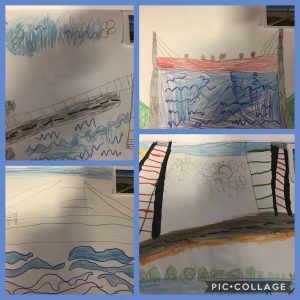
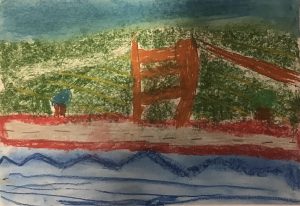
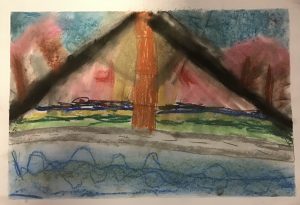
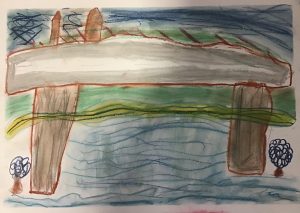
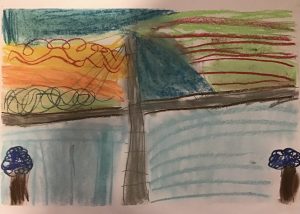
In Year 1, the children developed a wide range of art and design techniques using colour, pattern, texture, line and shape. First they explored different lines and patterns such as curves and zigzags.


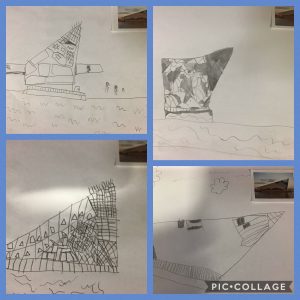
In the next lesson we made observational drawings of buildings in the local area. We chose to focus on The Deep and the Humber Bridge as the children were familiar with these buildings.

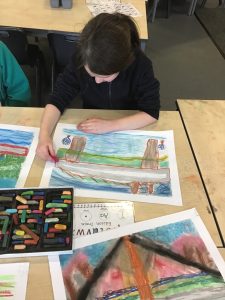
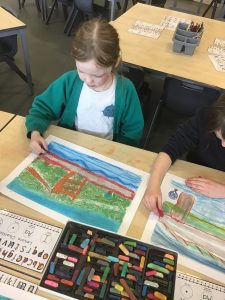
Next we introduced the artist David Hockney to inspire the children to create their own piece of art in his style.


Here are some of the final pieces. To create this the children used the skills they have previously learnt and a combination of pencils and chalk pastels. 


White Ribbon Day

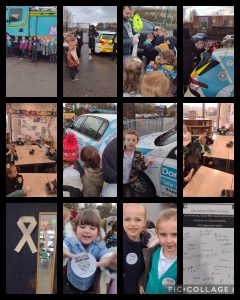
On Monday, Year One were introduced to the meaning behind White Ribbon Day.

Special visitors came from the police and fire services to remind the children of the importance of having kind hands, kind feet and to speak to a trusted person if they are ever worried.

The children then signed a White Ribbon Promise which we have displayed proudly on our classroom doors.


Learning songs for our nativity!

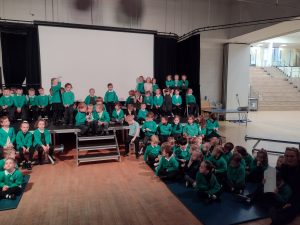
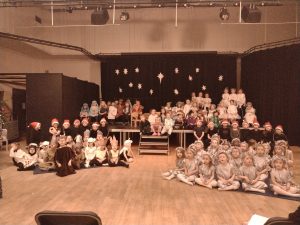
Year 1 have really enjoyed rehearsing songs for their nativity this half term. They have worked really hard to learn each new song and the corresponding actions. Some of the children were confident enough to sing solo! It was a joy to see the songs they have worked so hard on being performed in front of an audience for parents and carers.