Computing- Moving a robot

Lesson 4: Four directions

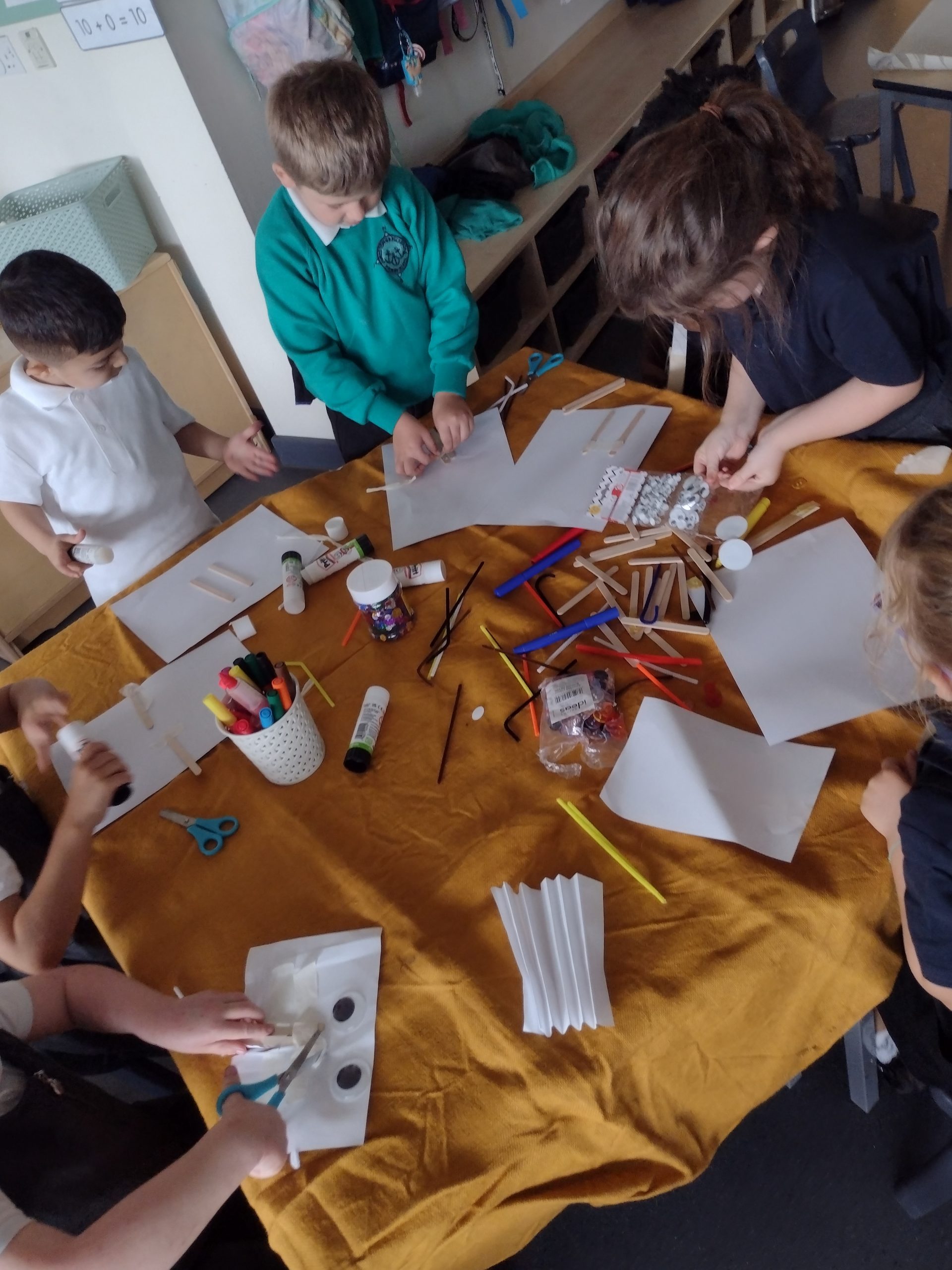
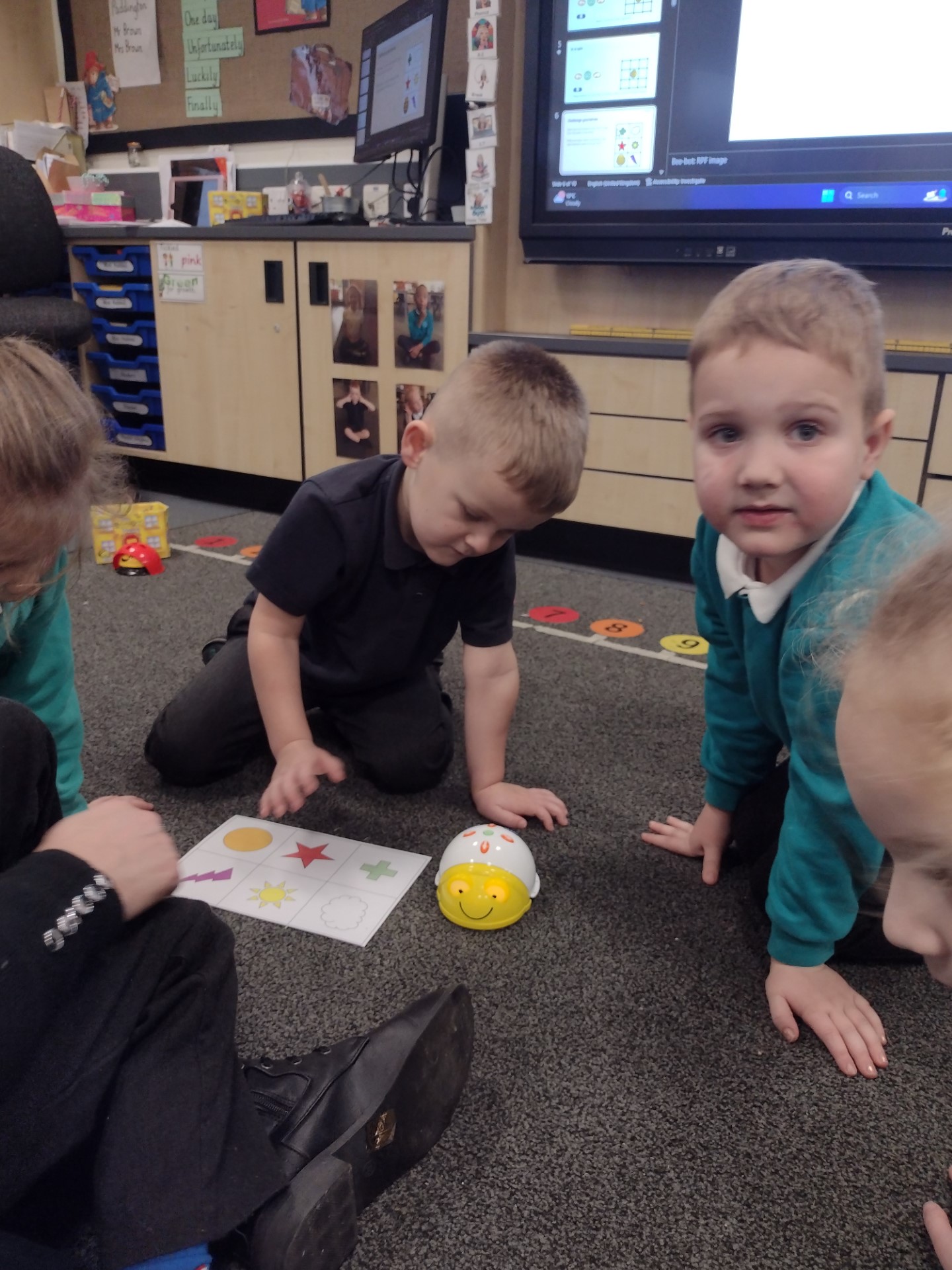
In this lesson, Year 1 have been learning to use left and right turn commands along with forwards and backwards commands. Learning how to use these buttons has allowed the children to develop more complex programs when using a robot.


Lesson 5: Getting there

Throughout this lesson, Year 1 have chosen a starting point and end point which the robot can follow. This has allowed the children to create their program and test it on the robot using a preplanned route. Where needed, they also debugged their programs.
 

Lesson 6: Routes

In our final lesson of the unit, the children were encouraged to plan their routes before they started to write their programs – which was built on from the lesson previously. However, we also developed the concept of there being more than one way to solve a problem. This concept applies to a lot of programming activities: the same outcome can be achieved through a number of different approaches, and there isn’t necessarily a ‘right’ way. The lesson also introduces the idea of program design, in which learners need to plan what they want their program to achieve before they start programming.

HOW ARE SACRED TEXTS TREATED?

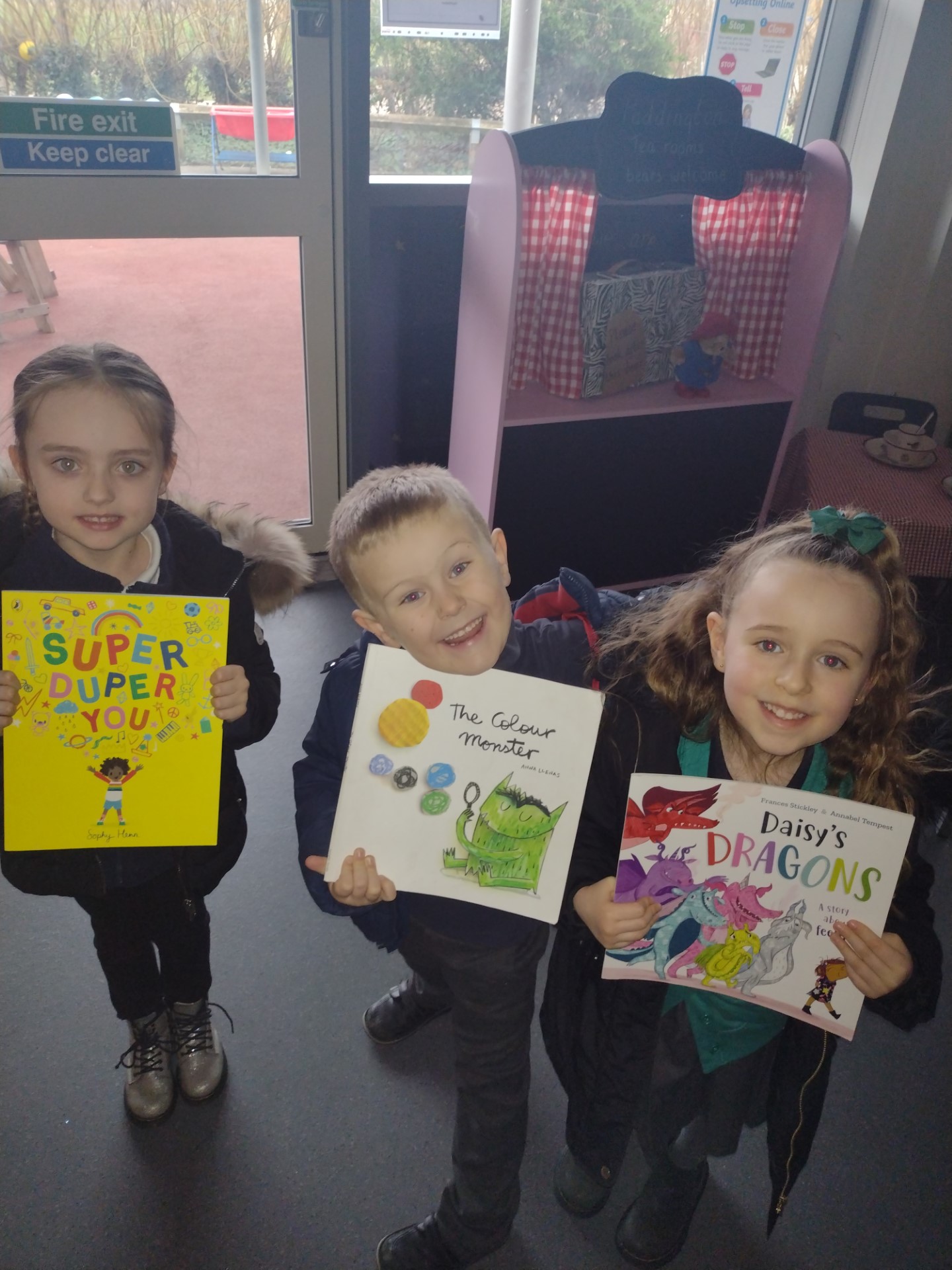
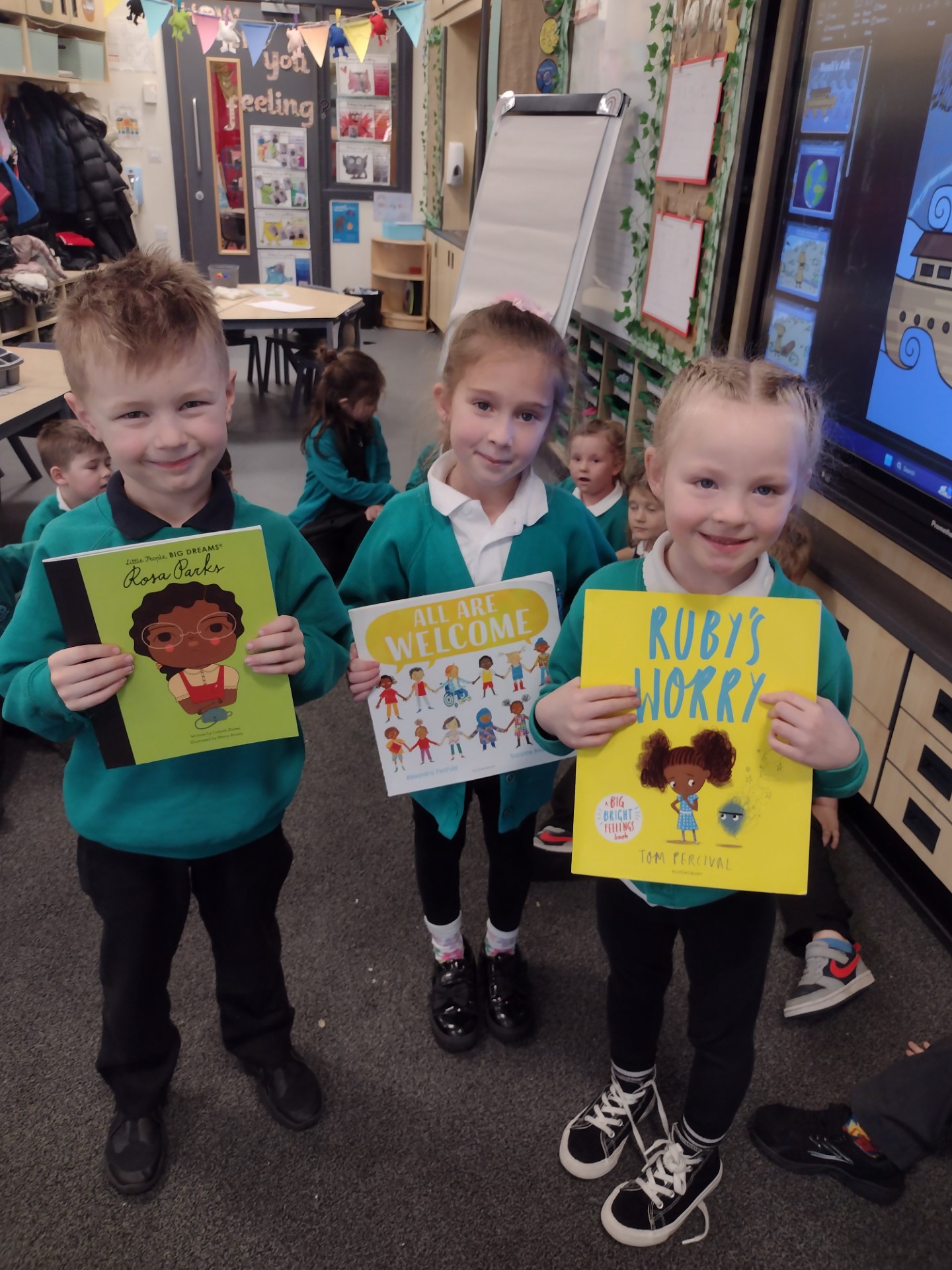
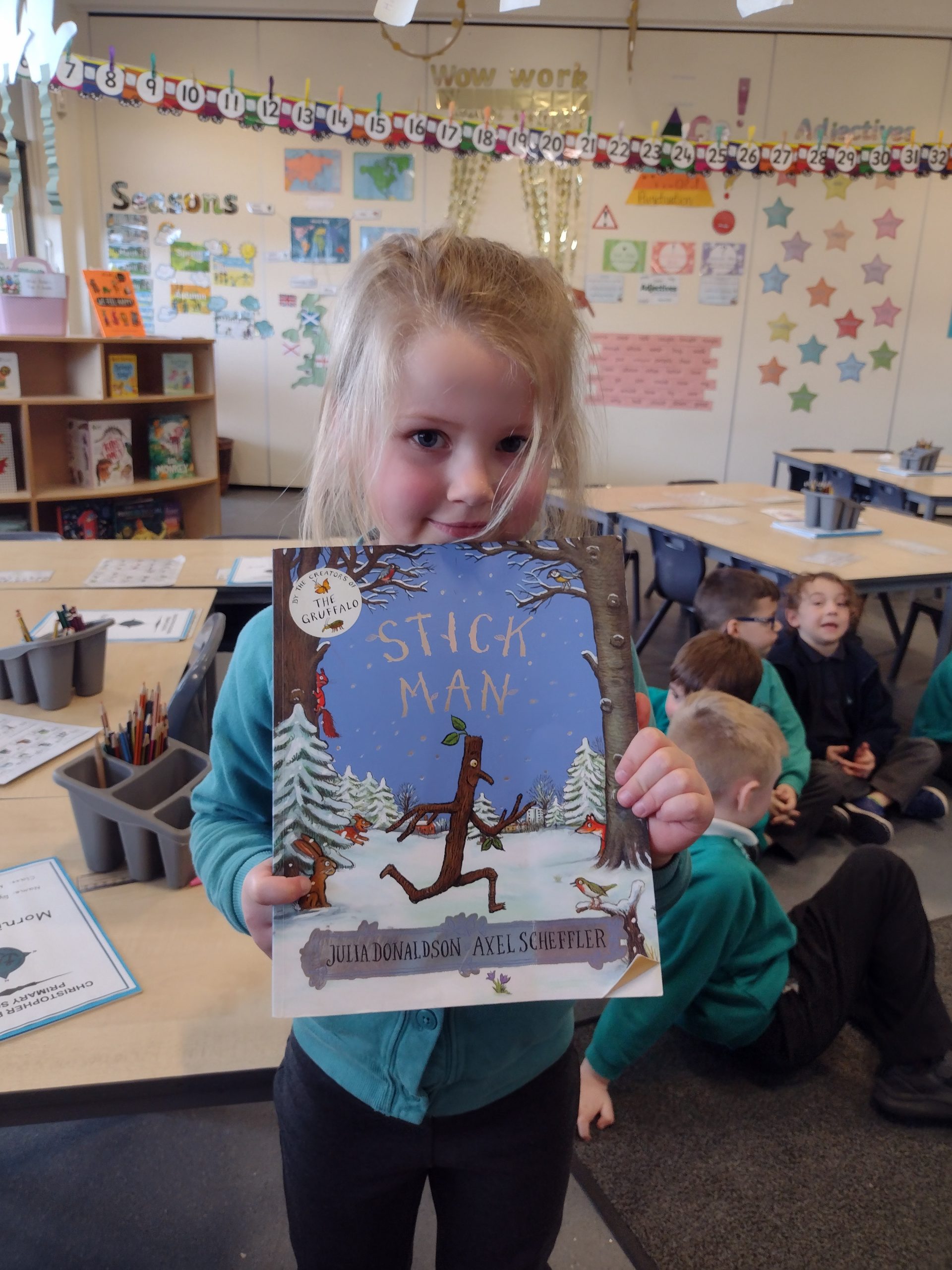
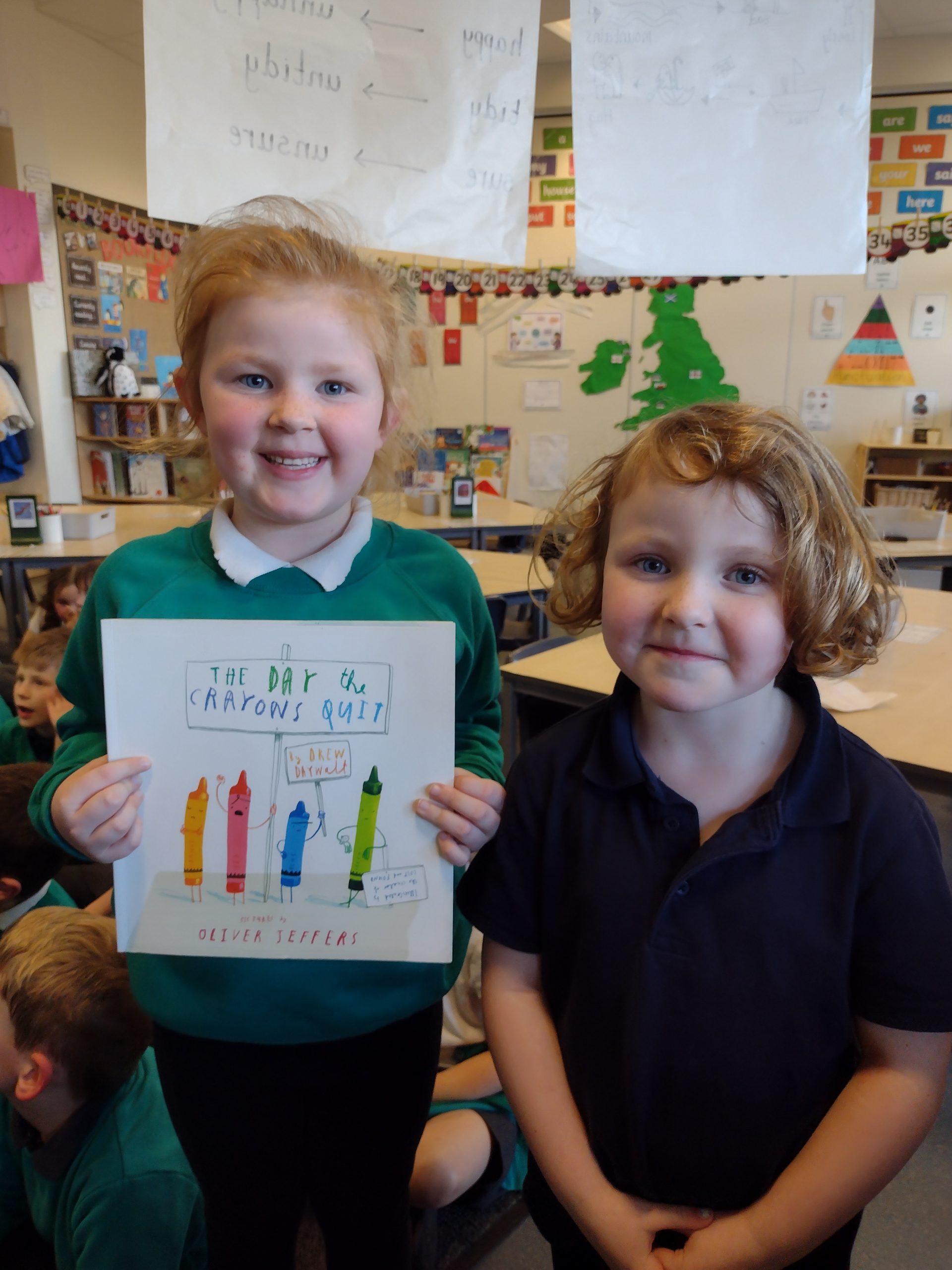
First the children looked at books that are special to them and identified their favourite stories. Next we discussed the messages these books can teach us.

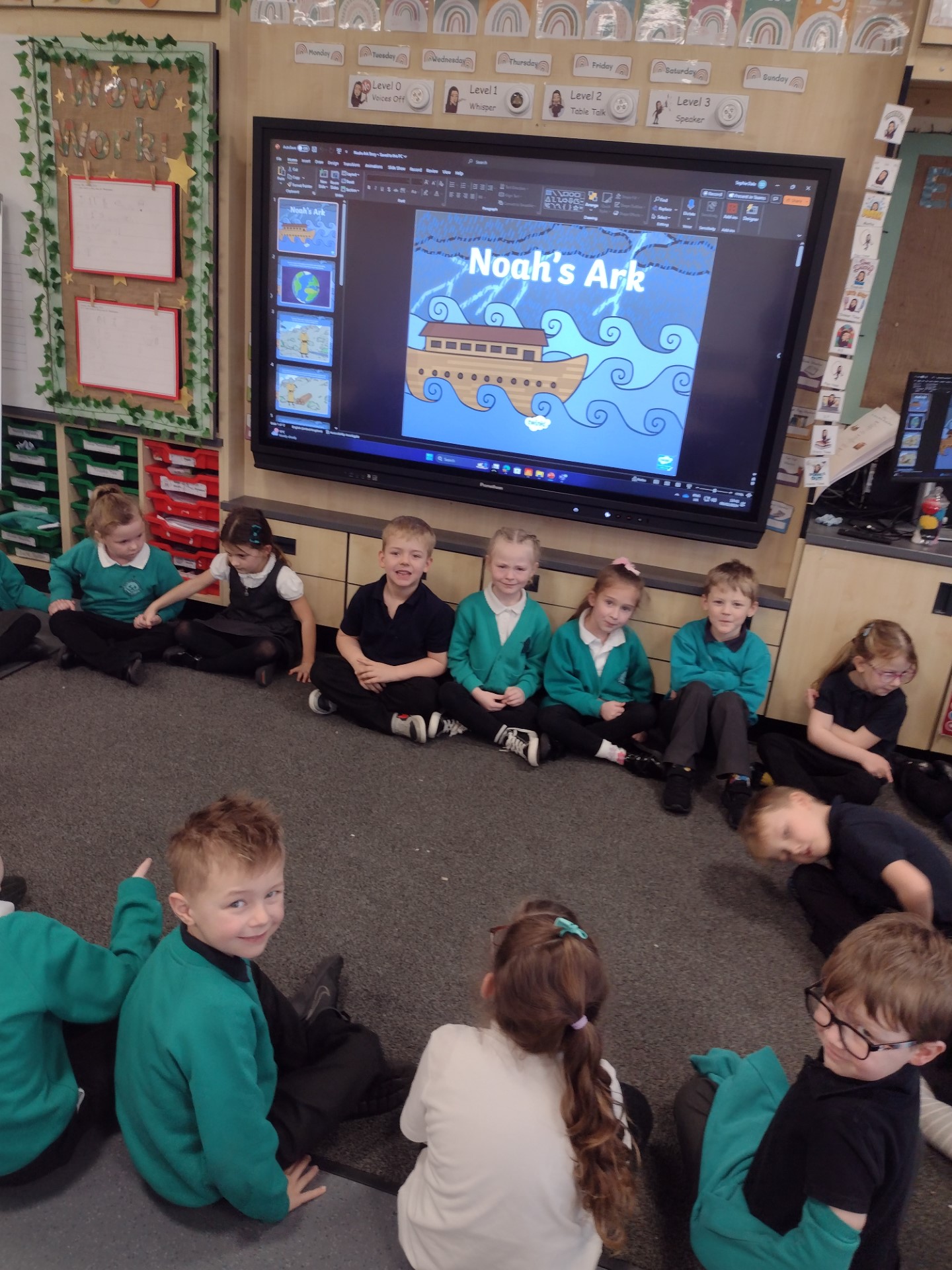
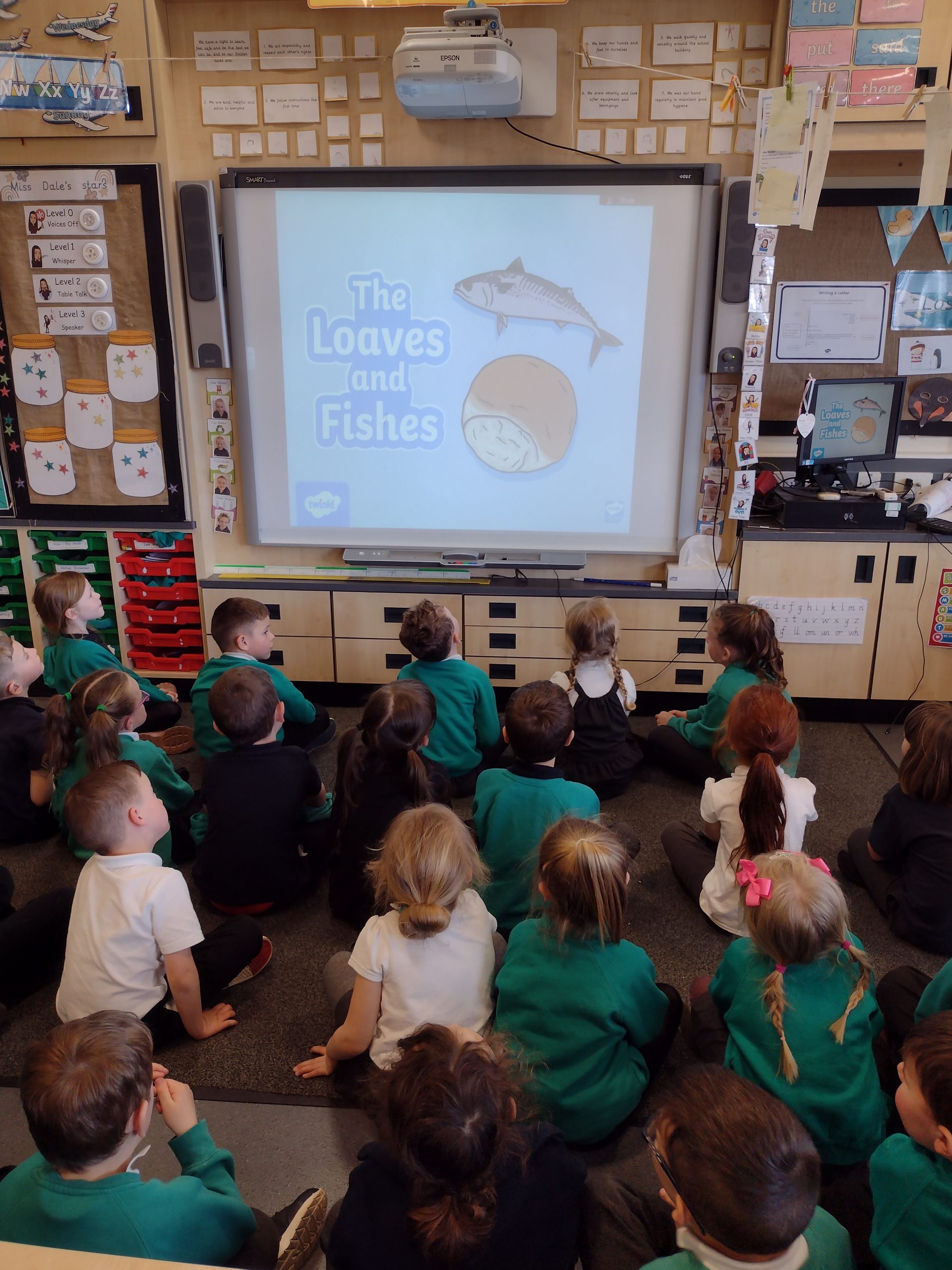
Then we discussed why religious books are sacred. The children learnt that the word sacred means something is special and connected to God. We looked at the story of ‘The loaves and fishes’ from the Bible. We then looked at the story ‘The milk and the jasmine flower’ from the Gurdwara. We compared the messages that both of these books convey. The final story we read was ‘Noah’s Ark’ which appears in many sacred texts across different religions.

Lastly, the children had a discussion about why music is important to worship. We then listened to music from the Sikh Religion. The children concluded that songs tell stories and music makes us happy.


What do animals (including humans) eat?

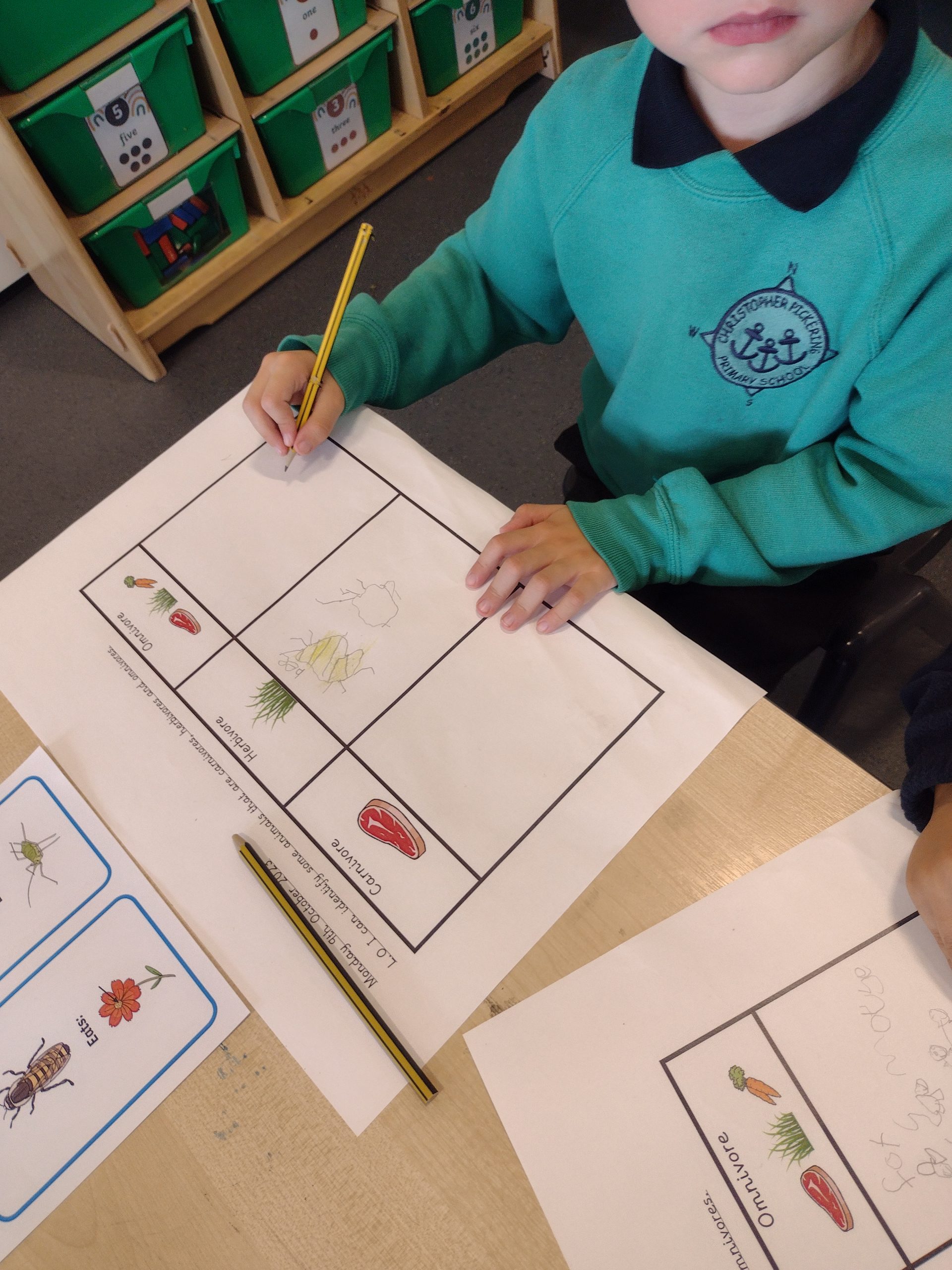
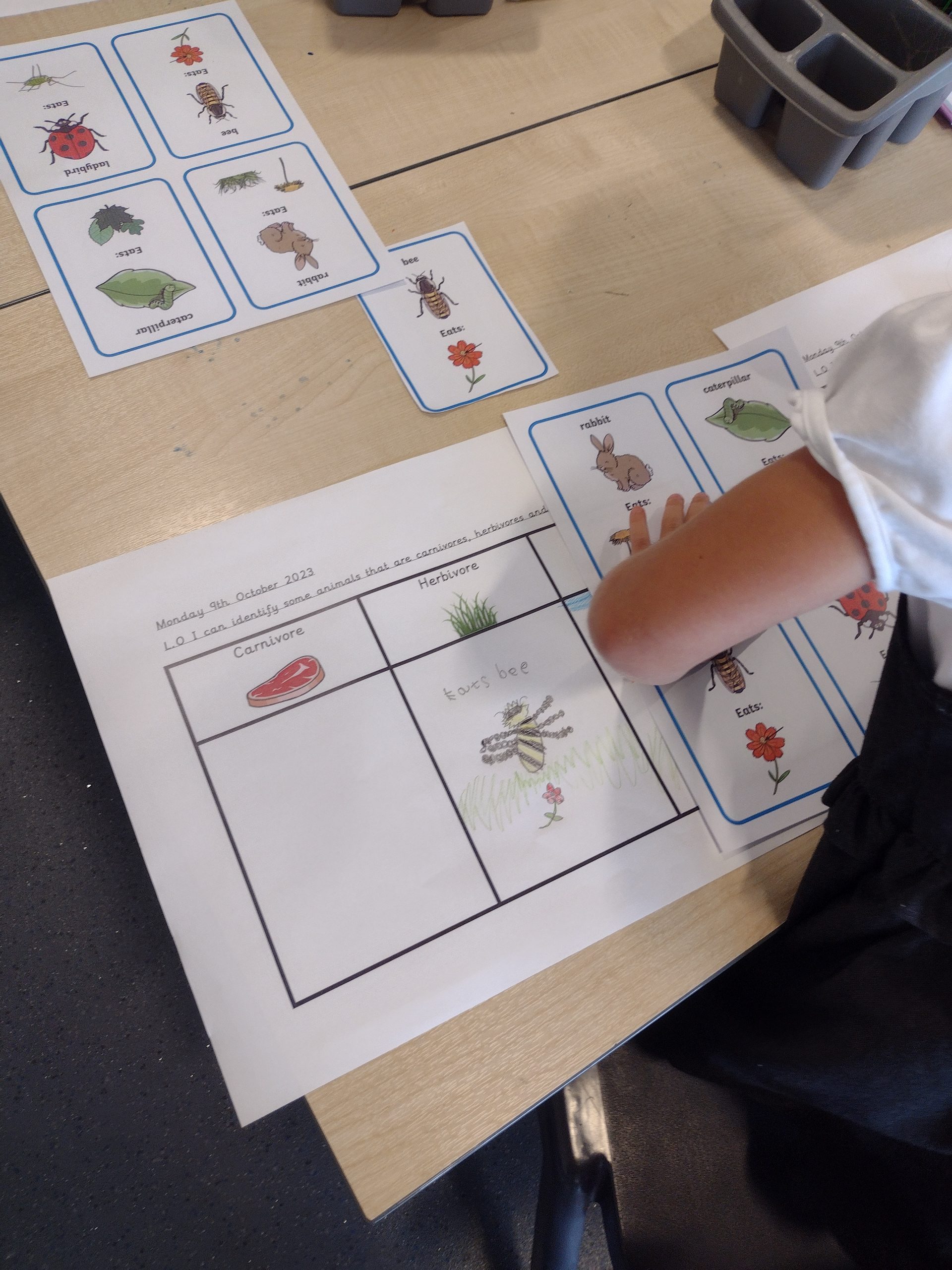
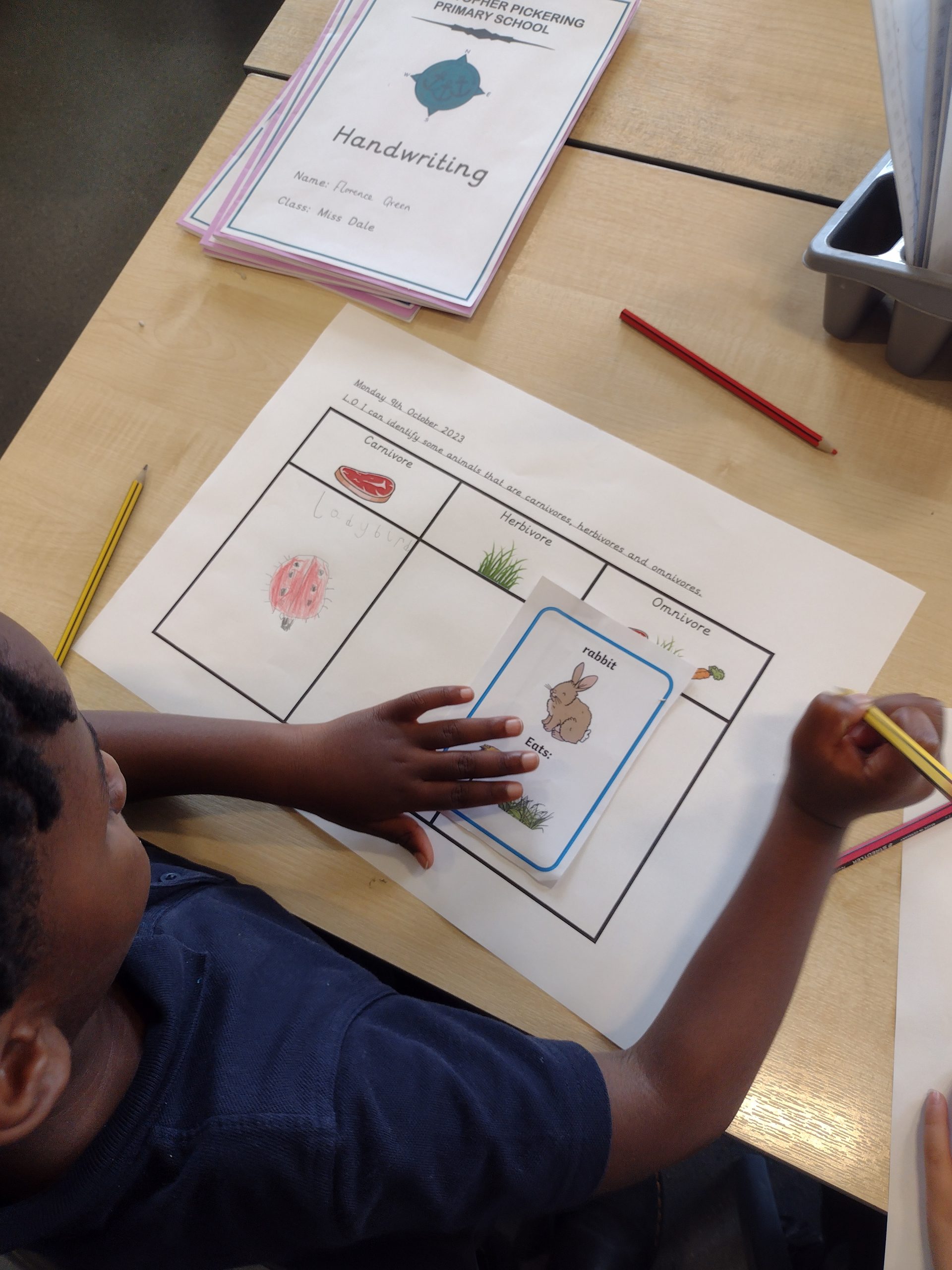
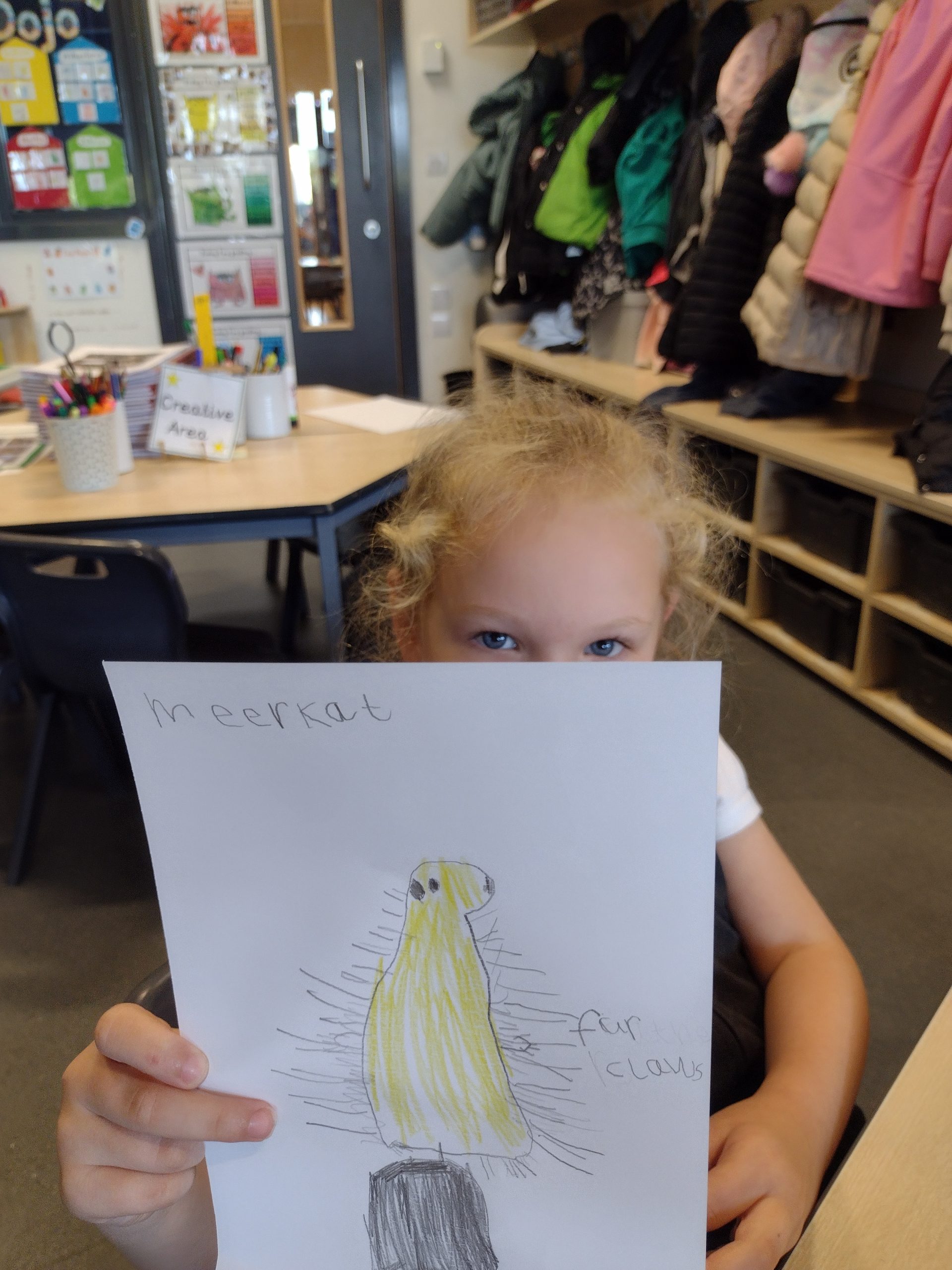
This week the children were introduced to the scientific vocabulary Carnivore, Herbivore and Omnivore.

Once we were familiar with these terms it was time to delve deeper into why different animals might have different diets. We looked at wild animals and discussed why they might only eat meat such as lions and wolves. We also looked at their features and here is what the children discovered:

“Snails are herbivores as they can’t eat meat…they don’t have sharp teeth to rip it a part!”

“Lions live in the wild so they eat other animals to stay alive. This means they are carnivores.”

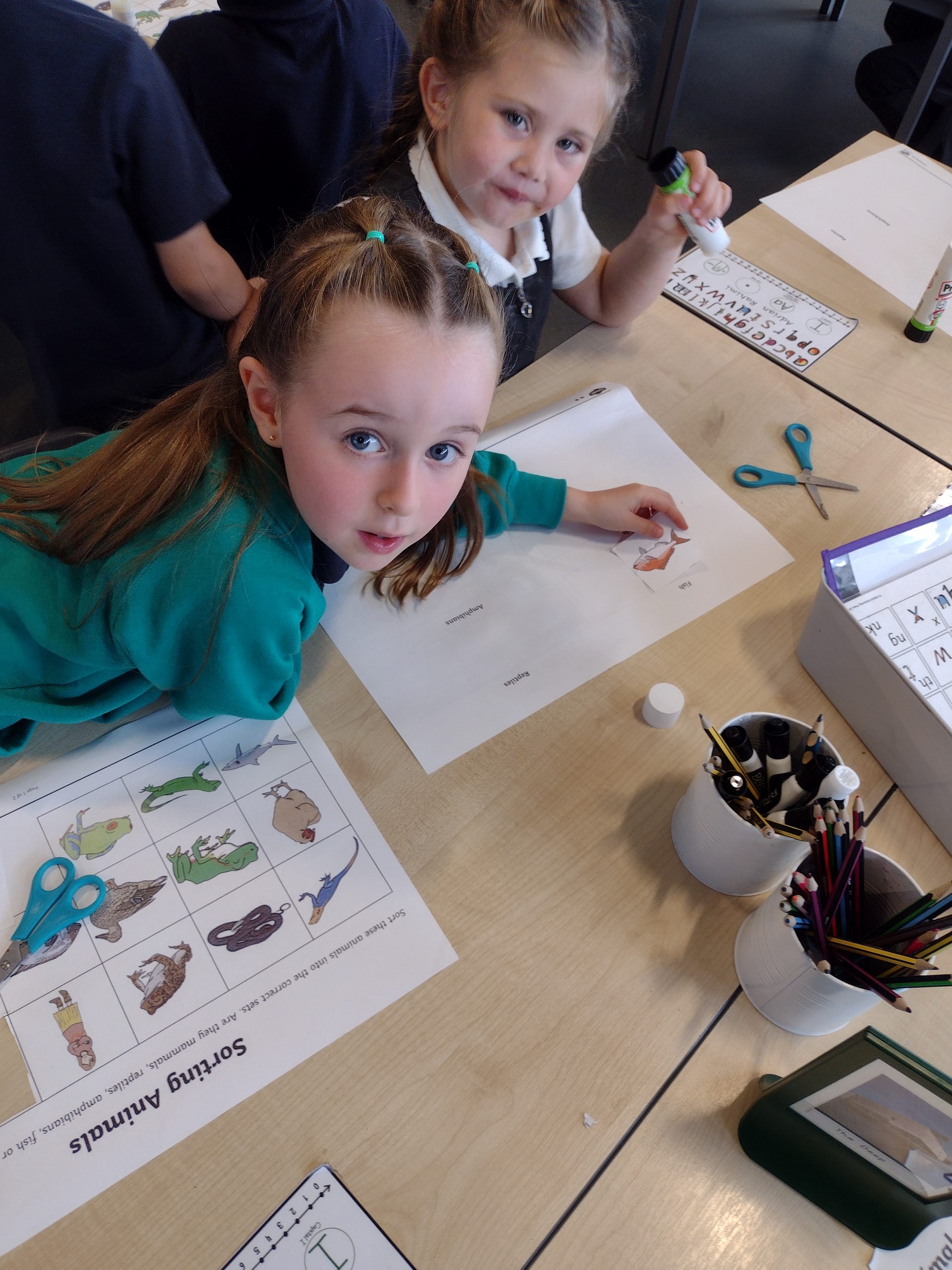
The children then got given a set of animals with pictures of what they eat on them. The children then grouped the animals by drawing and labelling them.

Why are animals grouped in different ways?

In Science this week Year 1 have continued to look at animals (including humans). This week our enquiry was ‘Why are animals grouped in different ways?’

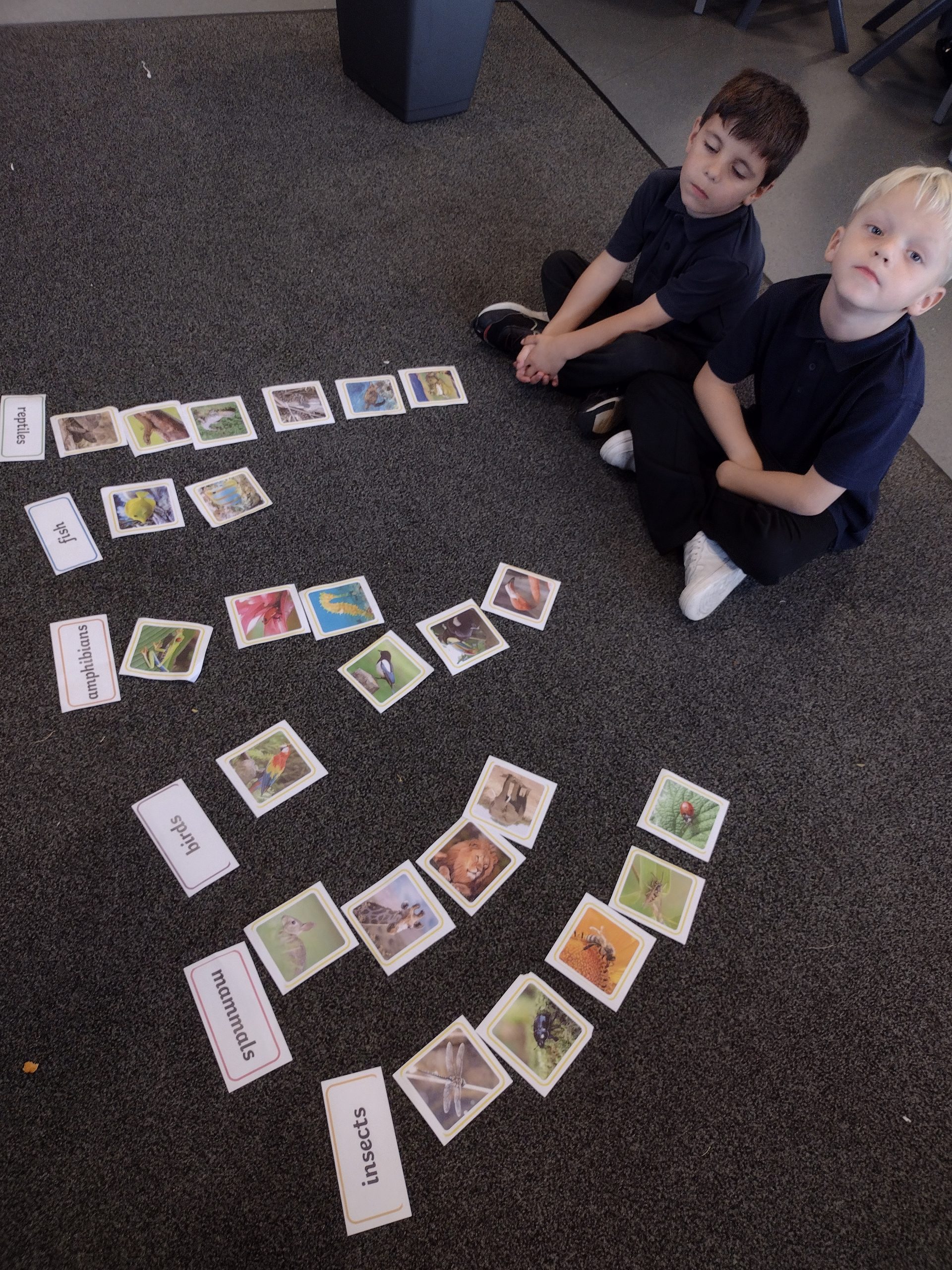
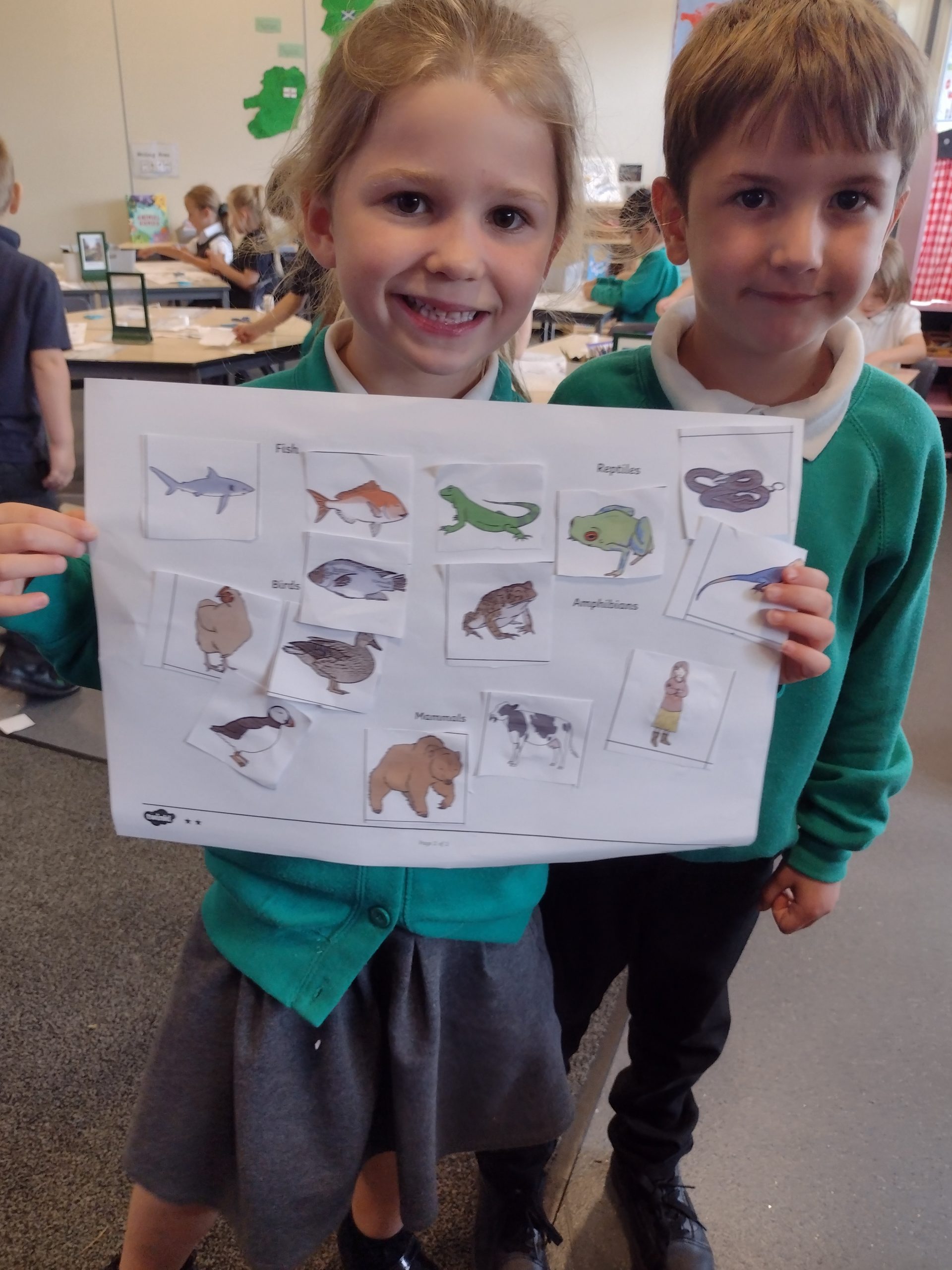
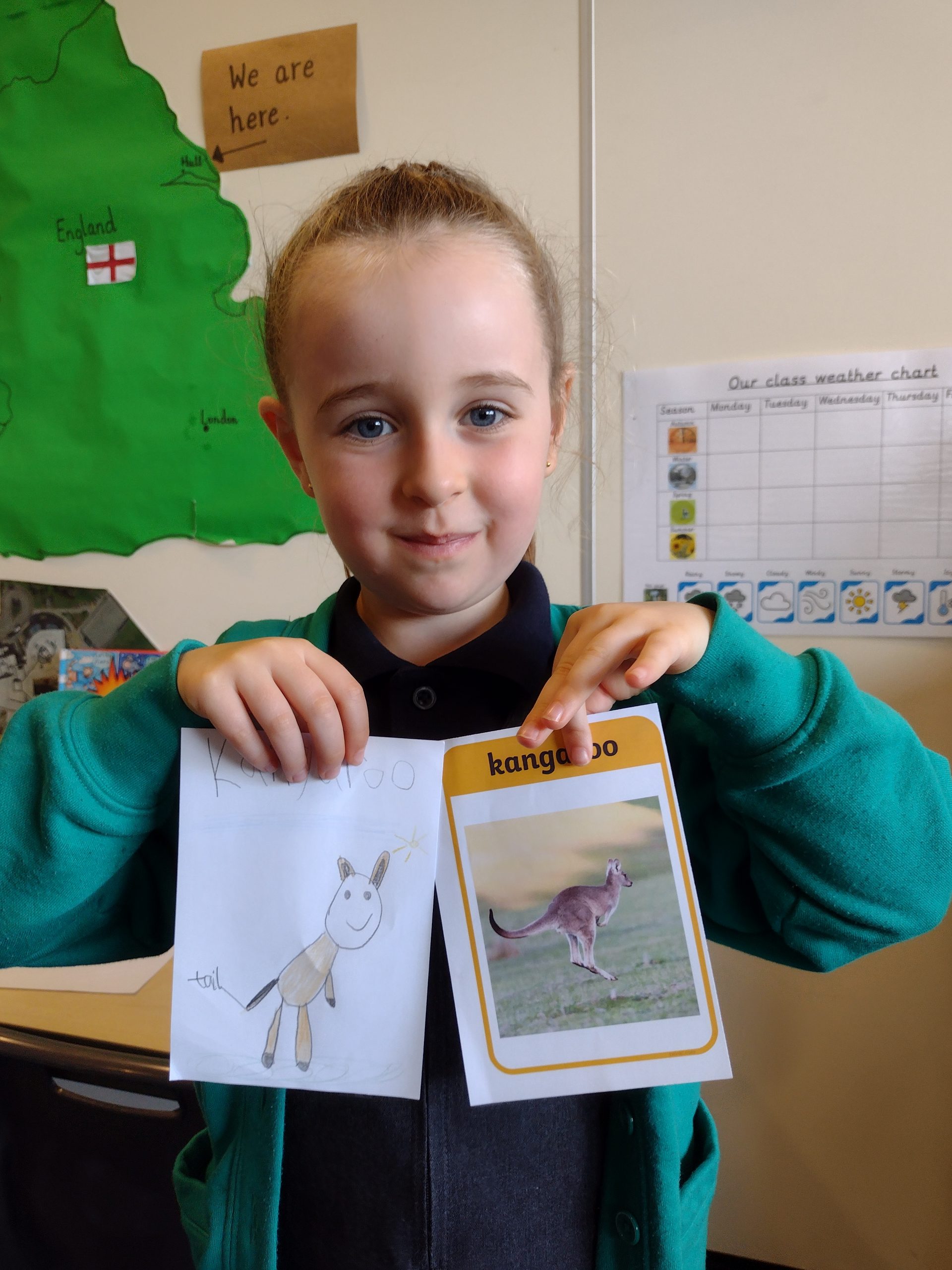
The children got into partners and were each given an animal to compare and contrast. The children looked closely at the features of the animals and then grouped them together based on their characteristics. Here is what some of the children discovered:

“Those animals and have wings and feathers so they must all be birds.”

“They can all lay eggs and have scales so they can be grouped together.”


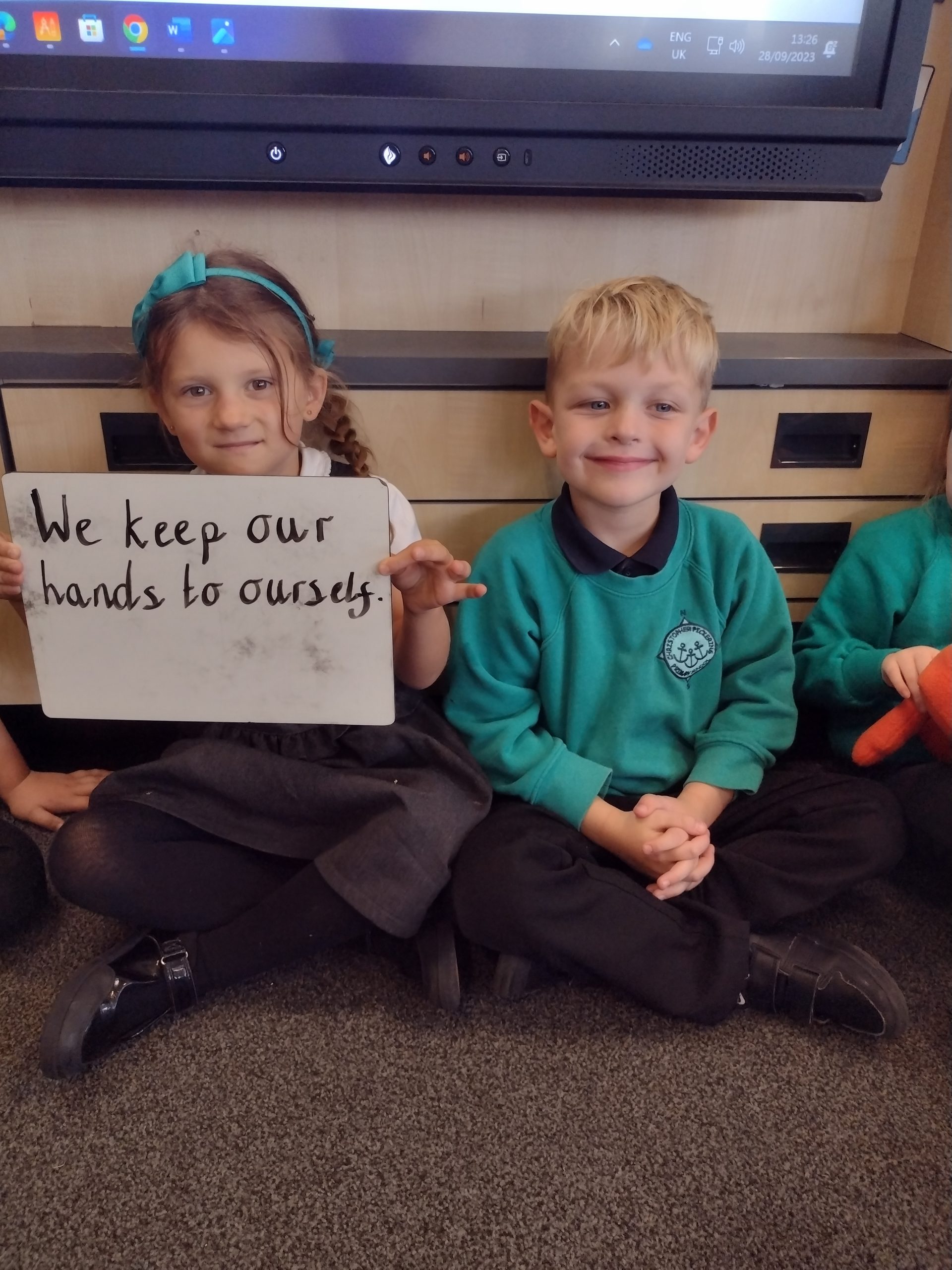
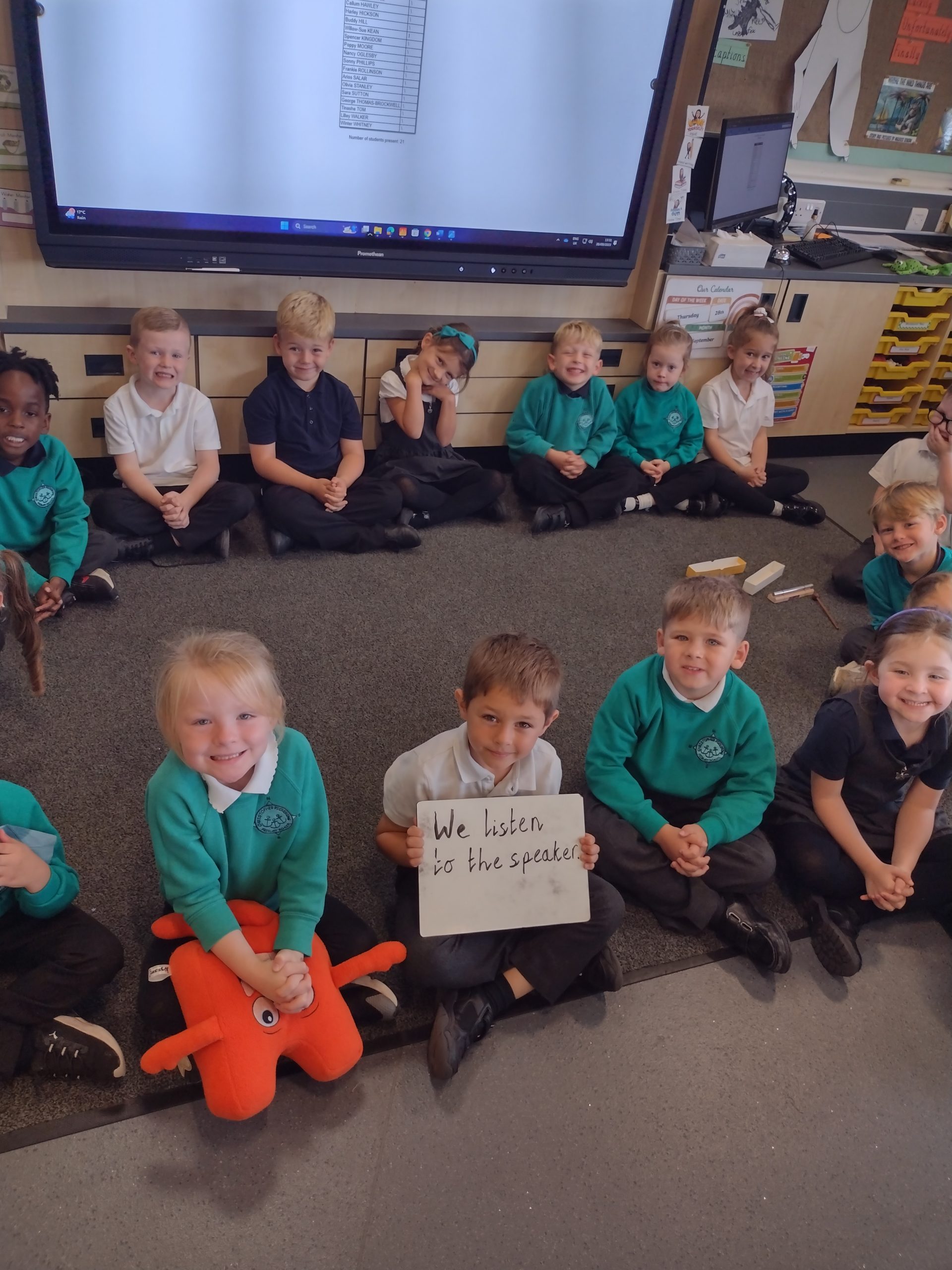
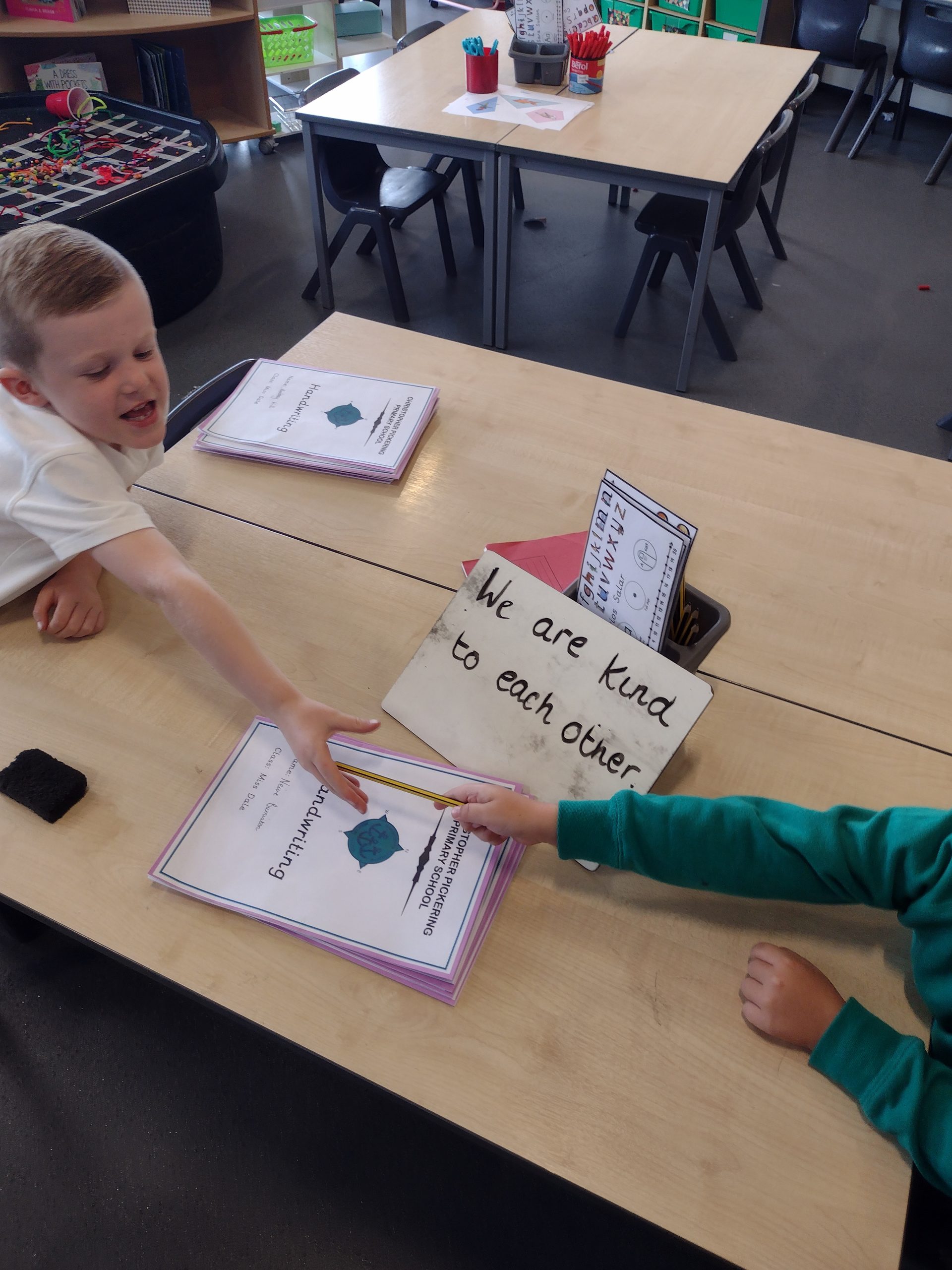
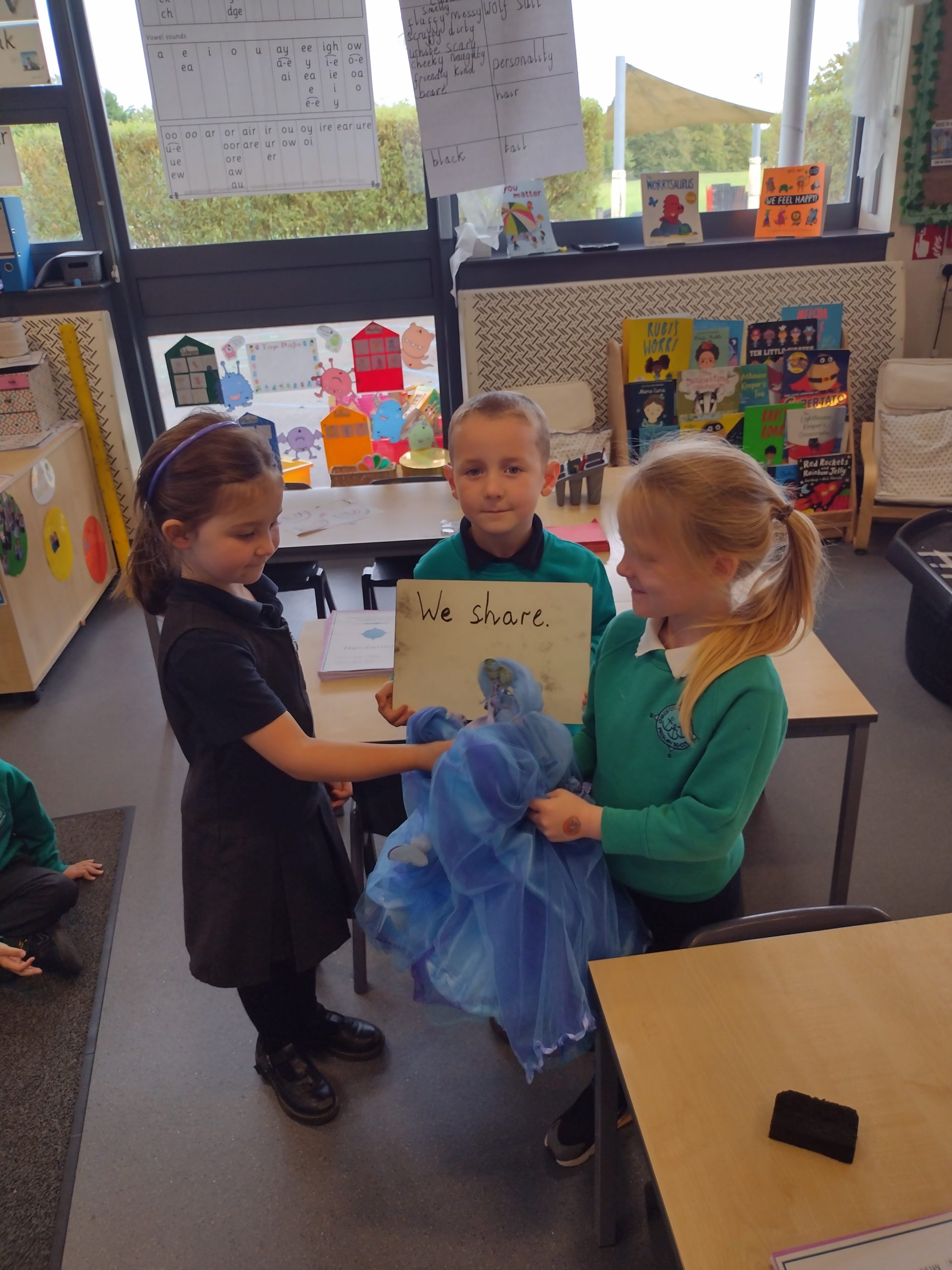
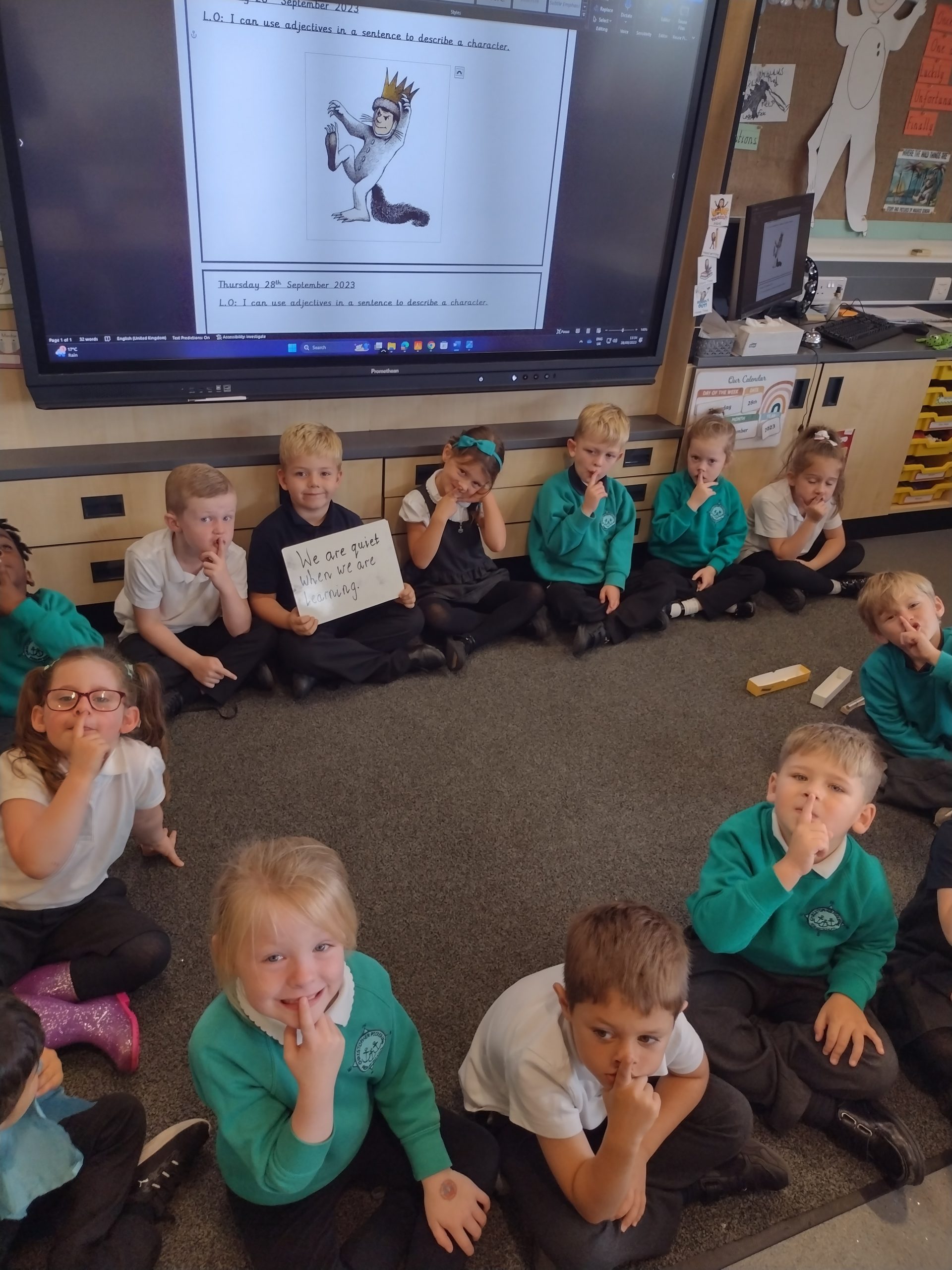
Year 1 have really been enjoying our weekly Jigsaw lessons with Jigsaw Jack. This week we were looking at what our responsibilities were for being a member of a class, in order for all children to learn in a safe space.

This was some of the ideas the children came up with. We wrote all our ideas down so we can keep referring back to this week after week!

Are animals bodies the same as ours?

This week in science we re-capped our learning of the human body parts and our 5 senses. We then wanted to explore the enquiry ‘Are animals bodies the same as ours?’. This is what a few of the children said at first:

“No they are not the same at all as they have feathers.”- Harley

“No they don’t all have hands!”- Jessica

We then looked at a range of photographs of different animals and we looked at what was the same/different comparing them to the human body. We noticed common similarities such as eyes, noses, mouths, legs even though on each animal they looked different!

We then labelled animal body parts that humans don’t have e.g tusks, horns and claws!


Why do I have senses?

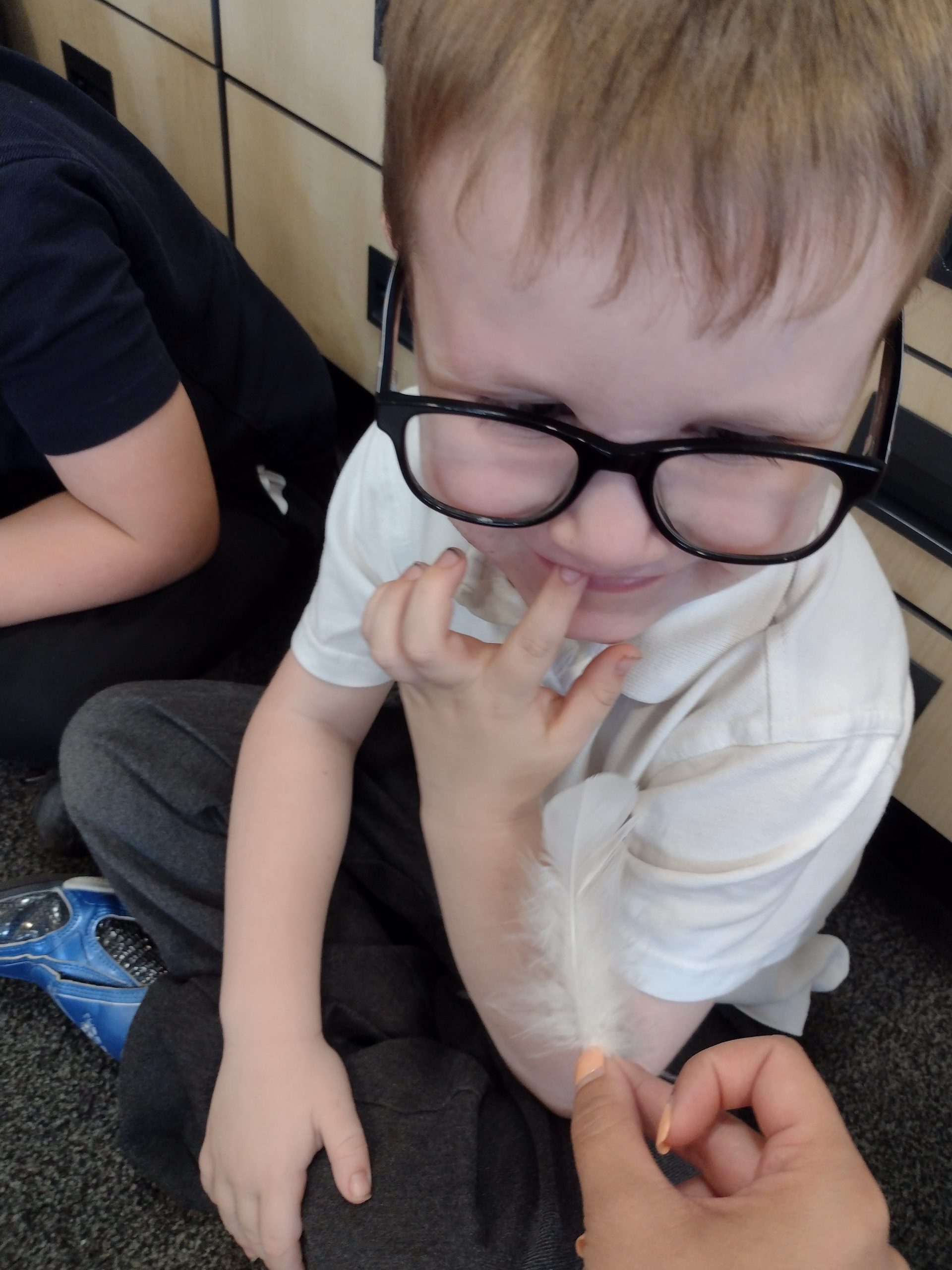
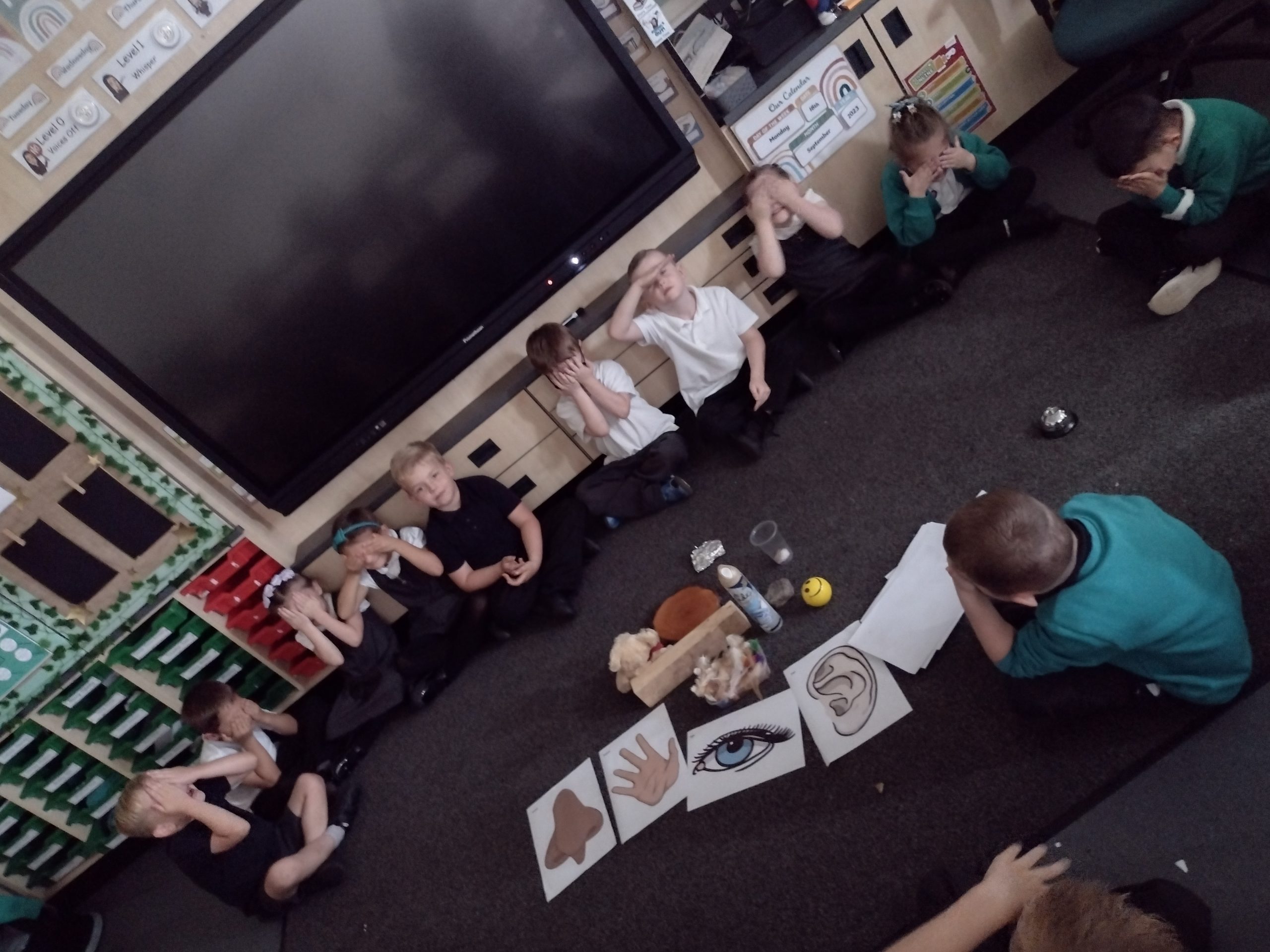
To explore our 5 senses we explored each one carefully. We first started with touch.

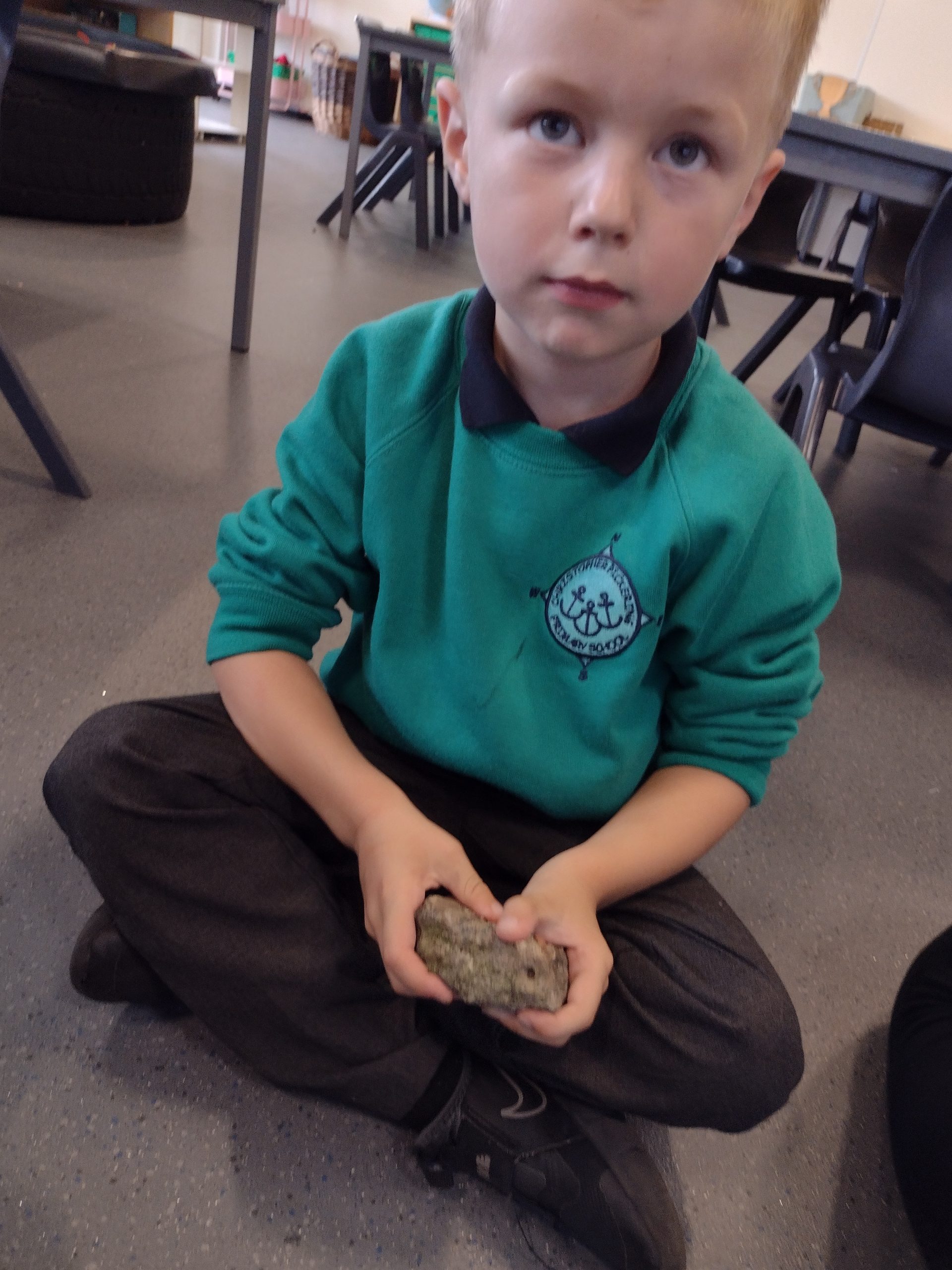
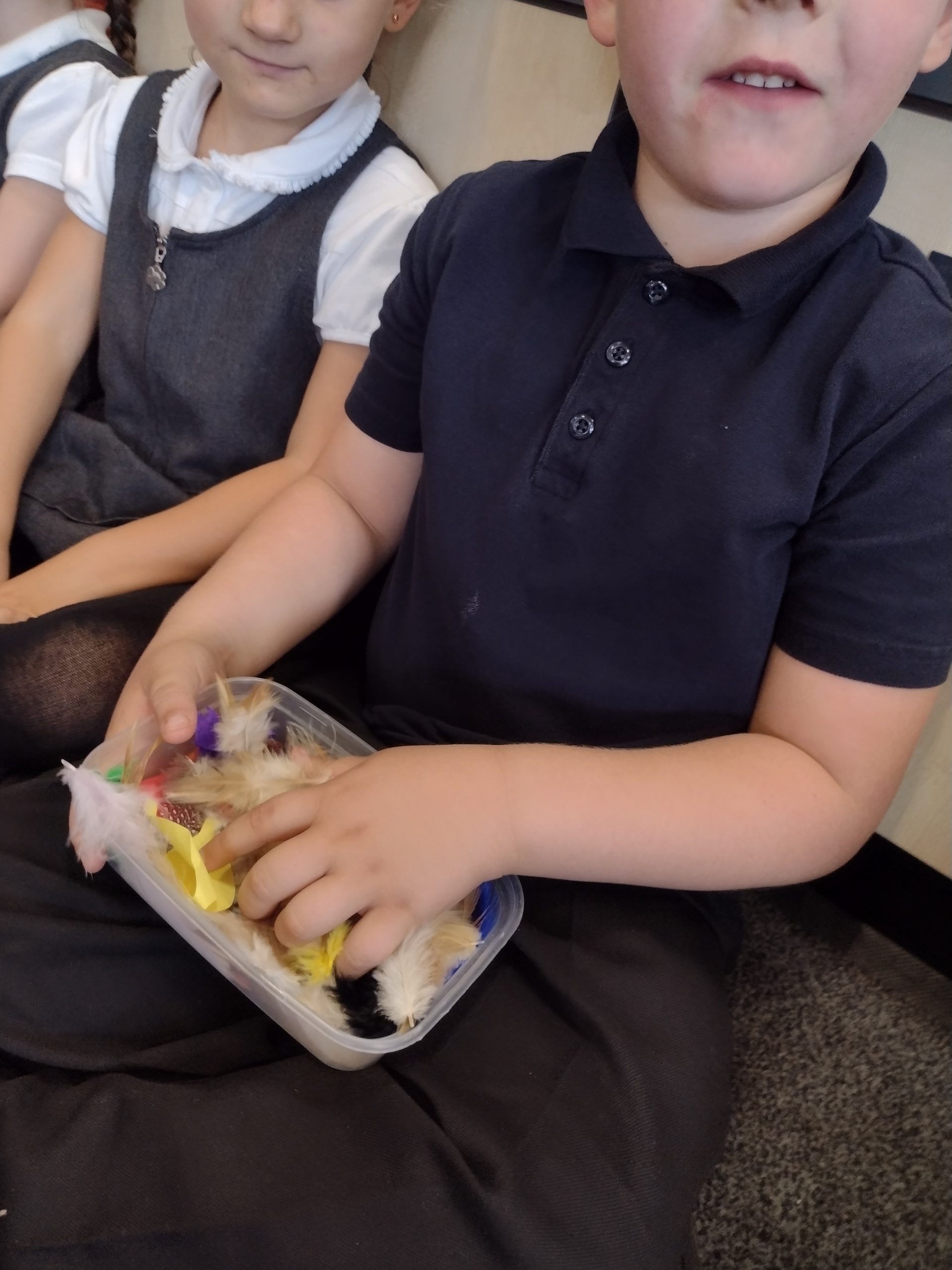
The children first discussed that we use our hands to tell if something is soft, rough, smooth etc. To explore this we passed round different objects.


I then asked the question “Can we only feel with our hands?”. A lot of the children first agreed and said yes. Then we discovered that you can still tell if something is soft/rough if it touches your skin on your arm/leg.

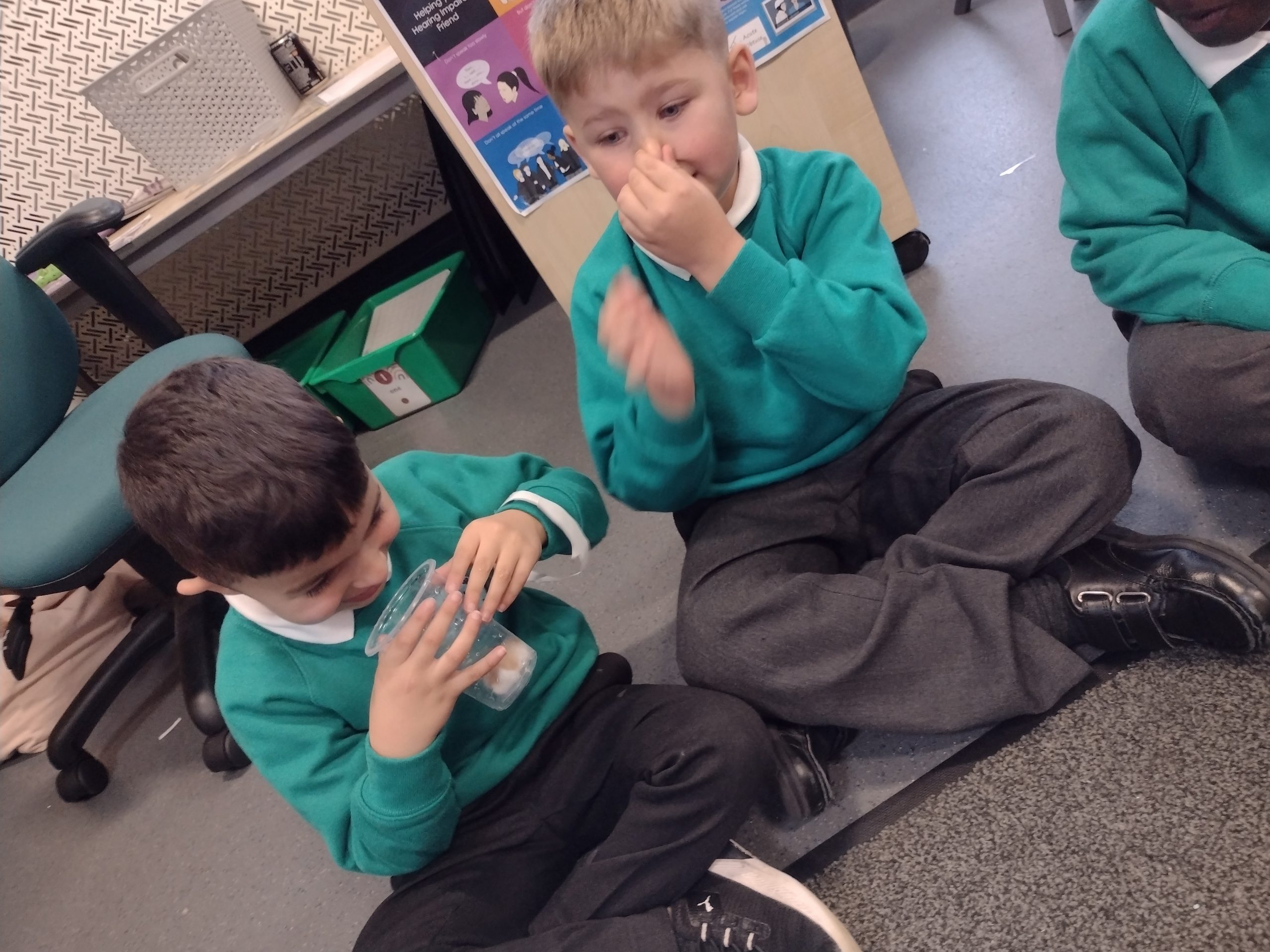
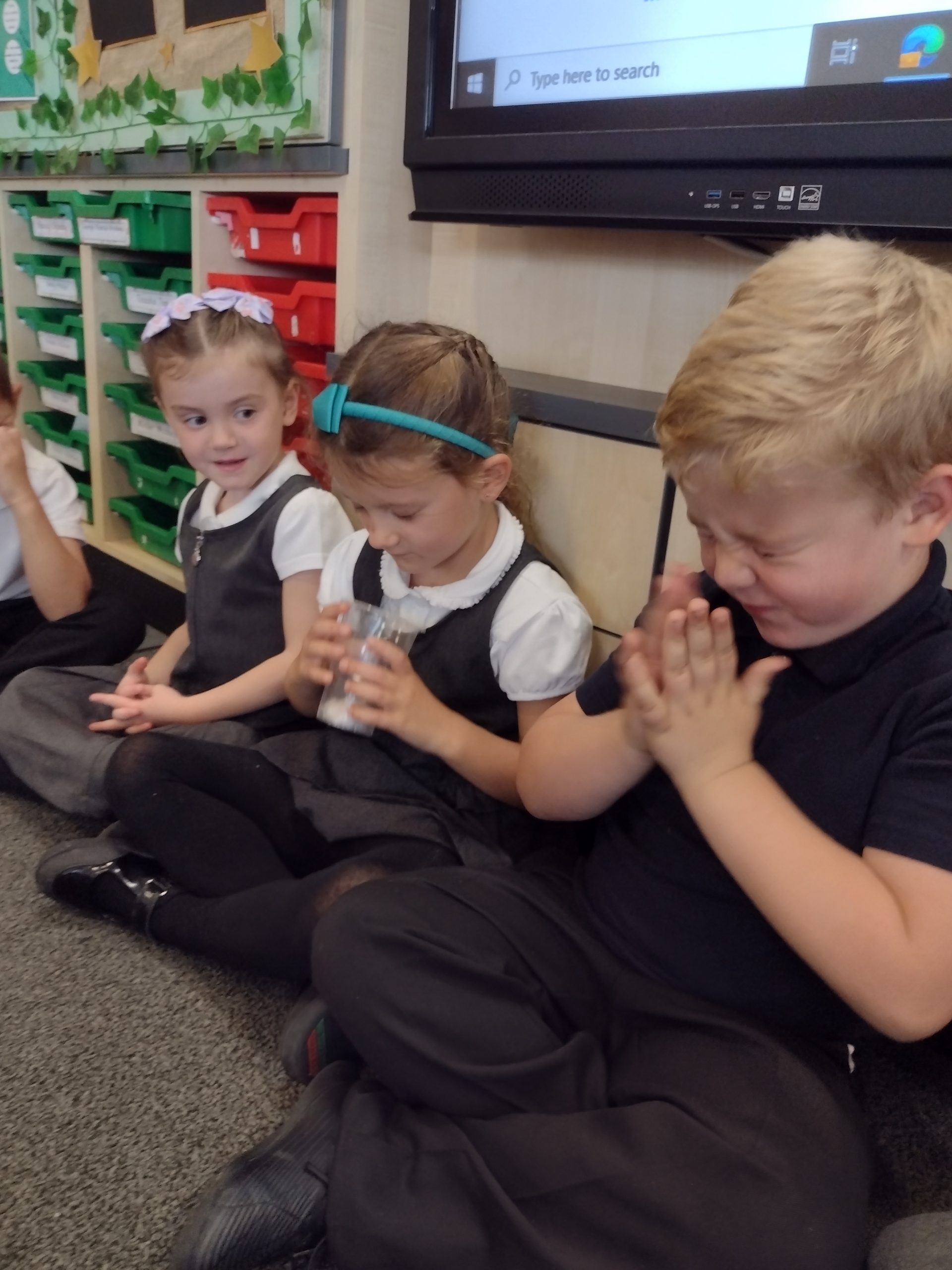
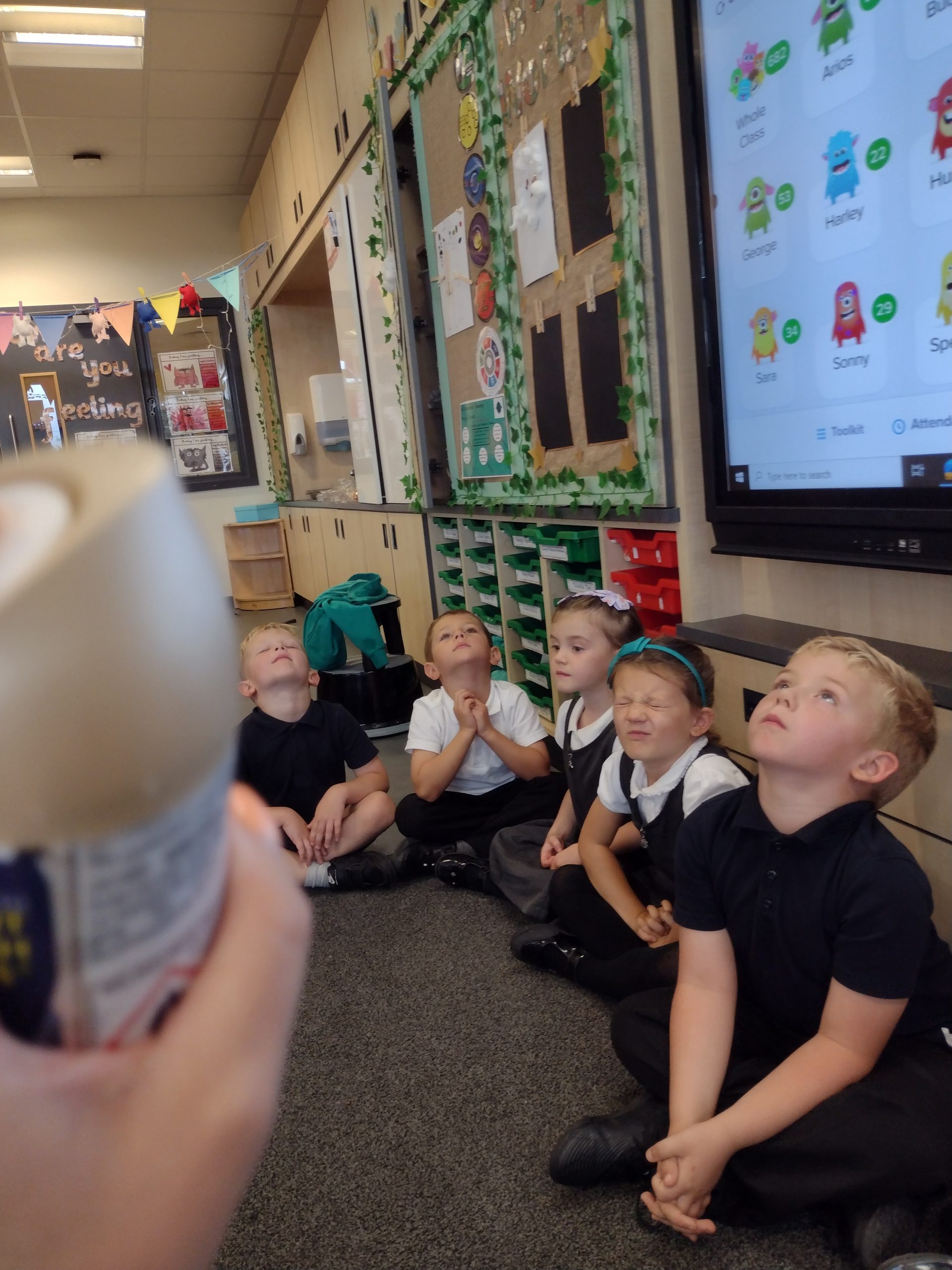
Smell

We then explored our sense of smell. The children could identify that we use our nose to smell.

We smelled vinegar which some children said was disgusting but most children loved the smell of the room air freshener.

Taste

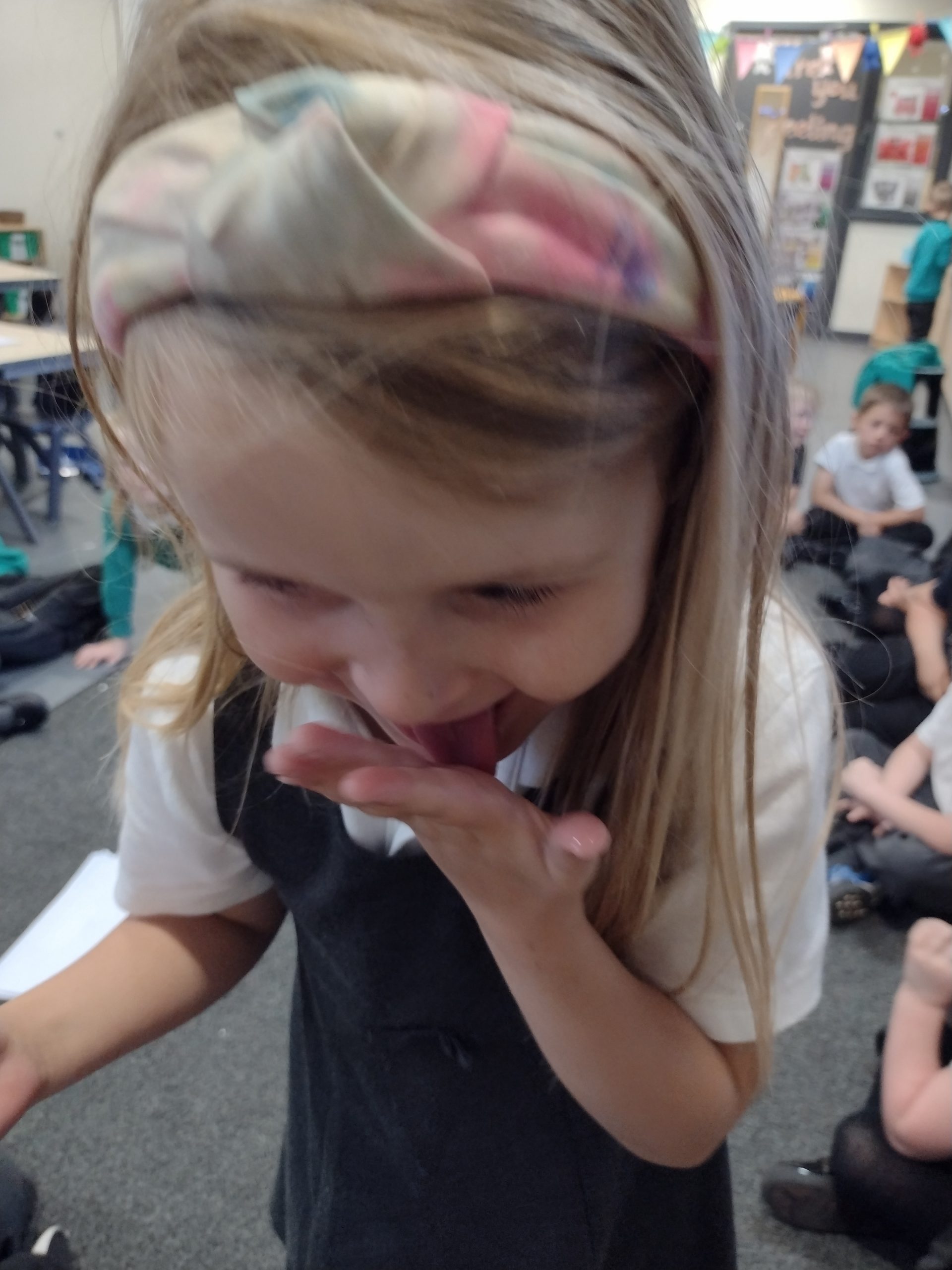
Next it was time to explore taste. We tasted salt and sugar first with our eyes open. We talked about how clever our tongue is and how everybody likes different things. We then did a comparative test to see if we closed our eyes, do our taste buds grow stronger? Some children agreed it did, but some said it tasted the same.


Sight

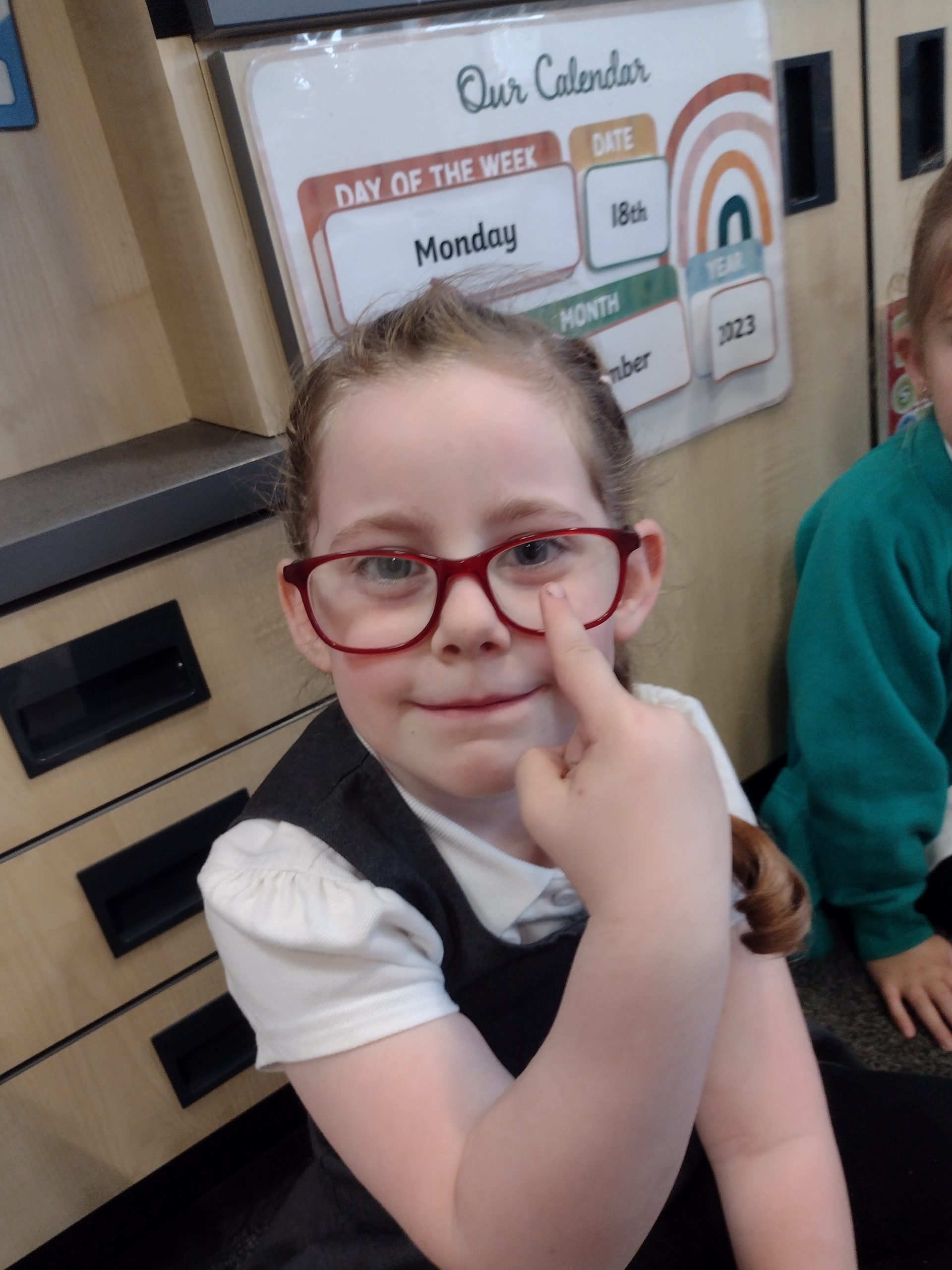
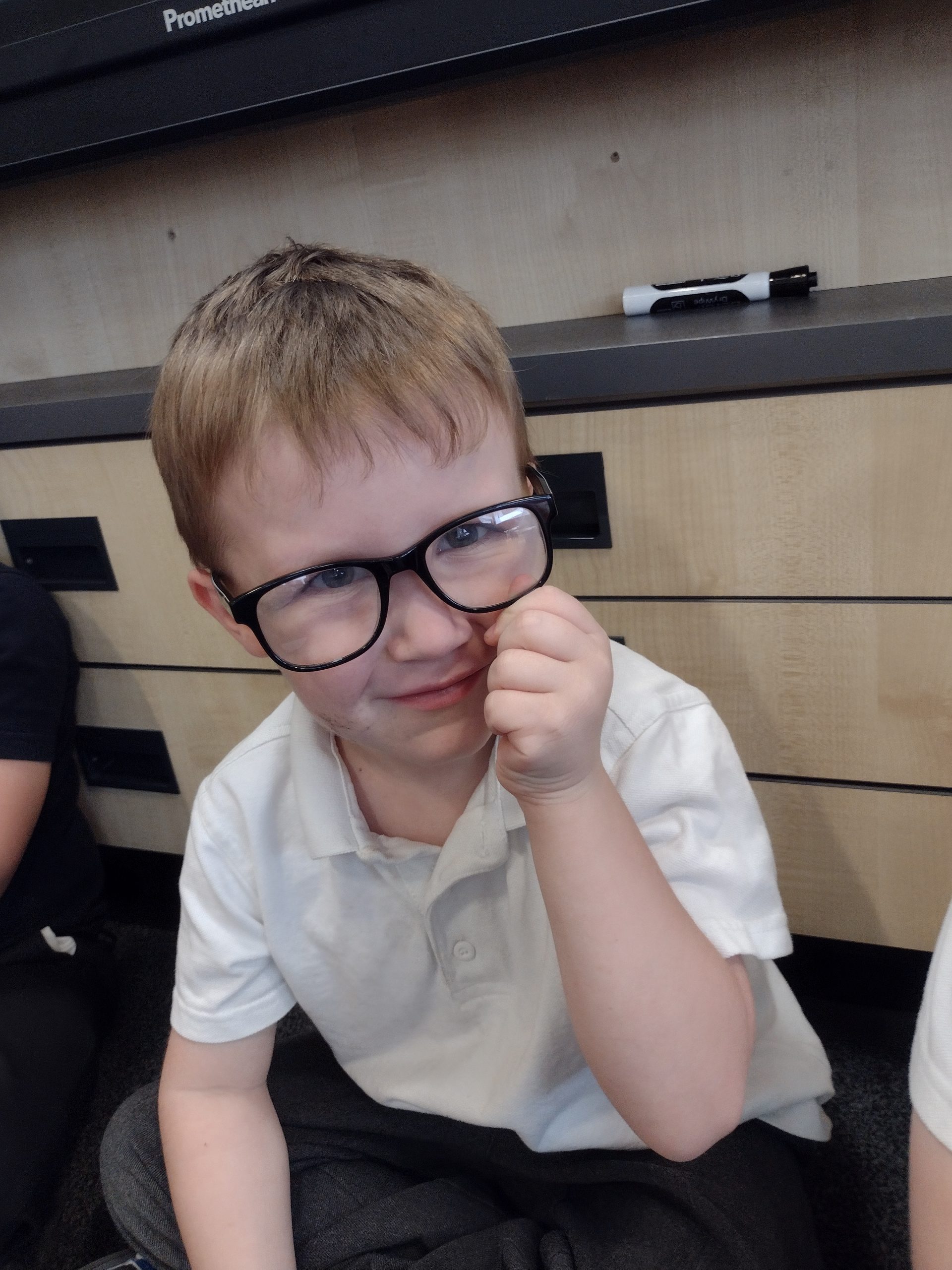
The fourth sense we investigated was sight. We discussed how some people may need help with their vision and that is why people might wear glasses. The children in the class were very excited to show off their glasses to the class.


Eyes help us to see the world around us. We played a quick game of classroom eye spy!

We then turned all the lights off in the classroom and shut all the blinds to see how amazing our eyes are at adjusting to the dark.

Hearing

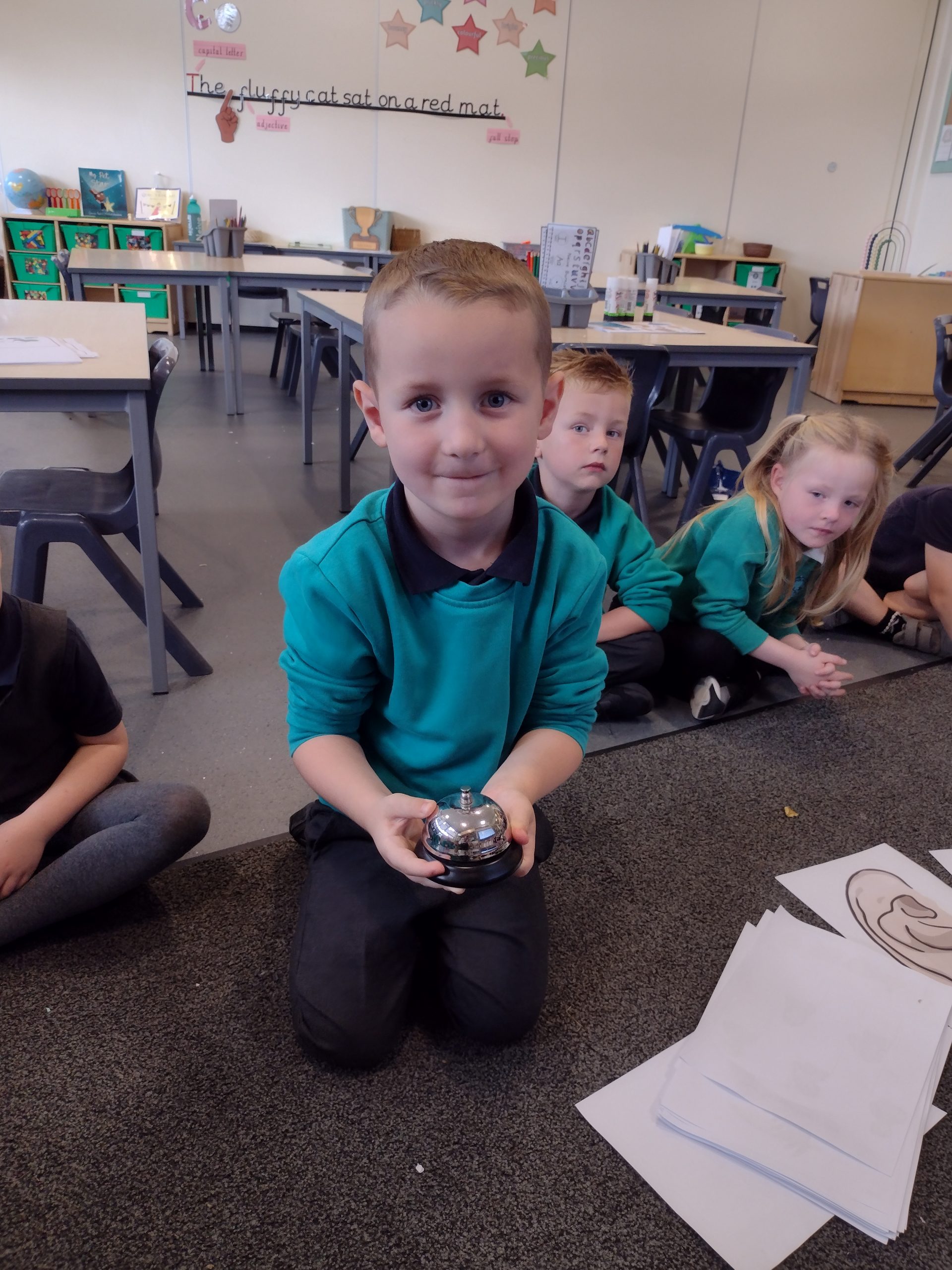
The final sense we explored was hearing. The children knew we used our ears to hear and that just like sight, some people may need extra help so that they can hear. We discussed all the different things we use in school that we listen and respond to everyday!


What are bodies and what can they do?

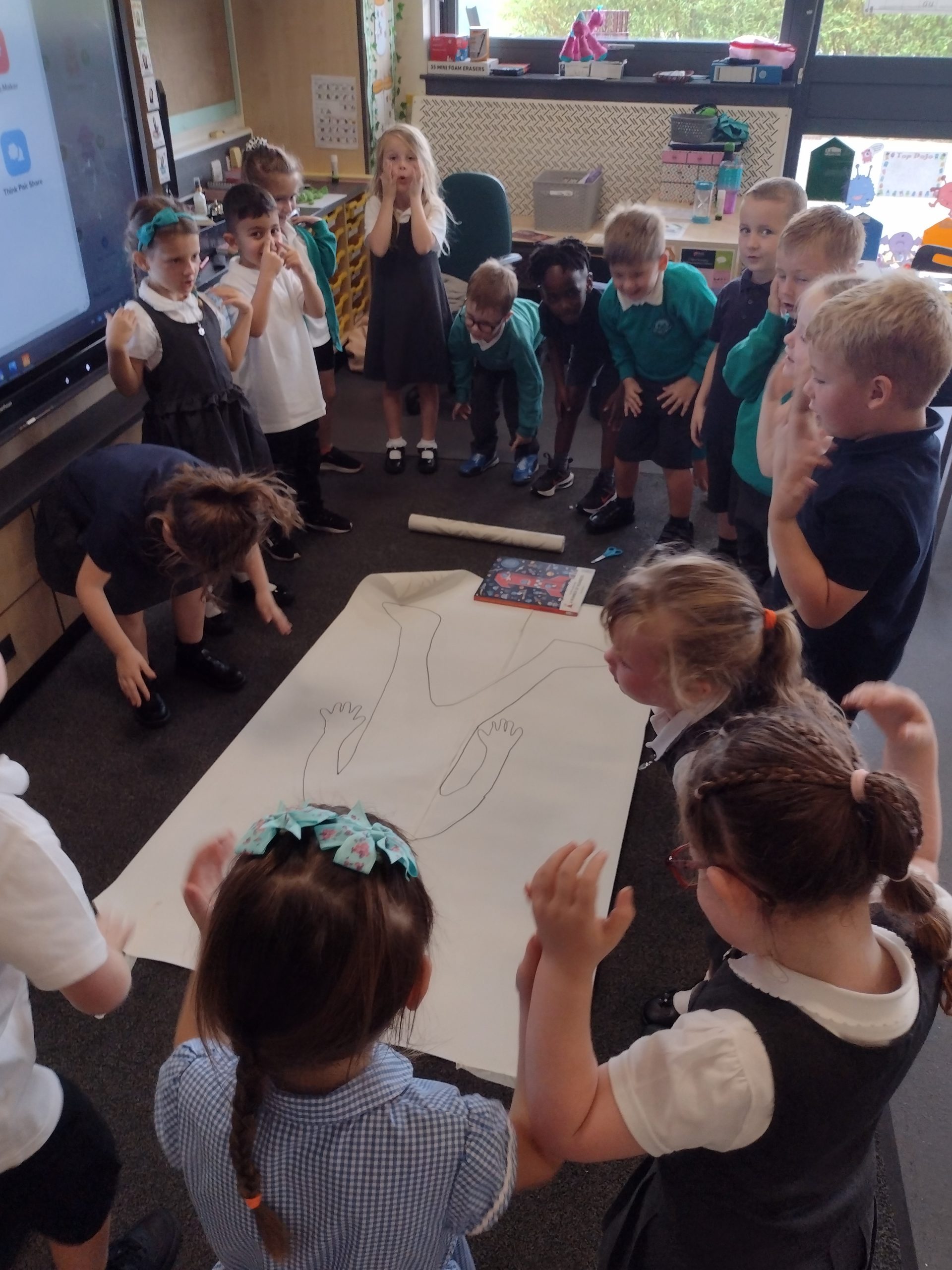
Our first lesson of the unit ‘animals including humans’ we focused on the enquiry ‘What are bodies and what can they do?’.

To start our lesson we sang the song ‘head, shoulders, knees and toes‘.

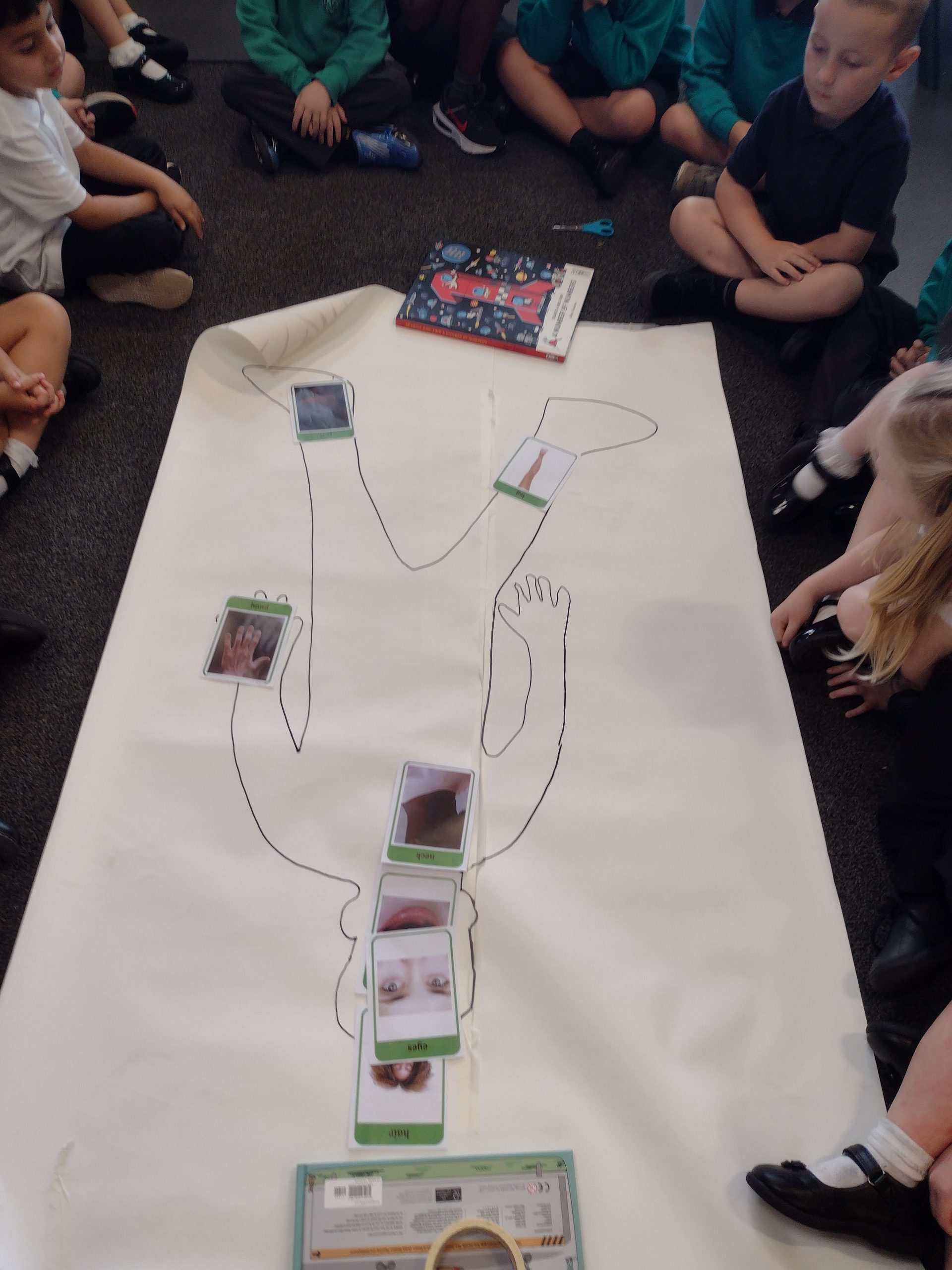
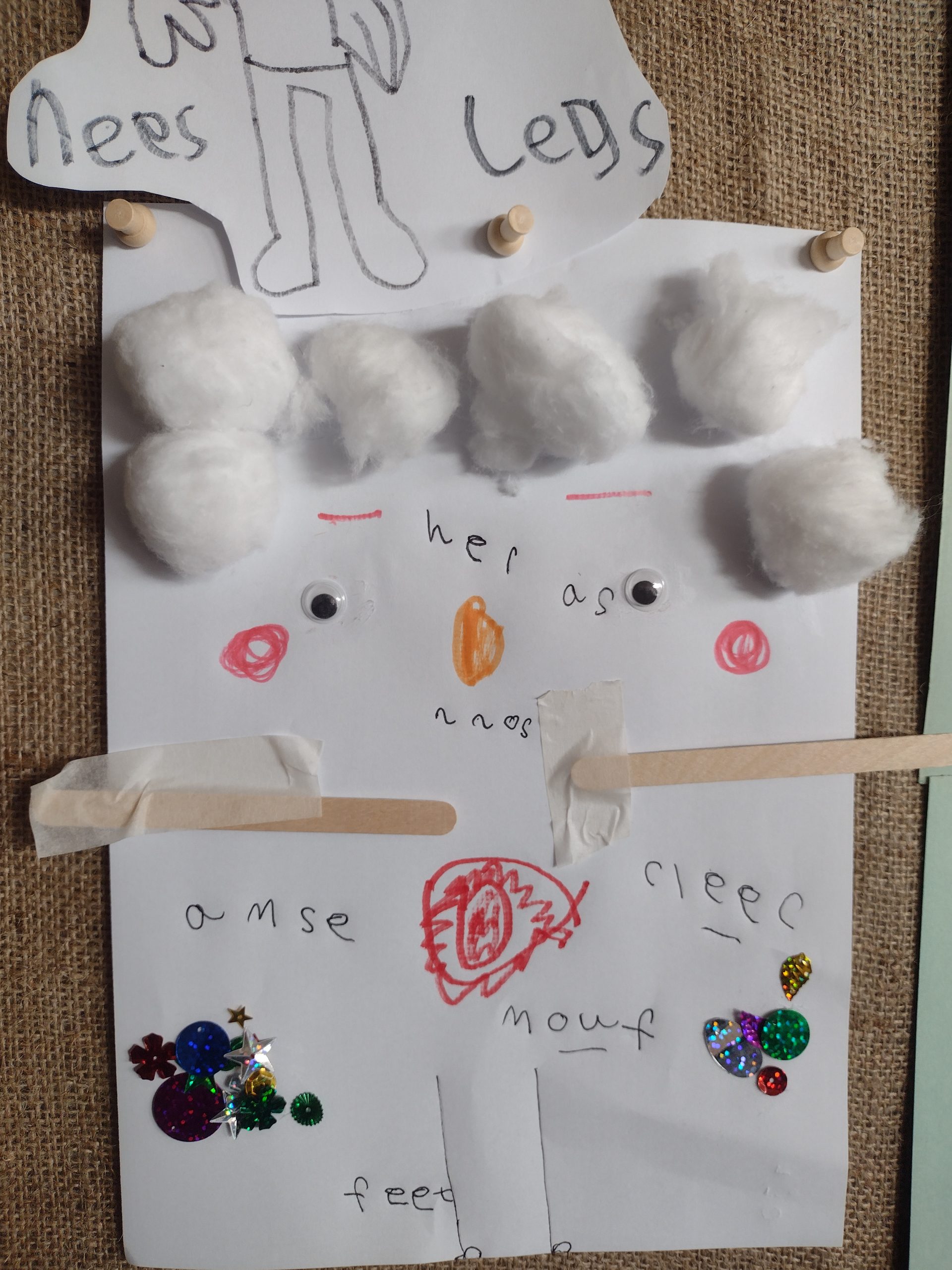
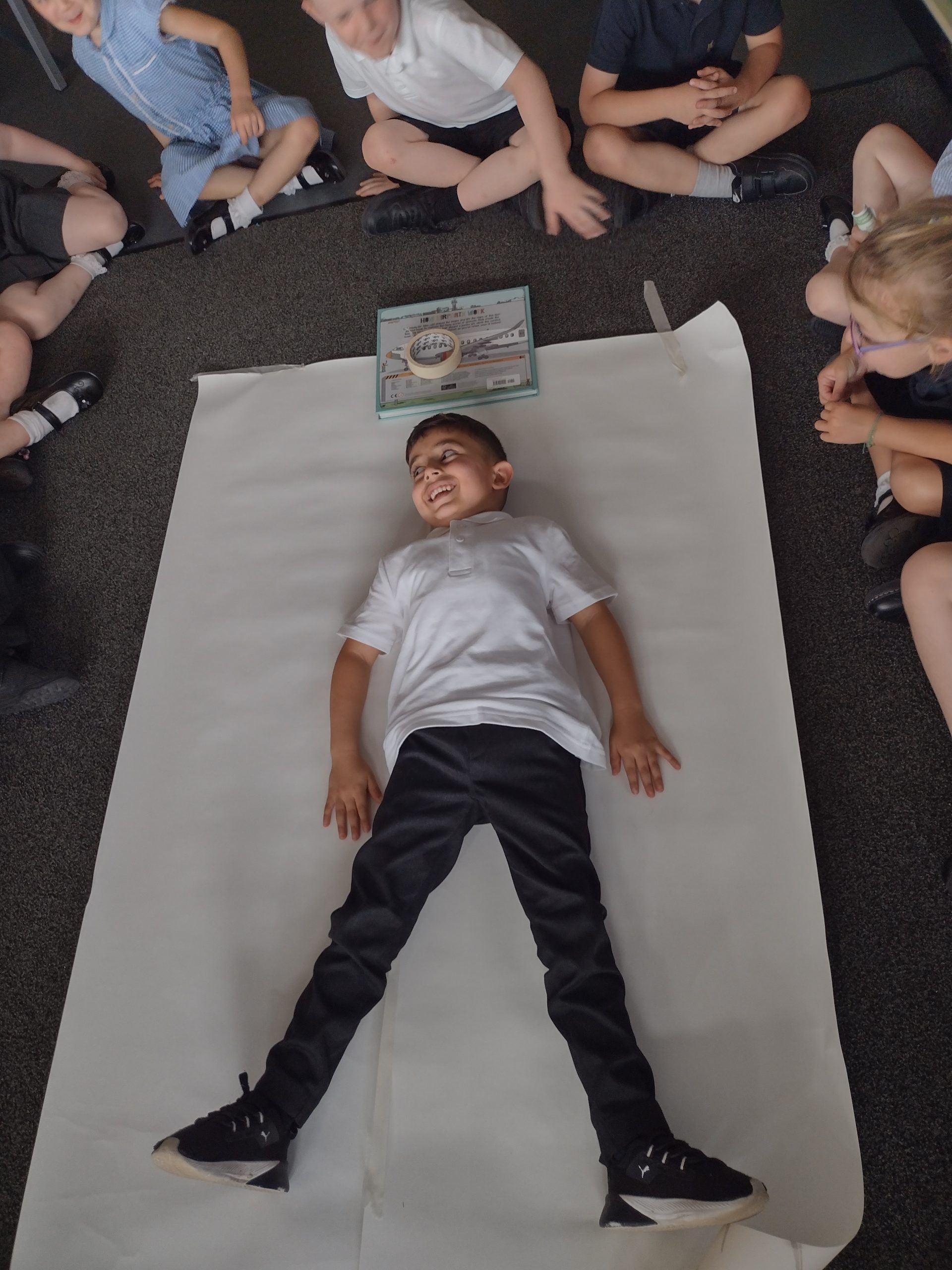
We then drew round Arios so we could then label human body parts. We had lots of fun!

Here are what some of the children said:

“We have a heart to pump blood around our body“- Buddy

“We have eyes so we can see“- Jessica

“We have a skeleton which is made of bones to make sure we do not look like jelly”- Neive

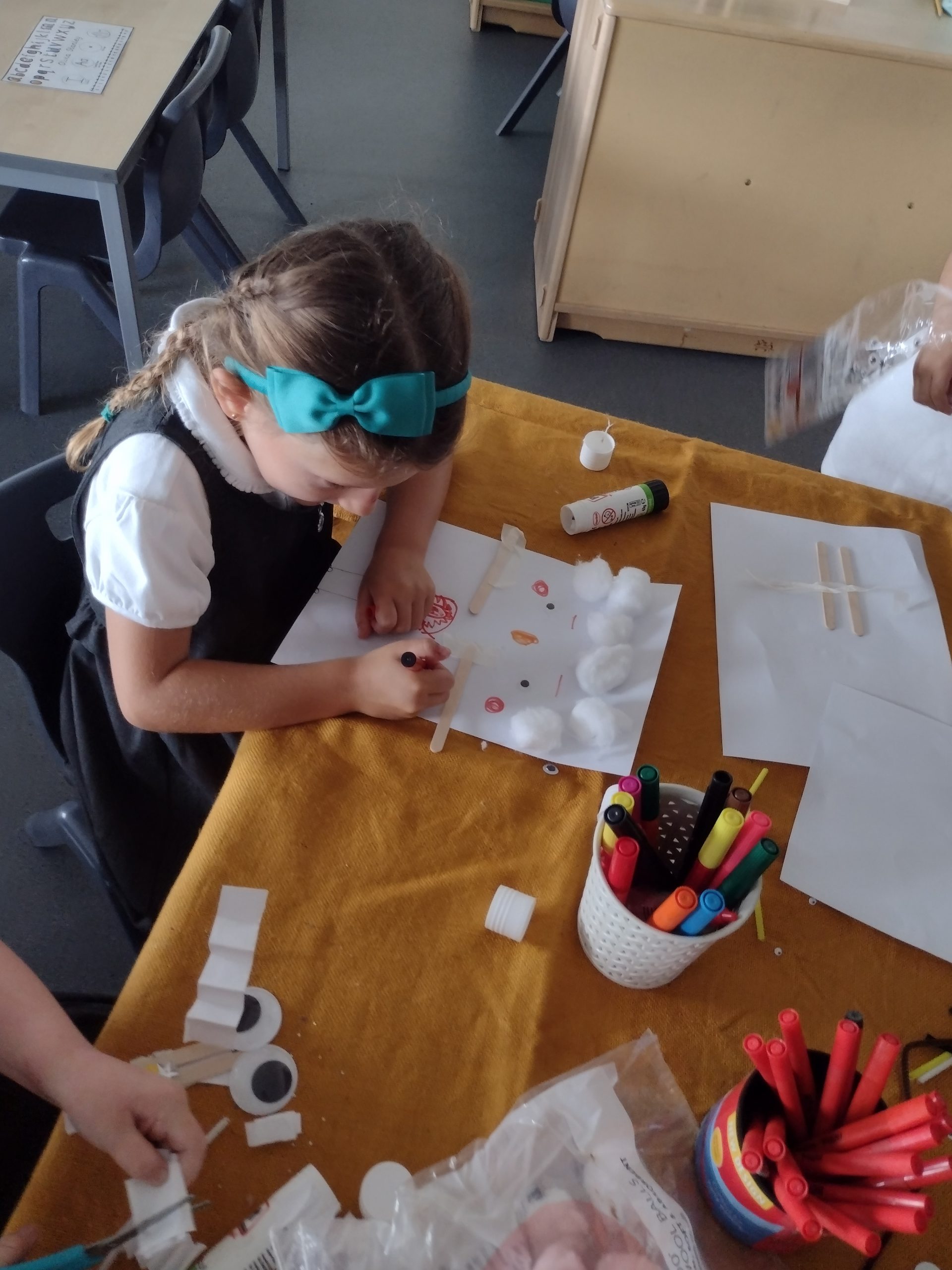
We then continued our learning through our continuous provision. We made and labelled the human body for our science working wall.

Here was one Olivia made!

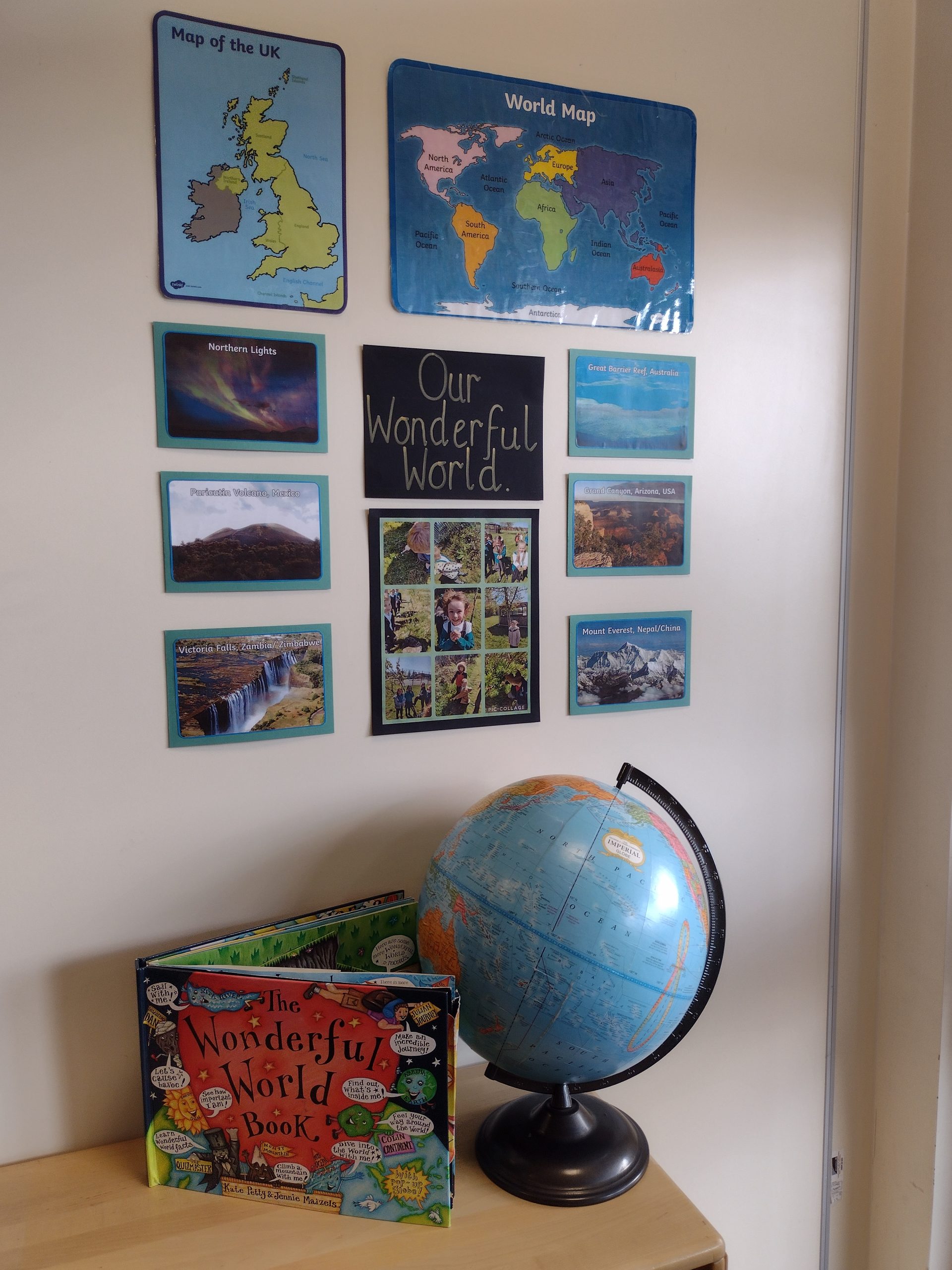
Why is the world special?

In year 1 this term, the children are exploring why the world is special.

For our first lesson, the children looked at some of the natural wonders of the world and discussed why these are special.

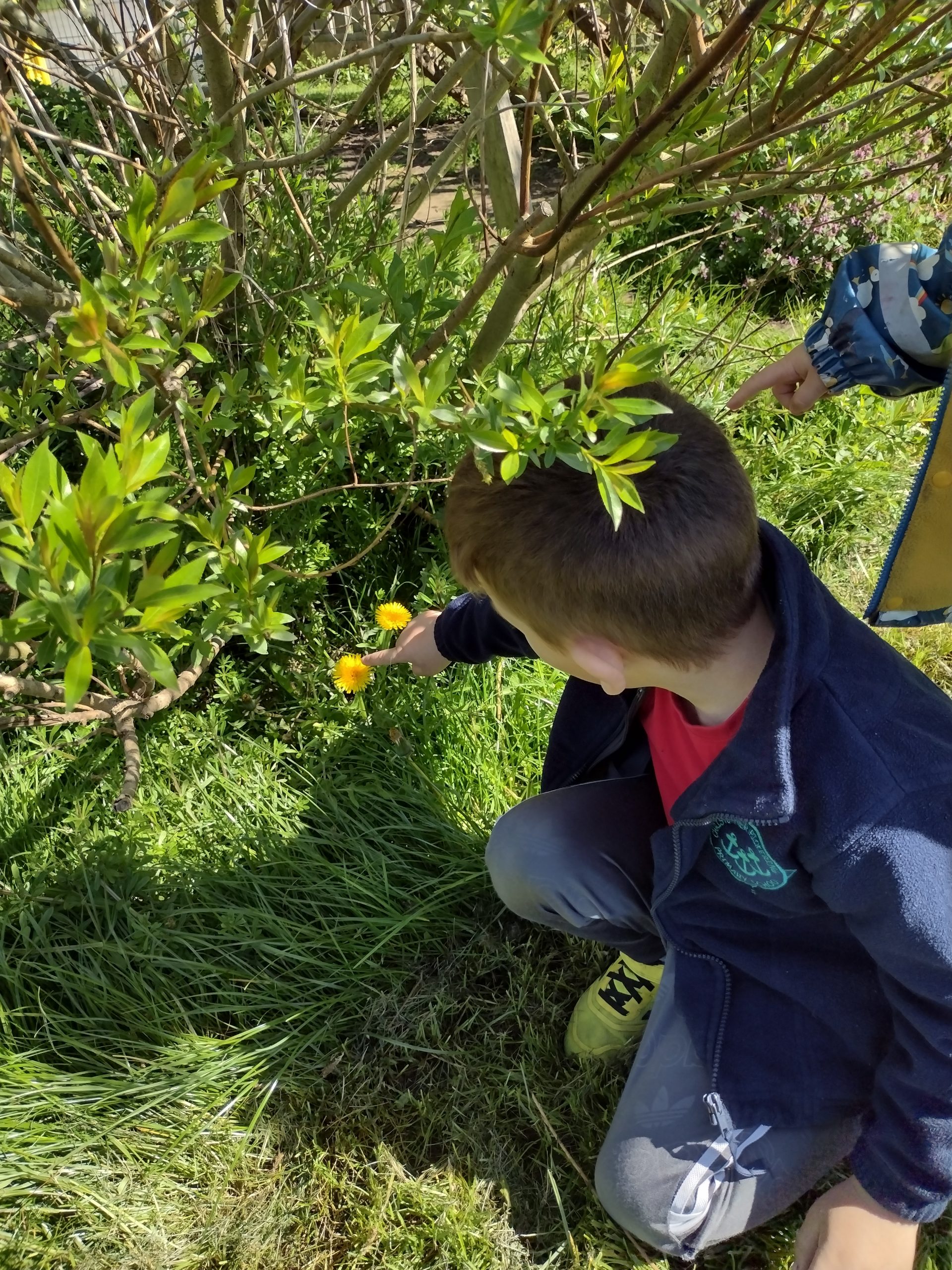
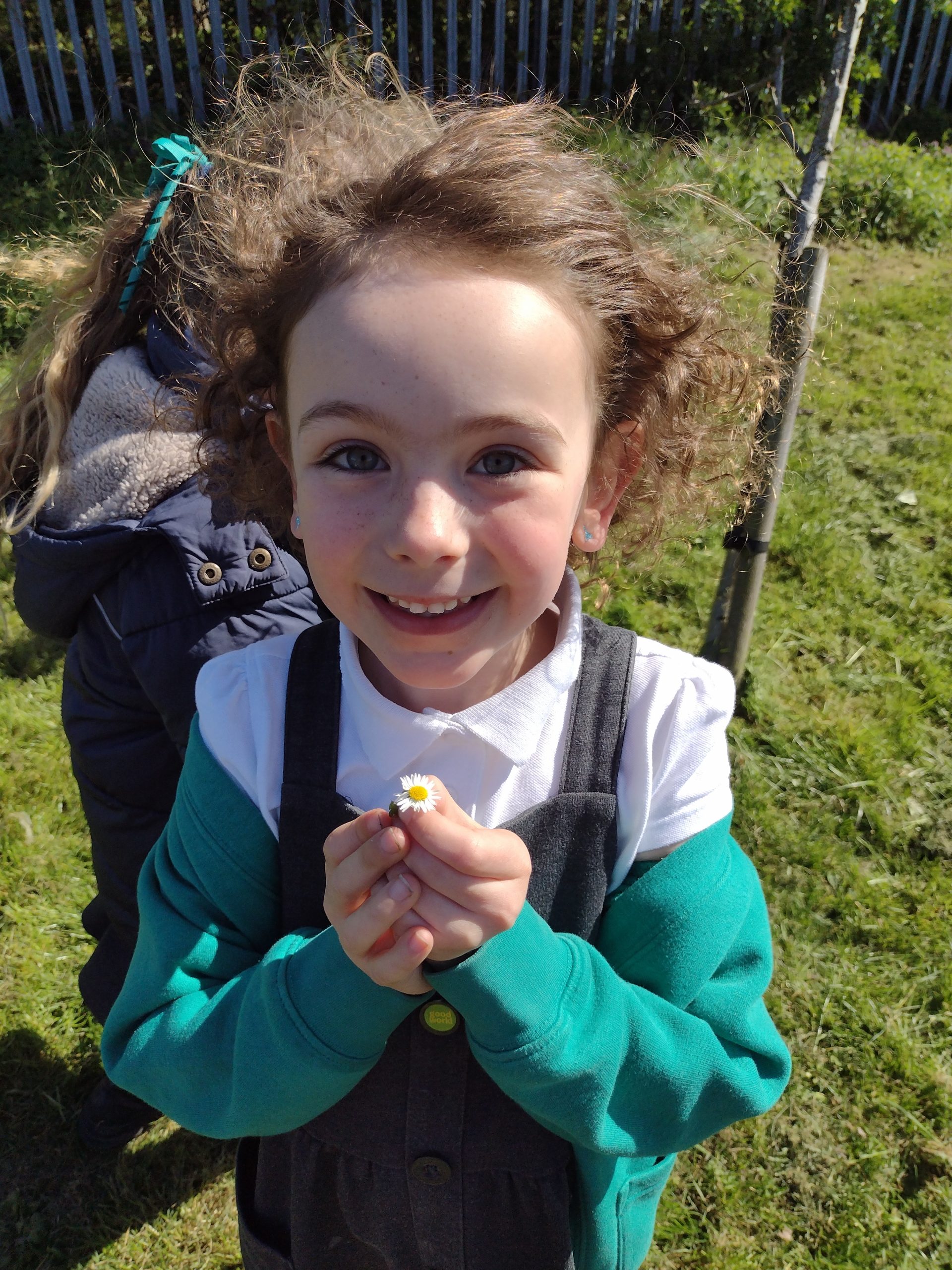
We then explored the school grounds and identified things which they thought were wonderful.


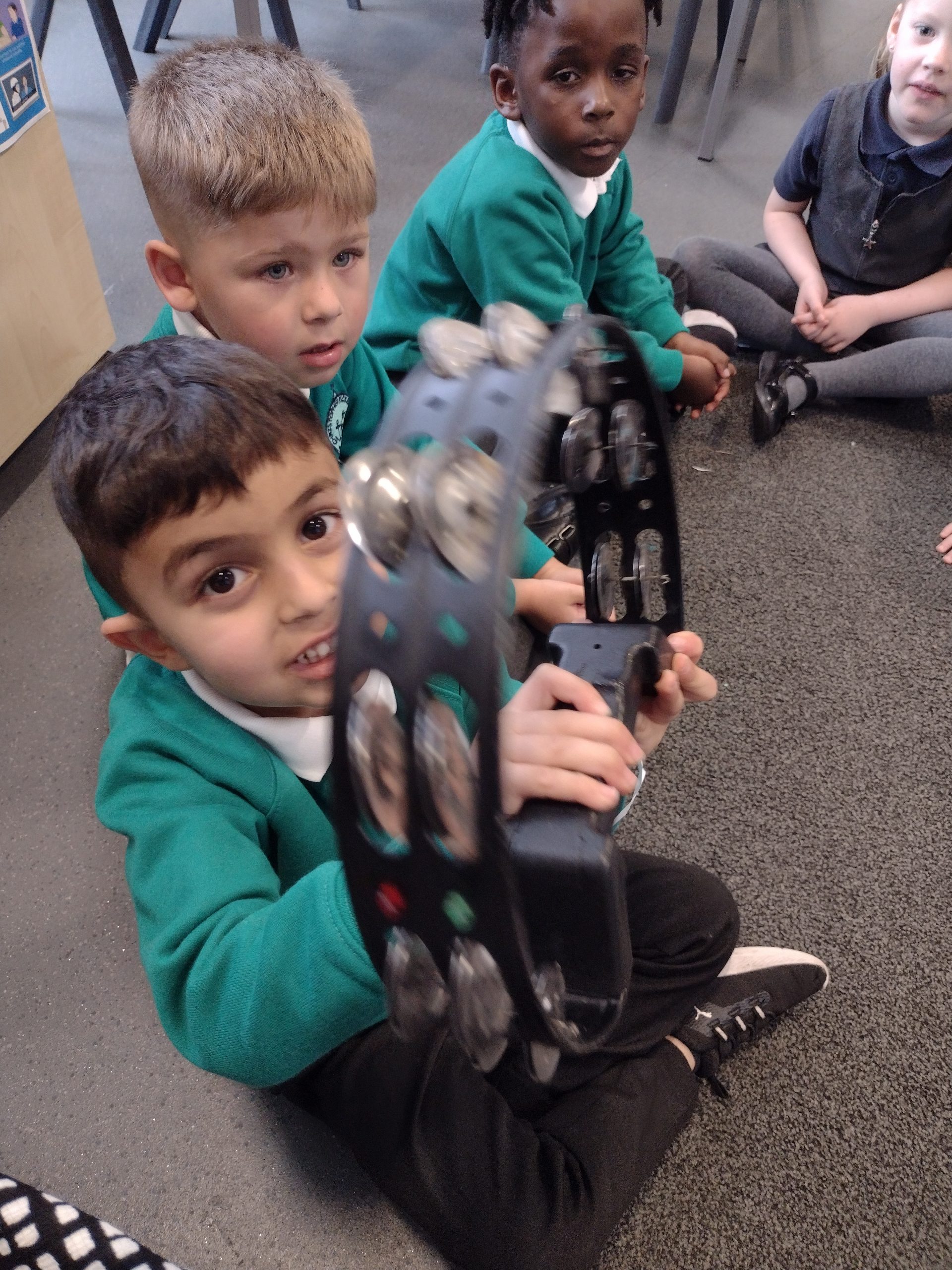
In the second lesson, the children listened to, appraised and learnt the song ‘What a wonderful world’ by Louise Armstrong.
IMG_0760[2]

They also suggested ideas to keep the world precious.
Frank commented that ‘We shouldn’t litter as it might kill animals’.

Cody suggested ‘We need to put everything in the bin’.

Amelia said ‘Trees are like lungs so we need to tidy up.’

Rellie explained ‘The word precious means we need to look after something’.

First the children looked at books that are special to them and identified their favourite stories. Next we discussed the messages these books can teach us.

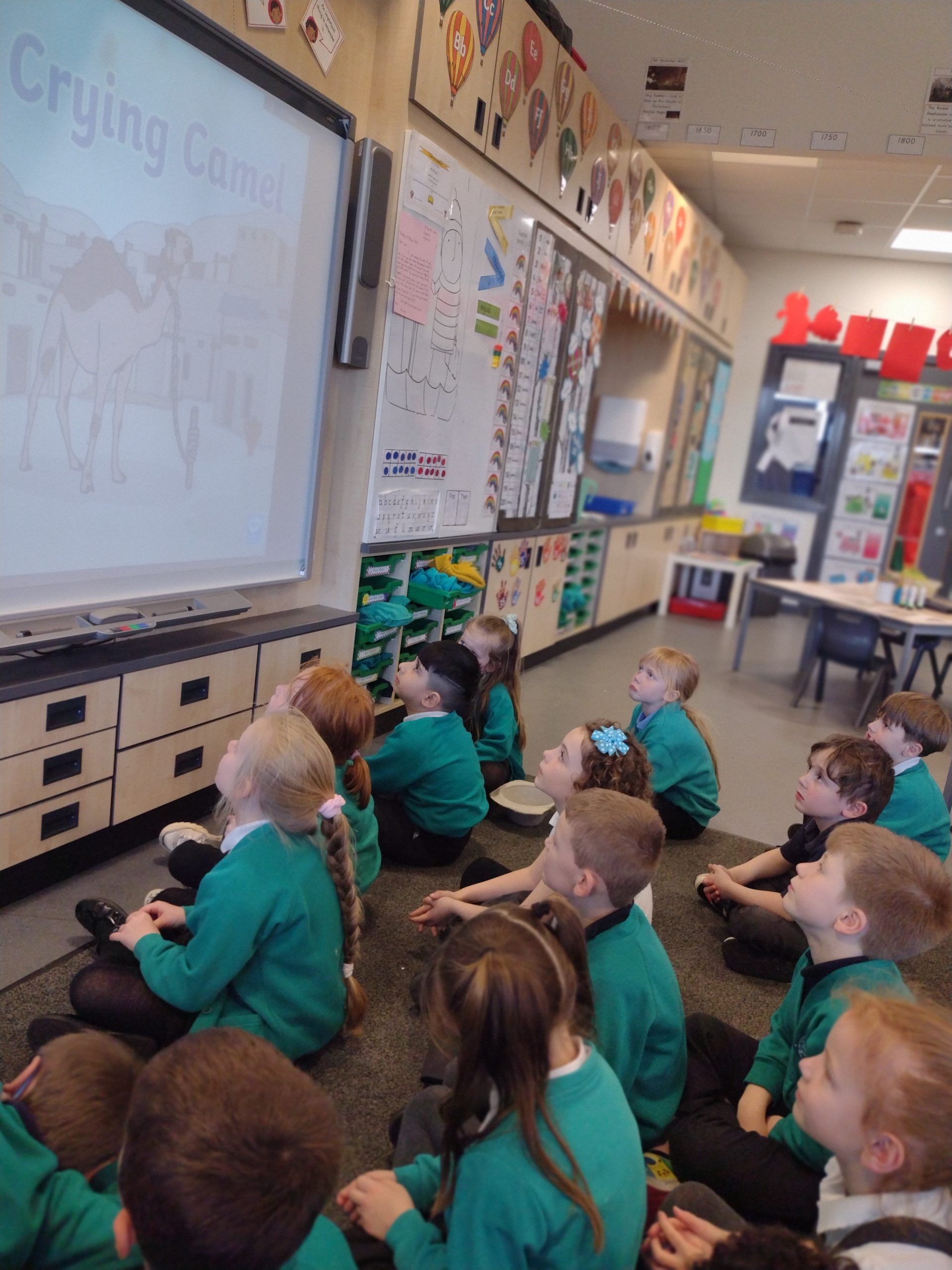
Then we discussed why religious books are sacred. The children learnt that the word sacred means something is special and connected to God. We looked at the story of ‘The loaves and fishes’ from the Bible. We then looked at ‘The crying camel’ from the Qur’an. We compared the messages that both of these books convey.


In the next lesson, the children had a discussion about why music is important to worship. We then listened to music from different religions and compared them. The children concluded that songs tell stories and music makes us happy.