ordinance survey

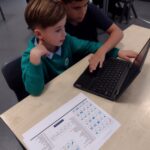
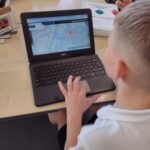
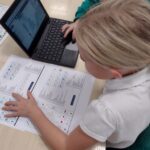
As part of our geography this term, Year 3 have been using an amazing online resource called digimaps. We have been able to look at different maps from 1890’s, 1950’s and today. We have compared our local area and discussed the developments that have taken place.

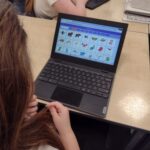
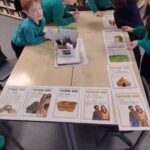
As part of us comparing these maps we needed a way to look at all these maps in the same way. We used ordinance survey icons to help us and we quickly spotted that things like churches have always been in our local area. We also spotted that things like viewing areas are a newer addition to our area as these were not on the earlier maps.

We really enjoyed using these ordinance survey symbols to help us identify lots of different features in our local area.

Scratch

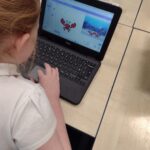
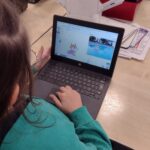
Year 3 are loving our new computing unit using the scratch programme.

We have spent time learning how to make our Sprite move, make sounds and even sequence a short string of sounds and movement together.

Some of us have made our Sprite walk across the screen before shouting, some of us have made our Sprite sing and dance to music.

We have also explored how to change a background when creating our scratch clips and even change our Sprites to different things.

We can’t wait to create more clips on Scratch.

Lunar New Year

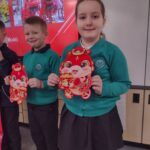
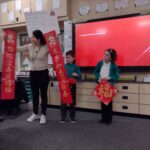
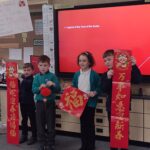
As part of our Mandarin music lessons this term. Year 3 were very lucky to learn about the Luna New Year from our Mandarin teachers.

We found out about how important the New Year is and how this special time is spent with families. We discovered the importance of red envelopes and how these are given to younger members of the family with a wish for health for the coming year, as well as containing money.

We also discovered how houses are decorated with lots of red decorations and lanterns and the types of food that are eaten. lots of families spend time making dumplings together before they have their special family feasts.

We were excited to find out that lots of us were born in the year of the Rooster. Did you know this year is the year of the snake?

Chronology

To start our new topic in Year 3, we have spent time looking at events and new items that were introduced between the Stone Age and the end of the Iron Age. We used the dates to help us put these things into chronological order. It got a little bit confusing as the dates we were looking at were BCE dates and we talked about how these count in a different way.

Stone Age to Iron Age

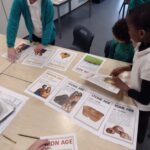
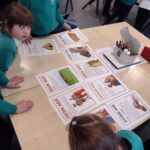
Year 3 are starting our new topic this week. It is called Stone Age to Iron Age. Lots of us realised we are going to be learning about a period of history that happened a long time ago. We discussed the word ‘prehistoric’ and its meaning as well as how we use the letters BC/BCE and AD/CE to define what time periods we are discussing. We were all fascinated that ‘prehistoric’ means pre history and that archeologists are our key to that time period along with artefacts that are discovered.

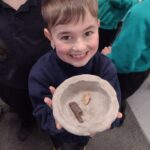
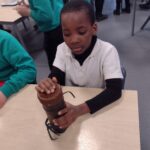
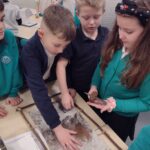
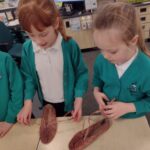
We had the exciting opportunity to start our new topic by looking at artefacts that would have been used during these periods. We looked at things such as animal skins, shoes and tools that would have been used to make life easier during this time period.

Soup making

As part of our Design and Technology unit in Year 3 this term, we are creating healthy soups that the fishermen could take on trips with them.

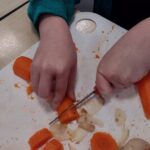
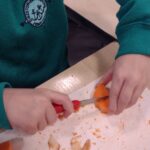
Before we can create our soups we have talked about healthy ingredients and what we could put in our soups. As part of the preparation to make soup we talked about how to cut the vegetables we are going to use.

We have practised our cutting skills this week in preparation for making our soup.

We all had the opportunity to practise both our claw and bridge grips to make sure we could cut our vegetables safely and securely.

We are ready to do lots more cutting when we make our soups now.

Trawling heritage of hull

Year 3 enjoyed our trip to Hull city center to discover all about the fishing industry and how it shaped Hull as a city.

We were very excited before we even arrived at the KCOM learning zone as we saw a portrait of Big Lil and could say why she was important. We spent some time at the beginning of the day recalling all the facts we already knew about the fishing industry. We knew lots of facts such as Hull’s first dock was built for whaling ships and was called The Dock but we were all surprised when we discovered this is now Queen’s Gardens..

We found out lots more information from our session with Children’s University. We were all very shocked when we discovered that Hull was once the worlds largest port.

Once we had discovered these facts we had the opportunity to go and ask members of the public the same information. We found out that older people knew lots of facts about the fishing industry in Hull however younger people did not know as much.


We spent some time finding out even more information about the fishing industry by conducting our own research. We got to find out what life was like onboard a trawler and and that fishermen only spent 3 days at home between fishing trips. This helped to give them the name ‘3 day millionaires’. We also discussed how important the Headscarf Revolutionaries were in preventing  many deaths at sea.

After our morning of research we got to see the influence of the fishing industry around the city. We visited many important sites including ‘The Last Trip’ memorial, the fishing gate where fish was taken to the markets from the trawlers and we saw one of the fish shops where lots of fish was sold in Hull.

Library

Year 3 have loved our first visit of the year to the Library. We had the chance to read books quietly, share books with friends and even listen to a story that Mrs Smith read.

We sat around the library and spent time looking at all the lovely books we have. Mrs Smith even sat and read a book as well as telling us which ones were some of her favourites. Lots of us want to read Charlotte’s Web after we heard about some of the things which happen in the story.

Symmetrical and asymmetrical

Year 3 are loving our PE gymnastic unit this term.

We have looked at how to hold poses, what symmetrical and asymmetrical poses are and what points of contact are.

We have shown each week how we can create different poses with extension whilst ensuring we maintain 1 or 2 points of contact as well as using different levels on the equipment to differentiate our movements.

using atlases to identify where hull is

This week in geography, Year 3 have been using atlases.

We have begun to identify countries in Europe with the use of an atlas. We could identify England, Scotland, Wales and Northern Ireland independently. We then began to find France, Belgium and The Netherlands as these are the countries which are closest to Hull.

We can use our atlas and our knowledge of compass points to find European countries which are north, south, east or west in relation to where Hull is.

We enjoyed using the atlases and worked together to identify lots of European countries.