Safer Internet Day

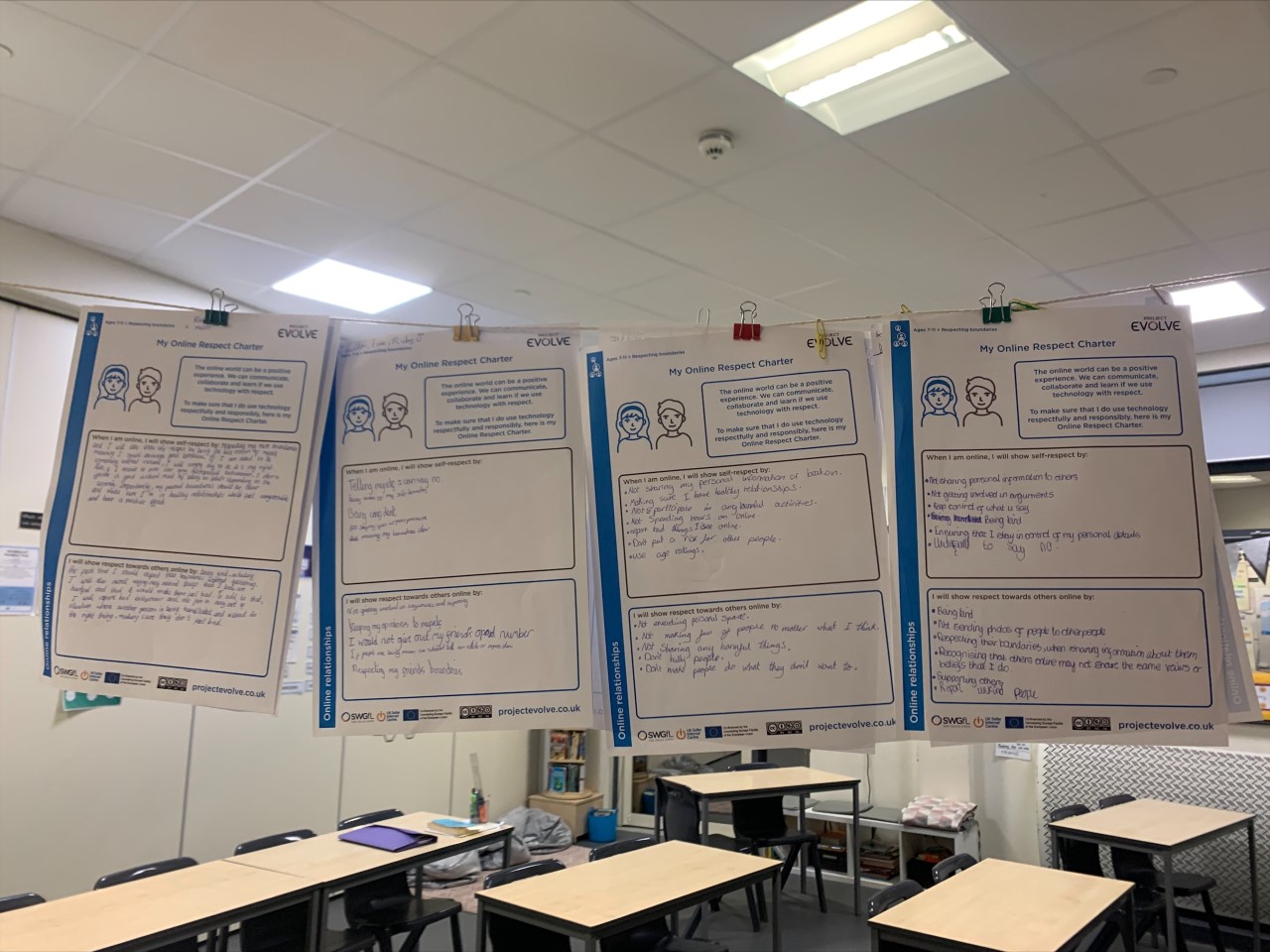
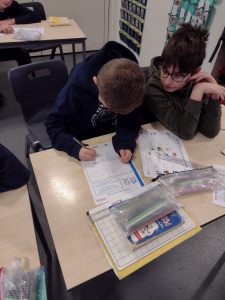
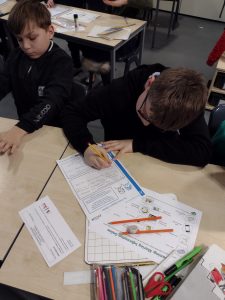
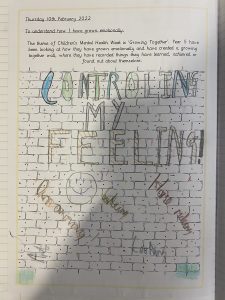
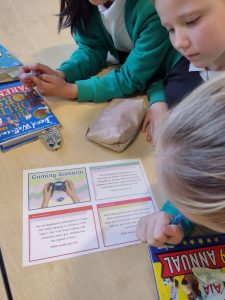
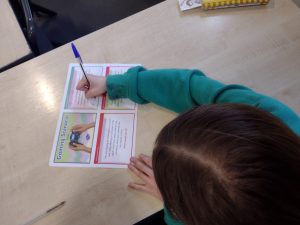
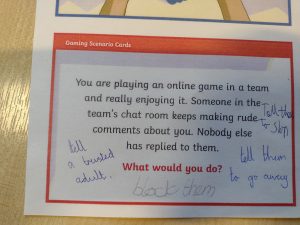
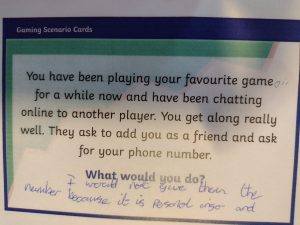
As part of Safer Internet Day, Year 5 have been discussing what they should do when placed in certain situations online. We talked about telling a trusted adult if something online upsets or worries you and not sharing our personal details online.

Year 5 Computing – To use the count tool to answer hypotheses about common letters in use.


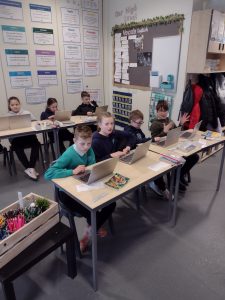
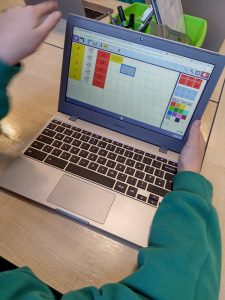
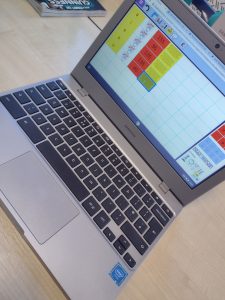
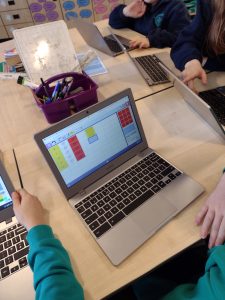
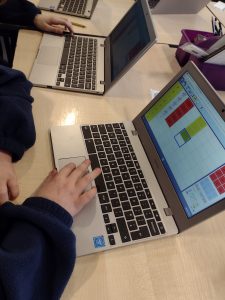
In Computing this week, Year 5 investigated how to use spreadsheets for literacy. Prior to the children putting their knowledge into practice, we recapped ‘Advance Mode, ‘How Many?’ Tool and Variables. Using this knowledge, we made a vowel counter spreadsheet that enabled us to test if ‘e’ really is the most popular vowel.

After this, the children improved the spreadsheet with consonants and conjunctions; testing the most popular one and comparing it to some research.

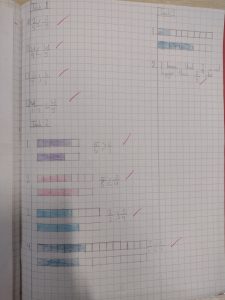
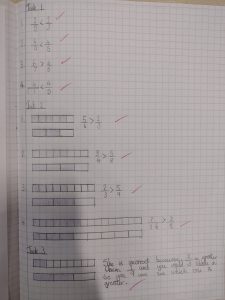
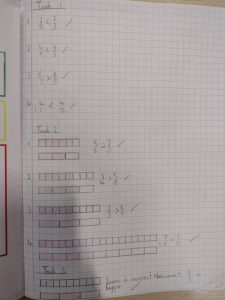
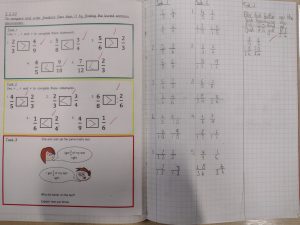
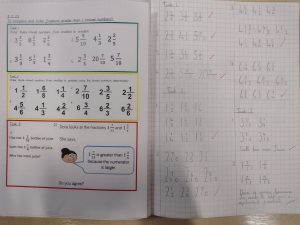
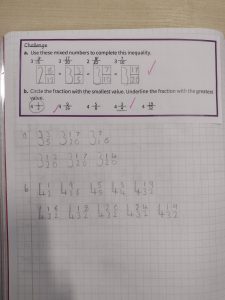
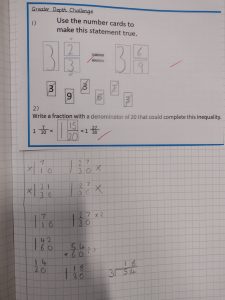
Comparing Fractions

In Maths, Year 5 have been learning how to use common numerators and fraction bars to compare fractions with different denominators.


Following this, Year 5 then compared fractions and mixed numbers, by finding the lowest common denominators.

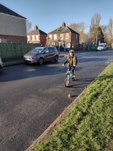
Year 6 Bike ability

This week, Year 6 pupils have taken part in bike ability. They have learned the different positions (secondary position and primary position) and understand what the different positions tell other drivers or cyclists on the road. They understand that they are telling other cyclists or drivers on the road to over take them in secondary position and that they are telling other cyclists or drivers to give them at bit of space and wait for them to do whatever they are doing. They have all enjoyed bike ability very much and now know how to be safe when riding a bike on the road. They are grateful to their teachers for bike ability and for teaching them everything they have learned.


Sincerely,


DL Team (Digital Leaders Team

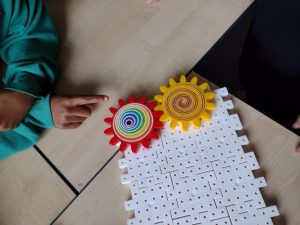
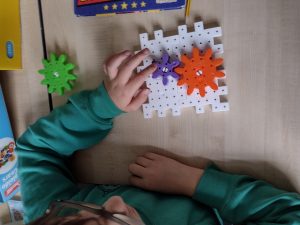
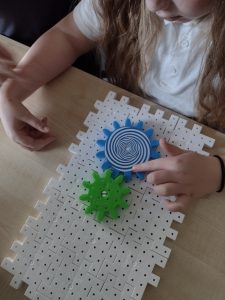
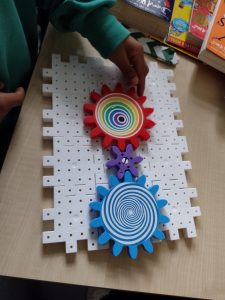
Exploring Gears in Year 5

In Science, Year 5 have have been exploring different types of mechanisms including gears.

Gears work when the teeth of one gear mesh with another.

When you mesh, two gears, the driver gear makes the follower gear turn in the opposite direction.

If you use a small gear to drive a large gear, the large one will turn slower.

If you use a large gear to drive a small gear, the small one will turn faster. Less effort is needed to make the wheel turn lots of time.

An idler gear can be placed in between a driver gear and a follower gear to make a driver gear and a follower gear turn in the same direction.

Y6 Passive and Active voice

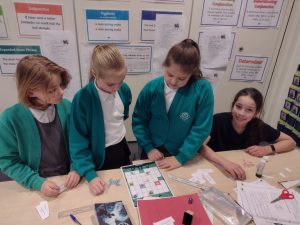
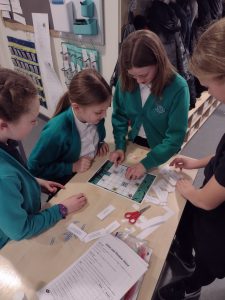
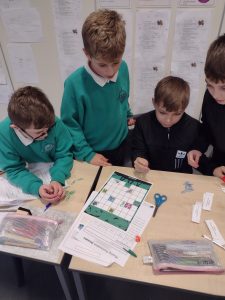
On Wednesday afternoon in Year 6, we played an active and passive voice game. It was a fun way of learning how to change a sentence from the passive voice to the active voice or from the active voice to the passive voice. The game included 1 dice, 13 different coloured paper clips, two sheets of paper stuck back to back and cut into separate sentences and a board to play the game on. The team with the most of the other teams paper clips at the end of the game wins. Everybody enjoyed playing this game very much.

Sincerely,

DL Team (Digital Leaders Team)

Where did the Anglo Saxons and Vikings come from?

In Year 5 have been discovering where the Anglo Saxons and Vikings came from, why they came to Britain and whereabouts in Britain they settled.

We started our lesson by using Digimaps, atlases and globes to recap the names and locations of the continents and the oceans and to locate countries that we had previously studied in history and geography.

We focused on the Angles, Saxons and Jutes (the three tribes that are commonly referred to as the Anglo Saxons) and discovered that they came from Denmark, The Netherlands and Germany. Using our maps, we located these countries. We then looked at the three main reasons why the Anglo Saxons came to Britain and where they settled. The Angles settled in East Anglia, the Jutes in Kent and the Saxons in Wessex, Sussex, Essex and Middlesex.

Finally, we looked at the Vikings and learned that they came from an area called Scandinavia – which includes the countries Norways, Sweden and Denmark. We located these countries using our maps and atlases and then looked at the reasons why the Vikings came to Britain, such as the land in Britain was more fertile for farming and Scandinavia was becoming overcrowded.

Year 5 RE

     A new term begins, Year 5 working hard !

.

At the beginning of the new term Year 5 began their new RE Topic ‘Faith in Action’.

As theologists the children will be discovering the way commitments affect and shape lives, guiding the activities of both groups and like-minded  individuals.


We began by looking at several charities and discussing how those charities work to help those in need of their help. The children soon began to realise that many of these charities overlap as there is a growing need for their assistance in the local area and the wide world.

There’s much, much more to learn …


Spreadsheets

Year 5 have started their new computing unit on spreadsheets.

We have been using formulas in spreadsheets to convert measurements of length and distance.

Y6 ‘The Highwayman’ poetry

Year 6 have been working really hard this half term looking at the Alfred Noyes poem ‘The Highwayman’. They have really enjoyed studying the language he used and how it was a twisted narrative love poem. Through role play they have been able to discuss interactions that might happen at the end of the poem between Bess and The Highwayman. Lots of children thought that Bess would be furious that she gave her life away just so he could go and end up dying!