Where did the Anglo Saxons and Vikings come from?

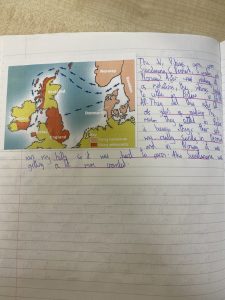
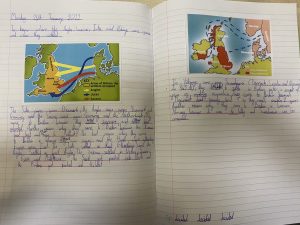
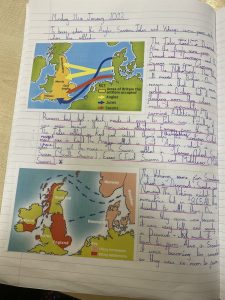
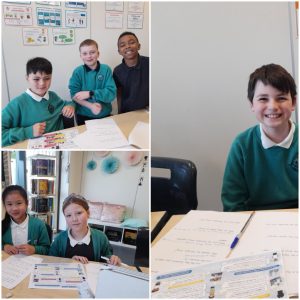
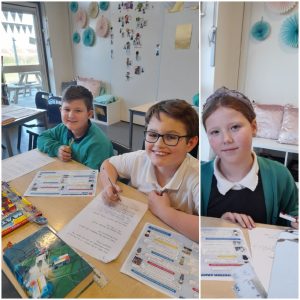
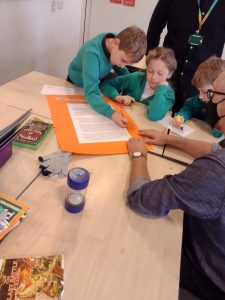
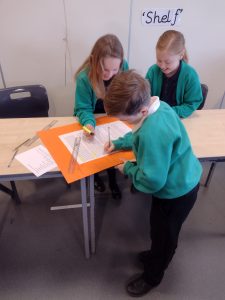
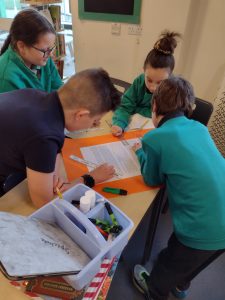
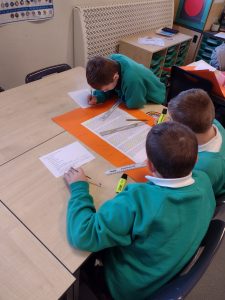
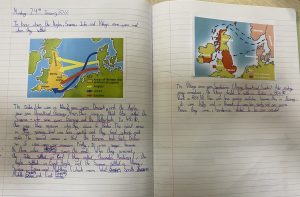
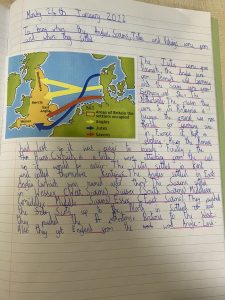
In Year 5 have been discovering where the Anglo Saxons and Vikings came from, why they came to Britain and whereabouts in Britain they settled.

We started our lesson by using Digimaps, atlases and globes to recap the names and locations of the continents and the oceans and to locate countries that we had previously studied in history and geography.

We focused on the Angles, Saxons and Jutes (the three tribes that are commonly referred to as the Anglo Saxons) and discovered that they came from Denmark, The Netherlands and Germany. Using our maps, we located these countries. We then looked at the three main reasons why the Anglo Saxons came to Britain and where they settled. The Angles settled in East Anglia, the Jutes in Kent and the Saxons in Wessex, Sussex, Essex and Middlesex.

Finally, we looked at the Vikings and learned that they came from an area called Scandinavia – which includes the countries Norways, Sweden and Denmark. We located these countries using our maps and atlases and then looked at the reasons why the Vikings came to Britain, such as the land in Britain was more fertile for farming and Scandinavia was becoming overcrowded.
Year 5 RE

     A new term begins, Year 5 working hard !

.

At the beginning of the new term Year 5 began their new RE Topic ‘Faith in Action’.

As theologists the children will be discovering the way commitments affect and shape lives, guiding the activities of both groups and like-minded  individuals.


We began by looking at several charities and discussing how those charities work to help those in need of their help. The children soon began to realise that many of these charities overlap as there is a growing need for their assistance in the local area and the wide world.

There’s much, much more to learn …


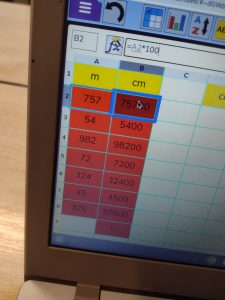
Spreadsheets

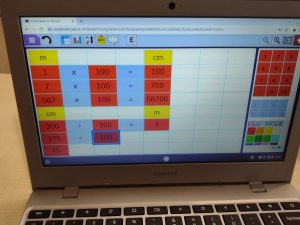
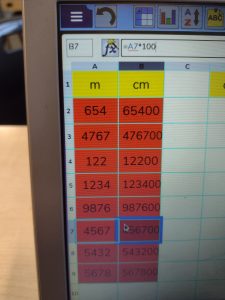
Year 5 have started their new computing unit on spreadsheets.

We have been using formulas in spreadsheets to convert measurements of length and distance.

Y6 ‘The Highwayman’ poetry

Year 6 have been working really hard this half term looking at the Alfred Noyes poem ‘The Highwayman’. They have really enjoyed studying the language he used and how it was a twisted narrative love poem. Through role play they have been able to discuss interactions that might happen at the end of the poem between Bess and The Highwayman. Lots of children thought that Bess would be furious that she gave her life away just so he could go and end up dying!

The meaning of S and M for S M A R T

Written by Danny and Kaden 

On our second digital leader meeting, we learnt all about what s am=nd m means for the acronym smart. ( s for safety M for meet) we think that it is highly important to follow these rules when on social media or playing games.

S is for safety. Safety is a very important factor when your on the internet. Depending on who your talking to and what information they are asking it it always important to think if it is safe to do so. Although some information (like your password and home address ) is something no matter the cause, don’t mention them to friend online!

M is for Meet. Meeting is a category which is considered in this list because if you and a well known friend that you’ve seen only in social media want to meet up it is important to think if it’s a good idea to see a stranger you know online.

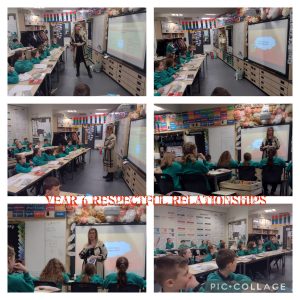
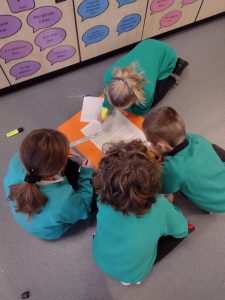
Year 6 Respectful Relationships

Year 6 really had some really thoughtful discussions in their learning about respectful relationships this afternoon. There were thought provoking discussions that helped them learn a lot about how to show respect and what good relationships look like. Also how relationships evolve overtime.

Norse Mythology Work!

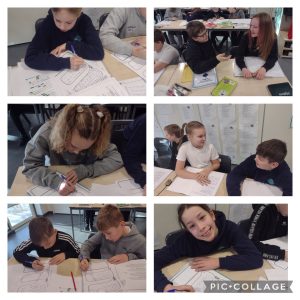
To introduce our new topic, Anglo Saxons and Vikings, Year 5 learned about Norse Mythology and some key characters within Norse Myths.

The children then worked collaboratively to analyse a Norse Myth; exploring grammatical features such as parenthesis, direct speech, modal verbs, fronted adverbials and much more! The reason for this activity was for the children to familiarise themselves with Norse Mythology features and how grammatical features are used to create effect.

Well done Year 5!

Year 6 Recorders

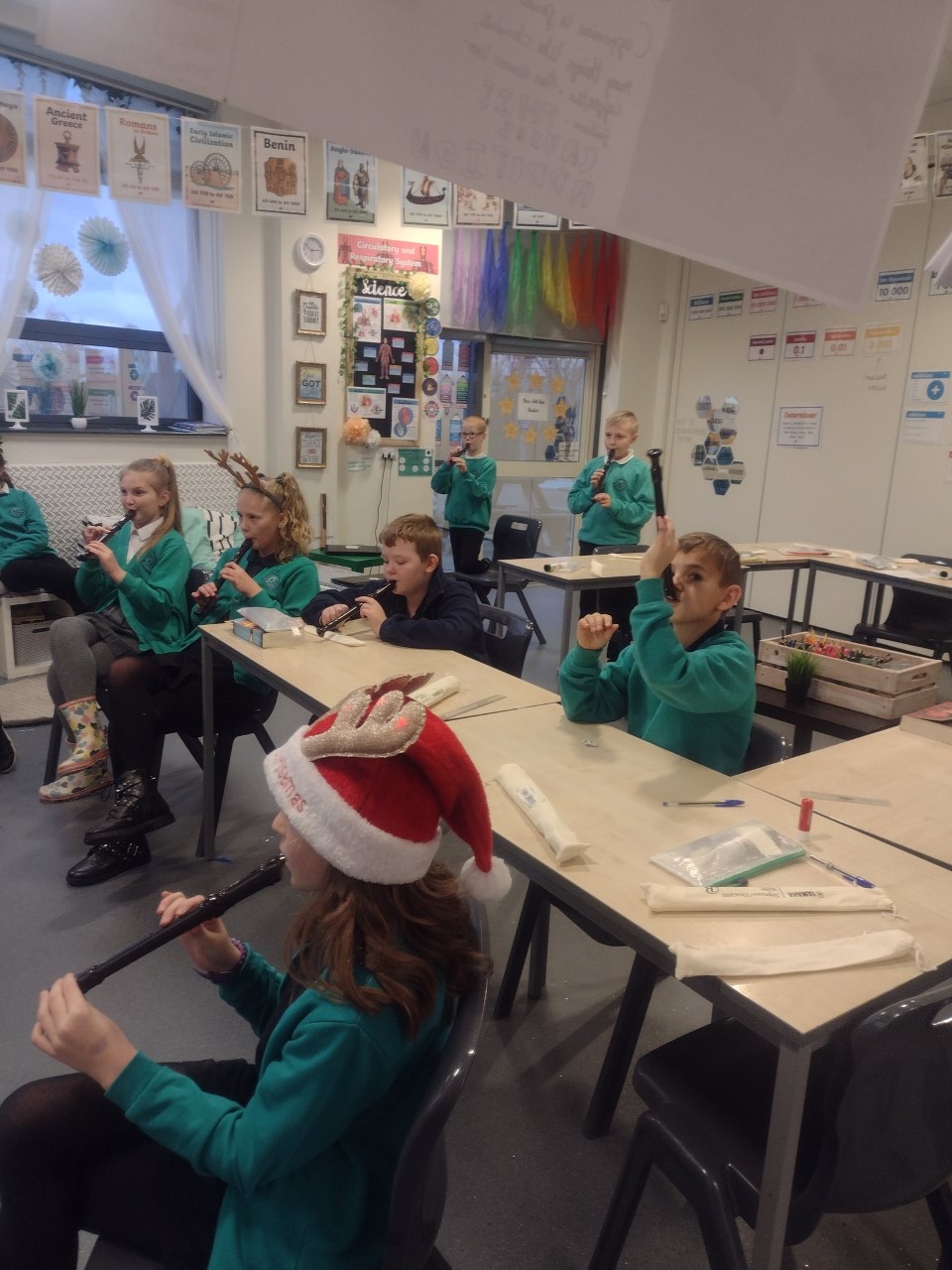
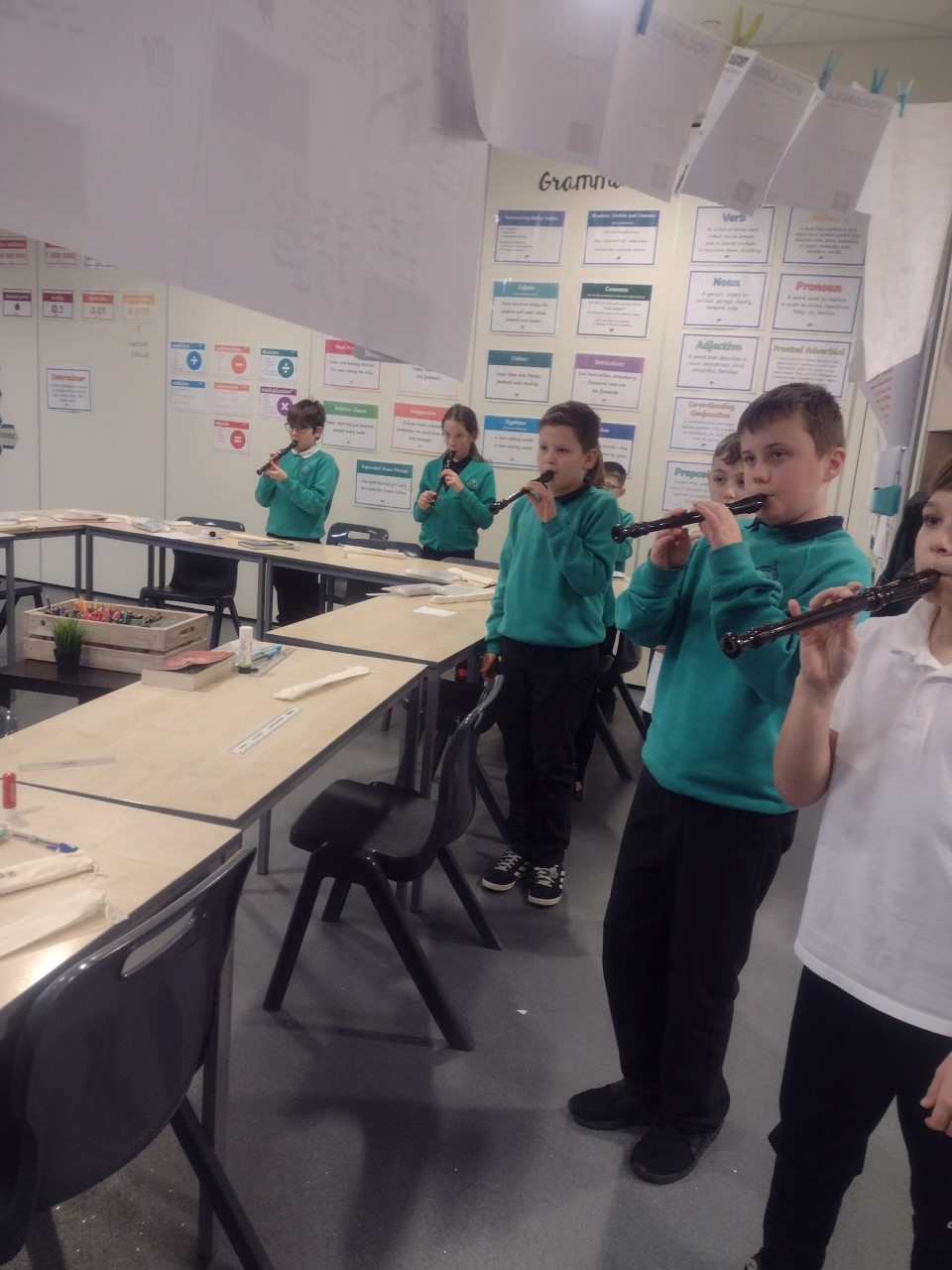
Year 6 have been learning Silent Night on the recorder in their music lessons this half term!

We revisited the notes we learned in Year 5 and learned how to play some new ones including Low C, High C and F#. We built on our existing knowledge of how to read music by looking at how time signatures affect how music is played.

We have enjoyed being musicians and performing what we have learned.

Year 6 D&T

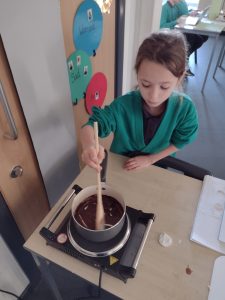
This week, year 6 have been working on D&T (design and technology). For this term, we have made and evaluated some chocolate truffles ( which everyone enjoyed). We were able to create truffles all on our own following our design specification. We were able to use the chocolate of our choice for the base, which we then added unsalted butter, sponge cake and icing sugar to. Everyone loved their different and unique chocolate truffles. We packaged these in our own designed box that we designed using our computing skills on a 3d net. These looked superb!

Sincerely,

The DL Team(Digital Leaders Team)


Festive Poetry!

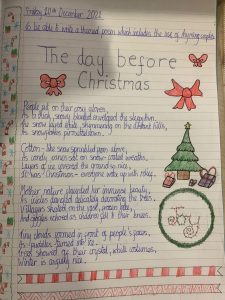
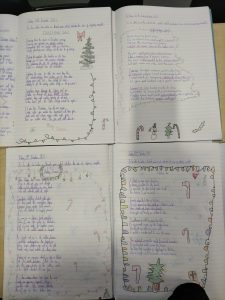
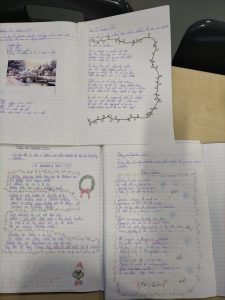
What a lovely end to a busy term of English in Year 6! Children worked hard to create joyful and uplifting festive poetry incorporating figurative language and a rhyming pattern throughout their stanzas. They used their senses to describe seasonal scents, noises, textures and sights as they transported their audience into a winter wonderland. Mrs Marson enjoyed judging the poetry and chose an overall winner who was Tuloula H. Fantastic work!

Tuloula’s winning poem!

A selection of more brilliant poems from Y6