Remembrance Day: We Shall Remember Them

Year 3/4 have been commemorating Remembrance Day by reflecting on the meaning of this significant occasion and exploring the symbolic meaning of the different coloured poppies which we wear.

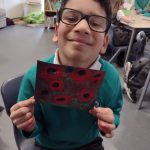
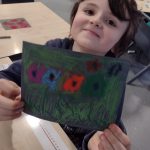
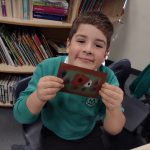
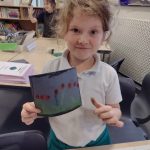
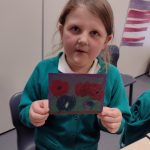
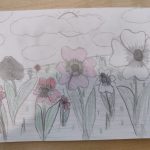
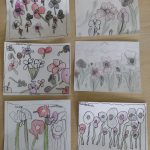
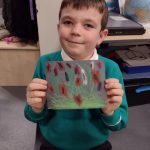
Year 3, reflected on the reasons why we remember and the sacrifices that were made by so many men, women and civilians in World War I and World War II.  We also shared our knowledge of conflicts which have happened, and continue to happen, since those significant Wars and understand that the poppy, which grew in the battlefields many years ago, continues to be  is a symbol of hope today.  From this, the children created their own Poppy Field artwork using a range of oil pastels:
Year 4 explored the significance of the red,  black, purple and white poppies that we seen been worn with pride for Remembrance Day each year.

The Red Poppy is a symbol of remembrance and hope and commemorates those who sacrificed their lives in World War I as well as conflicts which have followed. It is a symbol that belongs to the Royal British Legion, which is a charity that was created by veterans of World War I.  This significant symbol was first worn in the first Remembrace Day on November 11th, 1919.

The Black Poppy Rose,  a charity that was launched in 2010, commemorates servicemen, servicewomen and civilians from the Black, African and Caribbean communities who also contributed to the war effort and continue to do so today.

The Purple Poppy, created by the Animal Purple Poppy Fund, is worn to remember the animals, such as horses, pigeons and dogs which also contributed, and fell victim, to the war effort

The White Poppy is a symbol of peace and commemorates all of the servicepeople and civilians who died as a result of war.  The charity, Peace Pledge Union, promote peace and aim to challenge and alter the way we look at war and conflict.

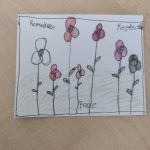
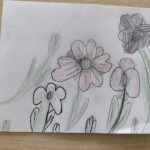
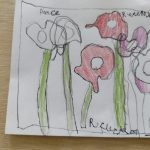
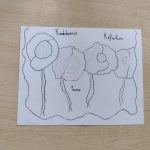
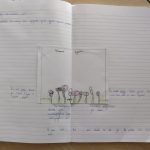
Through discussion, we reached the conclusion that it is an individual’s personal choice to wear a poppy and one that should not be judged. From this the children sketched their own poppy scenes which displayed an array of poppies of the four colours:
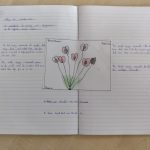
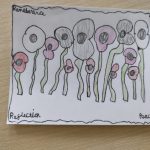
‘Reflection, Remembrance and Peace’ were Y4’s words of the day in honour of all conflicts past and present: WE SHALL REMEMBER THEM
 

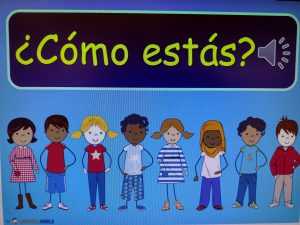
COMO ESTAS?

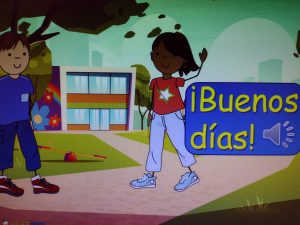
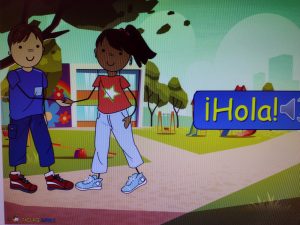
Year 4M are thoroughly enjoying learning about Spain and the wonderful Spanish language this term.  We have been practising the alphabet, drawing upon our phonic knowledge when pronouncing some of our newly learnt vocabulary and become masters of greeting each other with a Buenas dias! or an Ola! upon meeting and an Adios! or Hasta Luego! upon leaving.
Today, we have explored the question Como estas? to ask each other how we feel.

Como estas? – How are you?
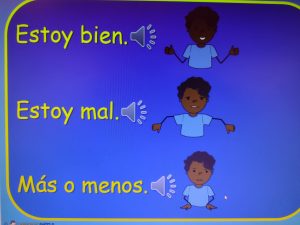
Estoy bien! – I am good!
Estoy mal! – I am not feeling too good!
Mas o menos! – I am ok!

We then worked with a partner and performed a little role play to demonstrate how proud we are of our linguistic skills.


Muy bien chicos!


Year 3 Trawling Experience

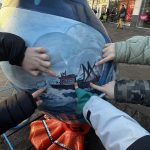
Today, children in Mrs Yardley and Smiths class had the opportunity to go to the KC Learning Zone to learn about Trawling in Hull. We looked at what trawling is and what life was like for the trawler men while they were out at sea and how da and how dangerous it was for them. Also, we found out about the Triple Trawler Tragedy and how significant Lilian Bilocca was in shaping safety standards on trawlers for fishermen from then on, plus we concluded that Hull really is a great place to live and we all feel really proud to come from here!
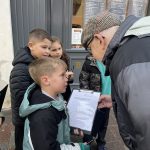
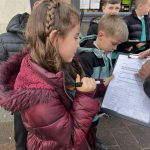
We familiarised ourselves with facts about trawling in Hull then conducted some fieldwork where we surveyed members of the public to find out if they knew about trawling in Hull. At first we were all really nervous but once we started we all thought it was brilliant. We found out that the fishing industry in Hull is still at the heart of many peoples lives – we spoke to an old sea captain and even  Lily Billocca’s niece!
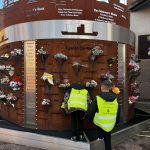
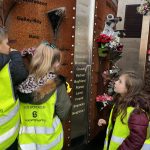
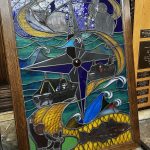
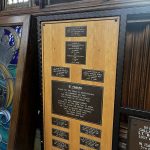
After that, we found out about life at sea and how dangerous it was for the trawler men. Deckie learners on board the trawlers were only young boys and they would often have the worst equipment yet the most dangerous and horrible jobs. We researched the Triple Trawler Tragedy and how this disaster shook Hull and then we visited the memorial in Zebedee’s yard and remembered those who had lost their lives. We also visited Hull Minster and saw the memorial and stained glass tribute. We found out about all of the work Lilian Bilocca and the Headscarf revolutionaries did and how significant it was to raising safety standards on board fishing vessels on a national level.

Thank you to Hull Children’s University who ran the trip for us – we all had a lovely time! Mrs O’Loughlin’s turn next week!

Year 3 Column Addition and Subtraction

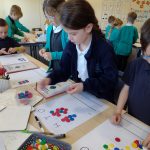
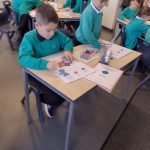
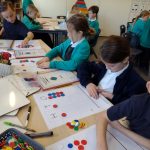
In Year 3 we are learning how to add and subtract 3 digit numbers using the column method.

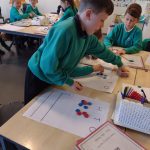
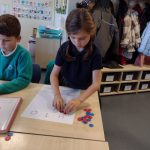
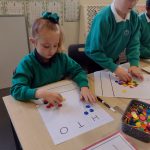
We have been using manipulatives to help us combine numbers to add and then take away amounts using subtraction. We all had our own HTO place value grid and have been using counters to represent hundred, tens and ones,

We then carries out some pictorial calculations then abstract – we have been making sure that all of our ones are in the same column, all our tens are in the same column and then all our hundreds are in the same column.

We are becoming fluent at this and are now using our knowledge to solve problems.

Year 3 are exploring Relief Printing

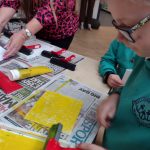
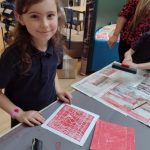
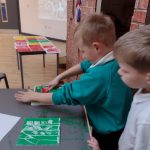
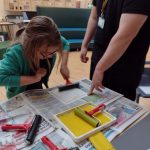
In Year 3 this week we have been exploring relief printing using polystyrene tiles.

Relief printing is where the surface is inked and printed from and anything that is cut away or pushed down from the surface doesn’t print because ink doesn’t touch it when the roller is rolling over the surface. Any incised lines, marks or shapes which are pushed down will show as white – or the paper colour you’re printing on.

In art, we have been looking at different drawing techniques and have been looking at the work of painter Tracy Savage. We used our own ideas to create our own versions of Hull landmarks with a Tracy Savage twist and were able to produce some excellent work!

We used pencils to create marks in the tiles and ensured that the indentations we were making were sufficient to create a good print. We then used paint and rolled it onto the tile to create some fabulous pieces that we were all really proud of.

Y4 PE: Outdoor Adventure Activities: Problem Solving

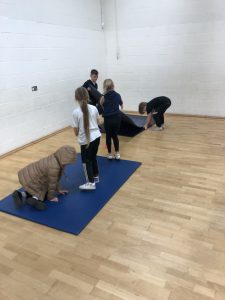
Y4E are enjoying our current Outdoor Adventure Activities in PE and recognising the benefits of working effectively as a team in order to solve problems.  The children have been sharing their opinions on the best way to solve the posed tasks and listening to each other to ensure that everyone feels values and included.

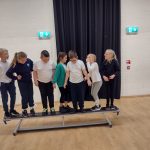
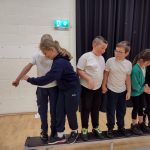
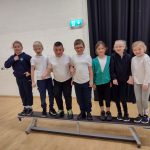
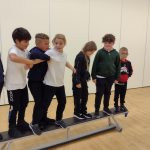
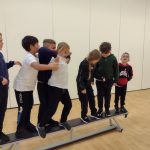
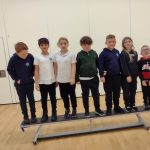
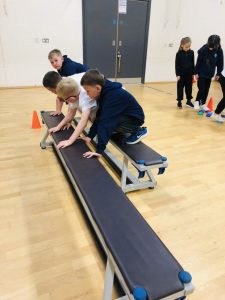
Here in the Bench Challenge, the children had to co-operate with each other to get themselves into height order whilst standing on a bench without touching the floor.

As you can see, the moves were tricky but the children demonstrated great TEAMWORK to accomplish the task!

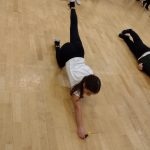
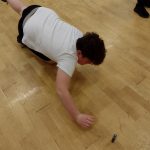
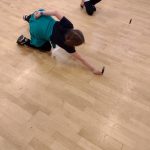
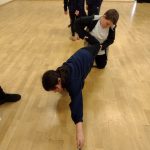
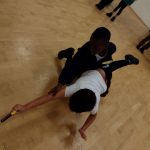
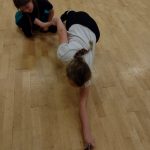
In the Pen Challenge, the children had to work together as a team to place the marker pen down so that it stood up as far as possible from behind a line. Firstly the task was completed independently…

The children then had to try and better their independent measured reach by working as a Team!

We found that by reaching with support using a lever technique or wrist grip for support that their measured reach was improved.

Great TEAMWORK Y4E!

Using digital mapping

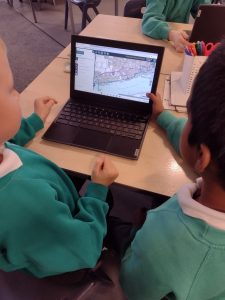
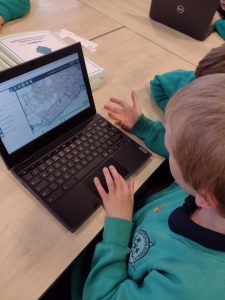
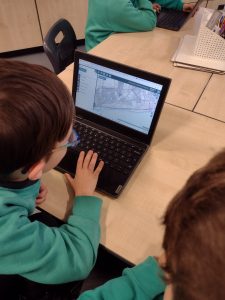
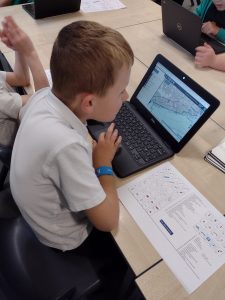
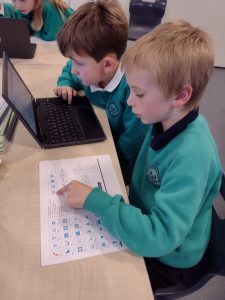
As geographers in Year 3 this week we have been looking at our local area and identifying features within it.

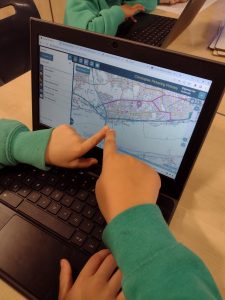
We have used Digi Maps to identify features of the local area, we were able to independently identify the river, coast line and main roads.

Year 3 have used ordinance survey maps on the Digi Maps programme. With the use of the ordinance survey legend/ key we can now identify many features. This includes being able to pinpoint the county boundary, we could see where the Hull boundary meets the Hessle and Cottingham boundaries on the west side of the city.

Using an ordinance survey map key we could also begin to identify local features such as picnic areas, car parks and public toilets. As we looked at central Hull we could begin to identify other features such as museums, churches and art galleries. We looked closely at the symbols and began to spot them as became more familiar with using the maps.

OAA: ‘Cross the River’ challenge

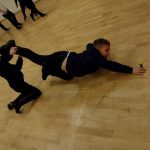
This week year 4 started their new outdoor and adventurous unit ‘Problem Solving’. This unit builds on from their year 3 unit ‘Communication and Tactics’ and requires children to work together to solve problems.

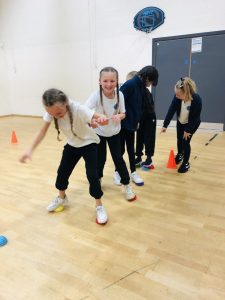
In this lesson, they had to figure out how to solve cross a ‘river’ using hoops. Each team had the same number of ‘lily pads’ (hoops) as team members and children were only allowed to stand on the lily pads. Could you solve this problem?

Once children had worked out how to solve the problem, we experimented with different equipment which meant the problem had to be solve in a more nuanced way. Well done children!

Giant lily pads required some consideration of where to stand! 

Sliding the benches required coordination and communication

Hedgehog stones were very difficult but lots of fun! 

Y4 PE: Invasion Games: Football

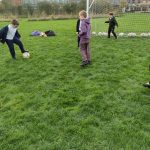
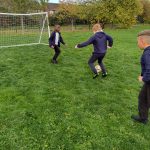
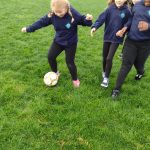
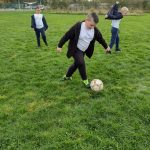
Y4E were able to recap and demonstrate their knowledge of the skills they learnt in Y3 last year when we began our Football lessons in our new PE Invasion Games unit this term. So far, we have utilised our knowledge of working as a team, space, dribbling, passing and control of the ball as well as attacking and defending.

Spanish

Year 3 have been learning to say ‘How are you?’ in Spanish.

We got to practise together as a class before we practised with our partners.                    

Speaking in Spanish takes careful listening to the pronunciation before trying to say it clearly to each other.

We had a conversations in pairs and had the chance to ask each other ‘How are you?’ before answering. We can answer with:

Estoy bienI am good

Estoy malI am bad

Más o menosI am okay

We tried really hard to speak clearly when answering questions.