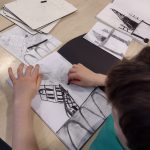
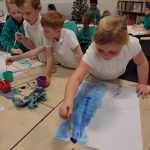
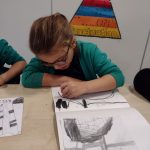
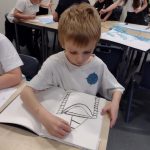
Y3 Final Artwork

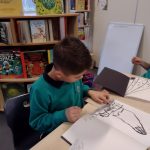
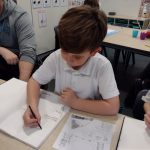
We have come to the end of our drawing and printing unit of work where we have been learning a range of drawing techniques using a ranges of grades of pencil and charcoal. We have learnt to shade, to hatch, cross hatch and smudge to create texture and to show the illusion of forms of light the we applied these  methods to create drawings of some of Hull’s well known landmarks.

We then looked at local artist Tracy Savage and explored her works and styles she uses to create her landscape pieces. Then using inspiration from her, we created our own drawings using some of our favourite Hull landmarks.

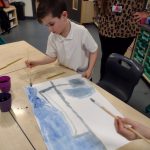
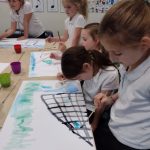
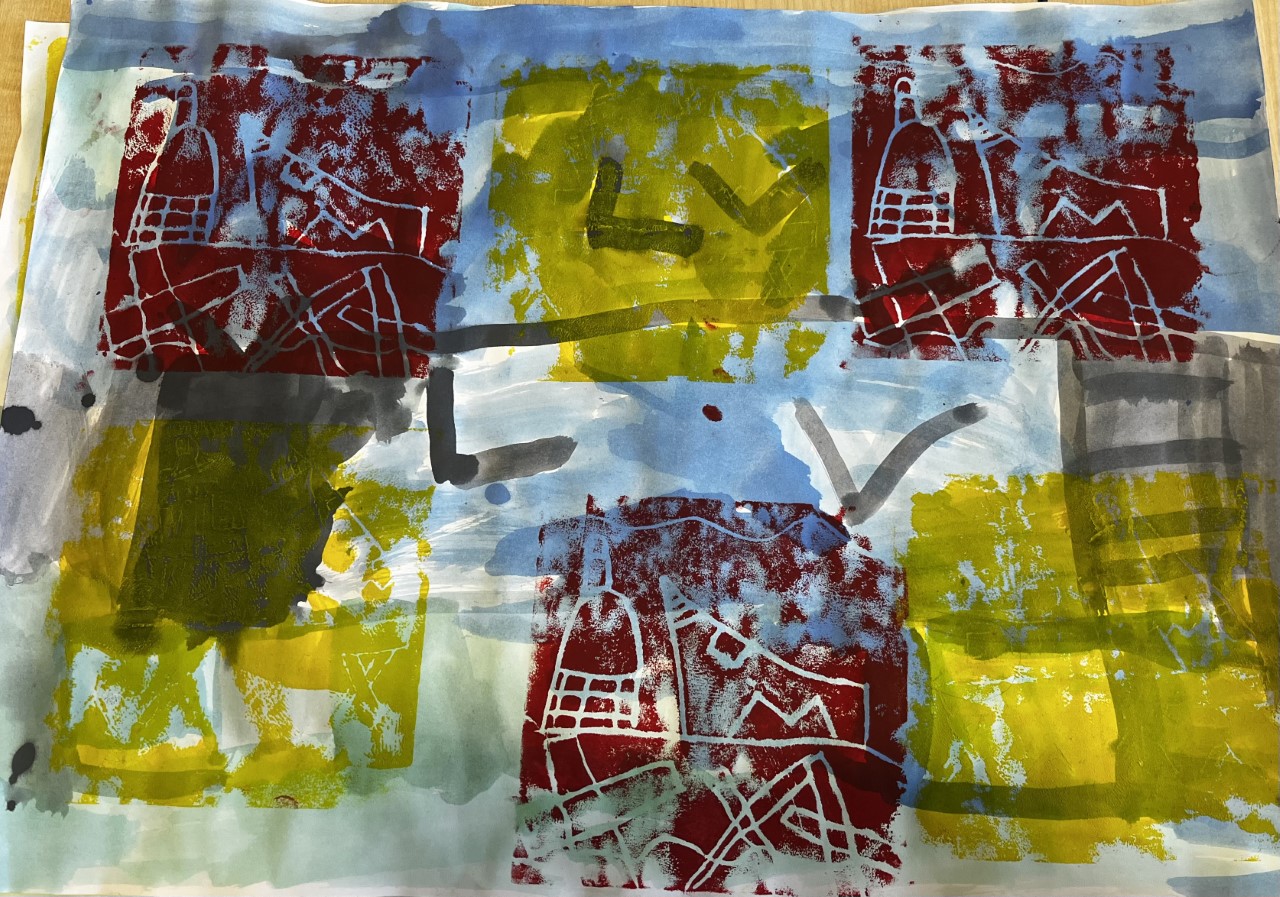
Once we had drawn this in pencil and charcoal we then created some imprints on polystyrene tiles and printed them using printing inks!

After this we worked in pairs and created a Brusho backwash to then create a  collaborative painting using our printed tiles.
 

Throughout the Autumn term year 4 have been learning how to play the recorder. We began learning the single note B and progressed to be able to play a complete tune. After lots of practice we are now able to read and play the notes B, A, G, E, D, F and C on the recorder. We then began to practice a playing a tune on the recorder and finally performed the notes we had learnt in a tune as part of a team. Well done year 4!

First time performing on the recorder.


Final performance! Superb work!

MAKING AN ELECTRICAL GAME

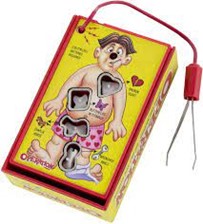
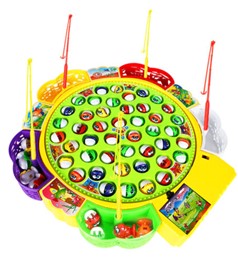
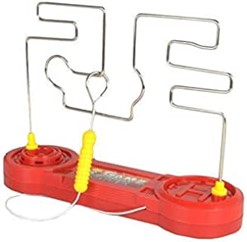
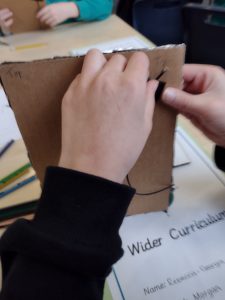
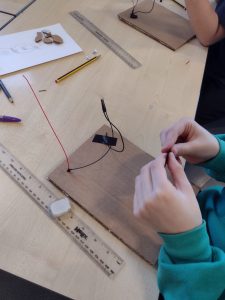
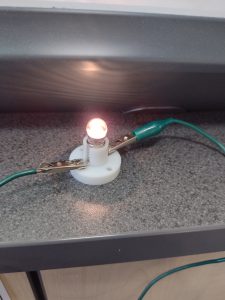
Throughout this term in year 4, we have investigated a range of electrical games in preparation to create our own Egyptian themed electrical game. During the investigation we looked at the games Operation, Buzz and The Fishing Game. We looked at how the electrical components are used and inserted into each game. We decided to base our game on Operation as this links to Ancient Egypt and mummification. We then completed the Focused Practical task, we recapped on how to create a simple electrical circuit to light a bulb then tested two different ways of making a switch. We made a flick switch out of split pins and paper clips and a press switch out of folded paper and foil. We then added these switches into our circuits.

The next step in the process was to design our games. We decided that our product had to be fun and entertaining for children with an electrical component. We then made a list of what we would need and wrote out a method.
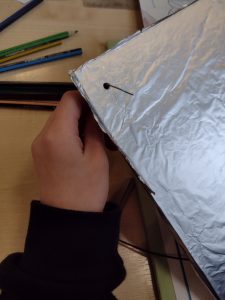
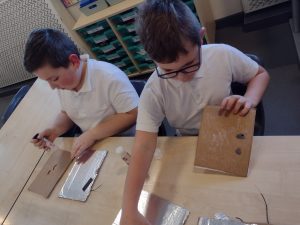
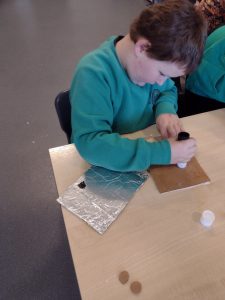
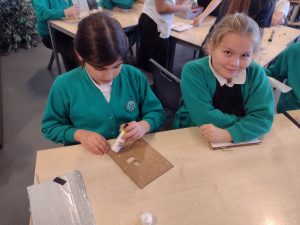
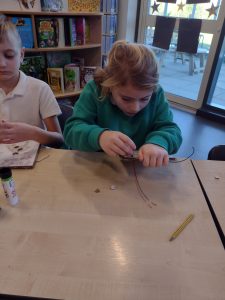
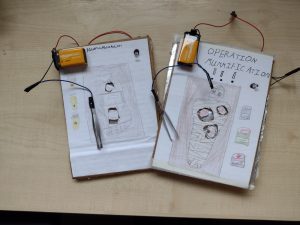
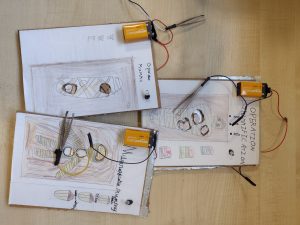
Then came the exciting part, we got to make our games! Firstly, we drew our designs onto the front and had help to cut out the pieces which would be removed. Then we stuck a layer of foil onto the top of the back layer and added a hole for the wire. Once we has stuck each of the layers together we began to attach each part of the electrical circuit. We attached the wire from the foil on to the battery and the batter to the tweezers. Finally, we inserted the battery to power the circuit and tested our game.
The Final stage of our D&T project was to evaluate our final product. We were all extremely happy with our games, we all made an Egyptian themed Operation game with a bulb that would light up if the player touched the edges of the mummy.

Focused practical

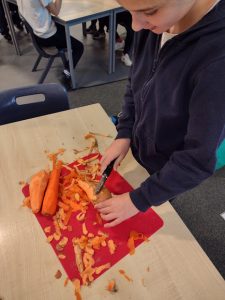
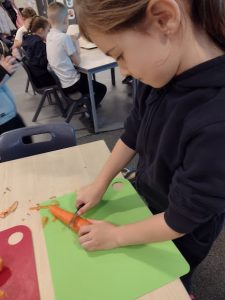
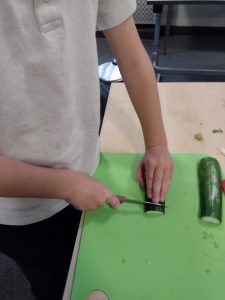
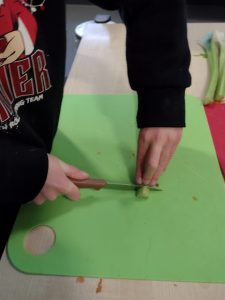
This week, Year 3 have completed their focused practical task of their Design and Technology lessons.

We are thinking about our brief of making a healthy soup for a fisherman.

We are going to be using lots of vegetables in our soup as we know from our investigation that homemade vegetable soup is the healthiest.

We have discussed the importance of hygiene both for ourselves and for the environment that we are preparing food in.

We have used our skills of chopping vegetables to practise our claw and bridge holds to ensure we can chop safely. We also practised our peeling skills.

LIGHT BULB OBSERVATION

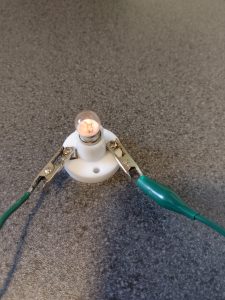
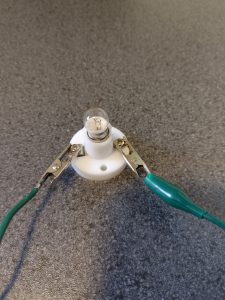
Today in year 4 we observed what happens to a battery powered light bulb over time. We set up a simple circuit and observed the light bulb, noticing that it was very bright. Later in the day we made another observation and noticed that bulb was a little bit dimmer. We discussed that the brightness of the bulb had reduced because the power from the battery was being used up. Eventually, by the end of the day we made a final observation and noticed that the bulb had completely gone out. We discussed how the power from the battery had been completely used up from the bulb and there was no longer any power left to light the bulb.

Investigation

Year 3 are at the investigation stage of their Design and Technology unit this week.

The design brief is ‘To design and make a seasonal soup for a trawler man’

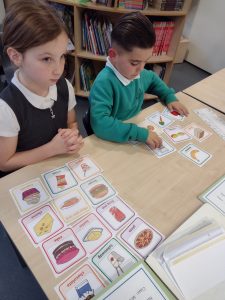
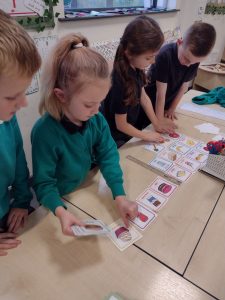
We begun by discussing what healthy and unhealthy foods are. We can identify unhealthy food and discuss how we should only have these occasionally.

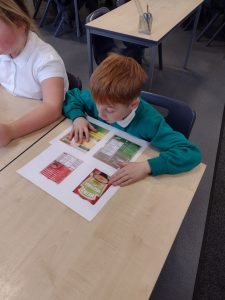
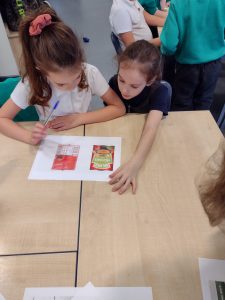
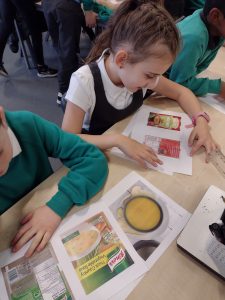
To help us think about our design brief we investigated different types of soups, We have looked at tinned, packet, carton and homemade vegetable soups. We have investigated to find out which soup contains the most salt and sugar as well as which ingredients are in each. We concluded that the homemade soup is the healthiest as it contains the least salt and sugar and has the most vegetables in it.

We have also discovered what seasonality is and the different foods that grow in our country in different seasons.

We found out that asparagus grows in May so we would not be able to get fresh asparagus in our country in winter but we could get fresh red cabbage in winter.

SORTING BATTERY POWERED AND MAINS POWERED APPLIANCES

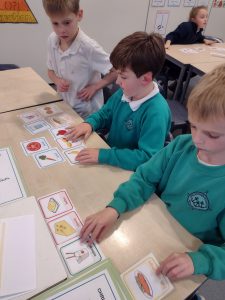
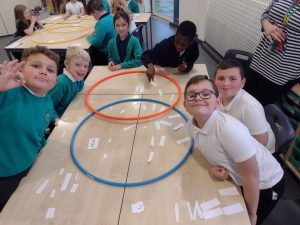
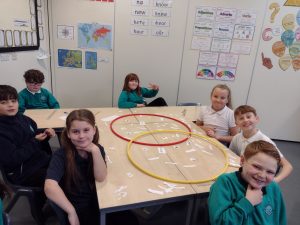
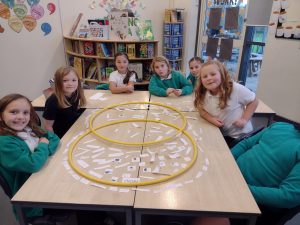
This afternoon in year 4 we had a fun, practical lesson identifying, classifying and grouping household item into a Venn diagram. We made a note of items that we use everyday then sorted them into the diagram showing which are battery powered, which are mains powered and which do not use electricity at all.


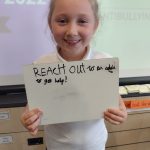
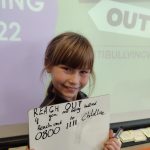
PSHE: Antibullying Week – REACH OUT

The children in Y4 have been discussing the effects of bullying and the impact it can have on both our physical and mental health.  We understand that bullying is a repetitive act that can be undertaken by an individual or a group of people.

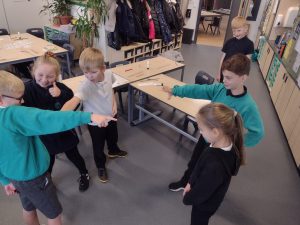
Above is a freeze frame that we created which demonstrates the way in which a group of people can be involved in an incident of bullying:

A ringleader (the bully) in this scenario has an assistant and a reinforcer who are encouraging the bullying to take place.

The target (the person being bullied) is the one who is effected by the negative actions of the bully; however in our scenario we have a defender who is supporting the individual who is being bullied and gesturing the ringleader to STOP! In the background we have a Bystander or Outsider who is witnessing what is happening.

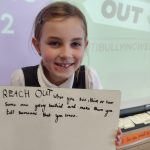
From this, we explored the ways in which we ourselves can REACH OUT and help either ourselves or someone we might know or think is being bullied.

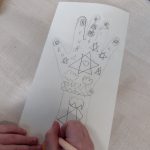
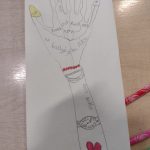
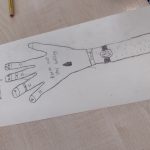
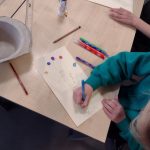
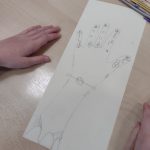
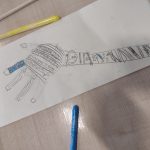
We then traced around our hands and forearms and created our own designs to show that as individuals we are all different but collectively we are strong and can work together and REACH OUT TO STOP BULLYING!


Y4 PE: Outdoor Adventure Activities: Problem Solving

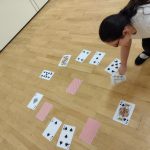
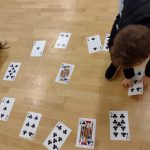
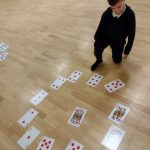
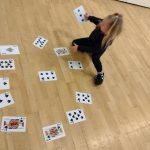
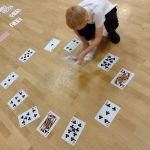
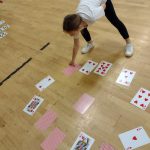
Y4M undertook the Around the Clock Challenge  in our problem solving PE lesson this week. Each TEAM had a suit of cards arranged face down in a clock position which they had to race towards and turn over. The aim of the game is to place each card in numerical order beginning with the Ace and finishing with the King in the middle.

Teams raced against each other to complete the task before sharing the strategies they used in order to perfect each others game plan.  Some chose to turn one card each then move it to the correct position by swapping its place with the card that was face down in that position: whereas some children decided to turn each card over in turn then swap each card to its correct position.  It all became very competitive and drove us completely around the clock.

Great TEAMWORK Y4M!

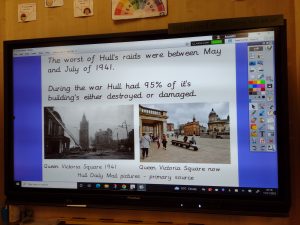
This week in history Year 3 have been looking at the Blitz and the impact this had on Hull.

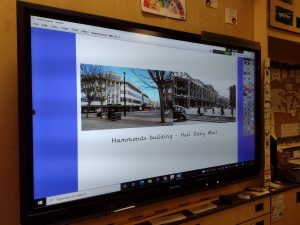
We have looked at how the building were damaged and how the landscape of Hull changed.

We found out that 95% of buildings in Hull were either destroyed or damaged during the Blitz.

Year 3 were amazed to find out that Hull was the most severely damaged location in the UK during WWII.

We identified that the Germans wanted to damage Hull as it was an important port which was used during the war effort.