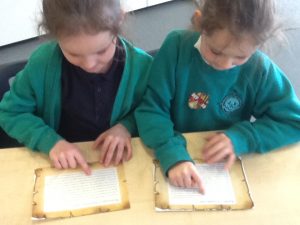
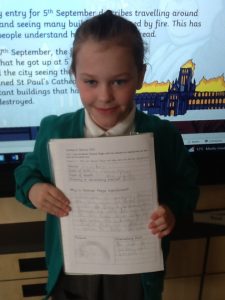
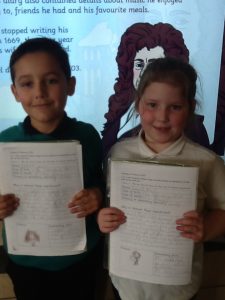
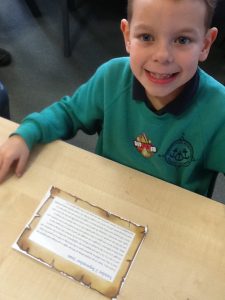
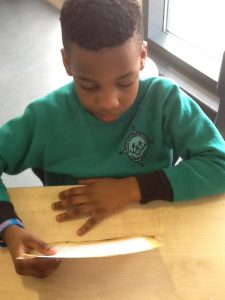
Year 2 looked at extracts from Samuel Pepys’s diary.

They looked at his writing about ‘The Great Fire of London’ and thought about what he must have felt at that time.

Children then looked at the interned to research Samuel Pepys further.

They worked extremely hard to create a fact filr for Samuel Pepys. They found his life very interesting and couldn’t believe that he buried his expensive wine and cheese in his garden!

London Experience January 2023

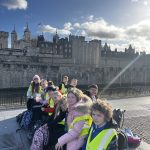
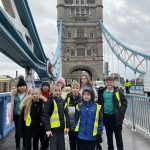
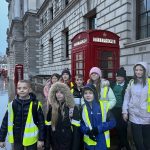
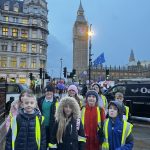
The Y6 house captains and Y5 school councillors were given the fantastic opportunity to visit London to experience our capital city, see some of the famous landmarks and to find out about Democracy and how this country is ran by visiting parliament. Unfortunately, due to the rail strikes we had to postpone the date of our initial trip which meant that we couldn’t visit the Houses of Parliament.

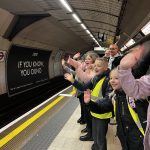
On the 11th January, we set off from Hull to Kings Cross which took us just under 3 hours. When we arrived we headed straight to the underground and caught the tube to Tower Bridge. When we got there we ate lunch in the sunshine overlooking the Tower of London which made a fantastic spot to have something to eat.

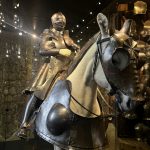
We went into the Tower of London which is a historic castle originally built William Conqueror where he built a stone tower fortress overlooking London. Over the years we found out that it has been used for a multitude of things – a prison, a place to torture criminals, a zoo, the Royal Armouries, The Royal Mint and a place to protect the crown jewels. We saw the empty case where the King Edward crown had been taken to prepare for King Charles’ coronation!

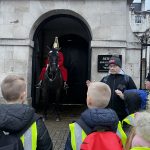
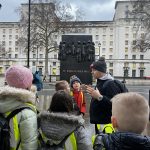
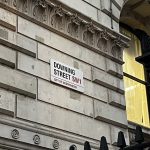
After spending a few hours in the Tower of London we made our way onto Tower Bridge and identified all of the landmarks along the River Thames. Then we went to see the Horse Guards and made our way to Downing Street. Here we spent a bit of time learning about who goes to Downing Street, who lives there and why. We were lucky enough to see Rishi Sunak, well his car, whizz by into Downing Street – there were lots of police vehicles with the cars!

We then walked up to the Houses of Parliament and Big Ben and found out about what happens in these buildings and how decisions in these buildings have an impact on us. The Palace of Westminster and Big Ben are synonymous with democracy and have become a symbol of parliament around the world – our school council elections are based on the voting systems that happen in this country when electing a political party representative.

After this we went up to Buckingham Palace and walked through St James’s park before heading back to Kings Cross and back home to Hull! A fantastic experience!
Y3 are learning about Chronology

This term in Y3, we are finding out about life in Britain from the Stone Age to the Iron Age. So far, we have never found out about anything that happened in ‘BC/BCE’. so we found it really interesting to find out what life was like that long ago.

We found out that this period of time is known as prehistory because there are no written records and this is the period of history that we know the least about. We ordered the different eras in chronological order then put the information we had gathered on a timeline.

Year 6 Art Banksy Style

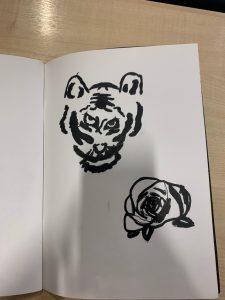
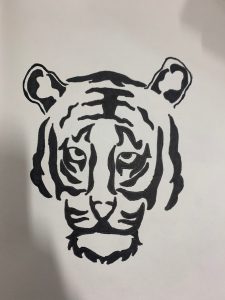
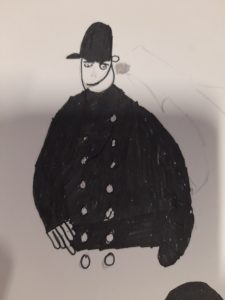
Year 6 have been learning about one of Britain’s most influential modern –  day artists,  the graffiti famous Banksy. His artwork appears in public places as if by magic.  Eventhough his identity has never been revealed his work is instantly recognisable as he has a particular style.

We looked at lots of examples of Banksy’s work which encouraged the children to think deeply about the hidden meanings in pieces of art.

There is a common misconception that graffiti is something that has only appeared in modern day culture. However, this is not the case as forms of graffiti can be traced back to ancient times in places such as Rome and Greece.

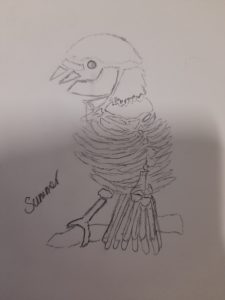
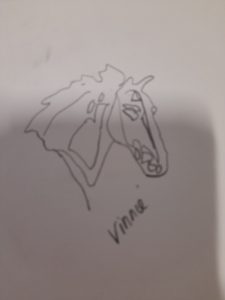
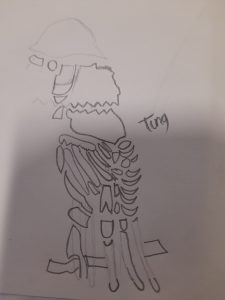
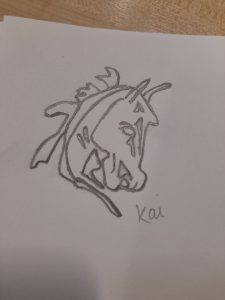
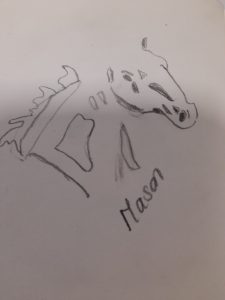
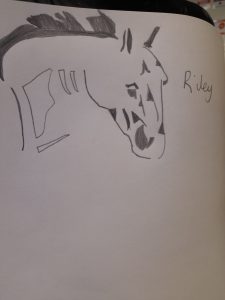
To build confidence the children created pencil sketches…

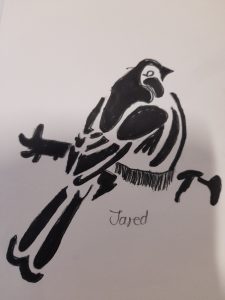
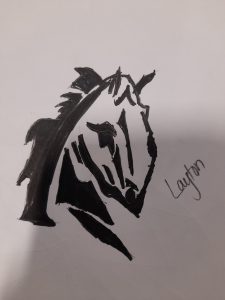
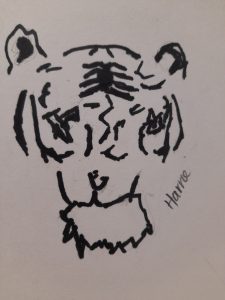
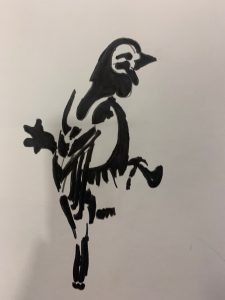
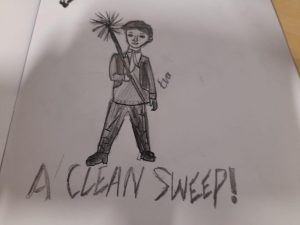
Then the drawings were outlined in fine black marker pen to add detail…

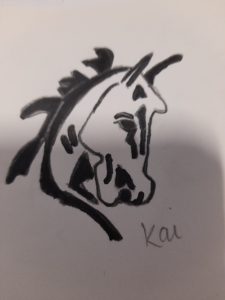
Then permanent marker was added to add blocks of colour – creating a stencil effect – just like Banksy…

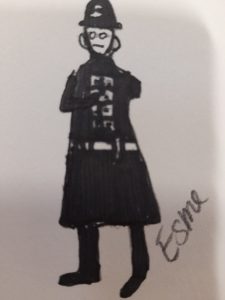
Some of our children preferred to remain anonymous…just like Banksy…


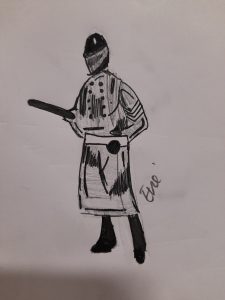
Then we linked the artwork to our history topic, Crime and Punishment…


And finally ….in true Banksy style…

                                              Eva


Learning about varied forms of art work will inspire children to think about what artistic style they would like to adopt themselves.


Year 6 Crime and Punishment

Our Year 6 history curriculum provides a platform to enrich children’s awareness of the past and develop their historical consciousness. Our curriculum builds on pupils’ understanding of British, world and local history, looking at the influence that Britain had on the wider world, and how the wider world has influenced Britain.

The latest History topic for Year 6 is ‘Crime and Punishment ‘.

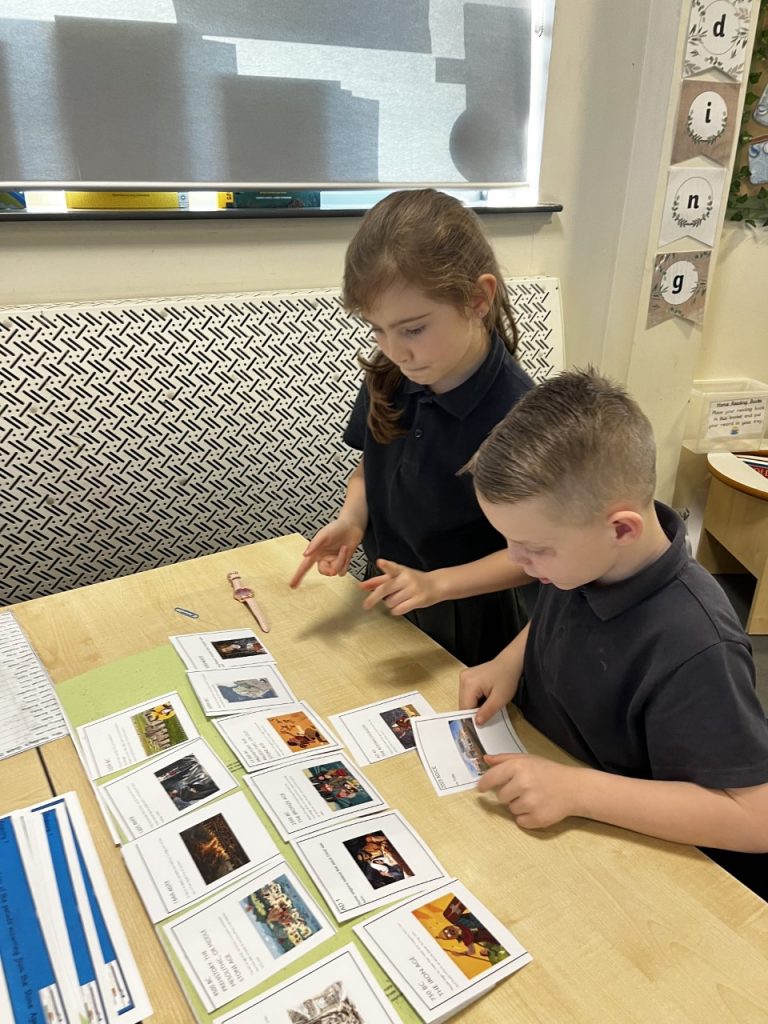
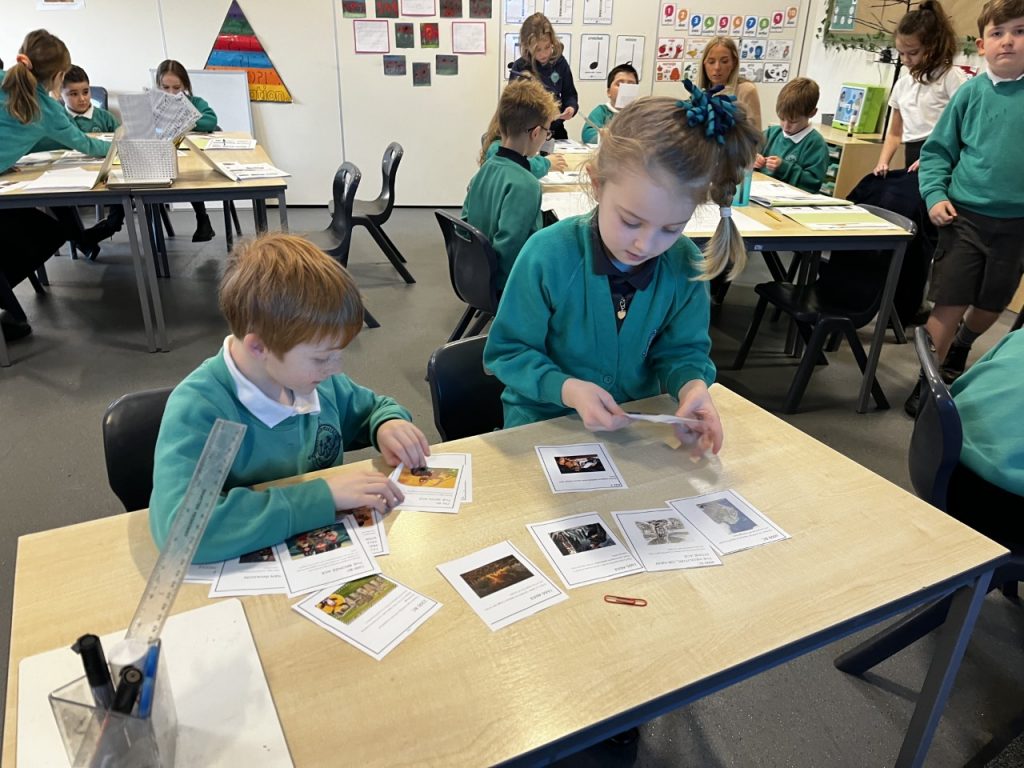
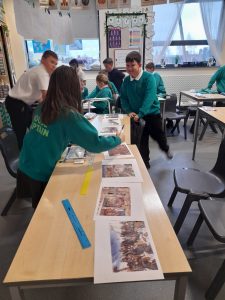
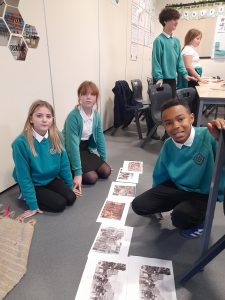
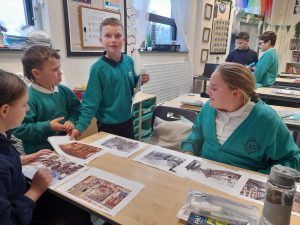
For the first lesson the children were given the task of arranging historical events in chronological order.

Chronology is the science of locating historical events in time. It relies upon chronometry, which is also known as timekeeping, and historiography, which examines the writing of history and the use of historical methods.


Looking for the evidence…


Logical thinking…


Historians heads on…

Searching  for clues…

Making decisions….

Why are timelines important ?

 A timeline is a visual learning aid that helps children organize a series of events in the order they happened. Each event or person should have a date (or time) clearly marked on the timeline. Timelines provide a framework to show potential relationships between historical events.


Exploring Stone Age Artefacts

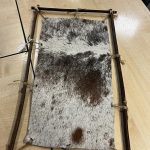
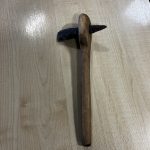
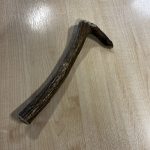
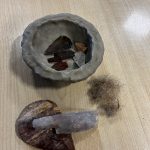
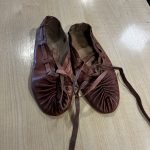
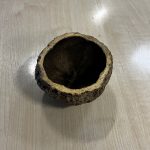
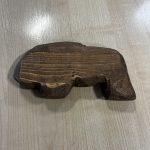
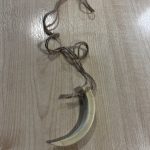
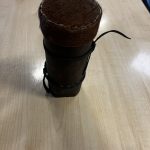
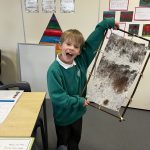
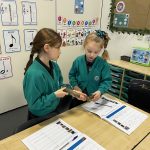
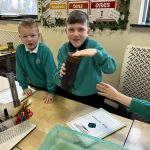
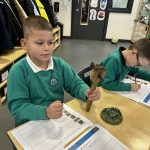
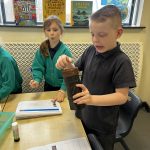
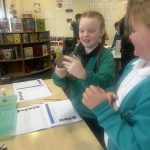
In Year 3, we are studying changes in life in Britain from the Stone Age to the Iron Age. To start off our new unit of work, we looked at all of our replica Stone Age artefacts we are very lucky to have in school.

We spent a while looking at them very carefully and hypothesising what we thought they were made out of, how they were made and what they were used for. Here are some of the artefacts below – can you work out what they are and what they were used for?

We all loved looking at them and couldn’t believe they were all made from stone, horns, tusks, bone and wood. We were all shocked with the animal skins in the frame and how it was stretched to use for clothing and shelter. Come and ask us in Y3 to tell you all about them!

‘You must bring a hat!’

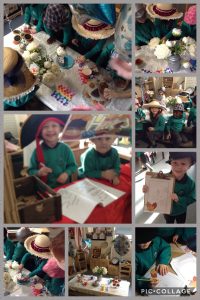
This week Foundation Stage read the story ‘You must bring a hat!’ We loved reading the story and exploring all the characters from the book!

The story inspired us with so many fantastic ideas but also some wonderful questions! Mainly regarding the ‘monocle wearing badger!’ What was a monocle? Why was he wearing one? Have we ever seen one? And what would you need it for? We decided to investigate this and examine our very own monocle! We inspected and examined pictures of people wearing monocles and discussed all those questions… What was it? What was it used for? We came to the conclusion that it was something “from the olden days” because the pictures were “black and white and we don’t see them anymore!”. We realised it was to help you see and compared them to glasses today and how they looked different, how had they changed? This was a brilliant topic for discussion and we had great fun exploring the monocle further in our “olden days hat shop!”


Hat Crazy!
This week we introduced our new story ‘You MUST bring a hat!’

The children LOVED this story and it inspired us to get HAT CRAZY!

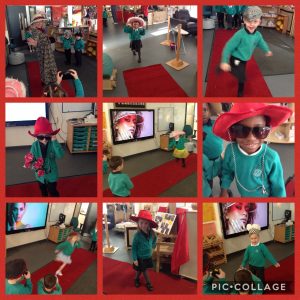
We have explored all different types of hats…tall hats, spotty hats, sparkly hats, HUGE hats! And have loved using our imagination to describe them and discuss what they might be useful for!

We have looked at iconic hats through history, characters who wear hats and hats from all around the world!

The children hosted their very own ‘HAT-WALK’…strutting their stuff down our very own red carpet!

We also had a ‘Mad-Hatter’ tea party…but of course to attend…YOU MUST BRING A HAT!


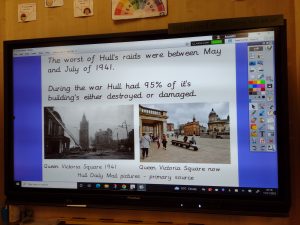
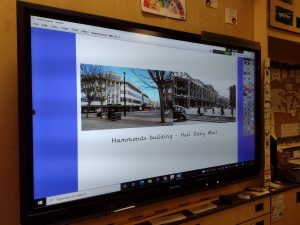
This week in history Year 3 have been looking at the Blitz and the impact this had on Hull.

We have looked at how the building were damaged and how the landscape of Hull changed.

We found out that 95% of buildings in Hull were either destroyed or damaged during the Blitz.

Year 3 were amazed to find out that Hull was the most severely damaged location in the UK during WWII.

We identified that the Germans wanted to damage Hull as it was an important port which was used during the war effort.

Remembrance -Lest We Forget

Poppies are worn as a show of support for the Armed Forces community.

The poppy is a well-known and well-established symbol, one that carries a wealth of history and meaning with it. Wearing a poppy is still a very personal choice, reflecting individual experiences and personal memories. It is never compulsory but is greatly appreciated by those who it is intended to support.

But what is the inspiration and history behind the poppy becoming a symbol of Remembrance?

The Western Front

During WW1, much of the fighting took place in Western Europe. The countryside was blasted, bombed and fought over repeatedly. Previously beautiful landscapes turned to mud; bleak and barren scenes where little or nothing could grow.

Fields of Poppies

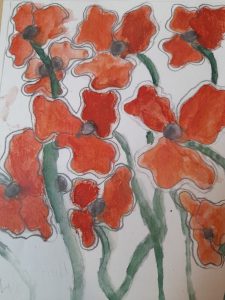
There was a notable and striking exception to the bleakness – the bright red Flanders poppies. These resilient flowers flourished in the middle of so much chaos and destruction, growing in the thousands upon thousands.
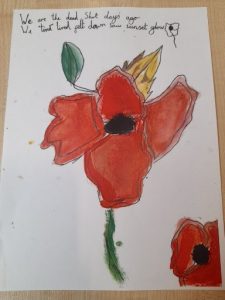
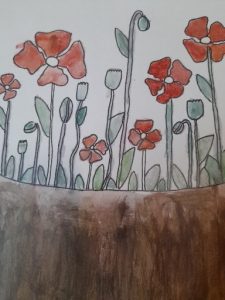
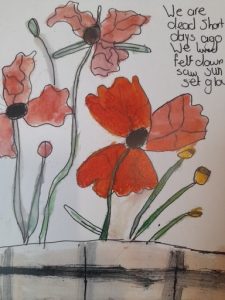
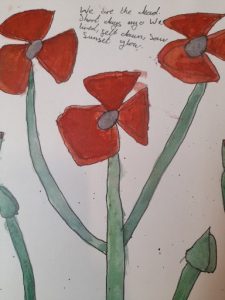
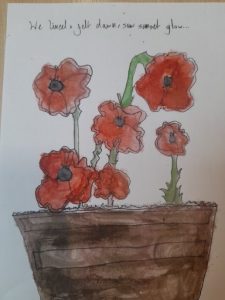
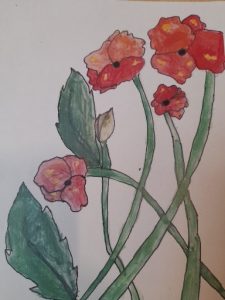
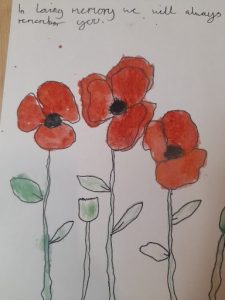
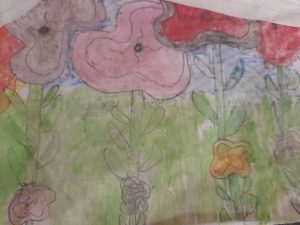
Year 6 have created their own piece of art work ; each one a personal symbol of Remembrance.
Browse through our Remembrance Gallery
.                     
Some stunning pieces of art !!!
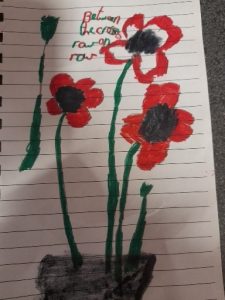
Inspired by the lesson, two children went home and created more work !!!
Thank you Jessica and Jessie.