quiz

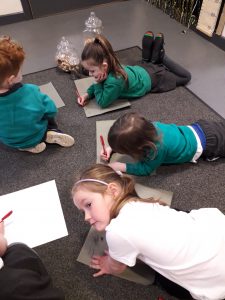
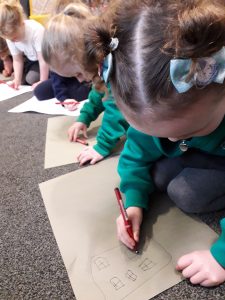
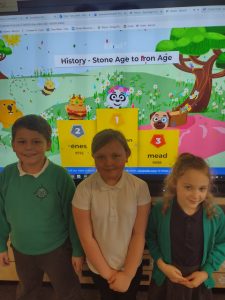
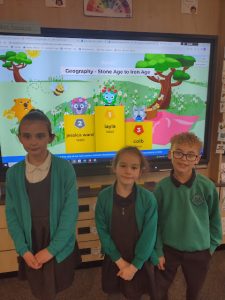
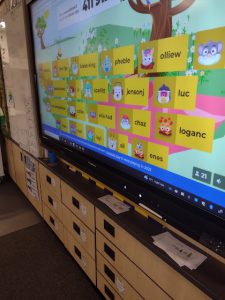
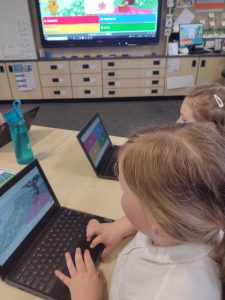
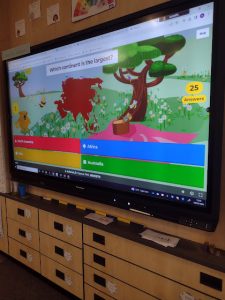
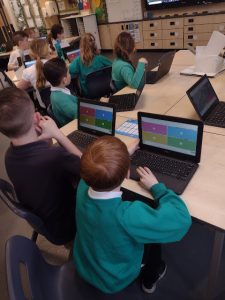
Year 3 have had lots of fun this week completing our end of term history and geography quizzes.

We could recall lots of facts about what happened in history during the period spanning from the stone age all the way through to the end of the iron age. We remembered what hillforts are and why they were used along with why Stonehenge was built and what it was used for. We also remembered lots of information about ‘The Cheddar Man’ and ‘The Amesbury Archer’.

We used our geography knowledge to answer lots of questions including ones about the 8 points of a compass, human and physical features and the different types of land use we witnessed on our field trips.

Some of us were very happy that we got great scores.

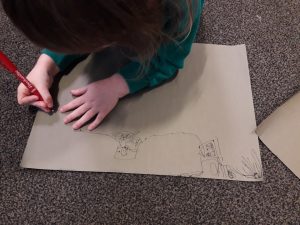
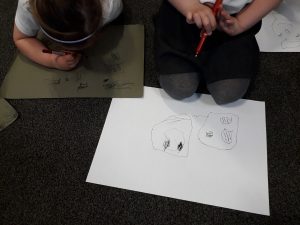
We’re Going On A Bear Hunt

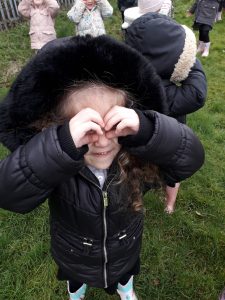
We just loved We’re Going on a Bear Hunt.  So many of the children could retell the story, using actions, and kept chanting parts of the story as they played.

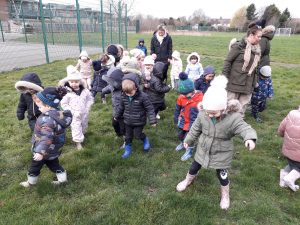
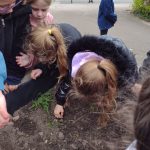
We ended up going exploring out on the field to see what we can find.

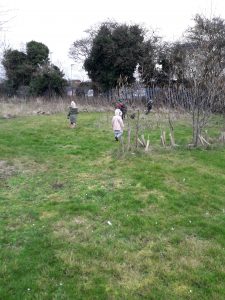
There was lots of grass so we made lots of ‘swishy, swashy’ footsteps.

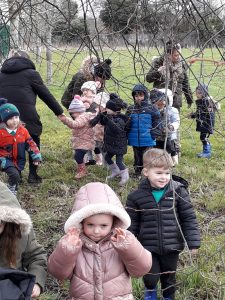
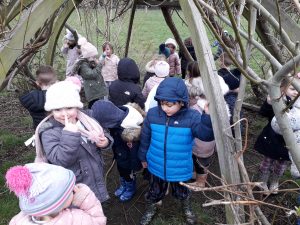
We found a forest and we had to be careful not to stumble and trip!

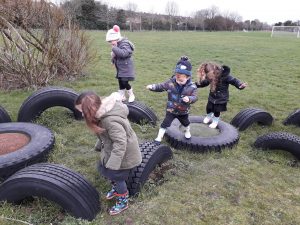
We pretended the tyres were the thick, oozey mud.

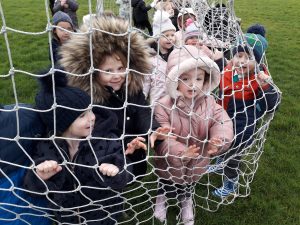
Unlike the story, we got caught in a real BEAR TRAP!

Eventually, we found the bear’s cave.  Poppy saw 1 wet shiny nose!

Which meant we had to rush all the way back home through all the obstacles!

We’re never going on a Bear Hunt again!

Fieldwork – hessle

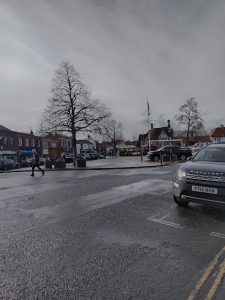
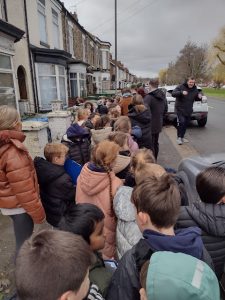
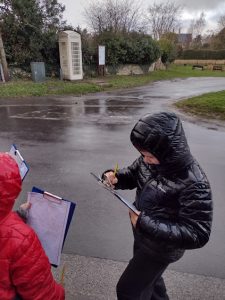
This week, Year 3 have had their geography field trip to Hessle.

We were all very excited to see how the town of Hessle would be different to our visit to the village of Brantingham.

Hessle is close enough for us to be able to walk there from school so we went on our field trip together.

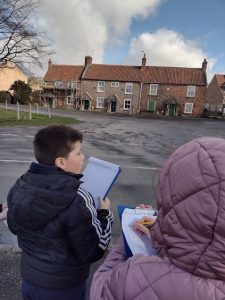
In Hessle we noticed that there were lots more buildings than in Brantingham and there were lots more people around the area.

Hessle has a different land use to Brantingham. The village had lots of agricultural land but the town has more commercial and industrial land.

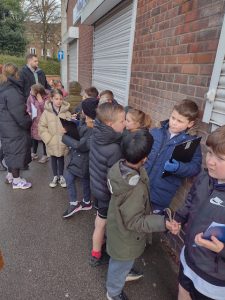
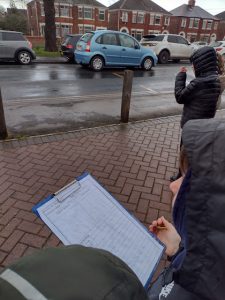
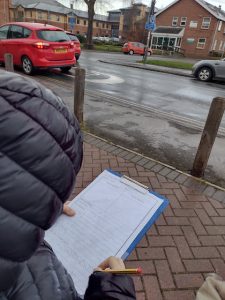
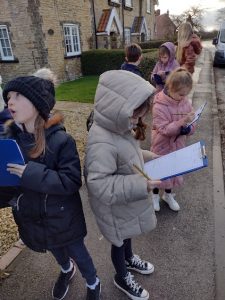
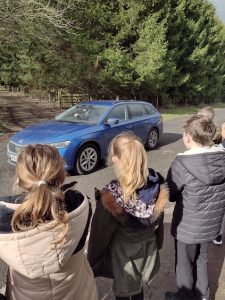
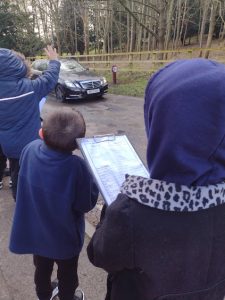
We carried out lots of field work during our visit to the town of Hessle. We carried out a traffic survey ensuring we used the same guidlines as we had in Brantingham such making sure we counted traffic for exactly 10 minutes. We also walked around the area identifying several features such as places of worship, post offices, shops, pubs and parks. Hessle had lots more of all of these features than Brantingham had.

We are looking forward to comparing our findings between a town and a village in our next geography lesson.

Fieldwork – Brantingham

This week Year 3 visited the local village of Brantingham to carry out some fieldwork as part of our geography lesson.

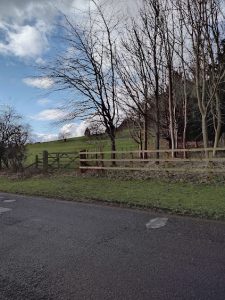
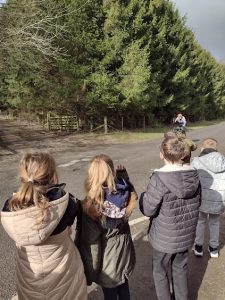
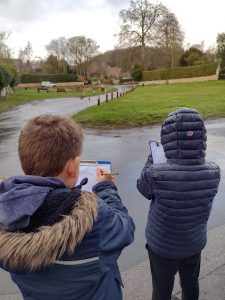
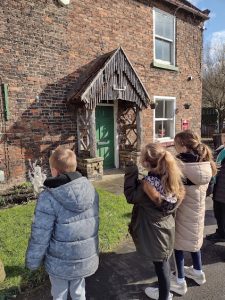
We walked through the village looking closely at all the different physical and Human features. We discovered lots of physical features such as the fields, the village green, trees and bushes. We discussed the types of land use in the area and talked about all the fields we could see with cattle such as sheep. We concluded that this land was agricultural as we could see the animals living on the land. As we looked at human features of the village such as the village hall and the cottages we discussed how this land was also residential.

On our walk around Brantingham, we completed a traffic survey. We recorded all the traffic that passed us in a 10 minute period. Lots of us thought we would see lots of cars but we didn’t. We passed a sign that said no HGV’s down a small country lane so we decided that we would not see a lorry, we were right.

Over the 10 minutes that we recorded we only saw a small number of cars, some of us saw a push bike and some of us saw a tractor. The roads in the village were very quiet. Whilst we carried out our traffic survey we could hear the sheep in the fields and the birds in the trees, it was very peaceful.

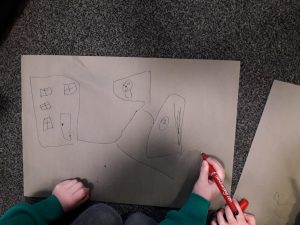
We finished our fieldwork off with creating a sketch map of the village so we can compare Brantingham with a town.

We cannot wait to go on our next fieldwork trip to be able to do a land, features and traffic comparison of different areas.

Year 4 PEOPLE WHO INSPIRE US – WHAT MAKES A SAINT?

Year 4 this term have been rather busy exploring and investigating the questions ‘What is a Saint?’ and  ‘How does a person become a Saint?’  In order to gain the answers to these significant questions we watched videoclips and listened to podcasts of children from other schools giving their own responses and from this deduced that a Saint is someone who is considered to be holy, kind, courageous and a special person who cared for and helped others in their lifetime. However, the children became rather confused to find that a person can only become a Saint after they have passed away therefore never knowing that they had been honored with such a title which our children thought rather unfair.

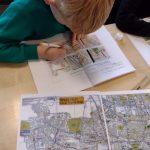
We then utilised our geographical skills and explored maps of our local and surrounding areas to identify locations which where named after significant Saints.

We identified streets (St Nicholas Avenue; St George’s Road; St Hilda Street), medical centres (St Andrew’s Group Practice), shopping centres and retail areas (St Stephen’s Shopping Centre and St Andrew’s Quay), churches (St Nicholas Church, All Saints Church and St Mark’s Church) and primary and secondary schools/Colleges (St Andrew’s Primary, St Vincent’s Primary, St Thomas More and St Mary’s College). From this we deduced that the councils who govern Hull and the surrounding areas must have recognised the importance of these individuals in order to name significant buildings and roads in our city after them.

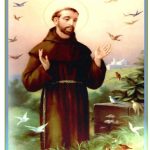
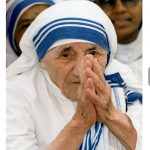
The children then explored the lives of significant Saints  – Saint Andrew, Saint Francis and Saint Teresa (Mother Teresa) and considered whether their ‘altruistic cause’ made them worthy of becoming a Saint.

We found that while Saint Andrew is the Patron Saint of Scotland, that he is also the Patron Saint of Fisherman, Fishmongers and Rope Makers. This further enabled the children to make links with Hull’s fishing heritage and understand why Saint Andrew is an important figure for our city. In addition, it was identified that Saint Andrew was a Christian and a disciple of Jesus whose altruistic cause was to continue teaching people about Christianity after Jesus’ death even though doing so led to his own crucifixion.

Saint Francis was a man who in his earlier life was quite selfish and cared only for himself until he heard the voice of God, which led to him giving his wealth away to the poor to become a holy man who lived a simplistic lifestyle. His altruistic cause was to do God’s work and care for others rather than himself. He is known as the Patron Saint of Animals and the Environment due to his ability to talk with nature.

The story of Saint Teresa leaving her family and homeland behind to commit her life to do God’s work in order help those who were less fortunate in Calcutta, India posed the question of whether we felt able to ever leave our own families never to see them again. We felt that Saint Teresa’s altruistic cause to do this was something that we would find hard to do and unanimously agreed that Saint Teresa was a very special person indeed.

In conclusion, we felt that each of these three magnificent individuals were truly worthy of becoming a Saint and deservedly so for their altruism and dedication to serve others in their lifetimes.

We then went on to explore some ‘inspirational people’ who either hailed from Hull or came to Hull and made it their home, while considering whether what they did during their lives for the city of Hull made them either a ‘Hero or a Saint‘:

Bilocca (Fishing Safety Campaigner)
Jean Bishop – The Bee Lady (Charitable Fundraiser)
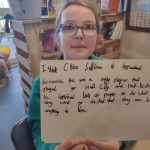
Clive Sullivan (Sporting Legend)
Sir Leo Schultz (WWII Air Raid Shelter Campaigner)
Phillip Larkin (Poet Laureate)
Amy Johnson (Solo Aviator)
William Wilberforce (Slavery Abolishment Campaigner)

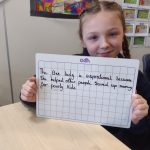
After hearing the significant stories about these ‘inspirational people’ the children agreed that what they did in their lifetime had a considerable positive impact on our city and for this they were all Heroes: however, now that they have sadly passed away that they are all worthy of being recognised as Saints for their own altruistic causes to put the needs of others before themselves.

Well done Year 4 for your super attitude to learning this term!
HUB – Geography

What is it like in London?

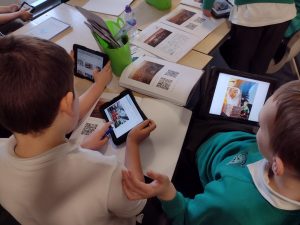
As Geographers, we wanted to know what London was like. Some of us have been there and visited attractions such as LegoLand in WIndsor but for the rest of the class needed to use digital tools to virtually explore. 

We looked at maps and used the key to find features of London….

We studied aerial photographs to explore what we could see…

We examined a range of photographs and compared London to places that we have been …

And..

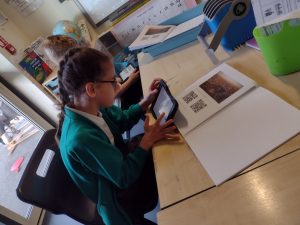
We learned how to use QR codes to help us jump to websites that showed us the attractions in London that are popular with children and families. We would LOVE to visit!
London Experience January 2023

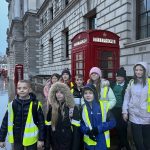
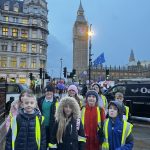
The Y6 house captains and Y5 school councillors were given the fantastic opportunity to visit London to experience our capital city, see some of the famous landmarks and to find out about Democracy and how this country is ran by visiting parliament. Unfortunately, due to the rail strikes we had to postpone the date of our initial trip which meant that we couldn’t visit the Houses of Parliament.

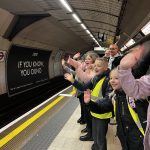
On the 11th January, we set off from Hull to Kings Cross which took us just under 3 hours. When we arrived we headed straight to the underground and caught the tube to Tower Bridge. When we got there we ate lunch in the sunshine overlooking the Tower of London which made a fantastic spot to have something to eat.

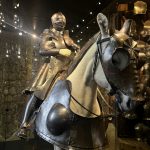
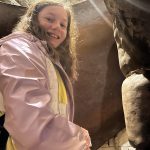
We went into the Tower of London which is a historic castle originally built William Conqueror where he built a stone tower fortress overlooking London. Over the years we found out that it has been used for a multitude of things – a prison, a place to torture criminals, a zoo, the Royal Armouries, The Royal Mint and a place to protect the crown jewels. We saw the empty case where the King Edward crown had been taken to prepare for King Charles’ coronation!

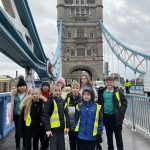
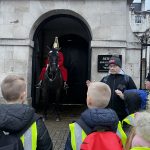
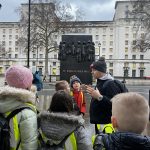
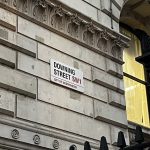
After spending a few hours in the Tower of London we made our way onto Tower Bridge and identified all of the landmarks along the River Thames. Then we went to see the Horse Guards and made our way to Downing Street. Here we spent a bit of time learning about who goes to Downing Street, who lives there and why. We were lucky enough to see Rishi Sunak, well his car, whizz by into Downing Street – there were lots of police vehicles with the cars!

We then walked up to the Houses of Parliament and Big Ben and found out about what happens in these buildings and how decisions in these buildings have an impact on us. The Palace of Westminster and Big Ben are synonymous with democracy and have become a symbol of parliament around the world – our school council elections are based on the voting systems that happen in this country when electing a political party representative.

After this we went up to Buckingham Palace and walked through St James’s park before heading back to Kings Cross and back home to Hull! A fantastic experience!