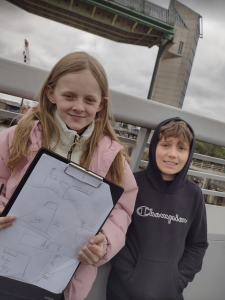
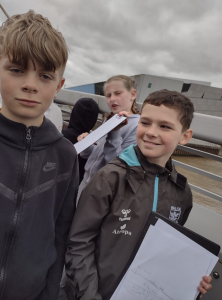
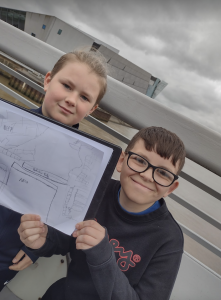
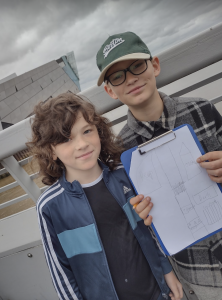
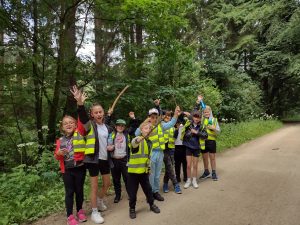
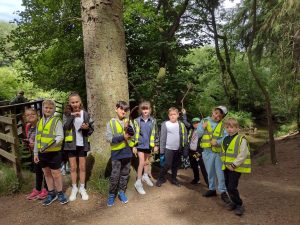
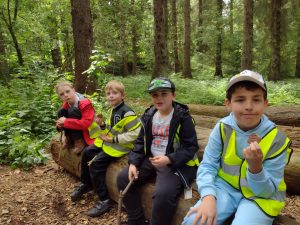
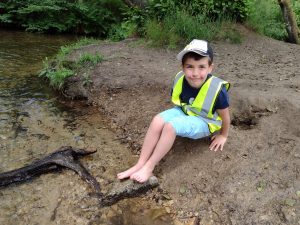
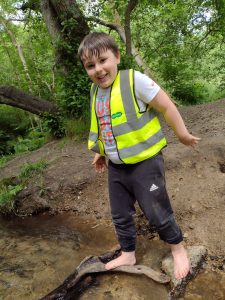
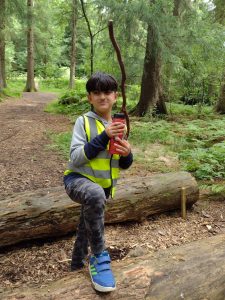
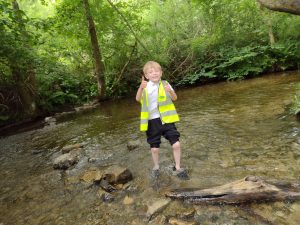
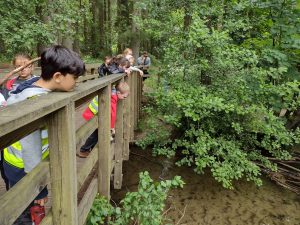
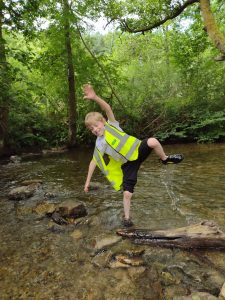
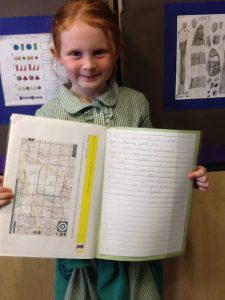
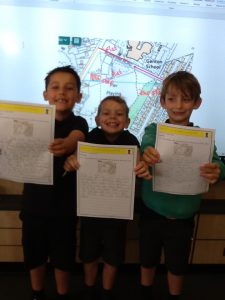
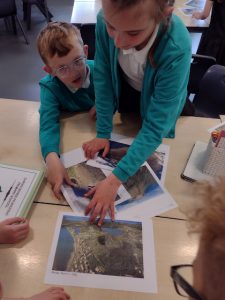
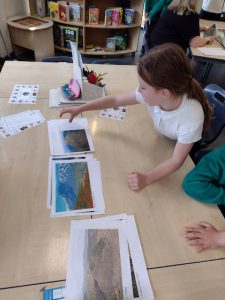
We had a look at a range of maps of our local area. As a class, we looked at Digimaps and found where Hull is in the UK, and where our school and local area is in Hull. We then wrote a set of directions from our school, around our local area and back again, our using our knowledge of the compass points.

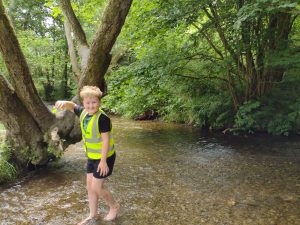
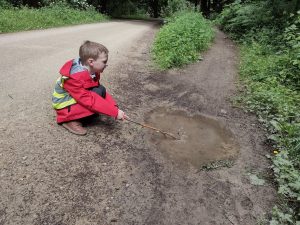
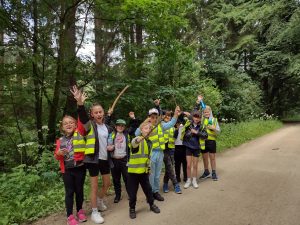
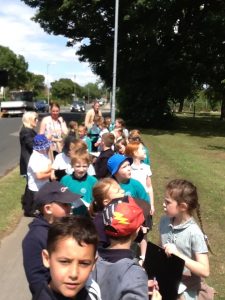
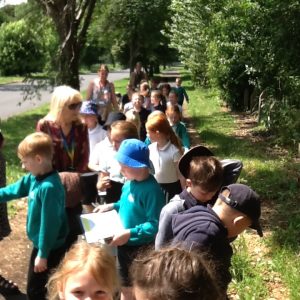
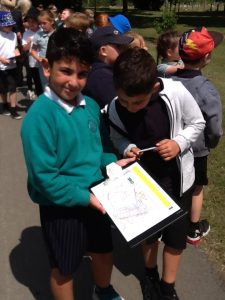
We then went for a walk around our local area, following our directions. We added landmarks, signs and buildings to our maps.

When we arrived back at school, we improved our set of directions by adding extra details, such as landmarks we went by and street names and signs.

Year 6 Countryside Learning Day at Sledmere House

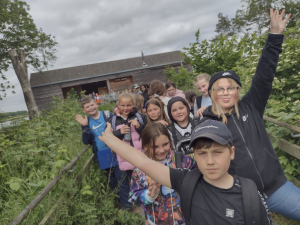
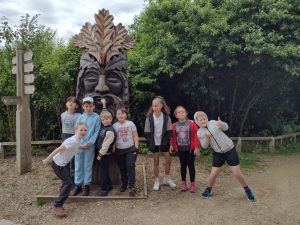
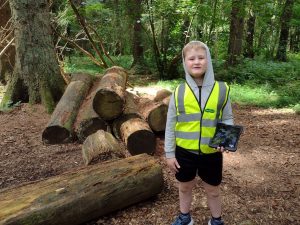
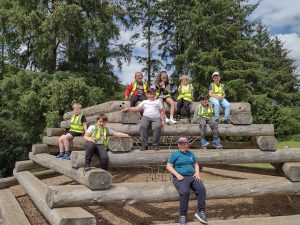
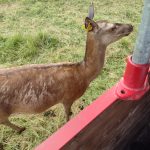
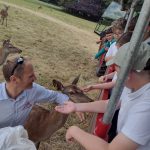
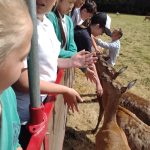
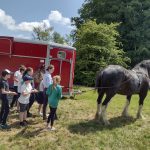
What a fantastic day we had in Year 6 at Sledmere house for our geography school trip! The sun was shining and it was a perfect setting to learn all about farming, food produce, plants, trees, and nature. A real highlight of the day was the ‘Deer Safari’ which allowed us to travel on a tractor wagon and get up close with hundreds of deer – some which were tiny babies and had only been born minutes before! We fed them and enjoyed watching them come up to the trailer to say hello.

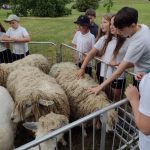
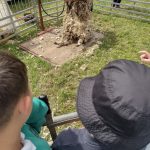
We also saw a sheep being sheared, a first for many of our pupils – and learnt about how wool is such a versatile product that can be made into many various items and clothing.

All children also planted a broad bean in a hand-made plant pot to take home!

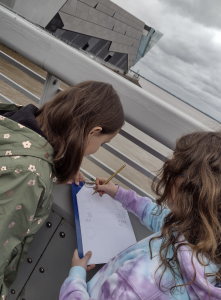
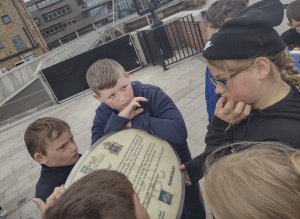
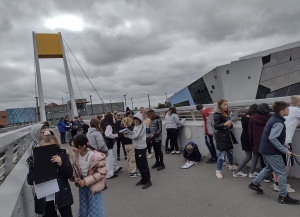
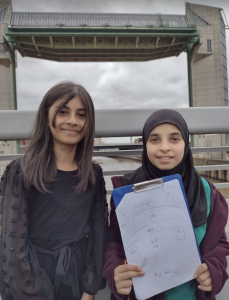
Y5 River Hull Geography Fieldwork

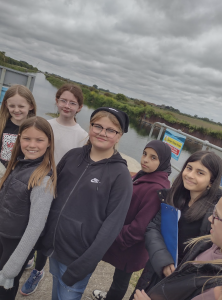
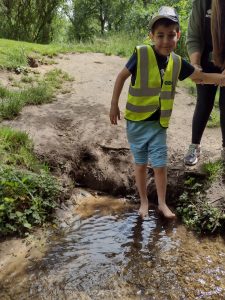
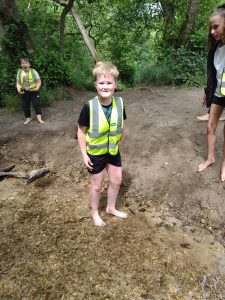
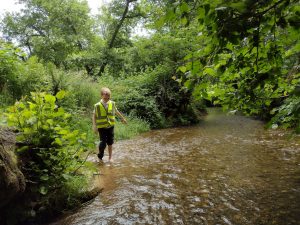
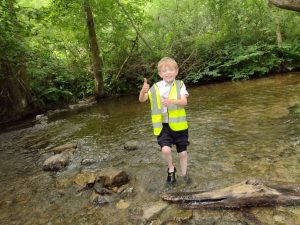
As Geographers, the Y5 students have been learning about how rivers are formed. They’ve explored UK rivers and world famous rivers but with us living in a city that is shaped by two rivers, The River Hull and The River Humber, we wanted to take our learning outside of the classroom to find out more.

We challenged our Y5 Geographers to identify how land is used beside the river at various points and how the function of the river changes as a result.

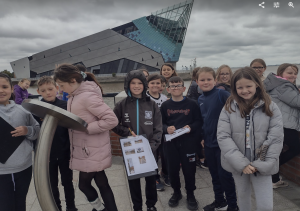
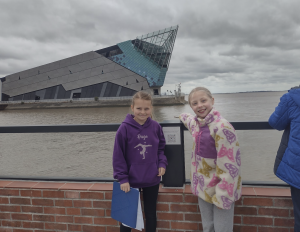
Our first stop was at the mouth of the RIver Hull!
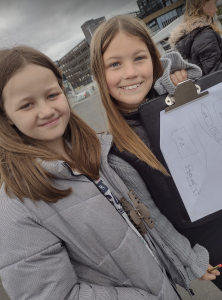
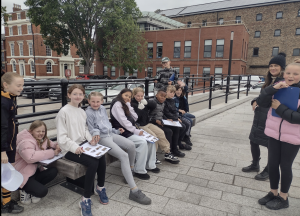
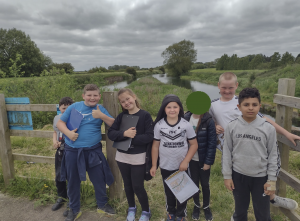
We identified land use, talked about the changes in the area and the promotion of tourism. We created excellent sketch maps, working with our partner to label and identify significant human and physical features. We looked at flooding defence and the importance of the huge tidal barrier that can be seen near The Deep.


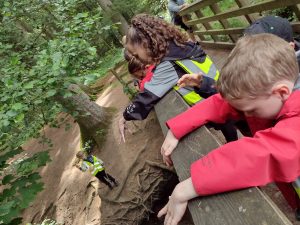
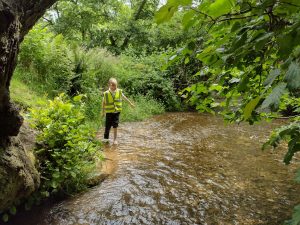
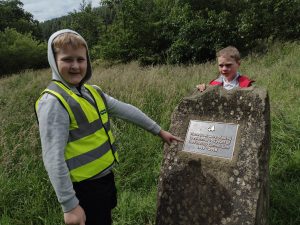
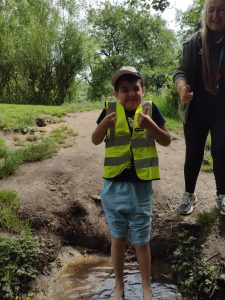
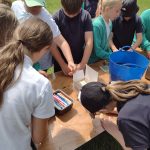
For the second part of the visit, we headed inland as we followed the course of the River Hull all the way to the outskirts of Driffield. Here we visited the Yorkshire Water Nature Reserve, Tophill Low. We learned about reservoirs, drains and fish gates here as well as rivers from our very knowledgable guide Richard. We asked fantastic questions as Richard helped us to complete our fieldwork tasks. This was such a contrasting setting to the urban mouth of the river, a tranquil rural beauty spot where tourism was also encouraged to help fund flood prevention in our area.
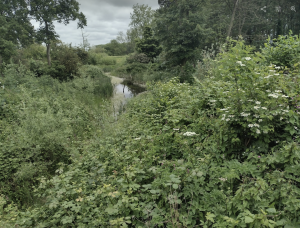
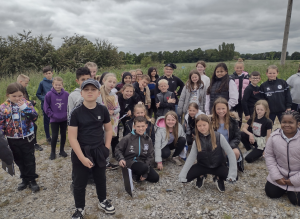


Richard told us that the enormous reservoirs at Tophill hold enough water to supply Hull for 90 days!
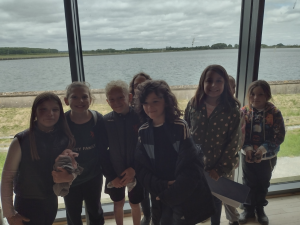
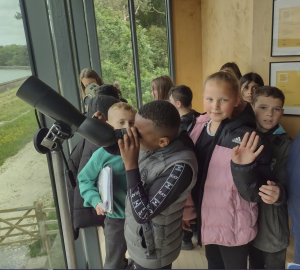
Being knee deep in the grasses, there was lots of talk about snakes! Richard showed us the skins of the snakes that live in the area but told us not to worry, as soon as they heard our footsteps (and voices) they would have scarpered and were not at all venomous!
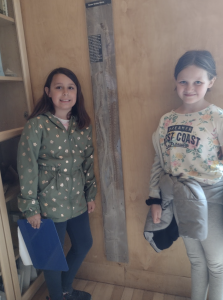
 

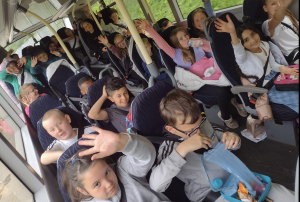
Needless to say, after getting all of those ‘steps in’, we were shattered on the way back!
Stop river pollution!
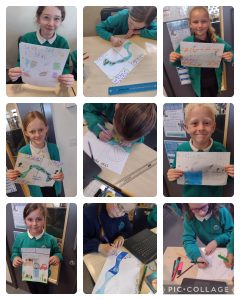
In our Rivers and Mountains topic, we have been learning all about where our water comes from and how to keep it healthy and clean. Today, the children created their own posters about river pollution! Here are some of the children’s amazing and creative posters!

Different types of volcanoes

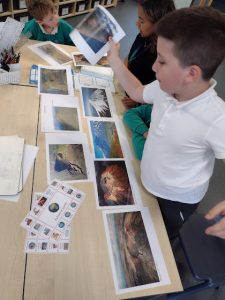
Year 3 are really enjoying our new topic about about volcanoes.

We have spent time looking at the layers of the Earth and found out lots of details about each layer. We know the outside of the Earth is called the crust and then the following layers are the mantle, the outer core and finally, the inner core.

We have also looked at the parts of a volcano and can identify different parts such as the crater, the throat, the vent and the ash cloud.

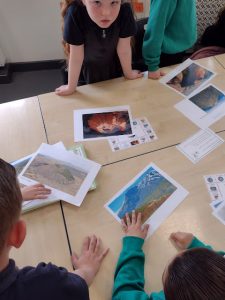
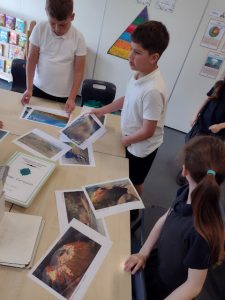
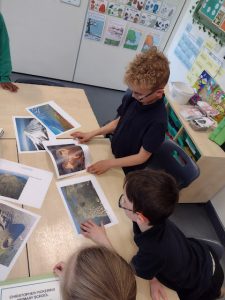
This week, we have looked at different types of volcanoes. We looked at different volcanoes around the world and discussed why we thought they may be different form each other. We thought that some may be dormant or extinct volcanoes as trees and plants were growing around them. We also thought that some volcanoes were older than others.

The volcanoes we looked at were different forms of volcanoes. We discovered that high sided volcanoes are called composite and that volcanoes that look a little like a bowl and have runny lava are called shield volcanoes.

F1 enjoy Farm Day

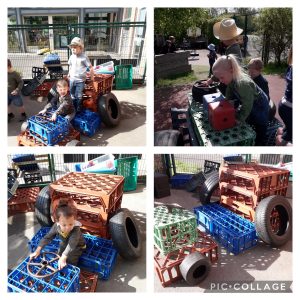
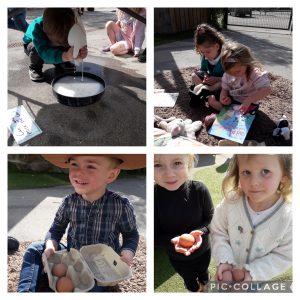
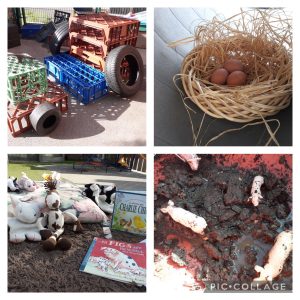
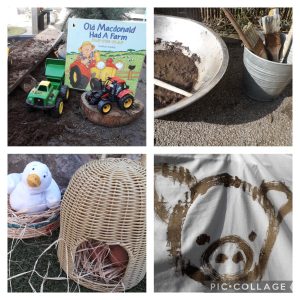
Our Farm Day was a great success. The ‘Farmers’ explored all our activities.

They drove their tractors to the fields.

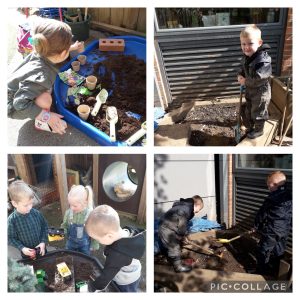
They dug their fields and planted seeds.

The cows got milked, eggs collected and we learnt more about our animals from our animal books.

A great day!

The water cycle

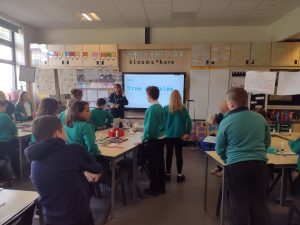
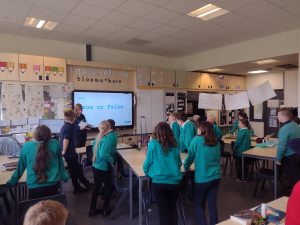
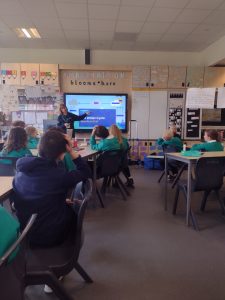
Year 5 have some exciting visitors this morning for our rivers and mountains topic. We are learning all about the water cycle and where we get our clean water from. Thank you to the Yorkshire Water Company!

Why are bees so important?

To coincide with Earth Day and making our pledges, we learnt all about bees, why they are crucial to life on earth and that they are sadly dying out.. We couldn’t believe that in the UK alone, around 70 crops depend on bee pollination. While there are other methods of pollination, including by other animals and the wind, wild bees can pollinate on a much bigger and more efficient scale. Estimates suggest it would cost UK farmers an incredible £1.8 billion a year to manually pollinate their crops.

We found out that one of the main reasons for bees dying is because they are losing their habitats due to humans building on woodland and grassland areas and different farming techniques.

To do our bit for bees, we planted a wildflower bee garden and hope that it will attract bees once it is grown.