Yoga

Year 3 are loving our new PE unit for this term.

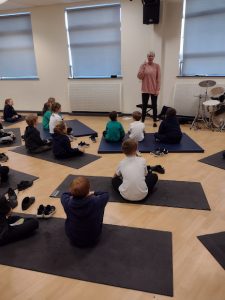
We are taking part in yoga sessions with Liesel. We have the opportunity to exercise our body and minds.

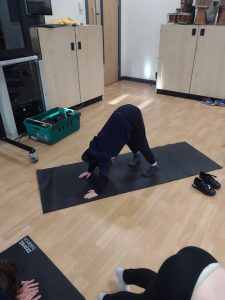
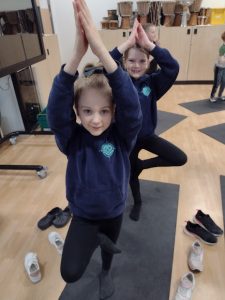
Through our sessions so far we have practised yoga positions we know and found out how to do new ones. We have practised positions such as the table, ragdoll, downward dog and rabbit. We have really enjoyed learning some new ones, so far we have tried the camel and the sailboat. Some of these positions are really tricky and they take lots of practice and balancing.

We have also enjoyed lots of different breathing exercises. So far, we have enjoyed shark breathing and box breathing. We love how these can make us feel calm and relaxed.
self portraits

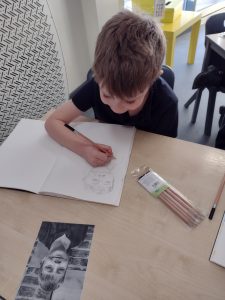
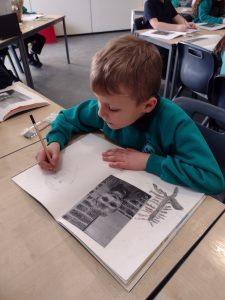
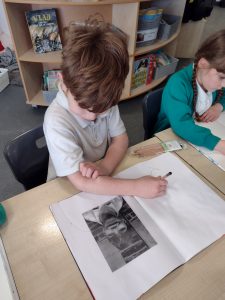
This week in art, Year 2 have been sketching self portraits.

Last week we looked at facial features and had a practise at sketching them. This week we have thought more about these sketches and put them in our self portraits. We thought about the size of our features, the shapes and the position. 

We started by looking at pictures of our own face and discussing where our eyes need to be sketched. From there we sketched our mouth and then our nose before adding further details to our sketch.

We used various graded art pencils in order to create soft and hard lines as well as creating different levels of shading in our sketches.

We are very proud of the work we have produced as artists.

Programming

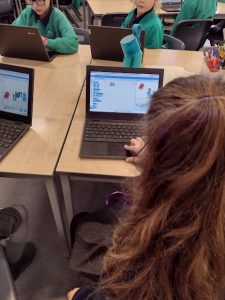
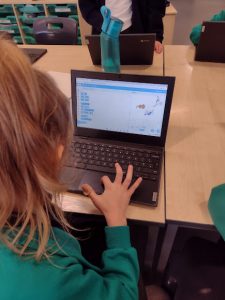
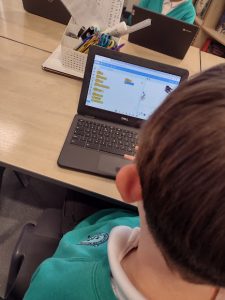
This week in computing, Year 3 have continued to use the Scratch programme.

We have begun to programme our Sprite.

Using the Scratch programme we have found out how to programme our character to move around the screen using commands. We discovered how to move more than one character at a time and how the character can make different movements such as walking, turning and jumping to random places.

How is the UK divided into regions?

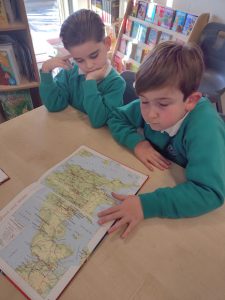
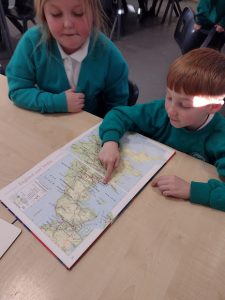
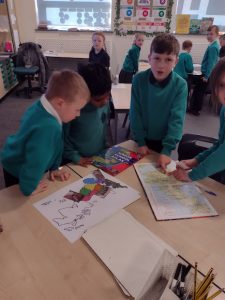
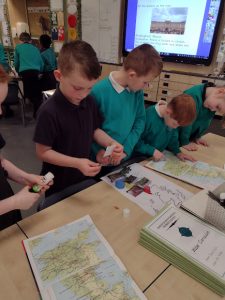
In geography this week, Year 3 have been discovering how the UK is separated into different regions.

We have used our knowledge of the 8 compass points to be able to label some of the different regions. We have talked about how the North East can be identified easily as it is the same as the compass point. East Anglia was a little more difficult to identify however, through discussion we realised the East Midlands was opposite the West Midlands.

Through our knowledge we were able to identify where Yorkshire is as we could spot the River Humber on the UK map.

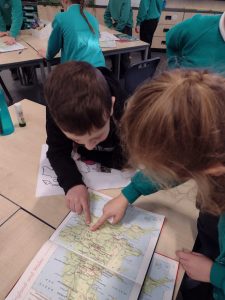
After we had labeled the regions we used the Atlas to identify where some cities are and discussed which region they are in.

As geographers, we can identify cities such as Liverpool, Bath and Newcastle and say which region of the UK they are situated in. We used our grid reference skills to help us identify these cities through using the index in the Atlas. We read the grid reference and remembered to read across then up.

We can also identify significant landmark and say which region in the UK you would need to visit in order to see these landmarks. We identified landmarks such as The Angel of the North in the North East, Stonehenge in the South West and the Roman Baths in the South West.

Design, make and evaluate

This week in Design and Technology, we have designed, made and evaluated our own soups.

We thought about the design brief to make a healthy soup for a fisherman and decided which vegetables we would like in our soup. We thought about taste and texture after we had tried them and made our own recipes.

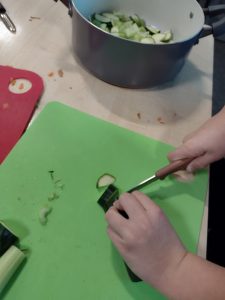
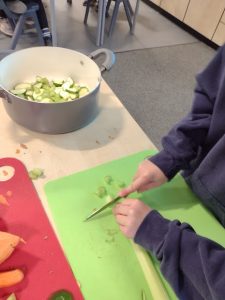
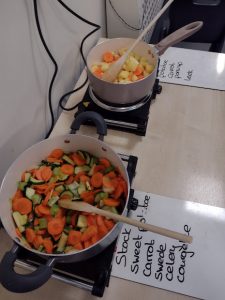
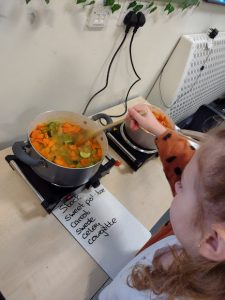
Once our recipes were finalised we started to prepare the vegetables for cooking. We used the claw and bridge hold we had used in our focused practical task ensuring we chopped our vegetables safely. We put our vegetables into a pan with the stock we had chosen in order to cook on the hob. We kept stirring our soup and ensured the heat was not too high for several hours until it was cooked and ready for liquidising.

Once our soup was ready we got to eat it!

The soup was lovely and lots of us wanted to make it at home.

Once we had eaten our soup we discussed if it had met our design brief.

We all agreed that the soups were hearty and filling and that they would be good for a fisherman.

Through our evaluation, some of us thought we could have added some different vegetables to add to the taste. Some of us thought we should practise our cutting skills more as some of us found the bridge hold a little tricky.

We enjoyed our soup!

Carol Service

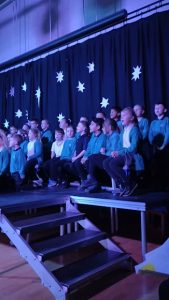
To finish the Autumn Term, Year 2 have taken part in a Christmas service.

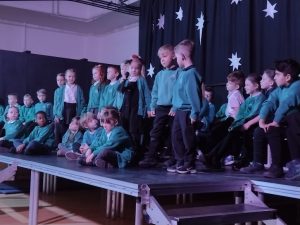
We have spent time over the term learning carols to sing. We have appraised and listened to the music, tune and words. We have talked about how calming some carols are such as Away in a Manger and how soft these songs are. The music is slow and gentle and it made us feel relaxed.
We practised these songs before we performed to an audience.

As part of our Christmas Service we also re-told the story of Mary and Joseph and their journey to Bethlehem for Jesus’ birth.

We each told a piece of the story to recount how Gabriel had appeared to Mary before Their Journey to Bethlehem and how the Shepherds and Wise Men followed a star to find a stable with Jesus.

We were very excited as we had a special visitor to watch our performance. The Vicar from St Nicholas Church came to watch us and led us in prayer to remember Jesus.

Alexander Calder sculpture

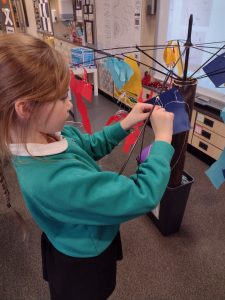
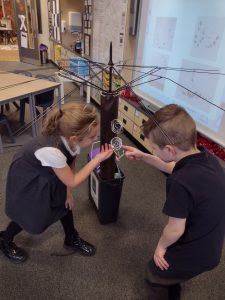
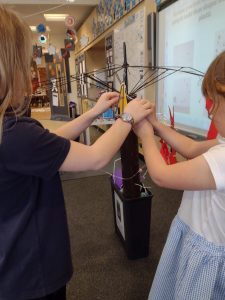
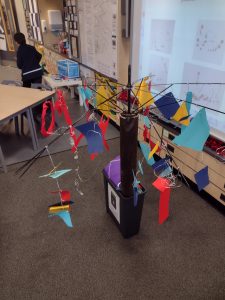
This week Year 2 have completed their final art piece based on the work of Alexander Calder.

We looked at sculptures that Alexander Calder has produced and how some of these are are hanging pieces which can move in the wind. We talked about how a sculpture is a 3D piece of art and how we could create something similar.

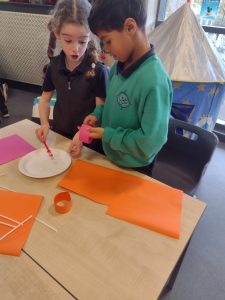
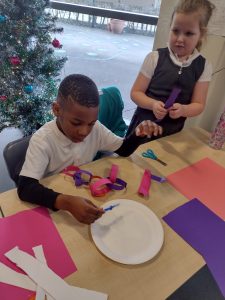
We started by exploring different materials to make 3D shapes. We used paper, card and straws to create our shapes and worked together to join some of these shapes together to make a simple structure.

Year 2 discussed the shapes they had practised which could be incorporated into the final piece of art work. they also discussed materials and thought wire would work well with the paper and card to create a hanging 3D sculpture which would move, inspired by those Alexander Calder produced.
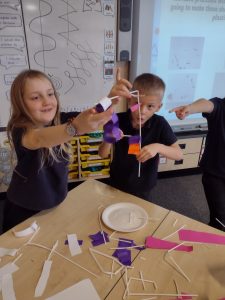
In groups, Year 2 produced shapes using paper and card in primary colours to hang on their sculpture. They also used craft wire to create the hanging effect of all the pieces on the structure ensuring there was patterns incorporated similar to the ones they identified in Alexander Calder’s paintings.

Year 2 are very proud of their finished sculpture.


Focused practical

This week, Year 3 have completed their focused practical task of their Design and Technology lessons.

We are thinking about our brief of making a healthy soup for a fisherman.

We are going to be using lots of vegetables in our soup as we know from our investigation that homemade vegetable soup is the healthiest.

We have discussed the importance of hygiene both for ourselves and for the environment that we are preparing food in.

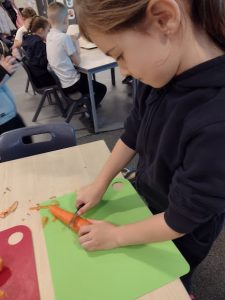
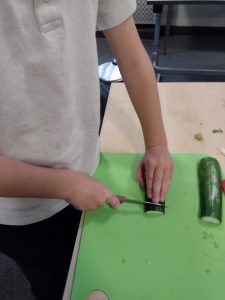
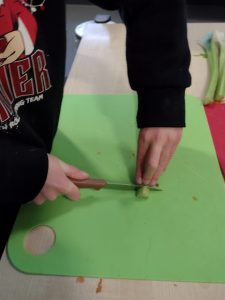
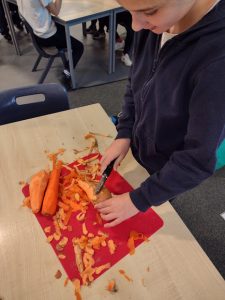
We have used our skills of chopping vegetables to practise our claw and bridge holds to ensure we can chop safely. We also practised our peeling skills.

Creating secondary colours

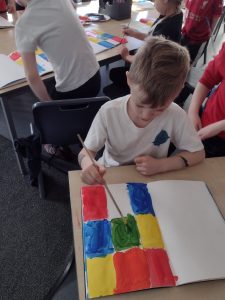
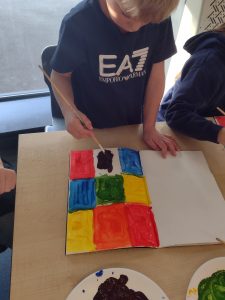
This week in art, Year 2 have been looking at the colours Alexander Calder uses in his paintings.

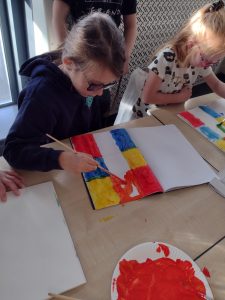
We noticed he likes bright colours such as blue, yellow and red. We got to talk about these and found out they were called primary colours.
Year 2 talked about how these primary colours could be mixed to make a different colour. We discovered these new colours are called secondary colours.

We mixed our primary colours to see what secondary colours we could create.

Blue + Yellow = Green

Red + Blue = Purple 

Yellow + Red = Orange


Investigation

Year 3 are at the investigation stage of their Design and Technology unit this week.

The design brief is ‘To design and make a seasonal soup for a trawler man’

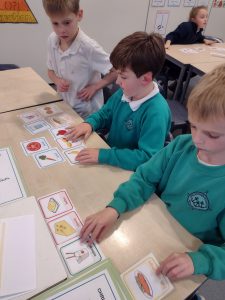
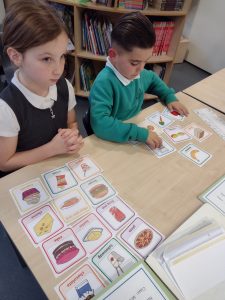
We begun by discussing what healthy and unhealthy foods are. We can identify unhealthy food and discuss how we should only have these occasionally.

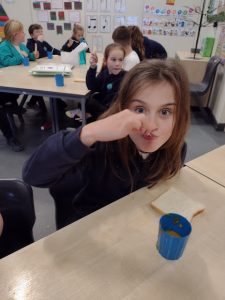
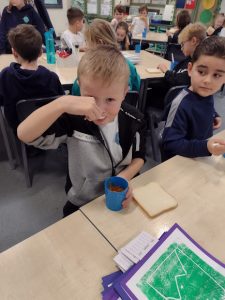
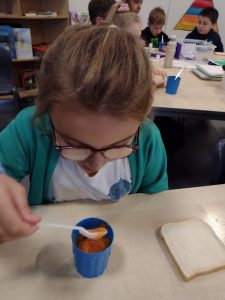
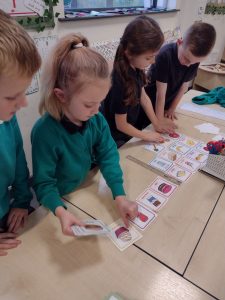
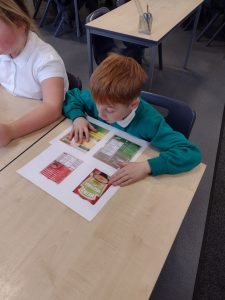
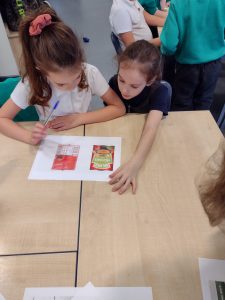
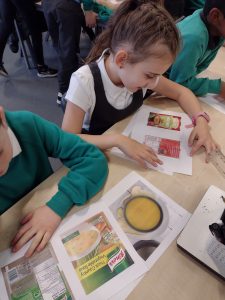
To help us think about our design brief we investigated different types of soups, We have looked at tinned, packet, carton and homemade vegetable soups. We have investigated to find out which soup contains the most salt and sugar as well as which ingredients are in each. We concluded that the homemade soup is the healthiest as it contains the least salt and sugar and has the most vegetables in it.

We have also discovered what seasonality is and the different foods that grow in our country in different seasons.

We found out that asparagus grows in May so we would not be able to get fresh asparagus in our country in winter but we could get fresh red cabbage in winter.