World Mental Health Day Y6

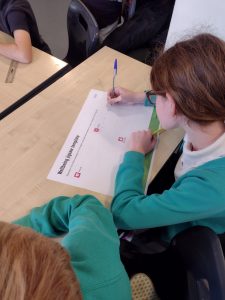
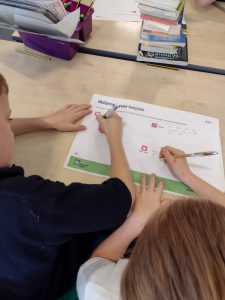
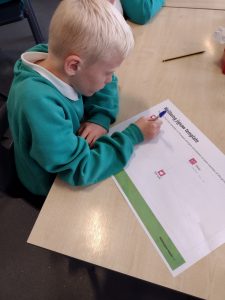
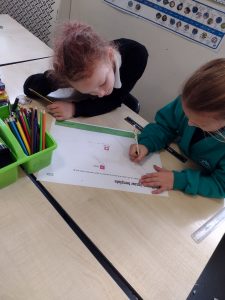
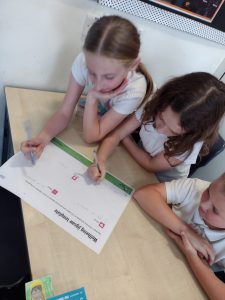
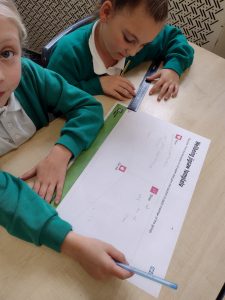
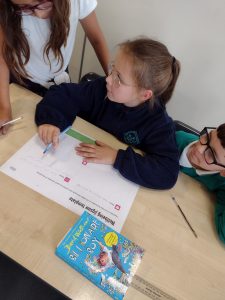
Year 6 have been thinking about how they can improve their physical and mental wellbeing.

By the end of the lesson the class were expected to make links between physical and mental wellbeing and know how we can look improve them.

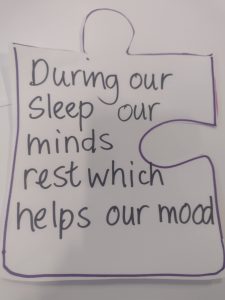
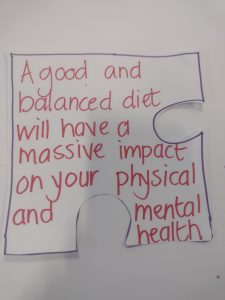
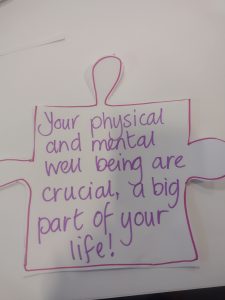
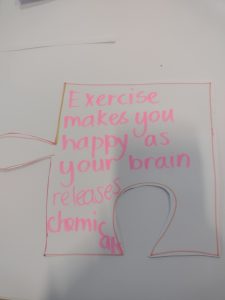
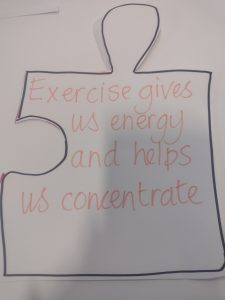
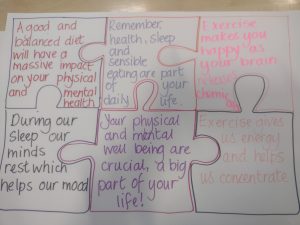
The children were then set a challenge. They were asked to come up with suggestions someone else might use to improve their physical and mental wellbeing . Here are some of their suggestions :


Individually they are all brilliant pieces of advice.

Collectively, the messages are stronger!!!

Bean bag experiment

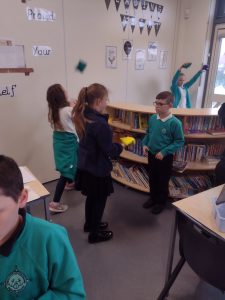
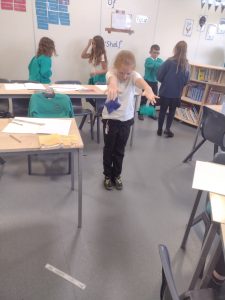
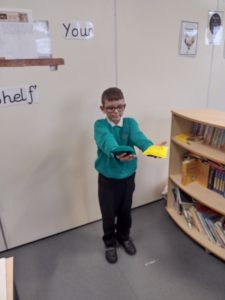
Today, we recapped our knowledge of forces – particularly gravity and air resistance. We then discussed whether heavier objects would hit the ground before lighter objects, or vice versa. We created our own prediction using the key vocabulary ‘gravity’ and ‘air resistance’, and then carried out the experiment.

We came to the conclusion that both objects hit the ground at the same time due to having the same amount of gravitational pull – discussing the impact of air resistance and how this impacts on falling objects. After this, we wrote up our conclusion.

We had a lovely lesson and were super sensible!

Year 6 Art

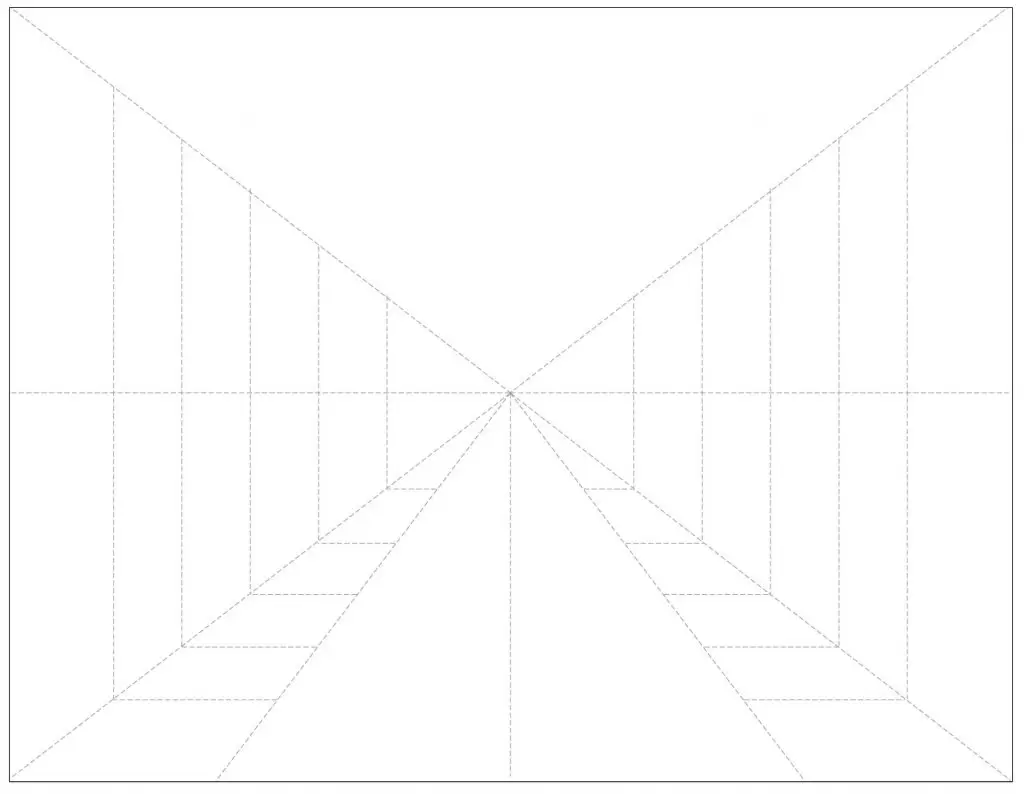
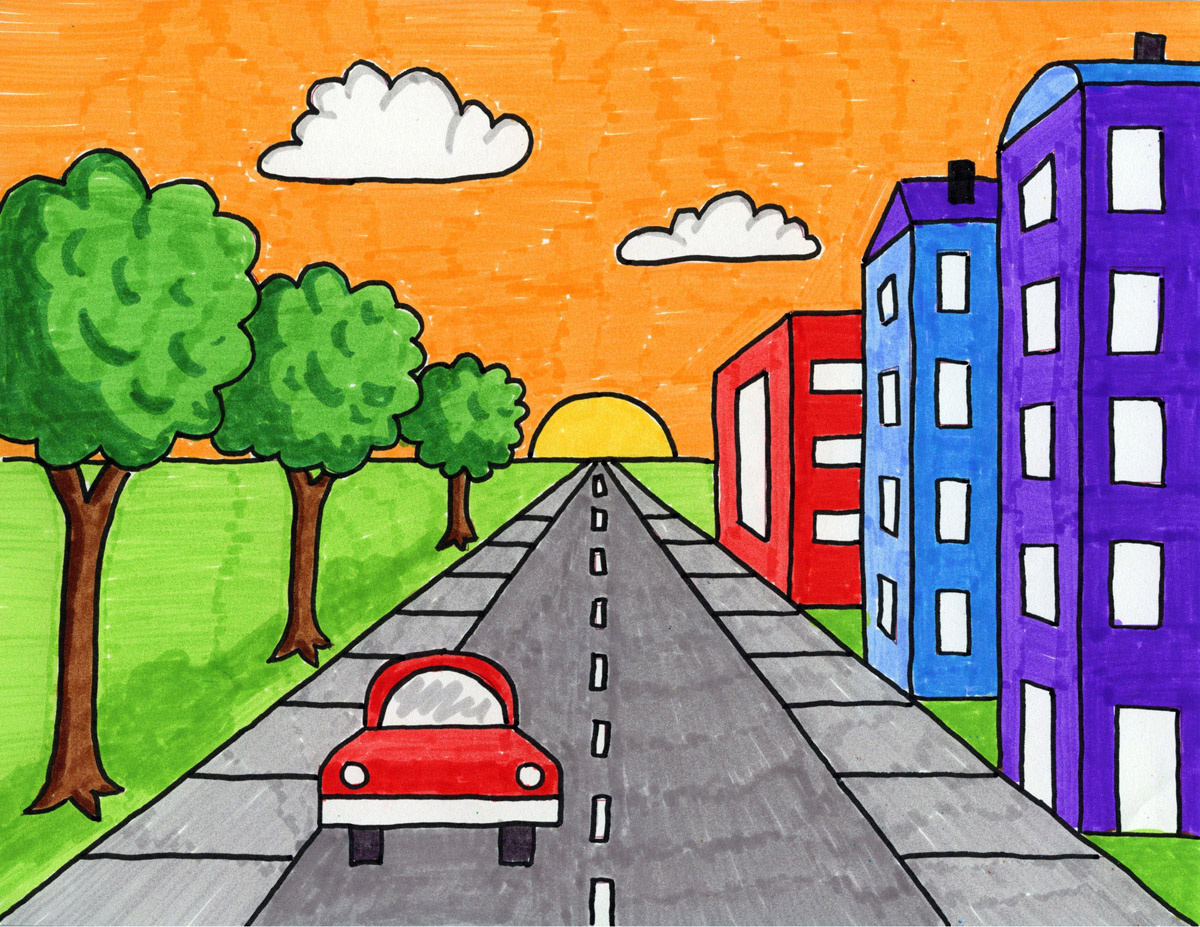
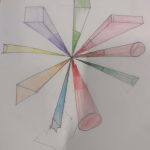
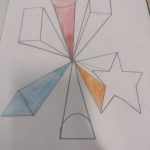
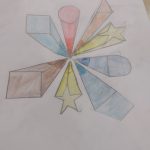
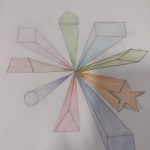
One point perspective is a drawing method that shows how things appear to get smaller as they get further away, converging towards a single ‘vanishing point’ on the horizon line. It is a way of drawing objects upon a flat piece of paper (or other drawing surface) so that they look three-dimensional and realistic.
 
Here are some examples.
Perspective drawing guide, available in the free download    Easy Tutorial for a City with One Point Perspective Drawing

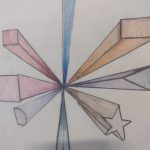
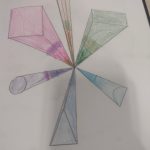
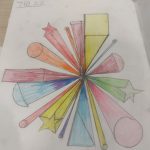
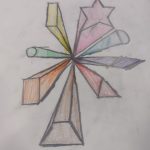
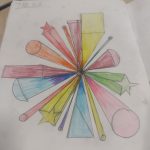
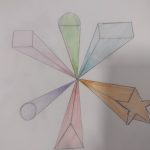
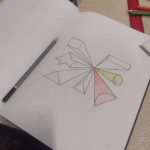
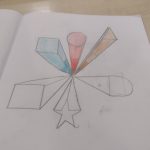
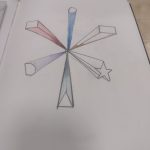
Year 6 used this technique by drawing simple 2D shapes , all the corner points and edges were connected to a single, central point to create one point perspective. To add to the effect they then applied pressure to the pencils to create depth.

Please have a look at our gallery.

I think you will agree, we have some budding artists in Year 6!


Newspaper Report Introduction

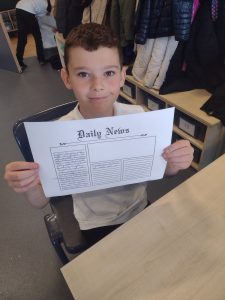
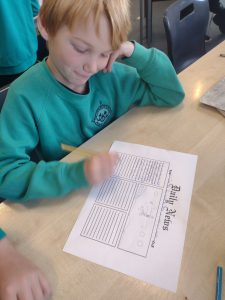
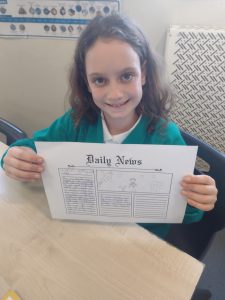
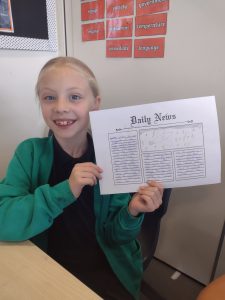
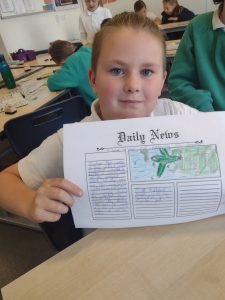
On Friday, Year 5 created a shared (with partners) newspaper report introduction, including the 5Ws – who, what, where, when, why. We are really enjoying our English unit about the ‘Titanium’ music video. Miss Mead is so impressed by all the hard work and determination we put into our writing!

Hull Active Schools Inter-school Cross Country

This afternoon, 10 children from Y56 represented CPPS in Hull Active Schools Cross Country  Championships. These children were selected to represent the school due to their finishing times at the intra-house race at school last week.

The conditions this year were the worst I have ever seen it! The rain held back a little for the boys race, but he wind was still howling throughout. The girls race was another level – a huge rain storm descended which soon became hail and sleet. Some girls gave up half way round due to the conditions. However, all of our girls dug deep and reached the finish.

We will have to await the results for the team events but on the day, Y5’s Jack S finished third place and came away with a bronze medal.

Well done to all children – you did amazing in challenging conditions!
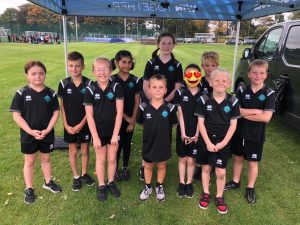
Sheltering before the races started! 
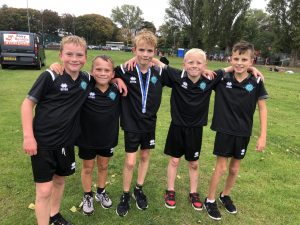
The boys post race: (L-R) Harrie G, Vinnie A, Jack S, Max W & Archie C
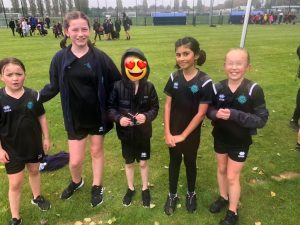
The girls post race: (L-R) Alesha L, Lola F, X, Fatima R, Olivia S
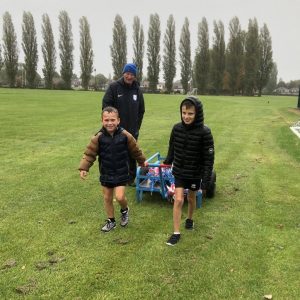
Special mention to Vinnie and Archie who braved the storm to help HAS to clear up cones and markers after the races. 
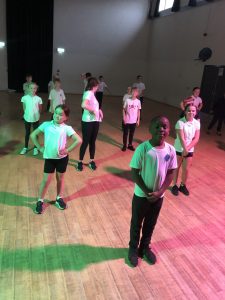
Girls get football season underway

Tonight our U11s girls got this year’s football season underway with a seven-aside qualifying event. Five other schools were in attendance which meant the girls got lots of games. Coming up against some very good games, the girls were challenged to improve every game and at a minimum, finish the game with a draw. After losing the first two games, the girls worked hard in the final three and met their target – they were also unlucky to come away without scoring a goal.

Keep up the hard work girls – we’re proud of you determination and sure you will continue to improve.

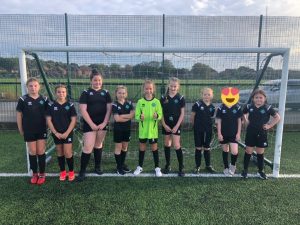
U11s girls: (L-R) Evie J, Issy B, Lily F, Lacie E, Lily MW, Molly Q, Tia E, X & Alesha L

In Miss Mead’s PSHE lesson, we spoke about the definition of a refugee and how/why they flee their country, and whether refugees can be identified by their appearance. We then discussed what rights and responsibilities refugee children could have, comparing and contrasting them to our rights and responsibilities. The UNCRC was then introduced and the children spoke about how rights and responsibilities of the refugee children fit into the UNCRC or whether they do fit at all. The children then worked in groups to identify different Articles within the UNCRC and how we, as children, can meet the policies.

This afternoon, Miss Mead’s class discovered who Alexander the Great is and why he had such importance in the Ancient Greek time period.

Firstly, we began with a discussion about who Alexander the Great/what he did by using our historian skills to examine sources. We then constructed a timeline of key events in Alexander the Great’s life – the children had to order the events and match them to the correct images.


Next, the children worked in small groups to create their own PowerPoint based one one achievement of Alexander the Great. We began to answer these questions:

1. When did this achievement happen?

2. Why and how did Alexander the Great complete his achievement?

3. What were the consequences of this happening?

4. What impact did this have on other countries? Positive or negative?

5. How did it impact on civilisation?

6. Did it have an impact upon Ancient Greece?

Children will continue their PowerPoints during the next history lesson.

Researching archaeological sources of evidence

Year 6 have enjoyed getting stuck into our ‘Ancient Maya’ history focus so far this year. Today, we focused on archaeological findings to deepen our knowledge and understanding about their way of life. Children were set their assignments on Google Classroom and were able to conduct independent research, watching videos and browsing reliable websites, to study what the archaeological findings can teach us about these fascinating people.

Year 6 – Investigating the anatomy of the heart

Year 6 investigated the anatomy of the heart this week in science. We dissected some pig hearts to investigate the 4 chambers of the heart, the valves and the different blood vessels.
We were able to identify the aorta, superior vena cava and the pulmonary artery and were able to put our fingers into these to investigate where they led to.
When we cut the heart open, we were able to identify the 4 chambers of the heart – the atria and the ventricles. We observed that the walls of the left ventricle were much thicker than the other chambers as this is the chamber responsible for pushing the blood all around the body so it needs to be strong.

We also identified the valves that separate the atrium from the ventricle on each side of the heart.

It was really interesting to see all of the intricate parts of the heart – including the heart strings (chordae tendineae) which hold the valves in place while the heart is pumping blood.