Y2 are Pattern Seekers

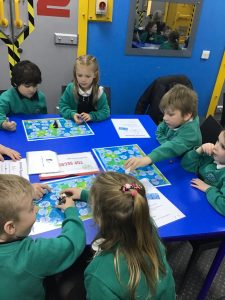
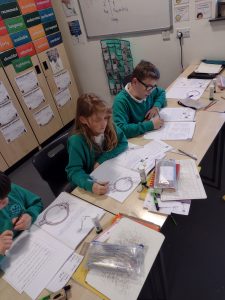
In Year 2 this week, they are exploring the big idea ‘Do colourful drinks have more sugar?’

They made a prediction of many sugar cubes each drink contains. Then they counted the amount of sugar in each drink.

Image

Finally, they made their conclusions.


Studying scientific secondary sources of evidence in Y6

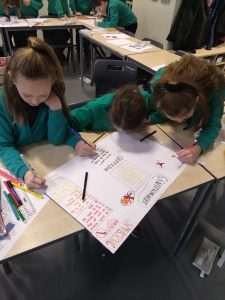
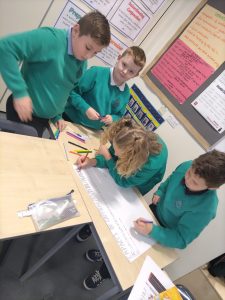
This week, Year 6 pupils were given a wide range of secondary sources within their science lesson. They worked as teams to classify and group the sources into 3 categories: tobacco, caffeine and alcohol. The children then worked hard to study the sources and evaluate how each of these areas could negatively impact the human body if not consumed sensibly. Each group then collated their findings onto an informative poster – well done Y6!

Do Heavier Objects Fall Faster Than Lighter Objects?

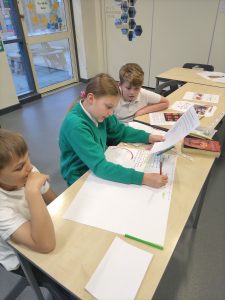
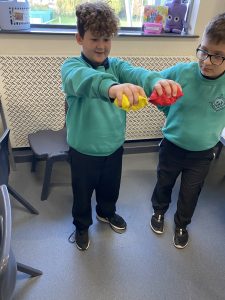
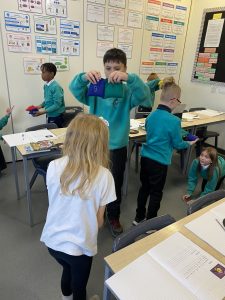
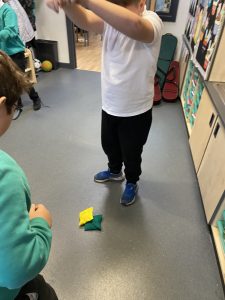
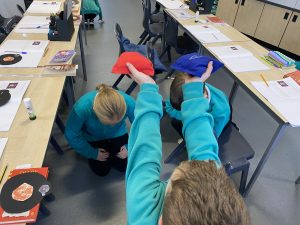
This week, in Science, Year 5 have observed whether heavier objects fall faster than lighter objects. We planned and conducted our experiment in groups. We dropped two beanbags that had different masses from the same height. We observed that both beanbags landed at the same time because they have the same amount of gravitational pull acting on them.

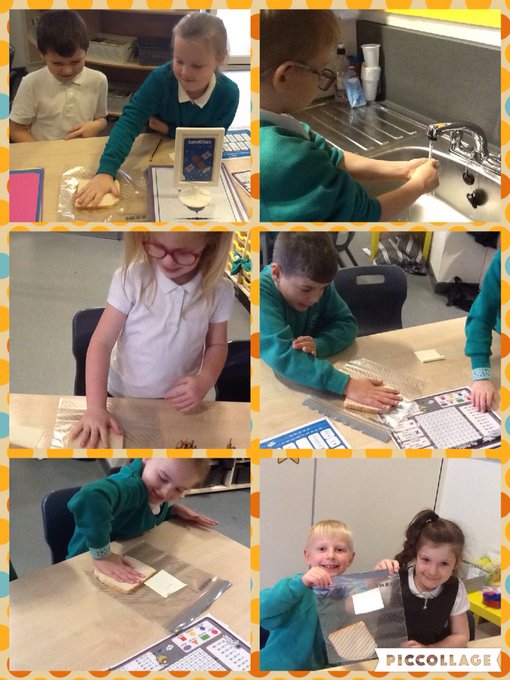
Y2 are Observing Over Time

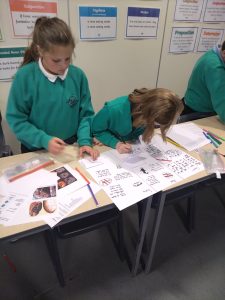
Year 2 have been learning about hygiene in Science. They have investigating what will happen to bread when touched with clean and dirty hands. They made a prediction and then carried out their investigation.

Image

They are going to record their results each week for the next 3 weeks.

They can’t wait to see what happens.


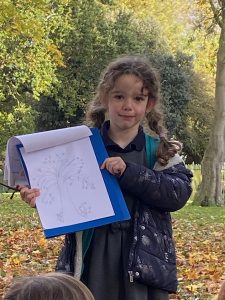
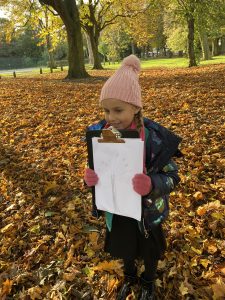
Autumn Walk!

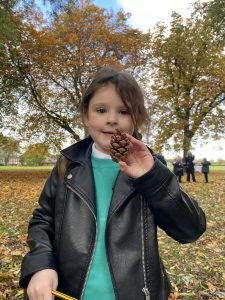
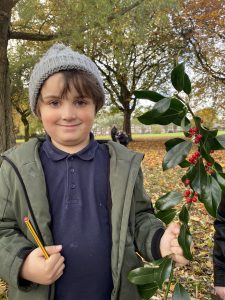
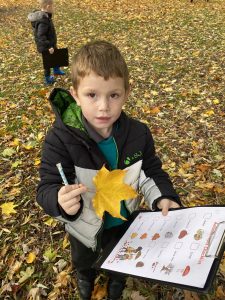
What a fantastic afternoon we had looking at signs of Autumn. Our first of four trips to the park allowing us to identify and explore the different seasons and their unique characteristics. We know that each season lasts around 3 months with Autumn starting in September and finishing at the end of November. 

To start our walk we used our Autumn checklist and explored the area looking for items such as conkers, leaves and pine cones. Here are some of the items we found:


During our time at the park. We were brilliant scientists and thought about some interesting questions such as ‘Do trees with bigger leaves lose their leaves first in Autumn?’ and we also did comparative tests such as ‘Which trees have the biggest leaves?’.

One of our favourite activities of the trip was doing an observational sketch of a tree. On our next visit for our Winter trip we will sketch the tree again allowing us to observe the changes overtime.


Science in music

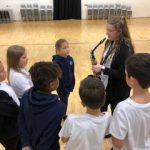
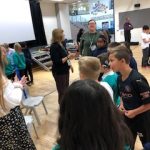
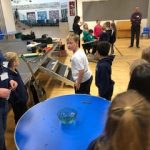
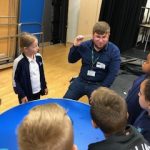
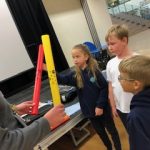
Year 4 were very lucky to have been visited by students from the Hull University Music department.  In collaboration with the Hull Music Hub, they delivered a workshop to our the children about sound and music. It was a fabulous end to their science topic about sound, and an excellent opportunity to use their knowledge to discover and investigate how science can be applied to real life, everyday things. The children were able to apply their understanding of sound to work out how each of the instruments worked and why they were making the different pitches. It was also an incredible opportunity for the children to see some real live musicians up close and have a play with the instruments.


Y2 investigate Exercise

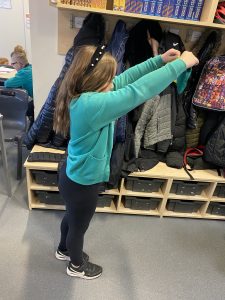
Year 2 have been investigating what happens to our body when we exercise. They did a variety of exercises in the classroom and then recorded how they felt after each exercise.

Image

Baking buns in F1🍒

The children have been busy baking currant buns this afternoon!

First the children had to wash their hands. They then had to grease the baking trays before they began mixing all of the ingredients together. The children had fun singing the 5 currant buns song when we were making the buns.

When we finished all of the mixing we put the mixture on to the baking trays. We put a cherry on the top before they were ready to bake.

Finally we put buns were ready and we were able to have them for our afternoon snack. They were delicious!

Are animal’s bodies the same as ours?

In science this week we re-capped our understanding of the human body and focussed on the enquiry ‘are animal’s bodies the same as ours?’. To start off our lesson we looked at a variety of photographs of different animals. I asked the children to identify their different features and characteristics.

After that we created two groups. One group of features we share with animals and one that we don’t. Here are some of the similarities and differences.

             Similarities                                                                             Differences

Eyes, mouth, head, legs and ears.                                    Tusks, trunks, hooves, fur, scales                                                                                                 and fins.

We had some great discussions about animal body parts and why they might have certain characteristics. We can’t wait to learn more about this next week!