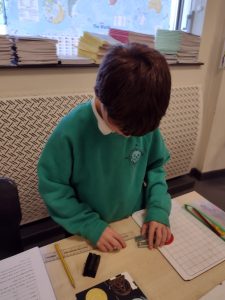
We’re Going on a Bear Hunt!

We’re going on a bear hunt! We’re going to catch a big one! What a beautiful day!

We’re not scared, demonstrating our good looking and listening skills whilst watching our new story.
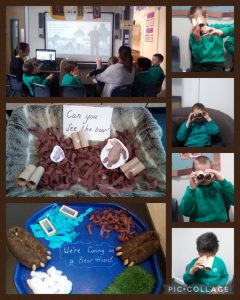
We absolutely love retelling all our stories through Tales Toolkit!

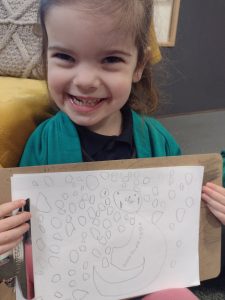
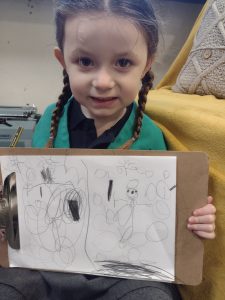
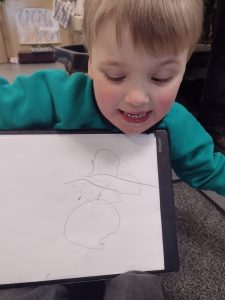
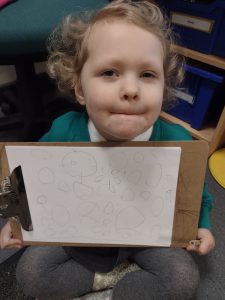
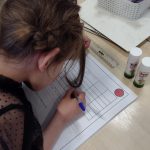
Mark making with paw prints, we completed our journey from start to finish using visuals to represent characters, a setting, a problem and a solution.
                                           

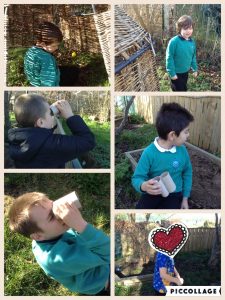
We creeped outdoors in search of bears using our own homemade binoculars.
                                             

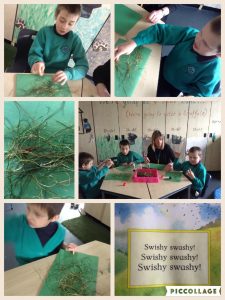
Uh-Uh! We found grass. Long wavy grass.
                                             

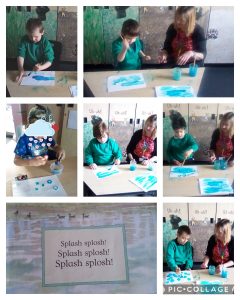
Uh-Uh! We came across a river. A deep, cold river.
                                             

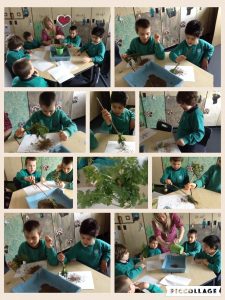
Uh-uh! We got stuck in the mud. Thick, oozy mud.

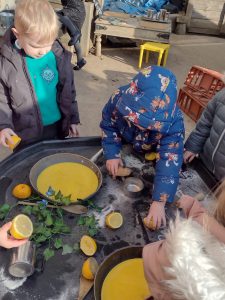
We made our own natural paintbrushes using sticks and grass creating our artwork using real mud.
                                             

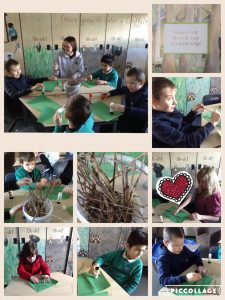
Uh-uh! We stumbled across a forest. A big, dark forest.
                                             

Uh-uh! We had to go through a snowstorm. A swirling whirling snowstorm.
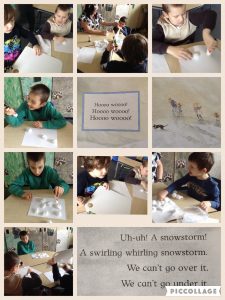
                                         

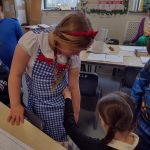
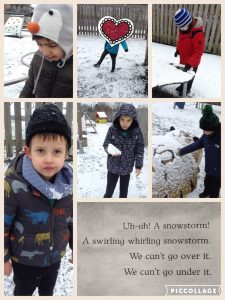
We arrived safely to school with our families through a real swirling, whirling snowstorm.
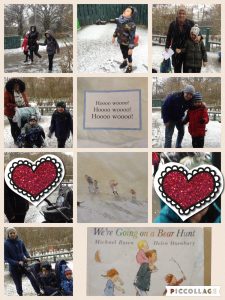
                                           

We had so much fun playing in real snow!
                                           

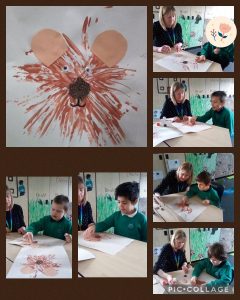
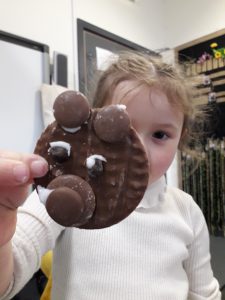
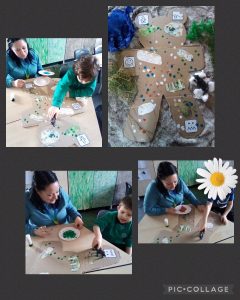
We made our own bears using a fork printing technique.

We’re still not scared!!!!!
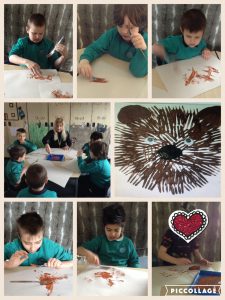
                       

After completing the features on our bears… we felt very scared!

We ran all the way back home through the swirling whirling snowstorm, the deep dark forest, the thick oozy mud, the deep cold river, the long wavy grass, stumbled up the stairs and hid under the covers.

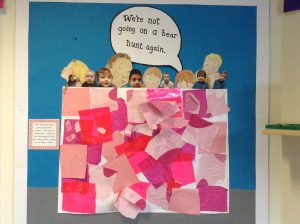
We demonstrated good teamwork skills creating the bedspread using a variety of materials to simulate the one in our story.

Can you spot us hiding under the covers?

We’re never, ever, ever going on a bear hunt again!!!!!


Year 6 Science Static Electricity

Year 6 had lots of fun investigating static electricity.

Static electricity is the buildup of the electrical charge in an object when it is rubbed against another object. Static electricity causes objects to stick together when they have opposite charges and repel when they have the same charge. Common examples of this include rubbing a party balloon on your head.

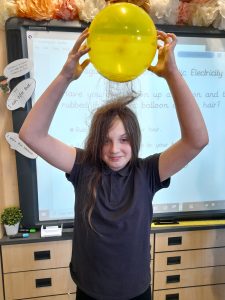
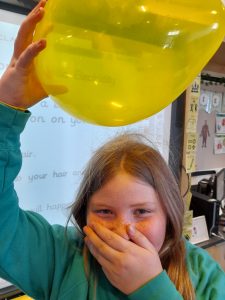
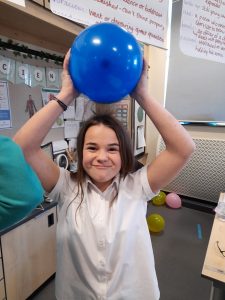
We thought we’d give it a go…

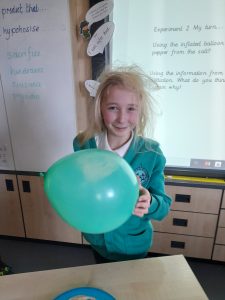
We had some enthusiastic volunteers…

Loving the new hairstyle…


Some objects such as wool, glass, human skin and hair are more likely to accumulate electric charges and have static electricity. Shuffling your feet across carpet, particularly in socks, is another way your body gains more electrons; they are released when you touch something such as a doorknob or another person.

As scientists the children were  posed with a problem.

How could they get tissue paper to move without touching it ?

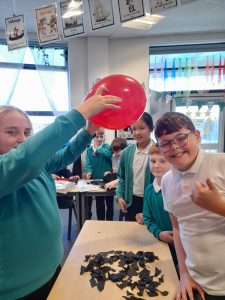
Working systematically and collaboratively small groups carried out their investigation…

Getting there…

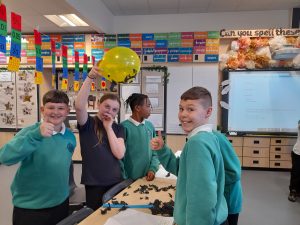
How could we attract more tissue paper?

This group were more successful….

They realised rubbing the balloon for different lengths of time to hold different amounts of static electricity to pick up more tissue paper worked.

And finally making a prediction….

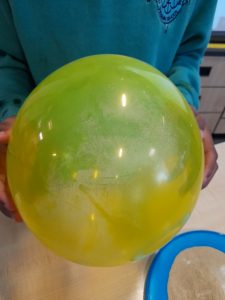
What will happen if you rub a balloon on your head a hold it over a mixture of salt and pepper?

The science explained…

It’s not magic, it’s static electricity! Rubbing a balloon gives it a negative charge, also called static electricity. When the balloon gains enough static electricity, and it is brought near the mix of salt and pepper, the negative charge polarizes the salt and pepper. That is, it moves the electrons of the salt and pepper to one side, leaving one end positive and one end negative. The positive end is attracted to the negatively charged balloon, but because pepper is much lighter than salt, the pepper flakes will jump on the balloon, leaving the salt behind.


Static electricity does more than just make your hair stand up!!!

F1 in the snow

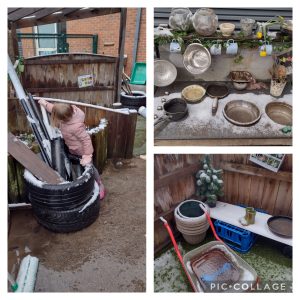
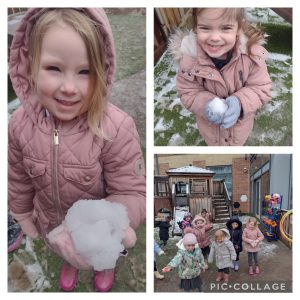
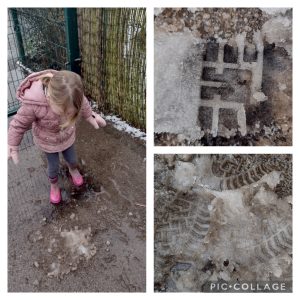
Those children who braved the cold had great fun exploring the snow; snowballs, fun and footprints!

The snow felt so cold on our hands.


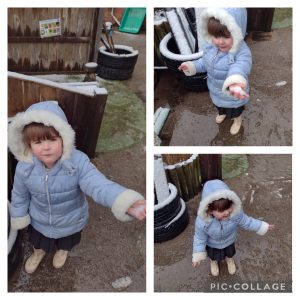
Ivy spotted the patterns our boots made.  Violet thought hers was like a maze.


Year 3 are carrying out ‘Fair Test Investigations’

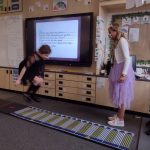
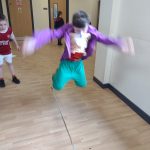
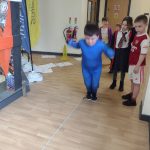
In Year 3 today, we were investigating – ‘Can people with longer femurs jump further?’

We all made a prediction and about half the class thought that it would affect the distance and the other half thought that it would not.

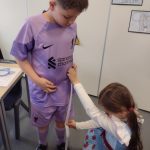
We discussed how we could possibly test this out and we decided that we would need to measure our own femur then compare this to other people in the class. We said that we would then get these people to carry out two jumps and we would record the distance to work out the theory.

We write down the method then looked at how we would make this test a fair one – we would all need to do the same type of jump, we would need to jump from the same starting point and we would need to measure the distance in the same way.

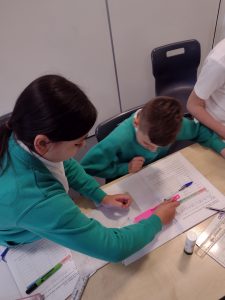
We carried put the tests and recorded our results in a table.

We concluded that you did not have to have a longer femur to jump further.

Magic beans

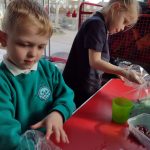
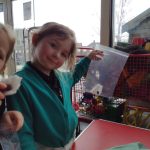
We are growing our own beanstalks this week. We’re not sure if the beans are magic or not, but we can’t wait to see them grow.

We talked about what plants need to grow, we decided they need water and sun.

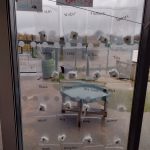
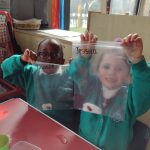
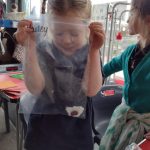
So, we placed them in the bag with the cotton wool (instead of soil), then watered them. After that, we stuck them to the window so they can get some sun and we can see them grow. We cant wait to see what happens.


Year 5 Science – Materials, magnetic investigaton

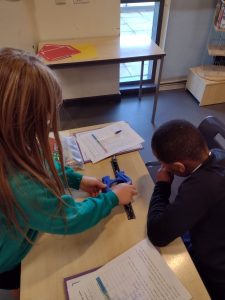
In science today, year 5 looked at investigating different materials and seeing if they had magnetic qualities. They made sure that they conducted a fair test through keeping the magnet and variable at the same starting distance each time and they kept the magnet the same size and direction. The children were able to predict and show their results on a table.