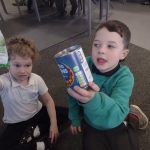
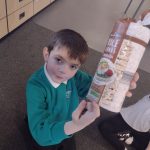
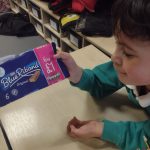
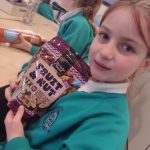
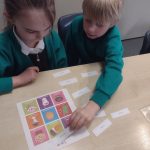
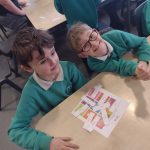
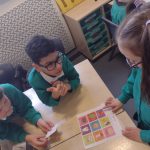
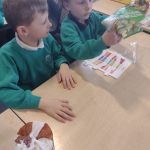
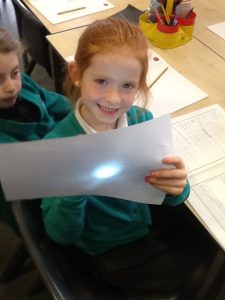
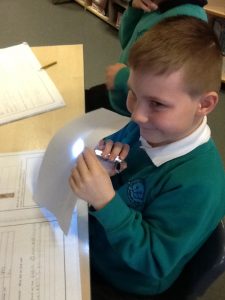
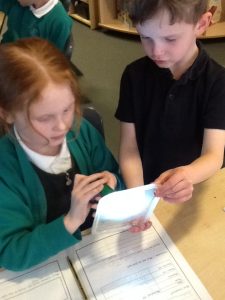
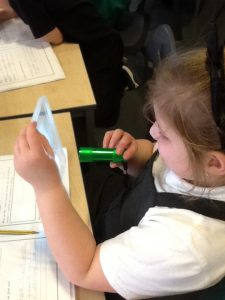
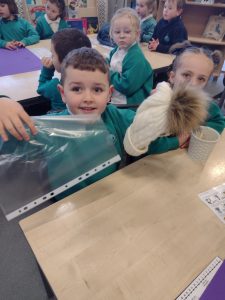
Year 2 children are looking at materials and their uses.

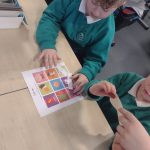
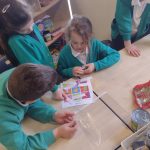
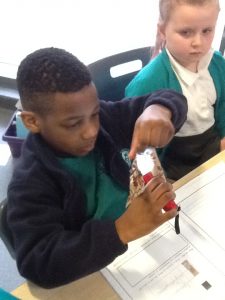
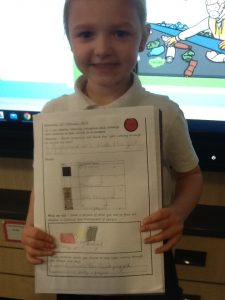
Today we investigated which material would be the best at blocking out the light.

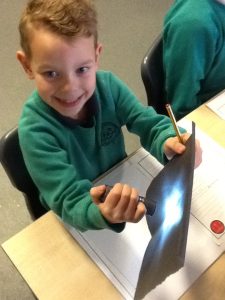
We made a prediction then used a torch to shine through each material. We used the words ‘opaque’ and ‘transparent’ to compare the different materials.


We found the the black paper was opaque and the plastic lid was the most transparent.

Carbon monoxide

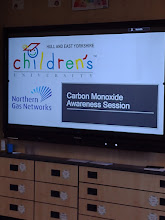
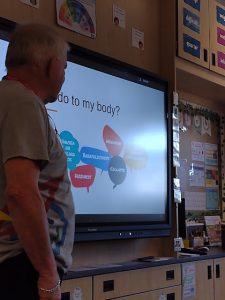
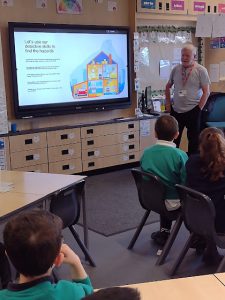
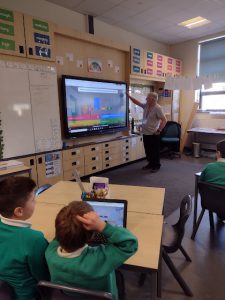
Year 3 were very luck to take part in a carbon monoxide workshop thanks to The Children’s University.

We found out lots of information about how dangerous carbon monoxide can be and what we should do if we suspect carbon monoxide is effecting anybody.

Carbon monoxide can make people feel dizzy, sleepy, give them headache, make them feel sick or make them confused. We found out about all of the different things in our homes that can cause carbon dioxide. We discovered that things like the cooker or boiler that we use every day can leak carbon monoxide into our home. We saw how a carbon monoxide detector can save people from the danger and we discovered where the best place in the house is to place this. Carbon monoxide detectors should be on every floor of a house and should be near appliances that could leak carbon monoxide to ensure we are as safe as possible.

We finished our session off with a quiz, we were really good at recalling all the information we had just learnt.

Engineering day!

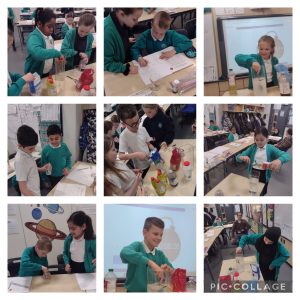
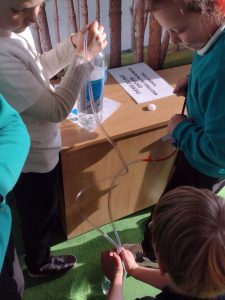
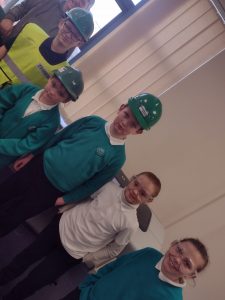
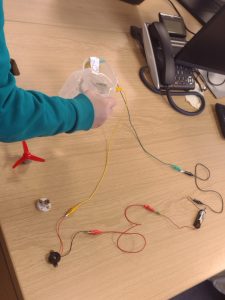
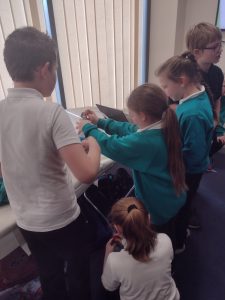
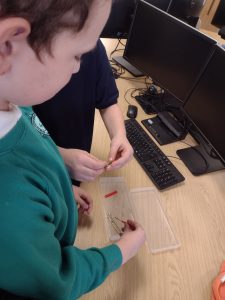
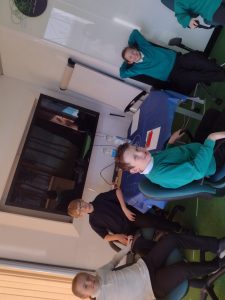
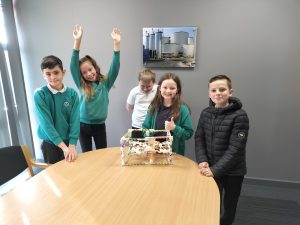
On Wednesday, Year 5 visited an egineering company – OSL – where they took part in  arange of activities linking to the subject. The activities included:

  • Completing a circuit to sound a buzzer
  •  Using their knowledge of construction to put together a triangle using nuts and bolts
  • Conduct an experiment to act against gravity – using plastic bottles, water and tubes

During these activities, the children learnt a substansive amount of knowledge about how to become an engineer and what the job role consists of.

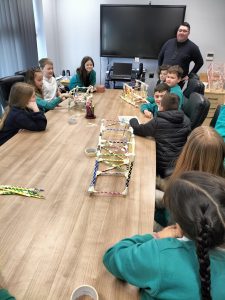
Here are some images of the children during the day:

For the second half of the day, we then went to an architectural business – GGP. Here the children took part in an activity where they had to build their on bridge out of straws, which had to withstand a brick. We had so much fun!

Which materials are waterproof?

Year 2 are really enjoying our current topic in Science, Uses of Everyday Materials. So far we have identified different materials and found objects in and around that school that are made of them. This week we carried out an experiment to identify which materials are waterproof.

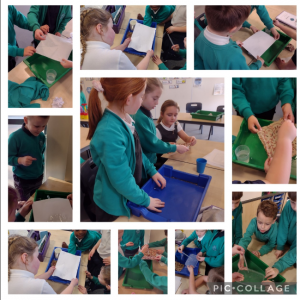
First we predicted which materials we thought would be waterproof. Then we gathered our equipment to carry out the test. We discussed how we needed to keep the test fair, by ensuring we used the same amount of water on each item.  Then we got to the fun part – testing.

We used pipettes and 20 droplets of water on each item. We were surprised to see that kitchen roll was the least waterproof! The experiment confirmed many of our predictions that plastic is a waterproof material

.

Why do objects have certain properties?

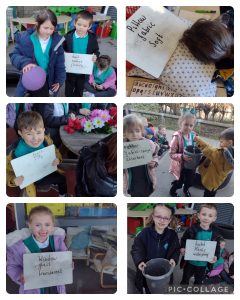
Year 1 had a fantastic science lesson exploring the properties of materials. We had some meaningful discussions on when objects were designed what materials did the designers use and why? We explored objects in and outside the classroom, here were some of our findings:

“A pillow is made out of fabric and is soft. This is because if it was hard you wouldn’t get a very good sleep”. -Oliver F

“A ball is made out of rubber and is bouncy and flexible. This means we can play with it.”-Harlow P

“A bench is made from wood which is hard. If it wasn’t hard we would fall off and hurt our bottoms!”- Leo W

“A window is made of glass, it is transparent so we can look out of it to see if we need to wear a coat if it’s raining”- Lacie P

“A bucket is made of plastic which is waterproof. If not the water would fall out the bottom”.- Rellie T

“A whiteboard rubber is made of sponge which is absorbent. It can soak up the water… see!”- Georgie B

Identifying Materials in Everyday Life

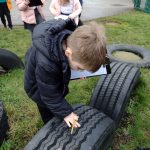
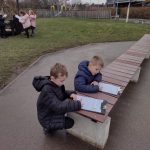
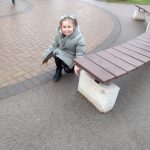
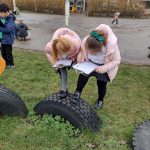
Year 2’s Science topic this half term in Materials. In Science this week, we have been identifying, grouping and classifying. We identified materials in everyday life both inside and outside.

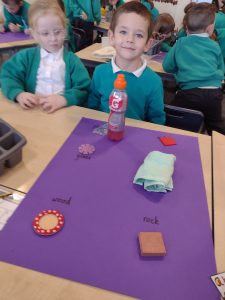
Then we grouped our materials.

Year 1 have been enjoying our new topic of materials. In the first lesson we discussed ‘What is a material?’ The children were fantastic at identifying different materials such as plastic, fabric, rock, metal and wood. 

The next lesson we focused on the difference between an object and a material. We used objects found in our own classroom and sorted them into the different materials. As a class we then showed what object we had and what that object was made out of.

Next week we can’t wait to learn more about the properties of materials.


Challenge!

One of our children set herself a challenge to balance wooden blocks, on their ends, to create a tower.  It was not an easy task.  However, other children chose to join in with her.  They all worked so hard, not giving up, even when their towers fell down.  We have been thinking about not giving up during our Jigsaw sessions.  This just shows how determined our children are, even at 3 years old.  Well done to everyone involved!

Click on the link below to see how the children worked…

Balancing Wooden Blocks