Mrs Hebden’s HUB class visit to the Aviary

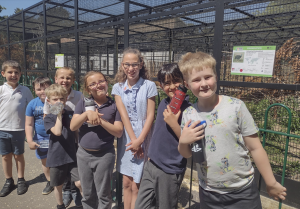
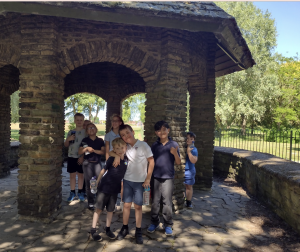
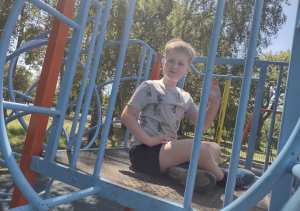
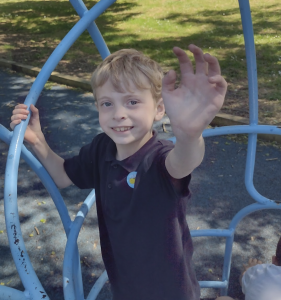
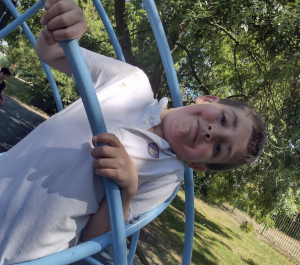
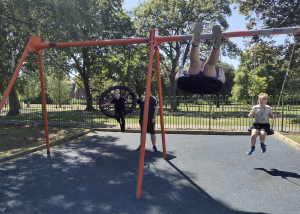
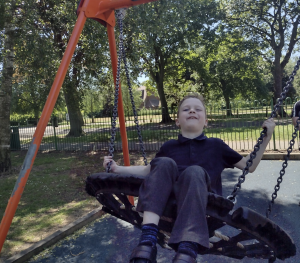
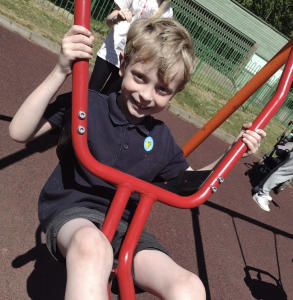
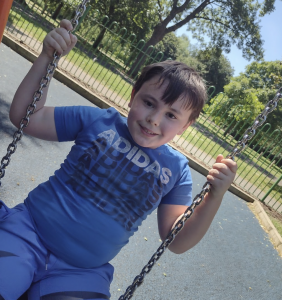
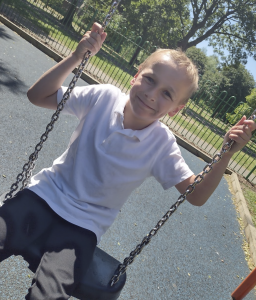
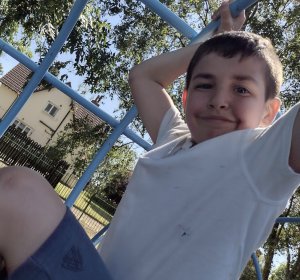
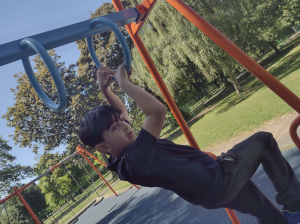
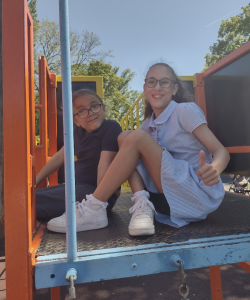
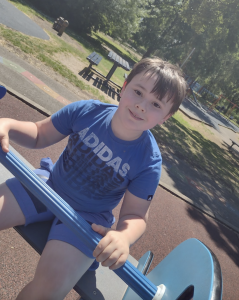
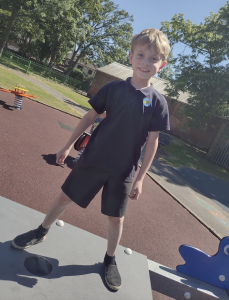
We had a great afternoon at Pickering Park Aviary on Wednesday!


The Meerkats and tortoises were our favourites. We think the Meerkats enjoyed watching us just as much as we enjoyed watching them!

So many smiles, so many lovely photographs of us, enjoying each other’s company and friendship.


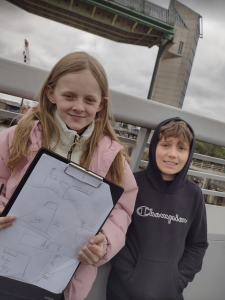
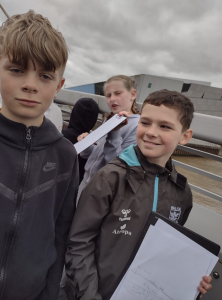
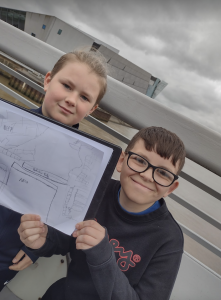
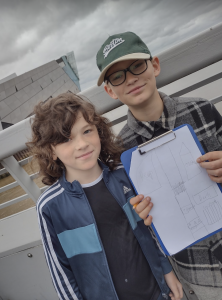
Y5 River Hull Geography Fieldwork

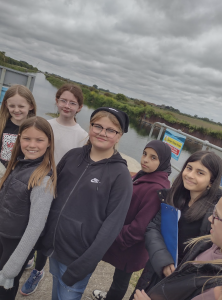
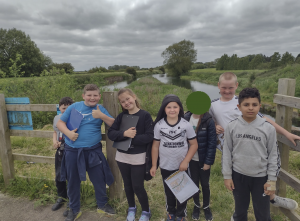
As Geographers, the Y5 students have been learning about how rivers are formed. They’ve explored UK rivers and world famous rivers but with us living in a city that is shaped by two rivers, The River Hull and The River Humber, we wanted to take our learning outside of the classroom to find out more.

We challenged our Y5 Geographers to identify how land is used beside the river at various points and how the function of the river changes as a result.

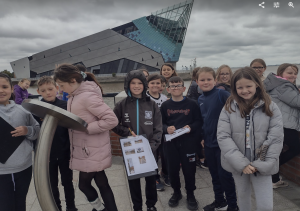
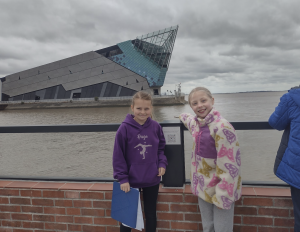
Our first stop was at the mouth of the RIver Hull!
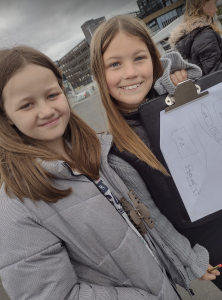
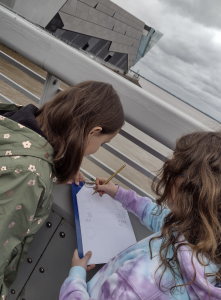
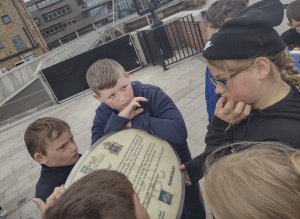
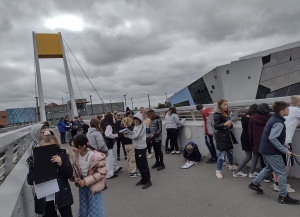
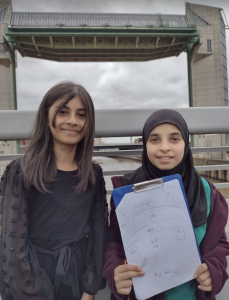
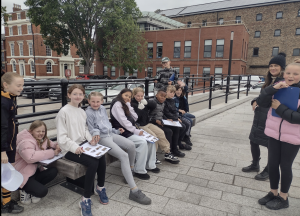
We identified land use, talked about the changes in the area and the promotion of tourism. We created excellent sketch maps, working with our partner to label and identify significant human and physical features. We looked at flooding defence and the importance of the huge tidal barrier that can be seen near The Deep.


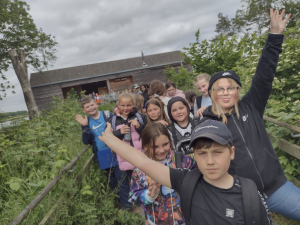
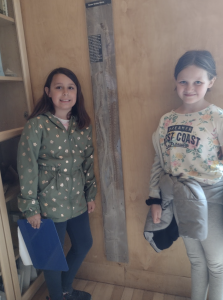
For the second part of the visit, we headed inland as we followed the course of the River Hull all the way to the outskirts of Driffield. Here we visited the Yorkshire Water Nature Reserve, Tophill Low. We learned about reservoirs, drains and fish gates here as well as rivers from our very knowledgable guide Richard. We asked fantastic questions as Richard helped us to complete our fieldwork tasks. This was such a contrasting setting to the urban mouth of the river, a tranquil rural beauty spot where tourism was also encouraged to help fund flood prevention in our area.
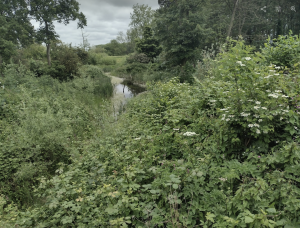
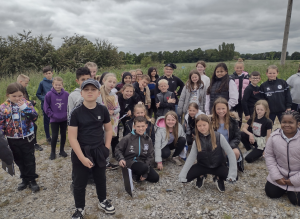


Richard told us that the enormous reservoirs at Tophill hold enough water to supply Hull for 90 days!
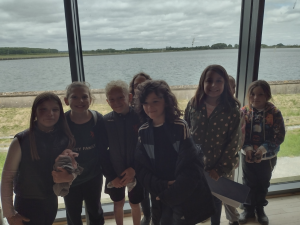
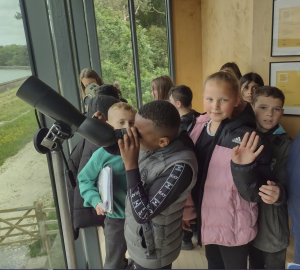
Being knee deep in the grasses, there was lots of talk about snakes! Richard showed us the skins of the snakes that live in the area but told us not to worry, as soon as they heard our footsteps (and voices) they would have scarpered and were not at all venomous!
 

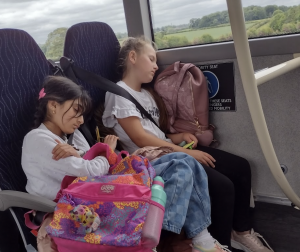
Needless to say, after getting all of those ‘steps in’, we were shattered on the way back!
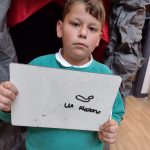
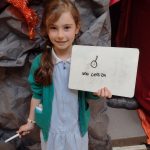
YEAR 3 LA FRUTA!
This term the children in Year 3 have been enjoying learning the Spanish vocabulary for a range of delicious fruits:

Una manzana – an apple
Una fresa – a strawberry
Una pera – a pear
Un albaricoque – an apricot
Una ciruela – a plum

We drew upon our Spanish phonic knowledge recognising that some letters are pronunced differently in the Spanish language:

Una manzana is pronounced as una man’th’ana
Una ciruela is pronounced as una ‘th’iruela
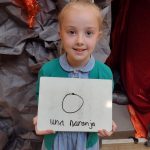
Una naranja is pronunced as una naran’h’a 

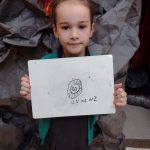
We then practiced writing the names of fruits and illustrating our favourites…

We have also  been building upon our Spanish language skills and are now able to recognise whether a noun is masculine or feminine from its article,  including whether the noun is in the singular or plural form!

un=masculine (singular); los=masculine(plural)
una=feminine (singular); las=feminine (plural)

Muy bien Year 3!


Volcano art

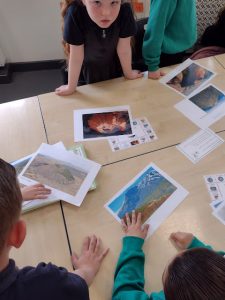
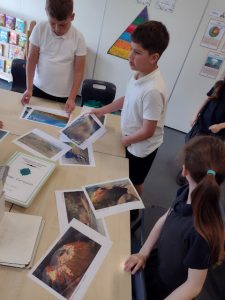
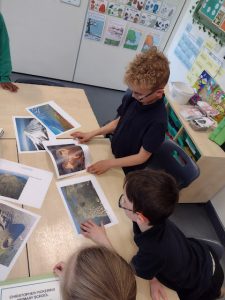
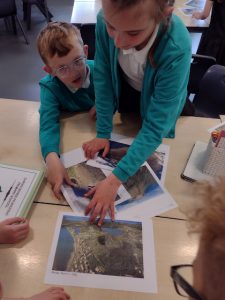
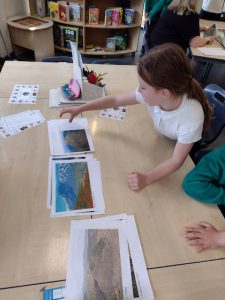
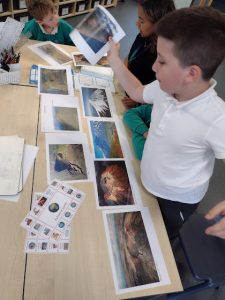
In art this term, we have looked at the work of Nick Rowland and the work of JMW Turner. We have compared their work and discussed the different techniques they have used.

Nick Rowland has created colourful volcano pictures using different art techniques such as colour washing and splattering. JMW Turner has created an eruption of Mount Vesuvius using more traditional techniques including sketching and oil painting.

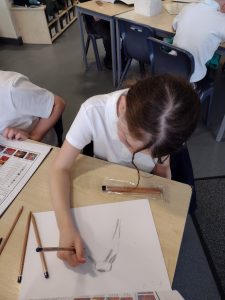
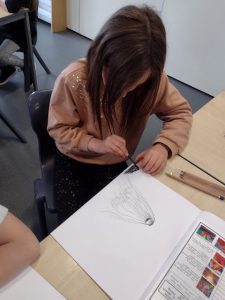
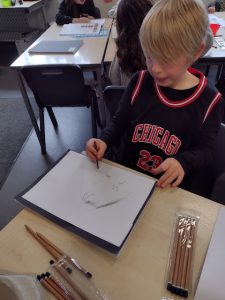
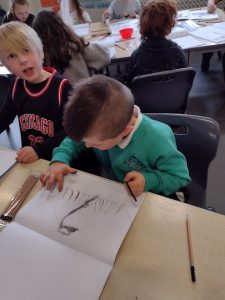
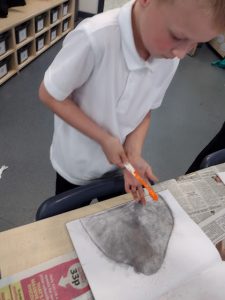
We have sketched our own pictures of Mount Vesuvius, taking inspiration from JMW Turners work. We have ensured we thought about the light and dark shades in our pictures and the dark and light lines as well as thick and thin lines. We used a selection of sketching pencils to create our sketches, we then added detail and darker lines with charcoal.

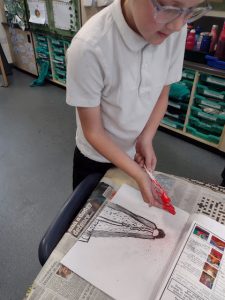
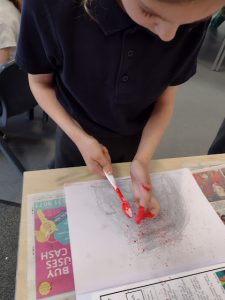
We added an eruption to our sketch of Mount Vesuvius. We used Nick Rowland as our inspiration for this and used a splattering technique to show the lava erupting from the volcano.

Let’s sing together

This week in music, Year 2 have been listening to ‘Let’s Sing Together’.

We began our lesson by appraising our piece of music. This week the music made us feel a little sleepy. It was slow and calm, there was gentle instruments in the music and a soft drum was being tapped. The music mad us all feel relaxed and we wanted to hear more.

The music we performed this week was called ‘Let’s Sing Together’. this music woke us all back up. The music had a quicker beat and the words were very repetitive. We were able to sing the sing, following the words on the screen, really quickly. We loved the words and wanted to try and sing this song differently.

We wanted to try and sing this song in a round as it was repeated. We remembered how to sing in a round from Year 1 and enjoyed this.

We sang ‘Let’s Sing Together’ in a round, each table starting at a different point to create a class performance.

We hope you like our final performance.

AF1QipN0Ak5DO6GE8arFiEU4xXc9bROUVWulkMe1i0er

tints and tones

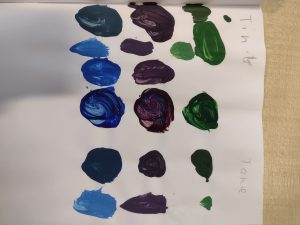
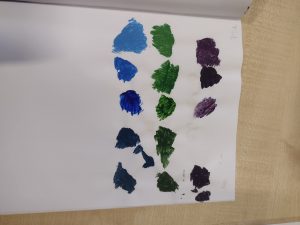
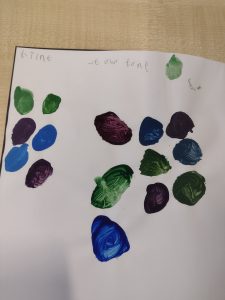
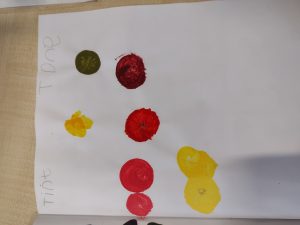
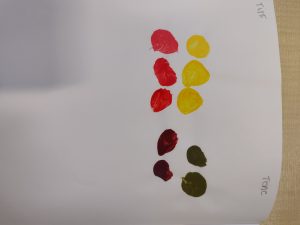
Over the past 2 weeks, Year 2 have been looking at tints and tones in our art lessons.

We began by looking at seascapes created by John Ward. We discussed how his art uses cold colours. We recalled the different cold colours we had used in Year 1 and identified these in the painting by John Ward.

We then used some cold colours to create our own colour palates. We added white paint to our original paint to create tints and we added grey to create tones.

We then looked at the seascapes created by Nicholas Hadeed, these used warm colours. We again recalled the different warm colours we used in Year 1.

We used warm colours to create our own palate of warm tints and tones. Again, we added white paint to create tints and grey paint to create tones.

3D modelling

Year 6 have loved exploring Tinkercad and developing their 3D modelling skills in our computing lessons this week. The children have already grasped how to use the workplane grid for sizing references and how to modify their shapes colours. We have also practised using the duplicate tool and are now even able to hollow out shapes! Great practise ready for when we use our 3D printer in a few weeks time within our DT project.

Different types of volcanoes

Year 3 are really enjoying our new topic about about volcanoes.

We have spent time looking at the layers of the Earth and found out lots of details about each layer. We know the outside of the Earth is called the crust and then the following layers are the mantle, the outer core and finally, the inner core.

We have also looked at the parts of a volcano and can identify different parts such as the crater, the throat, the vent and the ash cloud.

This week, we have looked at different types of volcanoes. We looked at different volcanoes around the world and discussed why we thought they may be different form each other. We thought that some may be dormant or extinct volcanoes as trees and plants were growing around them. We also thought that some volcanoes were older than others.

The volcanoes we looked at were different forms of volcanoes. We discovered that high sided volcanoes are called composite and that volcanoes that look a little like a bowl and have runny lava are called shield volcanoes.

The Music Man

In music this week, Year 2 have really enjoyed learning the song ‘Music Man’.

We begun by appraising our piece of music. The music made us feel happy and we all wanted to smile. We could hear lots of instruments including guitars, pianos, drums and saxophones. We were not sure what a saxophone was to start with but we discovered this together and loved the sounds it made. We knew a saxophone was played because it sang it in the song.

We sang the song, following the words on the screen. We loved this song and we could hear the beat really. Lots of us were tapping the table with our hands and tapping our feet on the floor the first time we sung.

We were able to improvise playing musical instruments to the song as we sang. We played a saxophone, a trombone and a drum as well as others.

Once we knew the song well we became composers. We used the notes we know on the glockenspiel to create our own composition based on ‘Music Man’.

We decided on a 4 note composition that complemented the music we listened to then we got to play it to the music.

We performed our 4 notes to the class and we loved being performers.

AF1QipNqMz2VIh-Ohe_HILQbAuJH-KFJNX9qTKT1zzYm AF1QipNNgaHri23y_rqFAFRQZjE7wKR5KFpJVUS5Pnqq