Different types of volcanoes

Year 3 are really enjoying our new topic about about volcanoes.

We have spent time looking at the layers of the Earth and found out lots of details about each layer. We know the outside of the Earth is called the crust and then the following layers are the mantle, the outer core and finally, the inner core.

We have also looked at the parts of a volcano and can identify different parts such as the crater, the throat, the vent and the ash cloud.

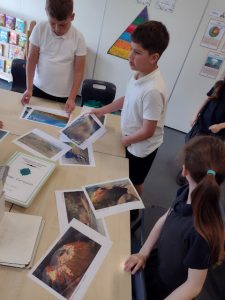
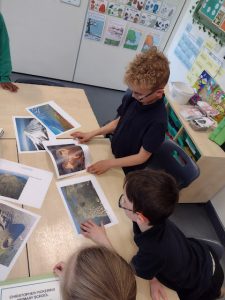
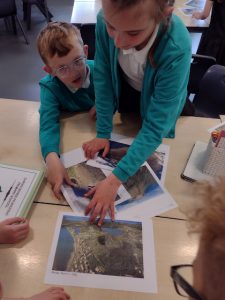
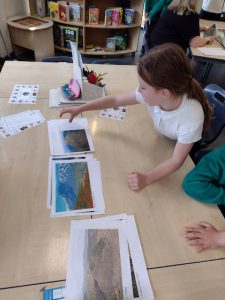
This week, we have looked at different types of volcanoes. We looked at different volcanoes around the world and discussed why we thought they may be different form each other. We thought that some may be dormant or extinct volcanoes as trees and plants were growing around them. We also thought that some volcanoes were older than others.
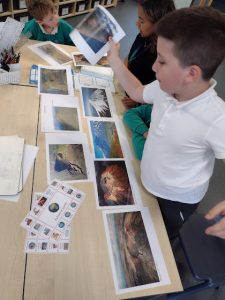
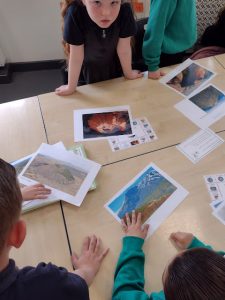
The volcanoes we looked at were different forms of volcanoes. We discovered that high sided volcanoes are called composite and that volcanoes that look a little like a bowl and have runny lava are called shield volcanoes.

The Music Man

In music this week, Year 2 have really enjoyed learning the song ‘Music Man’.

We begun by appraising our piece of music. The music made us feel happy and we all wanted to smile. We could hear lots of instruments including guitars, pianos, drums and saxophones. We were not sure what a saxophone was to start with but we discovered this together and loved the sounds it made. We knew a saxophone was played because it sang it in the song.
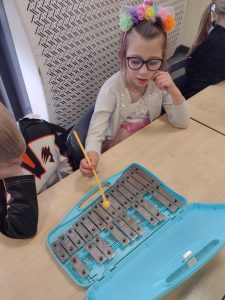
We sang the song, following the words on the screen. We loved this song and we could hear the beat really. Lots of us were tapping the table with our hands and tapping our feet on the floor the first time we sung.

We were able to improvise playing musical instruments to the song as we sang. We played a saxophone, a trombone and a drum as well as others.
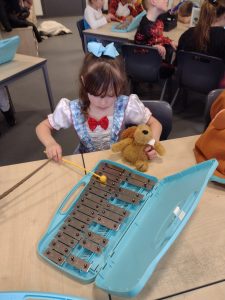
Once we knew the song well we became composers. We used the notes we know on the glockenspiel to create our own composition based on ‘Music Man’.
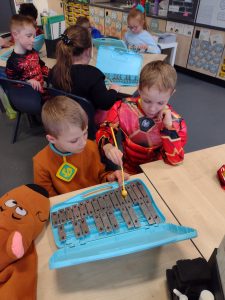
We decided on a 4 note composition that complemented the music we listened to then we got to play it to the music.

We performed our 4 notes to the class and we loved being performers.

AF1QipNqMz2VIh-Ohe_HILQbAuJH-KFJNX9qTKT1zzYm AF1QipNNgaHri23y_rqFAFRQZjE7wKR5KFpJVUS5Pnqq

Final art piece

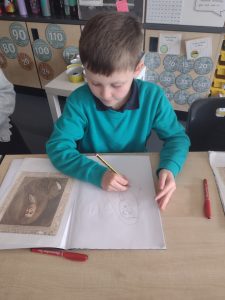
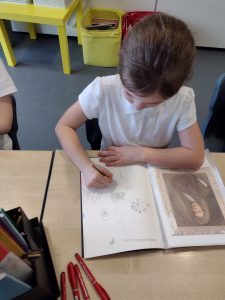
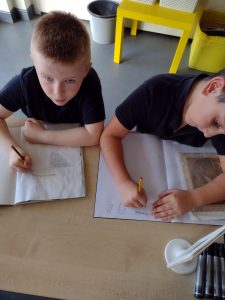
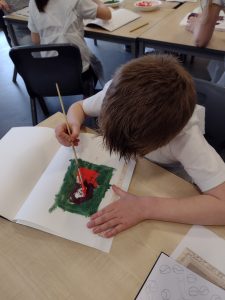
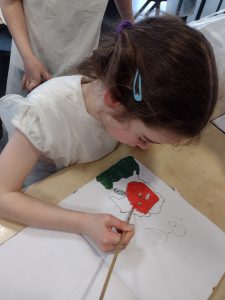
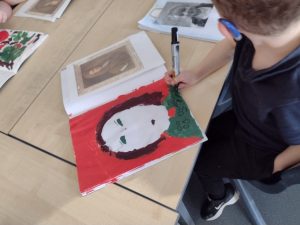
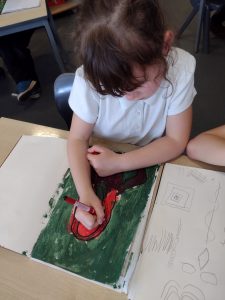
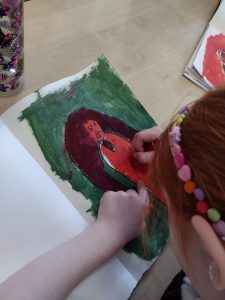
This term Year 2 have built their art work up to create a final piece portrait of Samuel Pepys.

We began by looking at painting of Samuel Pepys so that we could sketch our own version.

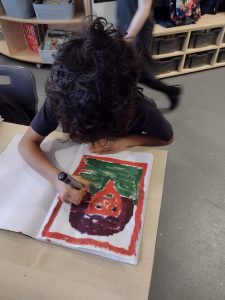
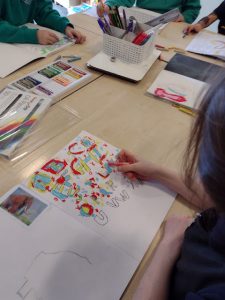
We continued by drawing on our ability to create secondary colours with paint. We used the influence Julian Opie, who we have been looking at this term, before block filling our sketches.

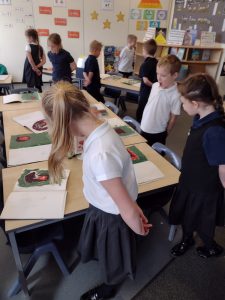
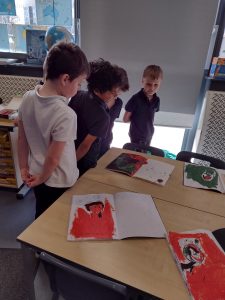
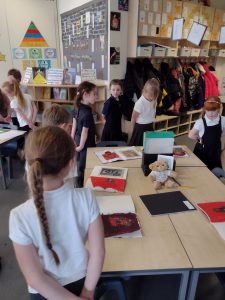
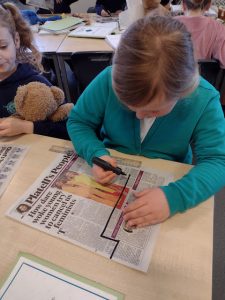
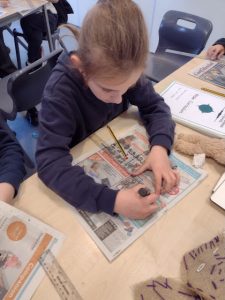
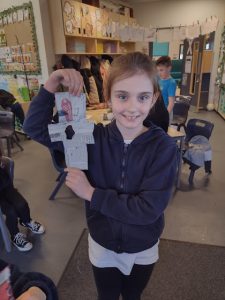
Our portraits of Samuel Pepys look very much like the pop art that Julian Opie is famous for creating. We have completed our final piece of art work by adding pen detail. This had made our portraits more detailed and we have added texture to the final portrait.

We are very proud of our work and we held a walking exhibit for our peers to view all portraits that were created.

iron age tunic

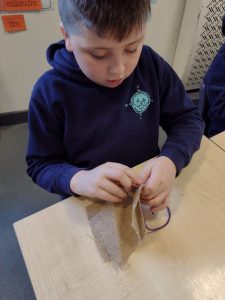
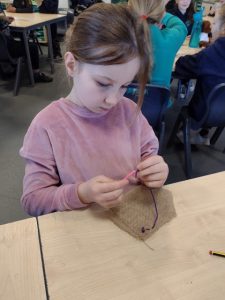
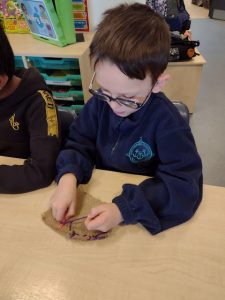
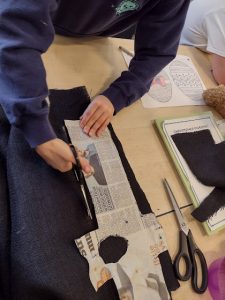
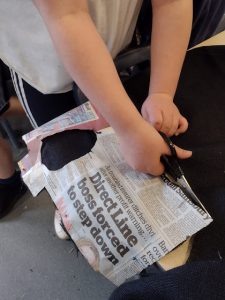
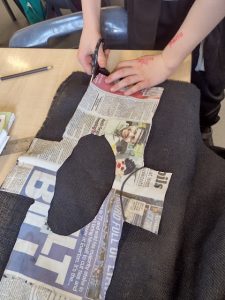
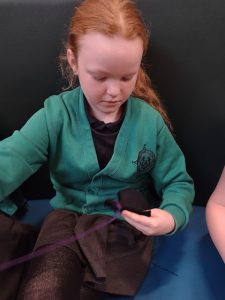
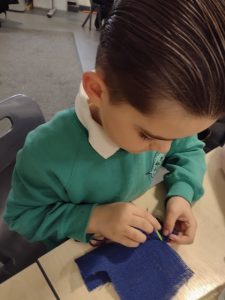
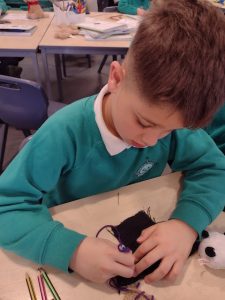
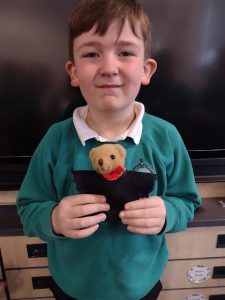
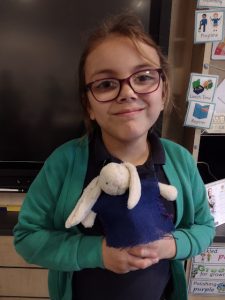
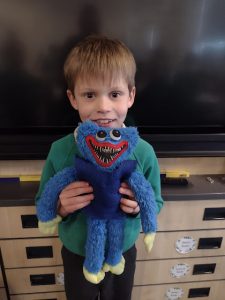
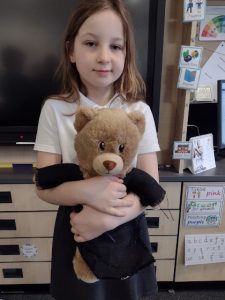
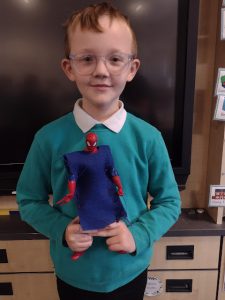
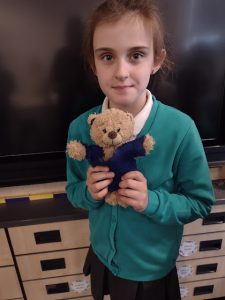
Year 3 have completed our Design and Technology unit this week. We have had great fun creating an iron age tunic for our teddy bears.

Investigation

We begun our D&T by investigating about patterns and how these are made. We looked at different clothes designers and discussed how all of their designs differ from each other.

Focused Practical

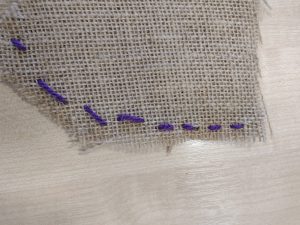
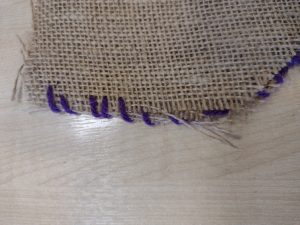
We used two pieces of material to create a pocket. We had to sue different stitches, one of these was easier than the other. We practised using a running stitch, we found this one was the easier of the two. We then practised using an overstitch, lots of u found this one hard.

Design

Once we had practised our sewing skills we thought about the patterns we needed to create to help us. We had to take measurements of our teddy bear to ensure our pattern was the correct size before we could create our pattern with paper.

Make

In order to make our tunics we pinned our pattern to some hessian before carefully cutting around it. We then decided which stitches to use to join our tunic together. Most of us chose a running stitch as we found this one easier to do.

It took lots of patience and we had to be careful when we sewed our tunic together.

Evaluate

When our tunics were finished we put the on our teddy bears. Some were a little tight and some of us had to cut the front to get them on so we created jackets.

We completed an evaluation of our finished tunic and thought about the things we did well and things we would change if we made a tunic again.

All around the world

Year 2 have continued with practising our notes on the glockenspiel this week in music.

We have listened to a piece of music called ‘All Around the World’ and we have tried to replicate the beat with the notes we know.

We began by appraising the piece of music before discussing how it made us feel. This piece of music was calm and soothing and made us feel relaxed. We talked about how we could gently tap the notes on the glockenspiel to accompany the piece of music in  a calming manner.

We liked this piece of music because it was soft and made us feel a little sleepy.

quiz

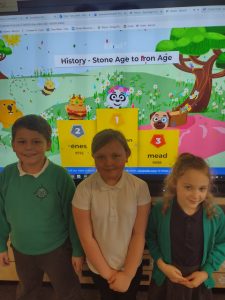
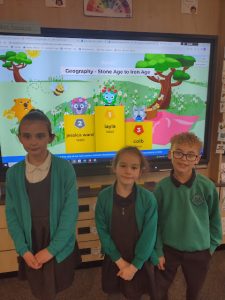
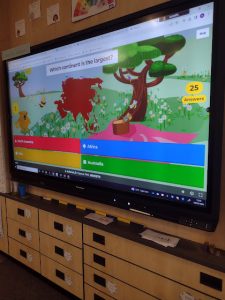
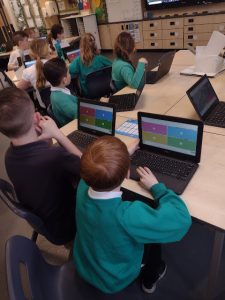
Year 3 have had lots of fun this week completing our end of term history and geography quizzes.

We could recall lots of facts about what happened in history during the period spanning from the stone age all the way through to the end of the iron age. We remembered what hillforts are and why they were used along with why Stonehenge was built and what it was used for. We also remembered lots of information about ‘The Cheddar Man’ and ‘The Amesbury Archer’.

We used our geography knowledge to answer lots of questions including ones about the 8 points of a compass, human and physical features and the different types of land use we witnessed on our field trips.

Some of us were very happy that we got great scores.

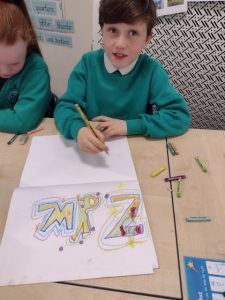
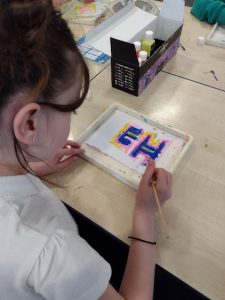
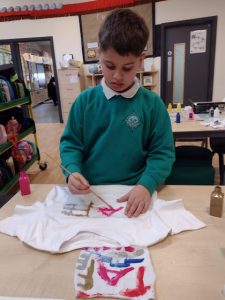
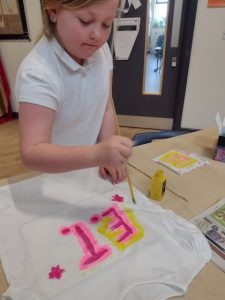
graffiti art

Year 3 have completed their final piece of art for this term.

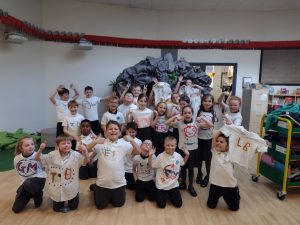
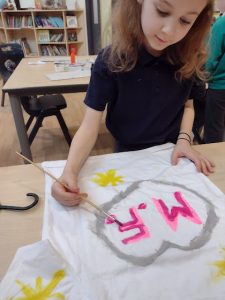
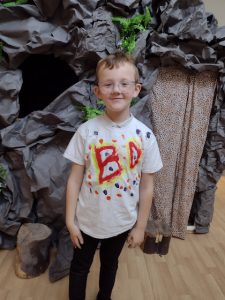
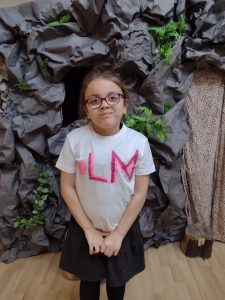
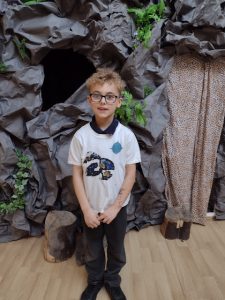
They have created some amazing name tags using fabric paint and t shirts.

We spent time looking at all different types of graffiti going back to cave art in the stone age all the way through to work of a local street artist called Dieynaba Sidibe.

We practised making our own tags with various materials including pencils and pastels before we had a go at using fabric paints.

Once we had done lots of practising and were happy with our tags we were able to recreate them on our t shirts.

We used fabric paints and brushes to create our tags and we were all very happy with our completed piece of art.

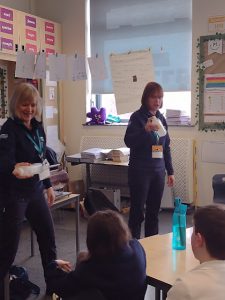
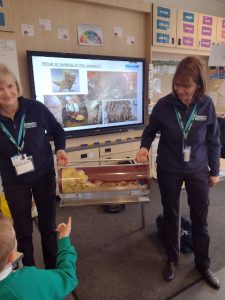
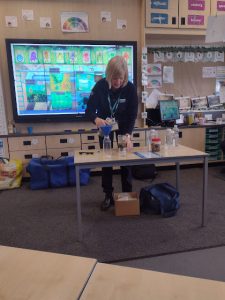
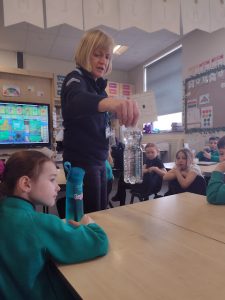
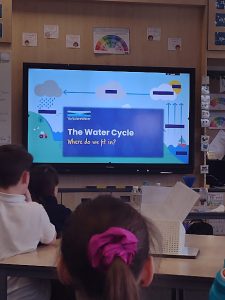
yorkshire water workshop

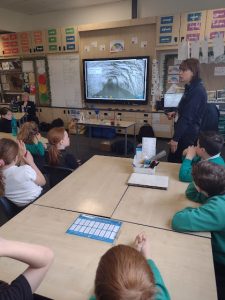
Year 3 were very luck to take part in a Yorkshire water workshop this week.

We got to find out lots about how water reaches our home.

Did you know all the water in the world has been here since the world began, there is no new water!

We got to see how water is taken from reservoirs and the process it takes through the water treatment works.

We found out lots of information about what we can put in the toilet and what we shouldn’t put in. We saw how toilet paper breaks down in the water but baby wipes stayed the same. Things like baby wipes can get stuck in pipes and cause them to get blocked. This could then cause a burst pipe because water is very strong.

We also found out lots of ways we can save water as there isn’t always enough. We do things like turn taps off when we are brushing our teeth, taking a shower instead of a bath and water flowers with water we wash our pots with. It is really important to save water because in the summer lots of water gets used and the sun soaks it up too.

Fieldwork – hessle

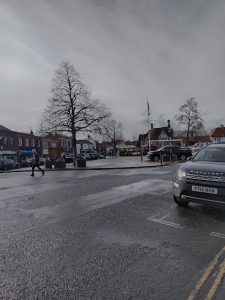
This week, Year 3 have had their geography field trip to Hessle.

We were all very excited to see how the town of Hessle would be different to our visit to the village of Brantingham.

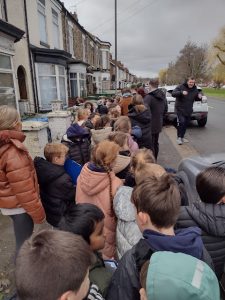
Hessle is close enough for us to be able to walk there from school so we went on our field trip together.

In Hessle we noticed that there were lots more buildings than in Brantingham and there were lots more people around the area.

Hessle has a different land use to Brantingham. The village had lots of agricultural land but the town has more commercial and industrial land.

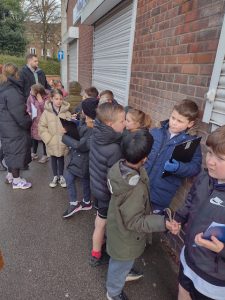
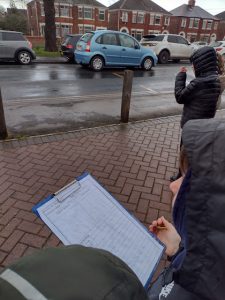
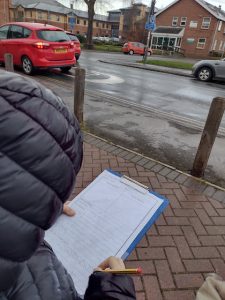
We carried out lots of field work during our visit to the town of Hessle. We carried out a traffic survey ensuring we used the same guidlines as we had in Brantingham such making sure we counted traffic for exactly 10 minutes. We also walked around the area identifying several features such as places of worship, post offices, shops, pubs and parks. Hessle had lots more of all of these features than Brantingham had.

We are looking forward to comparing our findings between a town and a village in our next geography lesson.

Fieldwork – Brantingham

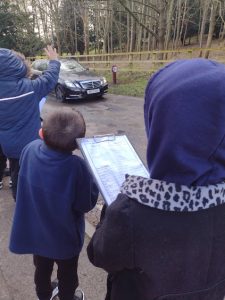
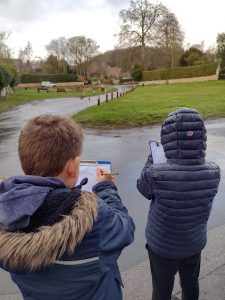
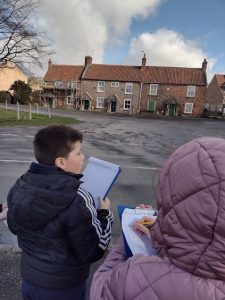
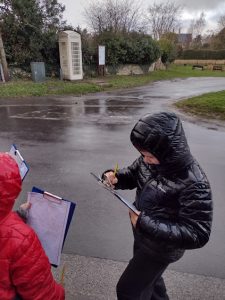
This week Year 3 visited the local village of Brantingham to carry out some fieldwork as part of our geography lesson.

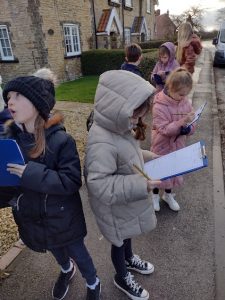
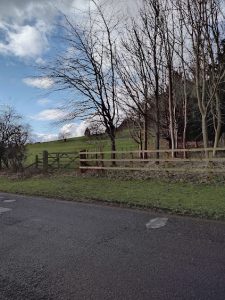
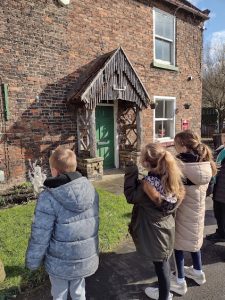
We walked through the village looking closely at all the different physical and Human features. We discovered lots of physical features such as the fields, the village green, trees and bushes. We discussed the types of land use in the area and talked about all the fields we could see with cattle such as sheep. We concluded that this land was agricultural as we could see the animals living on the land. As we looked at human features of the village such as the village hall and the cottages we discussed how this land was also residential.

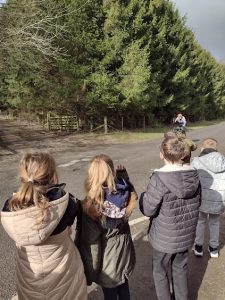
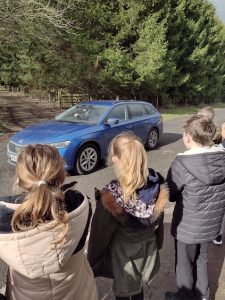
On our walk around Brantingham, we completed a traffic survey. We recorded all the traffic that passed us in a 10 minute period. Lots of us thought we would see lots of cars but we didn’t. We passed a sign that said no HGV’s down a small country lane so we decided that we would not see a lorry, we were right.

Over the 10 minutes that we recorded we only saw a small number of cars, some of us saw a push bike and some of us saw a tractor. The roads in the village were very quiet. Whilst we carried out our traffic survey we could hear the sheep in the fields and the birds in the trees, it was very peaceful.

We finished our fieldwork off with creating a sketch map of the village so we can compare Brantingham with a town.

We cannot wait to go on our next fieldwork trip to be able to do a land, features and traffic comparison of different areas.