Y5 – Features of a Mountain Range

Y5 Geographers

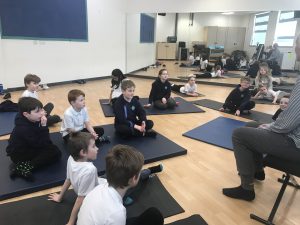
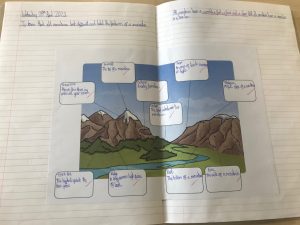
After exploring a range of photographs and aerial photographs in today’s lesson, we deduced that not all mountain ranges look the same or have the same features. We took part in a fun and interactive game that helped us to learn the features of a mountain before we recorded them in our books.

Contour Mapping in Y5

Y5 Geographers

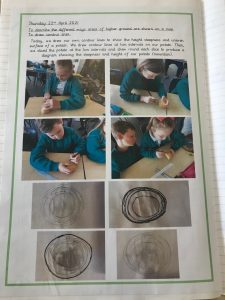
Whilst we were exploring the world’s mountain ranges, we were able to find their heights at their summit. We noticed other lines on the maps and today we learned that these are called contour lines which indicate the steepness of which a hill or mountain rises.

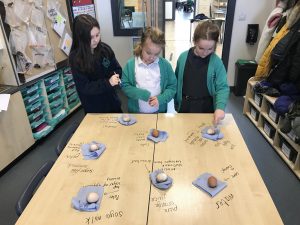
We had great fun trying to record contour lines of our mini potato mountains! By carefully cutting layers off the potato mountain we could record the shape and the gradient and create a representation of the mountains slope.

Y4 Artists inspired by Rousseau

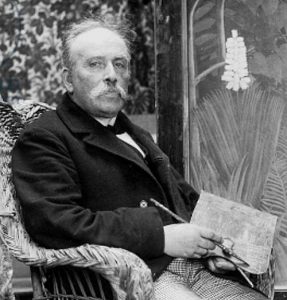
Henri Rousseau, 1844-1910

What do you think?

This term, Year Four have been exploring the works of the post-impressionist artist, Henri Rousseau. In particular, his works that were inspired by his time spent at the Botanical Gardens in Paris from which he imagined rainforest and jungle-themed  pieces. Some critics didn’t like his work as they said that it was unrealistic and childish. Rousseau painted in a ‘modern naive’ style and his work was admired by other well respected artists such as Pablo Picasso. Year Four found out about Henri’s life and self taught style of painting and were encouraged to share their opinions of his works, this is what we  thought….  
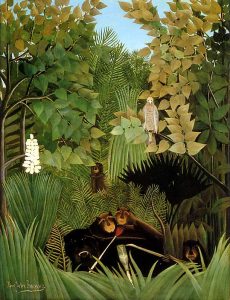
The Merry Jesters, 1906, On display at the Philadelphia Museum of Art, USA.

Evie W thought that “the animals that Rousseau painted look quite like a cartoon.” She commented that she liked the shades that he used to create the vegetation. 
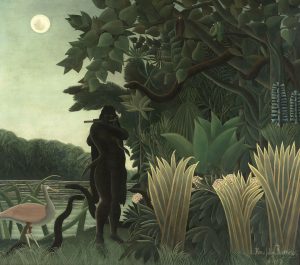
The Snake Charmer, 1907, on display at the Musée d’Orsay, Paris.

Ella C explained ” I like the colours used in the sky and the plants that are at the front of the painting. The shapes of the leaves are good as he has used lots of different types of leaves.”
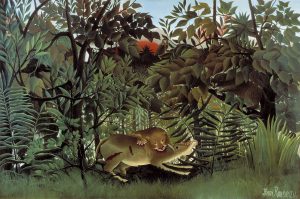
The Hungry Lion Throws Itself on the Antelope, 1905

“It looks okay but the I think the lion looks slightly green!” commented Jay.

Ethan S said  “It is a cool painting and its got lots of shades of green. I like that it is very ‘rainforesty’.”
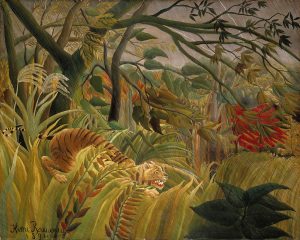
 

Tiger in a Tropical Storm (Surprised!) (1891) was the first of many jungle scenes for which Rousseau is best known.

Jessica B “I love the stripes on the tiger, it makes me think of my bedroom as I’ve got animal wall paper all around it! I love the leaves as they reminded me of my trip to Knowsley Safari Park”.
Topography Map Skills in Y5

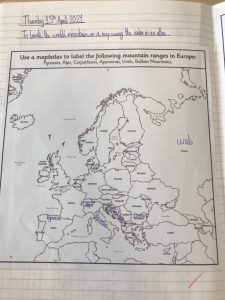
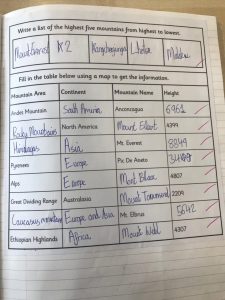
Today we put out mapping skills to use, using topography maps to locate Europe’s mountain ranges. We looked at the height above sea level and were surprised by some of our findings.

We then used data sources to identify the largest mountains in the world and compared their heights at their summits.


Y4 Scientists

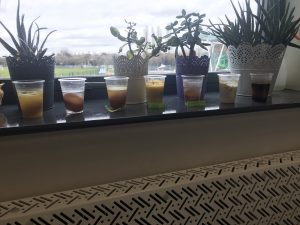
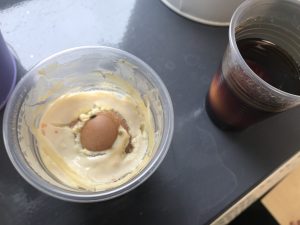
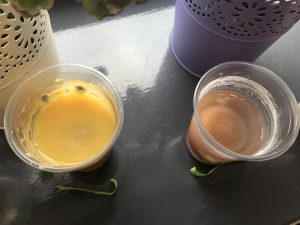
The Y4 Scientist set up an ‘egg-speriment’ to explore the effects of various drinks on teeth enamel. We made predictions and were surprised to learn, when we looked at the nutritional labels, that the orange and apple juice contained more sugar than the fizzy drinks!

Although it made our classroom a little smelly, we regularly examined the eggs to record and note the changes. We all agreed that brushing our teeth was essential when we saw these effects and concluded that the worst drink for our teeth was the fresh orange juice!

Y4 PE

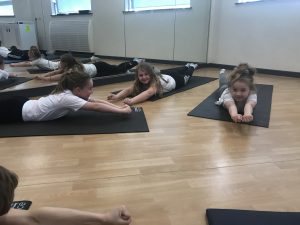
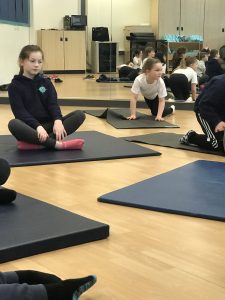
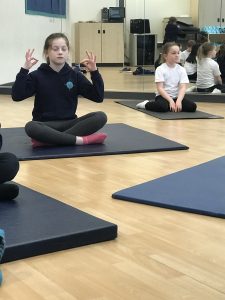
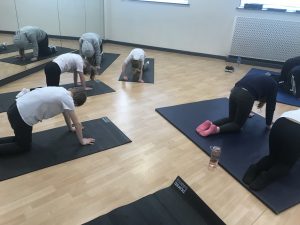
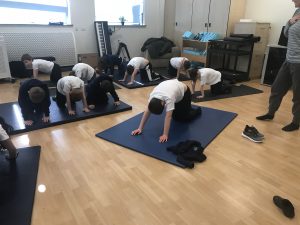
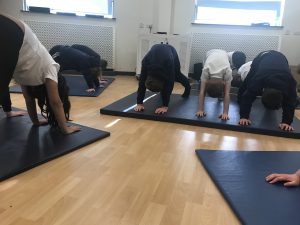
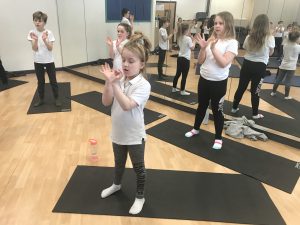
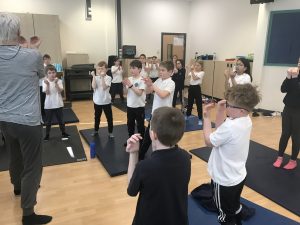
Fabulous Mindful PE, practising our Yoga poses and breathing. We really enjoyed this as Lisel helped us to become more conscious of our feelings and creating positive head space.

IMG_0017

Y4 Mathematicians

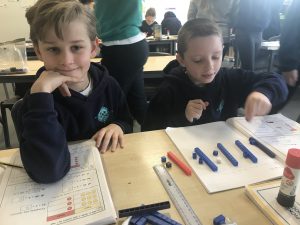
As we began out unit of work on division, Charnley and Jake made excellent use of tools to calculate today!

Snowy Day Fun

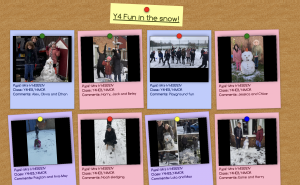
Year Four love keeping in touch and today we shared pictures of our snow day fun on Purple Mash so that we can see what our class mates are doing both in school and at home.

Keeping in touch, keeping smiling – Team Year Four.

Search #y4heb or #y4mor on twitter to see more!

Sharing our fun!: Home learners added their fun in the snow to our Y4 pin board on purple mash! 

Y3 Cartographers!

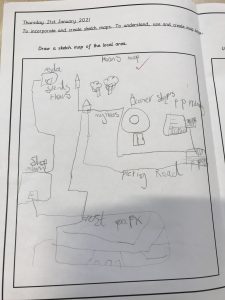
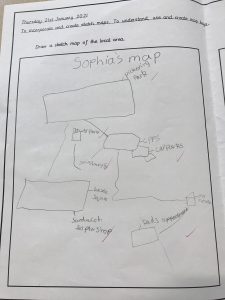
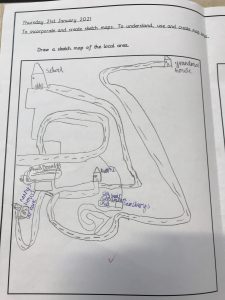
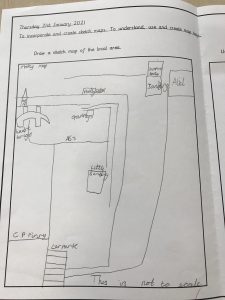
This term in year Three, we are learning to become cartographers – drawing and creating maps. We looked closely at a sketch map and discussed who might need, use or draw a sketch map. We then used digital tools such as google maps and google earth to look at the area local to our school from which we created superb sketch maps – take a look.

.

Maisy’s map could direct you from  CPPS to Little Sainsbury’s or Alid! Superb work!

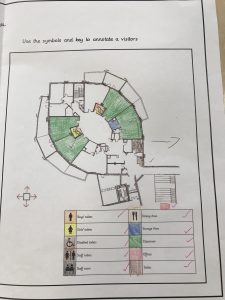
Then we looked at the important details included in a map and learned how to read and use a key. We explored symbols and talked about which symbols were most effective when creating a key.

We spoke to Mr Wileman, our site supervisor, and asked to look at the maps of the school which he uses. We used the Key to identify the places which we use within our large, school building and explored the sizes that were represented to scale.


We are looking forward to getting out and about, to enable us to put our mapping skills into practise with some Geographical fieldwork.

Y4 Science

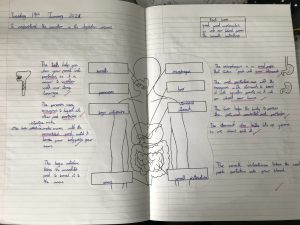
This term, Y4 students are being Biologists. We began by learning about the digestive system and the journey which our food takes through the body in order to provide it with nutrients.


We then focussed in on each of the organs within the digestive system and learned about their function.

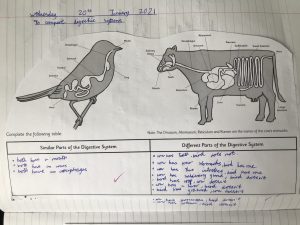
By studying diagrams, we concluded that animals have digestive systems but that they differ from ours, to adapt to their diet.

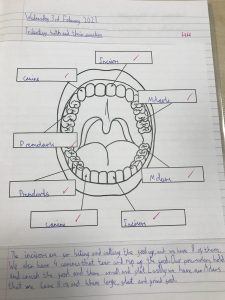
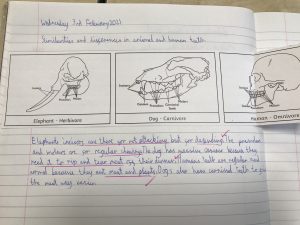
This week in Science, we used a mirror to take a closer look at our teeth. We discovered that the teeth within our mouth have different names and each has a different function.

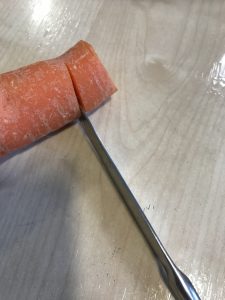
We likened the incisor teeth to a knife – they chop our food.

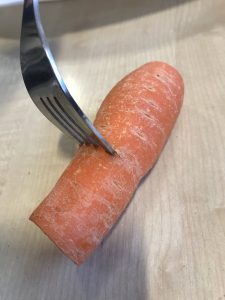
We likened the canine teeth to a fork – they hold the food and enable us to tear it.

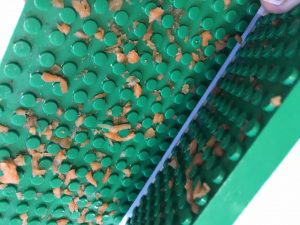
We likened the premolar and the molar teeth to a lego brick – with their bumpy surface, these teeth grind the food to create smaller particles for us to swallow and aid the digestive process.

We particularly enjoyed exploring the teeth that various animals have. We were able to conclude that carnivores has greater canine and incisor teeth to help them bite into, tear and chew meat and that herbivore animals mostly use their premolar and molar teeth to eat.