Pip and Egg

In year 1, our Autumn 1 English work was based around the beautiful story  of Pip and Egg: A Heartfelt Tale of Friendship and Change.
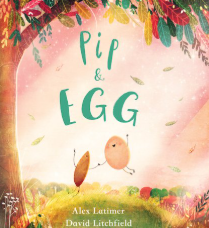
Click here to listen to the story Read Aloud Storybook ANIMATED – PIP & EGG by Alec Latimer and David Litchfield – YouTube

The Beginning of a Special Bond

One bright afternoon, Pip—a tiny seed from a glorious tree—meets Egg, a bird’s egg from a nearby nest. At first glance, they look almost identical: small, round, and full of promise. This similarity sparks an instant connection, and soon they become inseparable, sharing laughter and dreams under the warm sun. Like two peas in a pod, Pip and Egg promise to be friends forever.

Growing in Different Ways

As time passes, nature takes its course. Pip begins to sprout roots, anchoring himself firmly into the soil. Egg, on the other hand, starts to change in her own way—developing feathers and wings. While Pip stays rooted, Egg learns to fly, soaring into new adventures. Their paths diverge, but their hearts remain connected. This part of the story beautifully illustrates how friendships can endure even when life pulls us in different directions.

The Circle of Life and Reunion

Egg explores the world, experiencing bustling cities and meeting new friends. Yet, she never forgets Pip. When Egg feels a new change within—she’s about to become a mother—she returns to Pip, who has grown into a strong, sheltering tree. In his branches, Egg builds her nest, and together they create a new chapter of their friendship. It’s a touching reminder that true friends always find their way back to each other.

The children loved becoming familiar with the characters ‘Pip and Egg’. They retold the story and identified similarities and differences between the two friends. They thought of adjectives to describe them as a seed and an egg, then as a bird and a tree. They progressed to writing character descriptions about the pair.
 

Year 1 My Local Area

Our History unit for the Autumn term is ‘My Local Area’.  We began with a discussion about chronology, whereby the children ordered events from furthest back in time (the birth of our namesake Christopher Pickering) to the most recent (them starting year 1).

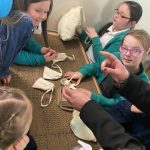
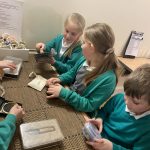
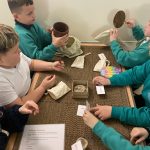
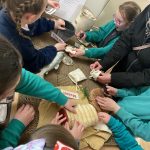
We fully embraced our topic during our ‘Wow’ Day which was themed ‘the swinging sixties’. The children pulled out all the stops with their outfits – they looked amazing! (Thank you parents for providing them).We started our day by exploring artefacts from the 1960’s. The children loved guessing what each object could have been used. They almost couldn’t believe it when we told them that there were only 3 channels on the TV and there was no internet! We had asked the children to bring in photographs of their grandparents from the 60’s and got a great selection which we loved looking at together. The children thought some of the cars, clothing and hairstyles were very funny!  We watched a very interesting clip Re:Livingwhich showed how our city has changed, not only since the 1960’s but throughout recorded history. The children were particularly surprised that the The Humber Bridge hadn’t always been there. The day ended with a 60’s disco complete with dance tutorials for us to learn the correct moves.
As part of this unit, we studied photographs of Hessle Square during the 1960’s and present day. The children worked in groups to sort the photographs into ‘then and now’. They than looked closely to see if they could identify any similarities or differences. Some of the main things they noticed were that the church looked exactly the same and that there were many more cars parked in The Square.


Chinese Whispers


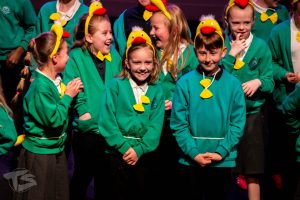
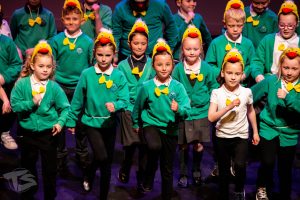
The children in year 3 thoroughly enjoyed taking part in the Chinese Whispers project in association the Confucius Institute and Hull University. They began by learning about the Chinese culture and Chinese New Year, then began to learn songs in Mandarin in preparation for a concert at Middleton Hall. Many of the songs that they learned were familiar to them (for example, Heads, shoulders, knees and toes), this made learning the words in Mandarin a little easier.

The day of the concert finally arrived and the children were very nervous. They knew they’d be performing on a big stage in front of their parents and many local dignitaries. However, once they were on stage, the nerves seemed to disappear and they performed amazingly.

Mrs O’Loughlin, Miss Ewen, Mr Morgan and Mrs Wilkinson, watching in the audience, could not have been more proud. The parents also told us how much they’d enjoyed it too. They also said that they knew some of the songs already as their child went home singing in Mandarin every Tuesday afternoon!


Year 3 D & T – Make

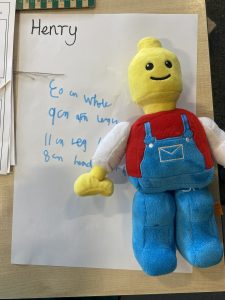
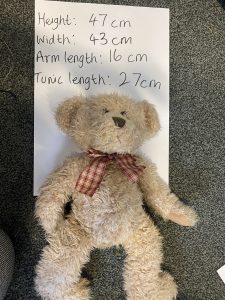
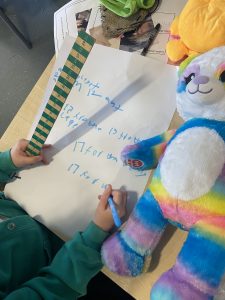
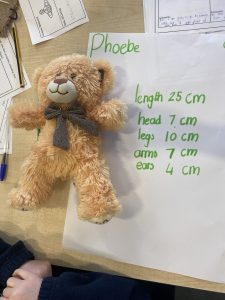
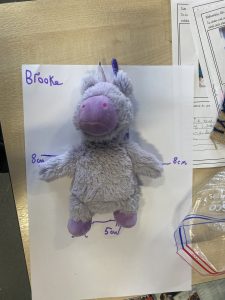
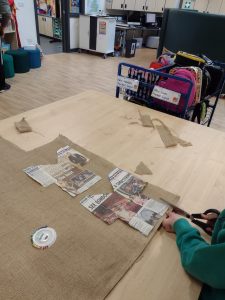
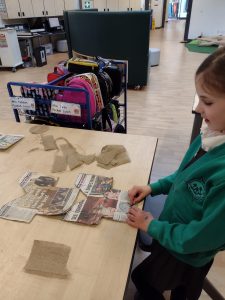
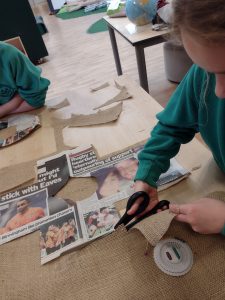
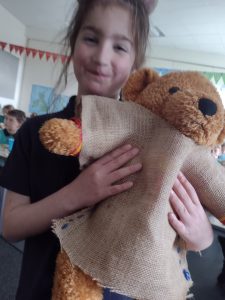
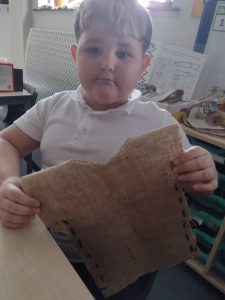
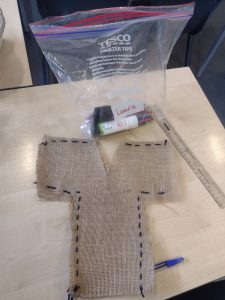
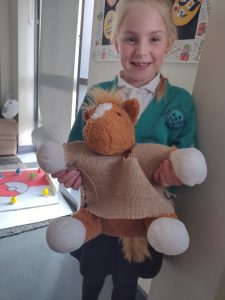
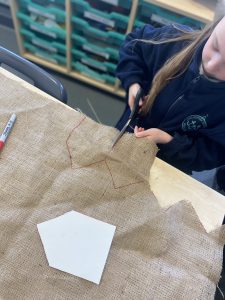
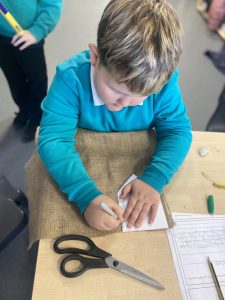
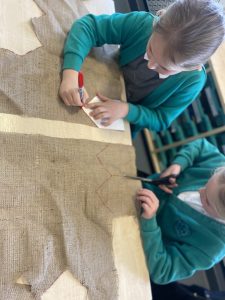
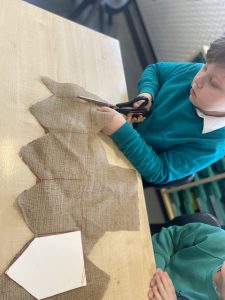
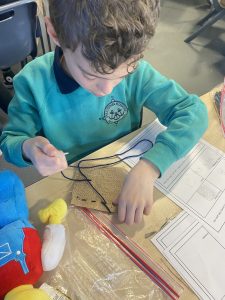
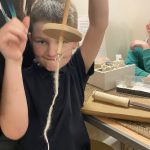
The children were very excited to bring in their own soft toy to make a tunic for. After taking careful measurements, they drew out their patterns and cut them out in preparation for sewing together.


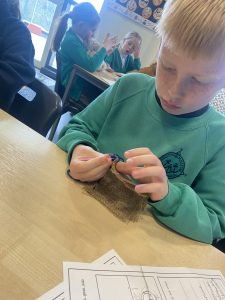
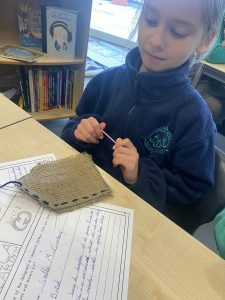
They chose whether to use a running stitch or an overstitch to join the pieces of material together.


Year 3 D & T – Focused Practical Task

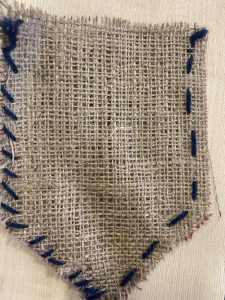
For their focused practical task, the children drew a pocket template which they used as a pattern. They considered the most efficient placement of the pattern on the material, marked it out and then cut it.


They then had the opportunity to practise joining the two pieces of material using a running stitch and overstitch.


Year 3 D & T – Investigate

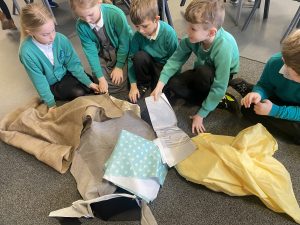
In D & T this term, the year 3 children will be making Iron Age clothing for their for their teddy bears. They have begun to look at what the clothing would’ve been like and how it would have been made.

They discovered that the staple piece of clothing would have been a tunic. This would have been made from cloth woven on a loom and coloured using natural dyes found in the local environment ( e.g. from grasses and berries). It might also have been adorned with decorative stitching, beads and brooches.


They looked at different types of fabric, discussing the various properties of each.

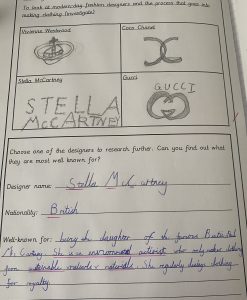
They continued their investigation phase by looking at modern-day fashion designers and the process that goes into making clothing.

Year 3 trip to the Hull and East Riding Museum

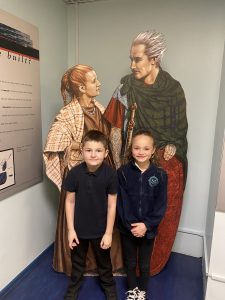
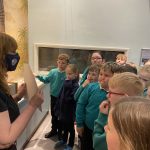
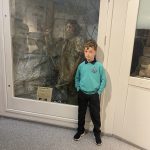
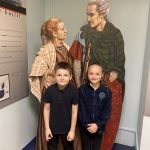
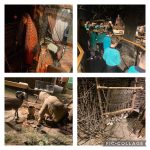
Our year 3 children took a journey back in time to the Stone Age today at the Hull and East Riding Museum. They learned about what life would have been like in that time, including how we know what we know about this time period. As historians, they used their skills to guess what certain artefacts might have been used for. They learned about the type of foods that would’ve been eaten, clothing and everyday life. They then journeyed forward through the Bronze and Iron Ages, learning about the changes that occurred and reasons for this.

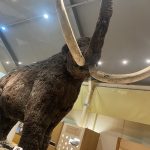
One of the highlights of the trip was their first glimpse of the Wooly Mammoth!

Light

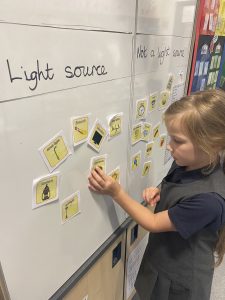
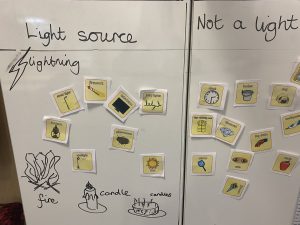
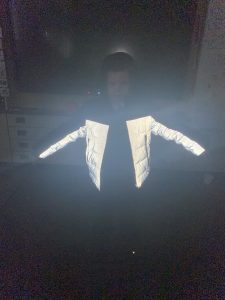
Year 3 began this unit by thinking about the question ‘what is light?’. They looked at a variety of objects/images to determine what a light source is. Some of the objects that we needed to have more in depth discussions about were; the moon, windows, reflective clothing and mirrors.

We decided on the following: a light  source is something that gives out light.

A mirror is not a light source because it does not give out light – it reflects light. A window is not a light source because it does not give out light – it allows light to pass through. The moon is not a light source because it does not give out light  – it reflects the sun’s light.


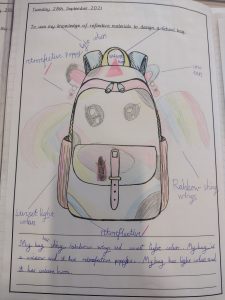
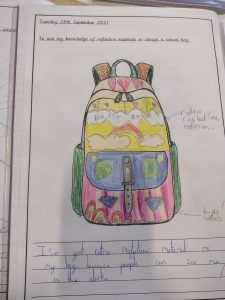
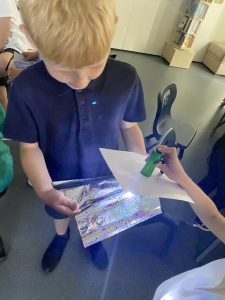
We continued by investigating the reflective properties of different materials in order to design a school rucksack.


Look at these fabulous designs:

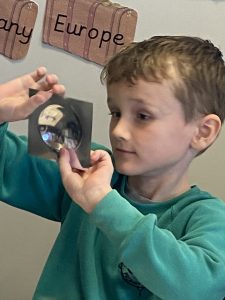
We continued by looking at different types of mirrors. The convex and concave mirrors were very surprising!


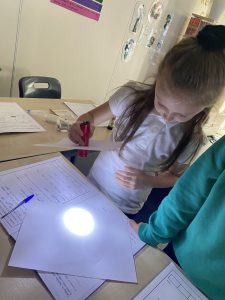
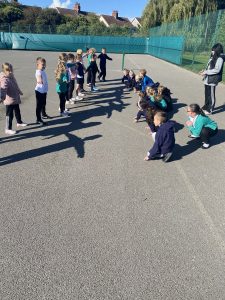
We also studied the way that shadows change in relation to the time of day and distance from the light source.


We found out about a famous scientist from history – Justus Von Liebig who invented the mirror.

History and Geography

As part of the WWII topic in year 3, the children have been learning about The Blitz. They investigated cities in the UK that were bombed and were able to suggest reasons for this. For example, because of the city’s location or industry. They discussed what life would have been like during The Blitz and understood it’s importance in terms of the course of the war.

Year 3 – Light

The children in year are really impressing us with the scientific skills they are developing this year. About light, they can say what a light source is, name a number of different light sources and address common misconceptions about light sources. For instance, they can explain that a mirror is not a light source but is merely a good reflector of light. They loved applying their knowledge of reflection to designing a school back pack, with all of them remembering to include retroreflective material within their design.