At Christopher Pickering, we believe that fieldwork is the jewel in the crown of geography and should be done regularly because:
- It engages children with real-world learning
- It enables purposeful data collection
- It connects children to their local environment, creates memories and helps develop identity
- It helps explain the often ‘messy’ nature of geography in the real world, compares this to theory, and so deepens understanding
- It promotes curiosity, vocabulary acquisition, creativity and critical thinking
- It provides a genuine context for geographical skills and enquiry
- It is a statutory requirement for geography
Educational Fieldwork Visits 2022-2023
Year 1 – Autumn Term
During the Autumn term, our Y1 Geographers begin to learn about Human and Physical features. The children took their learning outside to see which features they could find within the school grounds and were able to decide which label to apply, whether the feature was Human or Physical. Learning and understanding these important terms has provided the children with great Geographical language and skills to be able to describe places that they will study in the the future.
Year 1 – Summer Term
Our Y1 Geographers have a field trip planned to Withernsea in the Summer term. The students will visit the light house and the coast to help them identify features. They will look at land use and compare this coastal location to where they live.
Year 3 – Spring Term
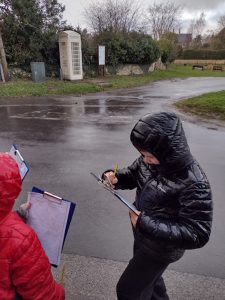
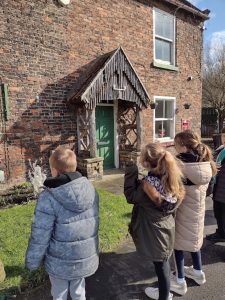
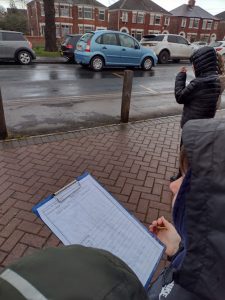
Our Year Three Geographers visited the contrasting locations of Hessle, our local town and the small village of Brantingham. They carried out fieldwork, collecting data through traffic surveys and pedestrian counts as well as sketch mapping the land use. Our Geographers used ipads to capture images of key human and physical features as well as features that caught their eye as they expressed their feelings about their sense of place. When back at school, the children the children were able to compare the localities by using data and drawing upon what they had seen. Children were able to talk about how their life might differ if they lived in such a small village.
Year 4 – Summer Term
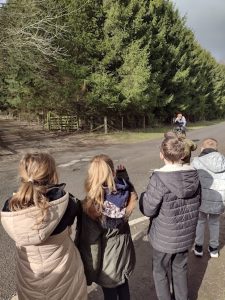
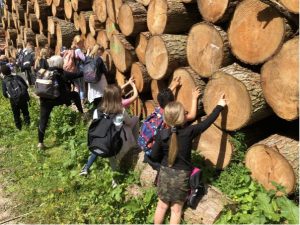
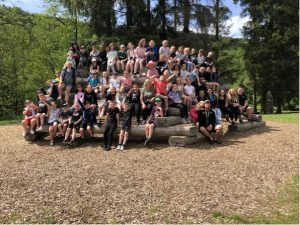
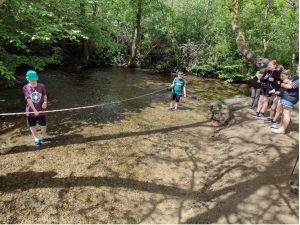
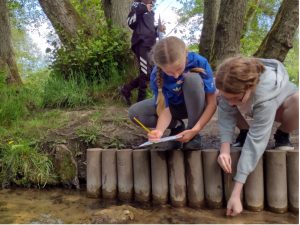
During the summer term, our Year Four Geographers will carry out field work in Dalby Forest to gain hands on experience of a forest biome. Before their visit, the children will learn to read and give co-ordinates so that they can plan their walking route before they arrive. When at the forest, the children will carry our tree surveys, sketch land use and examine how the forest is used as a sustainable, ‘working forest’. Pupils will use simple tools to calculate the speed of the stream that flows through the valley leading them into their river study in year five.
Year 5 – Summer Term
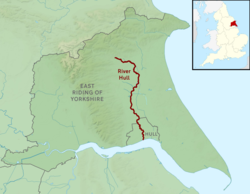
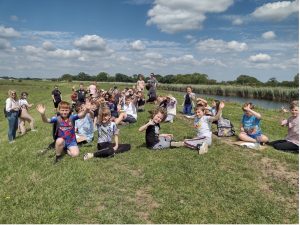
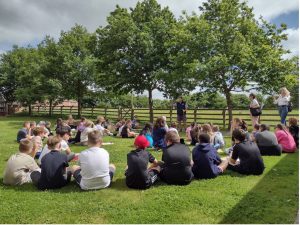
During the Summer Term our Year Five Geographers are taking a field trip that follows the course of the River Hull. They will start at the river mouth, where they will record land use by sketching and carry out surveys to explore the relationship between humans and the land. As they travel towards the source, the children will observe and record changes in land use, changes in the rivers appearance and changes in the function of the river.
Year 6 – Summer Term
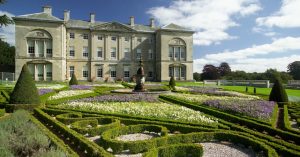
During the Summer Term, our Year Six Geographers are learning about sustainability and land use, thinking particularly about UK Farming. We are looking forward to visiting Sledmere House and taking part in the Countryside Learning events to help us better understand the complex relationship between humans and the land.
(
Educational Fieldwork Visits 2021-2022
Year 1 – Autumn Term
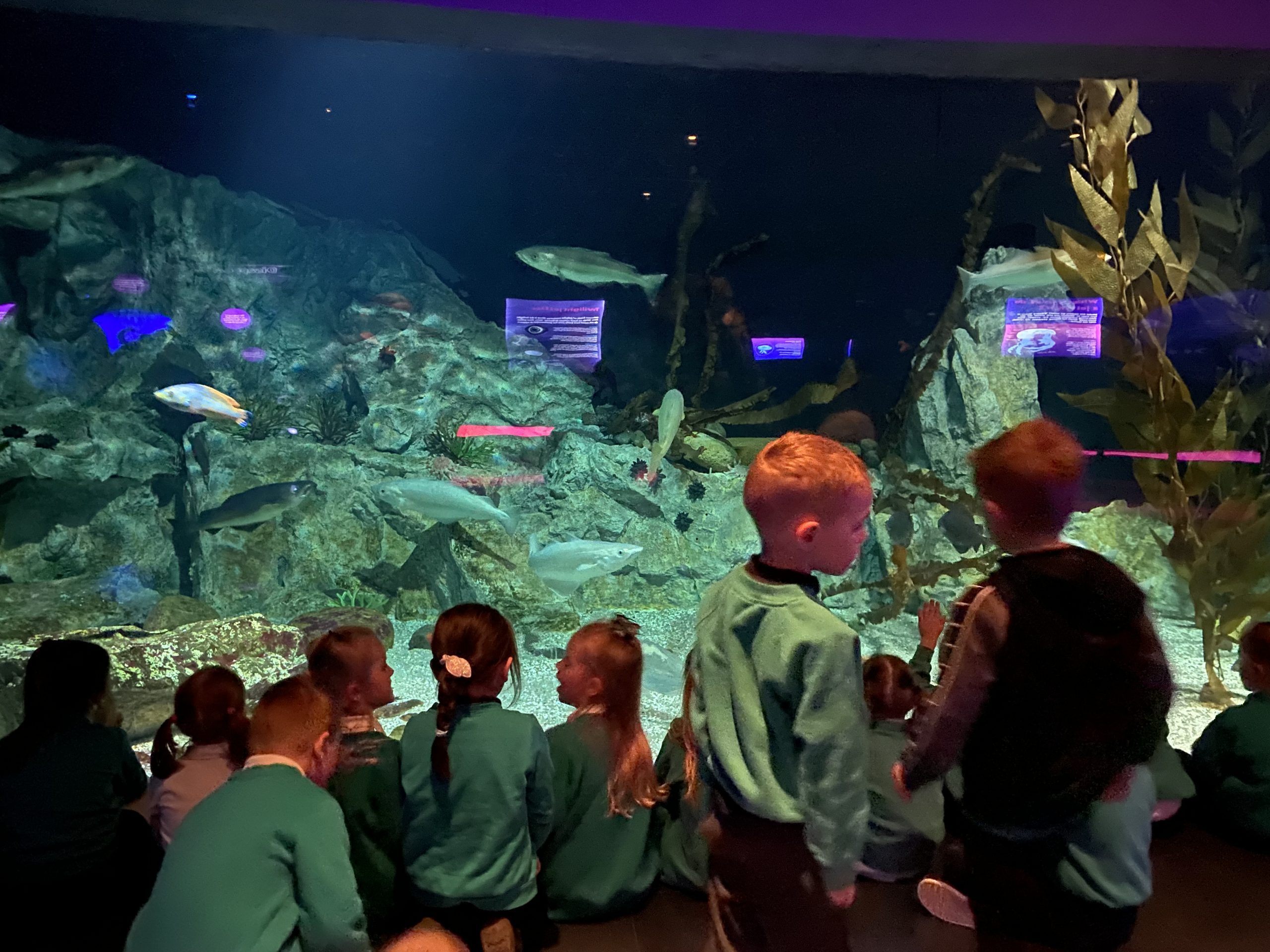
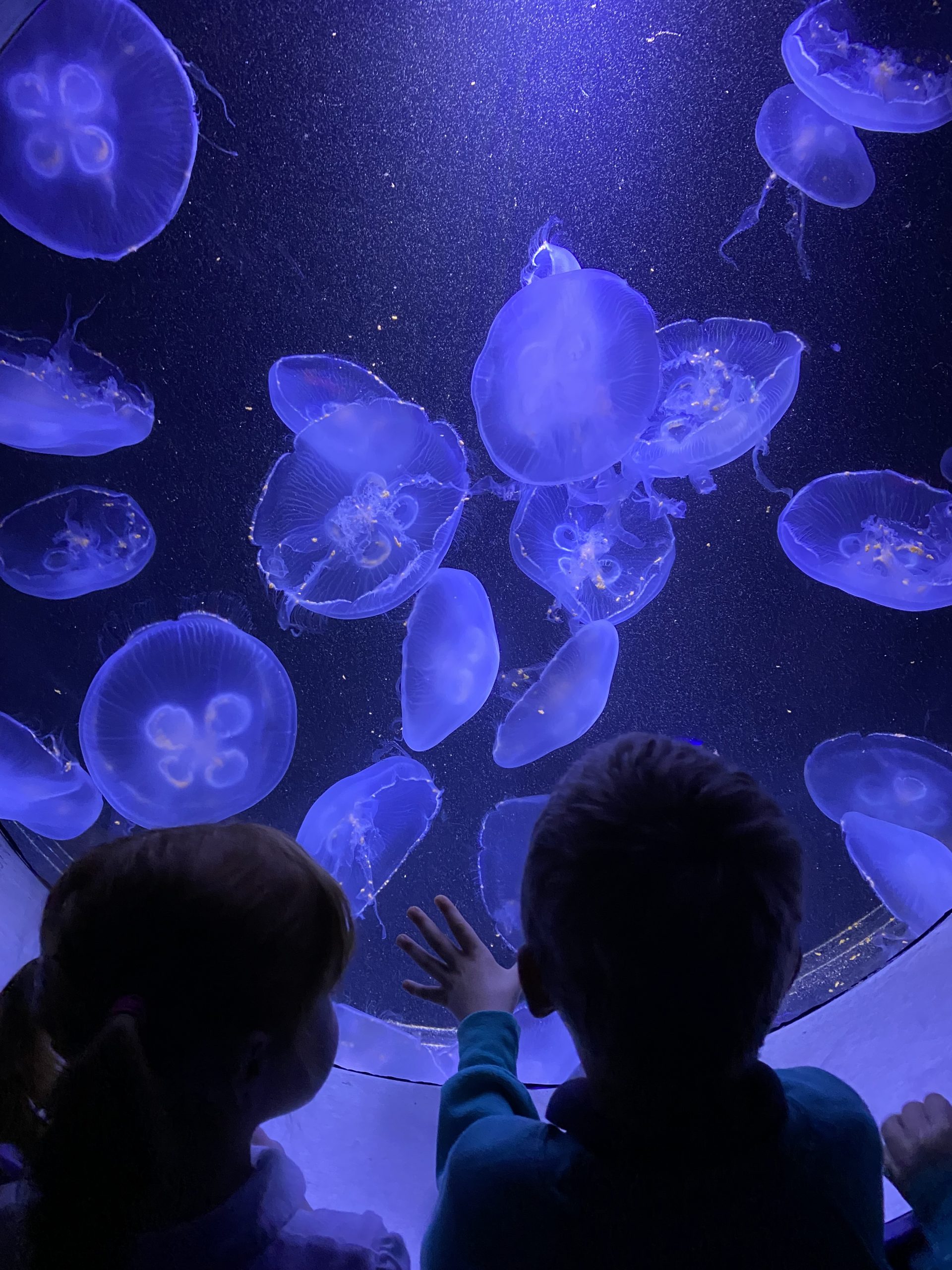
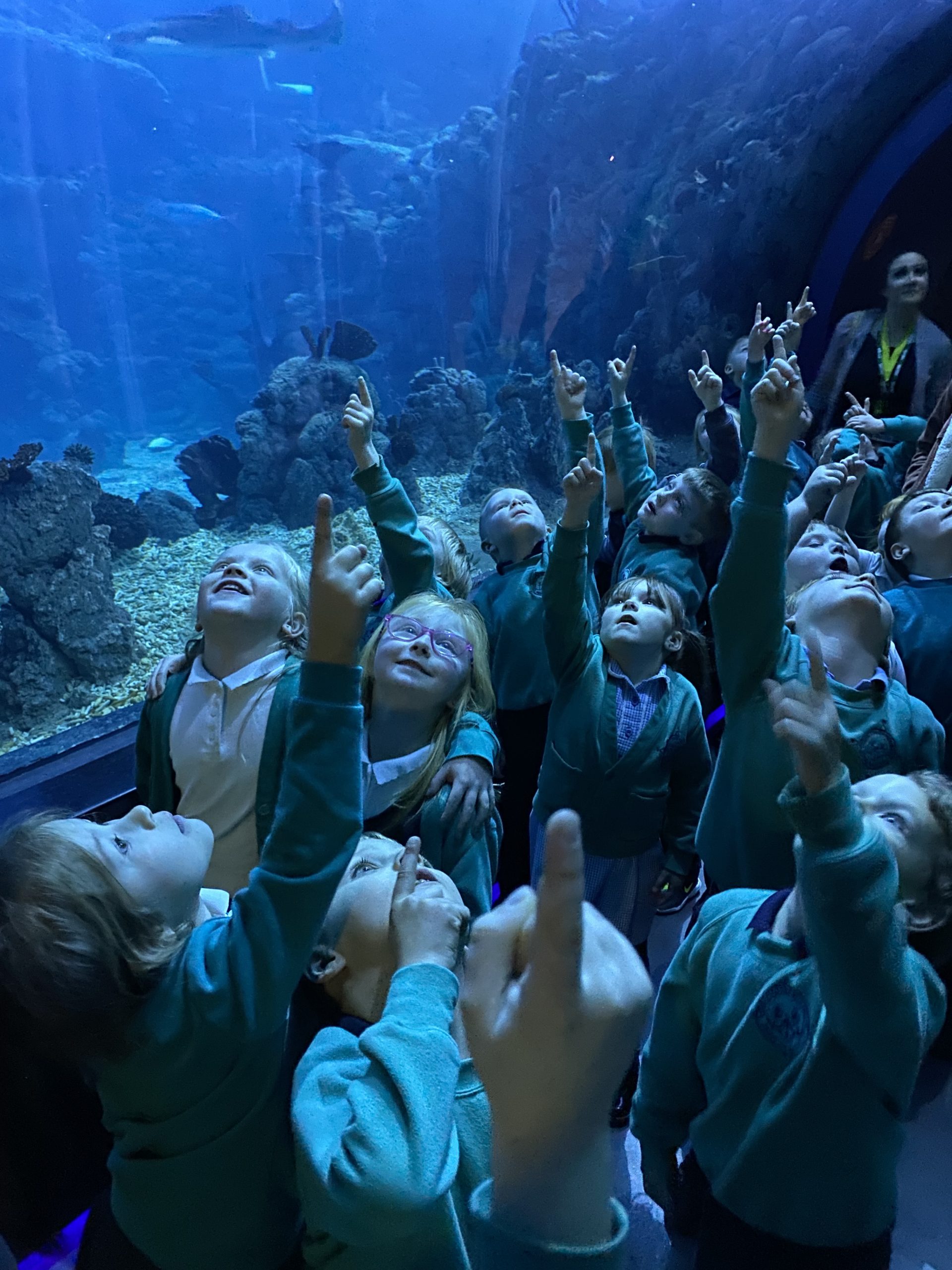
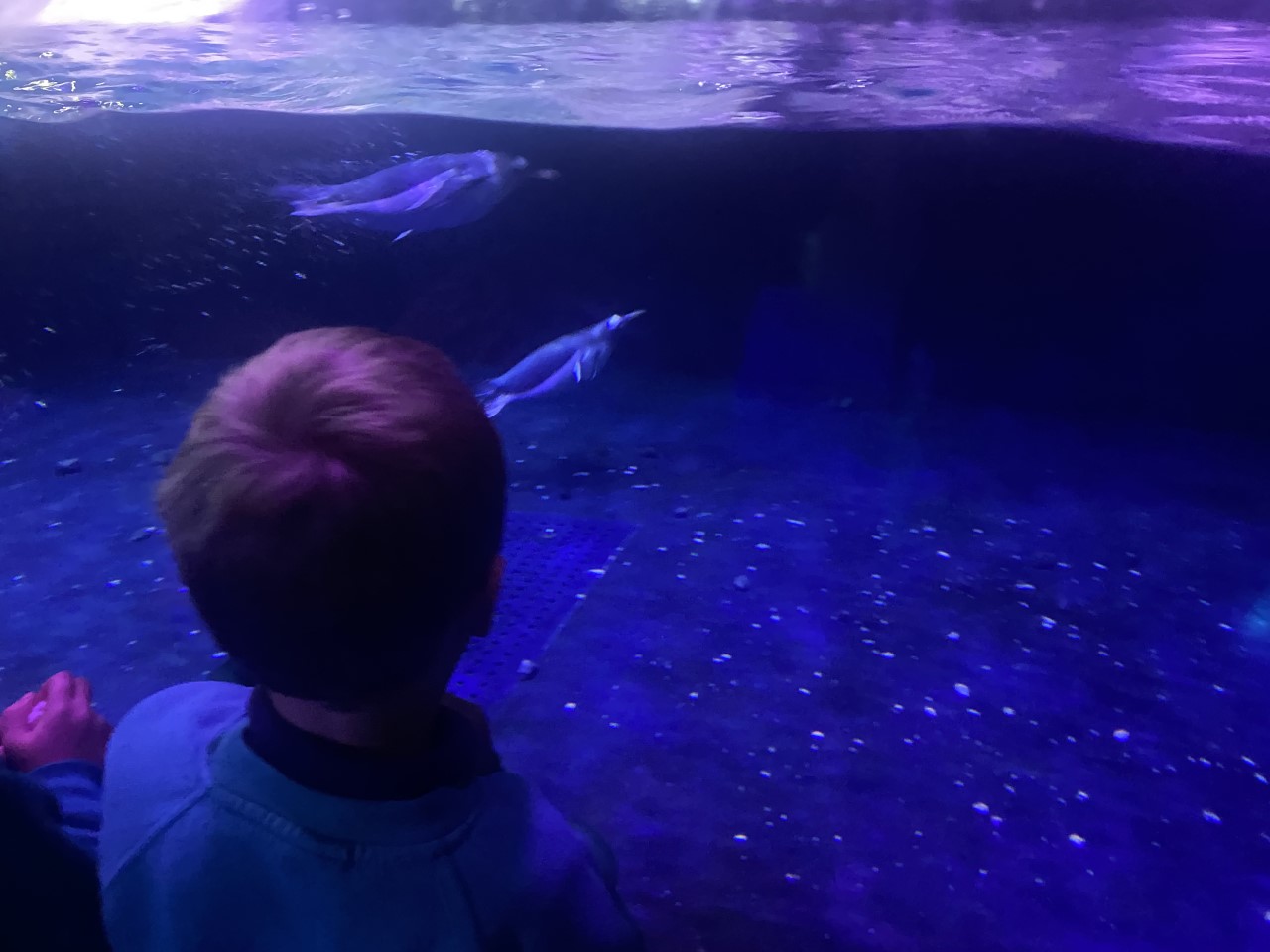
During the autumn term, the Y1 children have the opportunity to visit a fabulous aquarium ‘The Deep’. The children will begin with a tour of the Deep where they will be observing fish from all around the world. They will focus in particular on which fish can we found in which oceans and why they look different closer to the equator and then will spend time identifying animals and fish that live in the polar regions of the world. During the workshop sessions children will take a journey in a pretend rocket ship and view the whole world. They will identify the equator, poles, continents and the 5 oceans and identify if there any differences from the Arctic and the Antarctic!
Year 1 – Summer Term – Bridlington
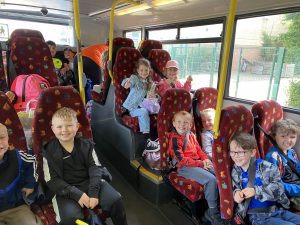
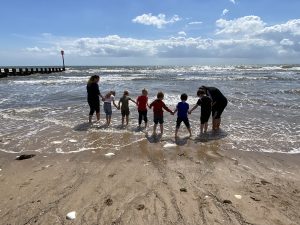
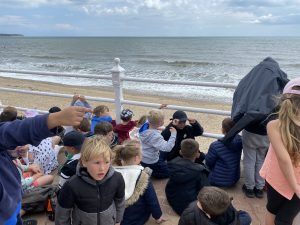
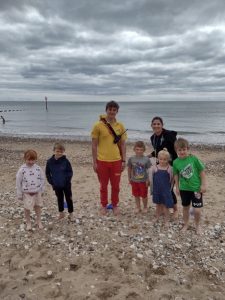
In the Summer term the Y1 children have the opportunity to visit our local coastal town of Bridlington. During the day, children have the chance to apply the skills and knowledge that they have learned at school, to identify and describe key human and physical features that they can see such as the harbour, shops (in particular fish and chip shops), the beach and cliffs. The children build upon their fieldwork skills by drawing annotated field sketches, they will describe the location of some of the things they see on a map and they will use locational and directional language. When they are on the beach, children investigate what they can find there and have the opportunity to sketch what they see.
Some of our children enjoying this trip last year.
Year 3 – Autumn Term
Hessle
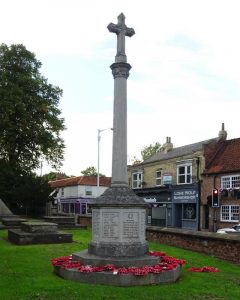
During the Autumn term, the children plan the route for and take a walk to the local War Memorial in Hessle using maps on a variety of scales but mostly the OS map. The children create sketch maps whilst at the site and then carry out traffic and pedestrian count surveys to answer the enquiry- Why was the War Memorial positioned here? The children consider the land use and human features of this small town whilst developing their geographic vocabulary.
Year 4 – Summer Term
Dalby Forest
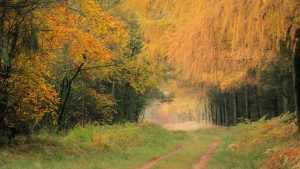
As a comparative locality study to the Amazon Rainforest, the Year Four students make a visit to Dalby Forest in North Yorkshire. Here the pupils have the opportunity to carry out practical fieldwork skills of surveying, mapping and measuring. The pupils are involved with the planning of the visit and apply their mapping skills to plan the route for the coach driver. Whilst on the walk, the children use OS maps with 4 figure grid references to follow the walking route which they planned in school previous to the visit. After studying a Rainforest biome, the children are able to experience, first hand, the similarities and differences that are within this temperate/deciduous biome.
Year 5 – Summer
From Source to Mouth – The River Hull
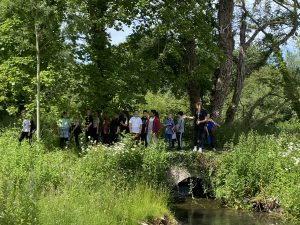
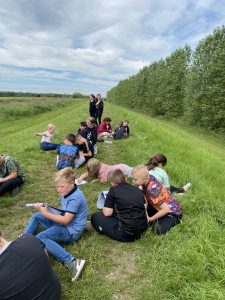
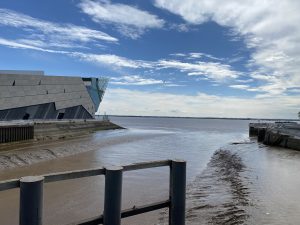
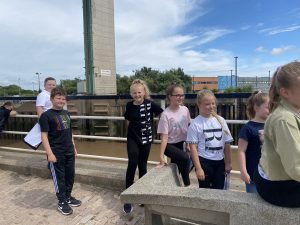
During the summer term in Year 5, children have the opportunity to follow the journey of The River Hull. The children begin the day just outside Driffield and identify the river source and locate some of the springs with the assistance of OS Maps. Throughout the day, we stop off at various points along the River Hull where we identify features of the river such as the source, tributaries and meanders, study the type of ground the river cuts through and will be doing annotated sketches. The children observe how land use changes as they travel along the banks of the river and how tidal barriers are used to protect Hull from flooding. The children look for signs of river pollution and consider the effects of polluting the river at it’s source.