Why are animals grouped in different ways?

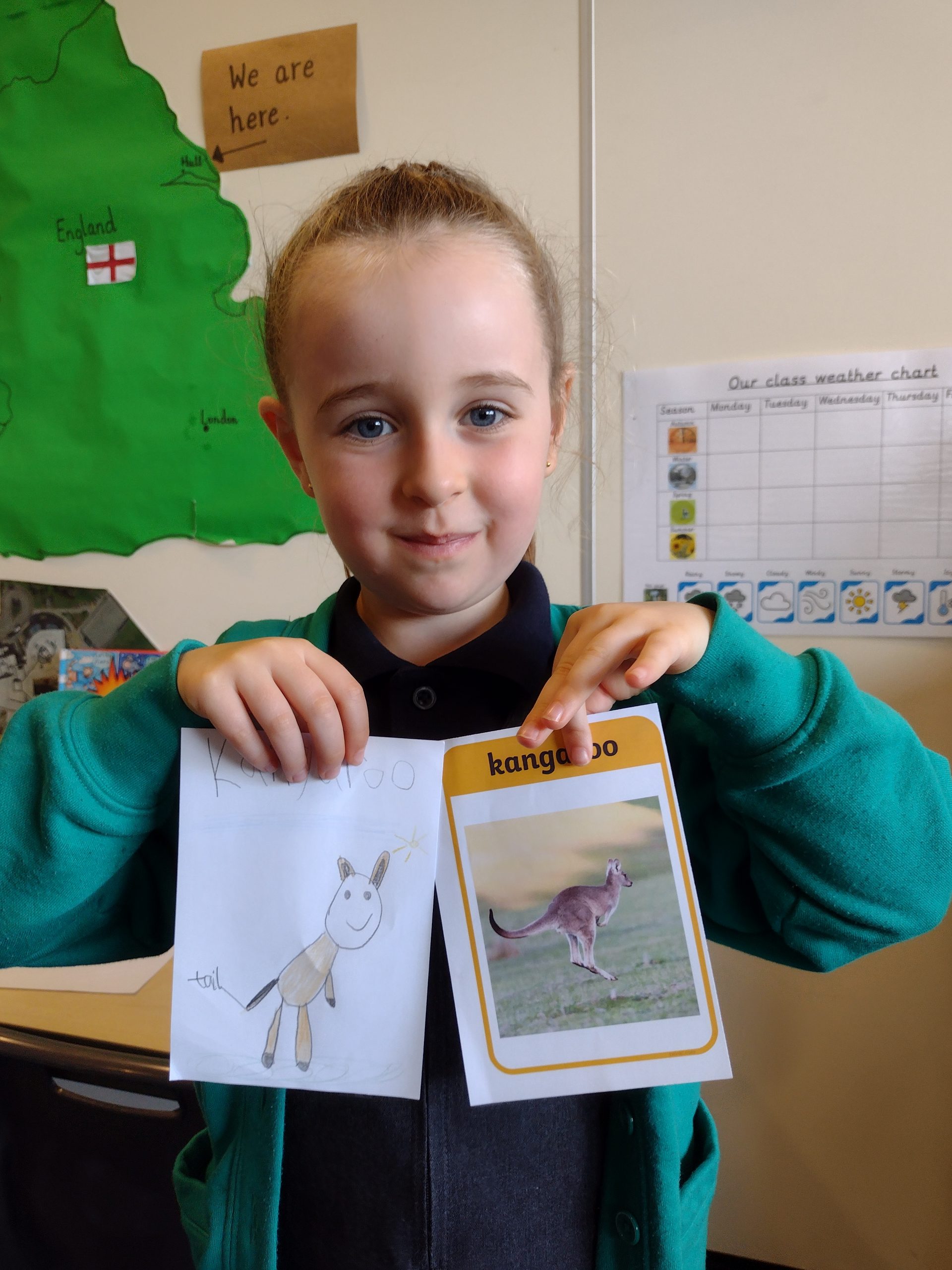
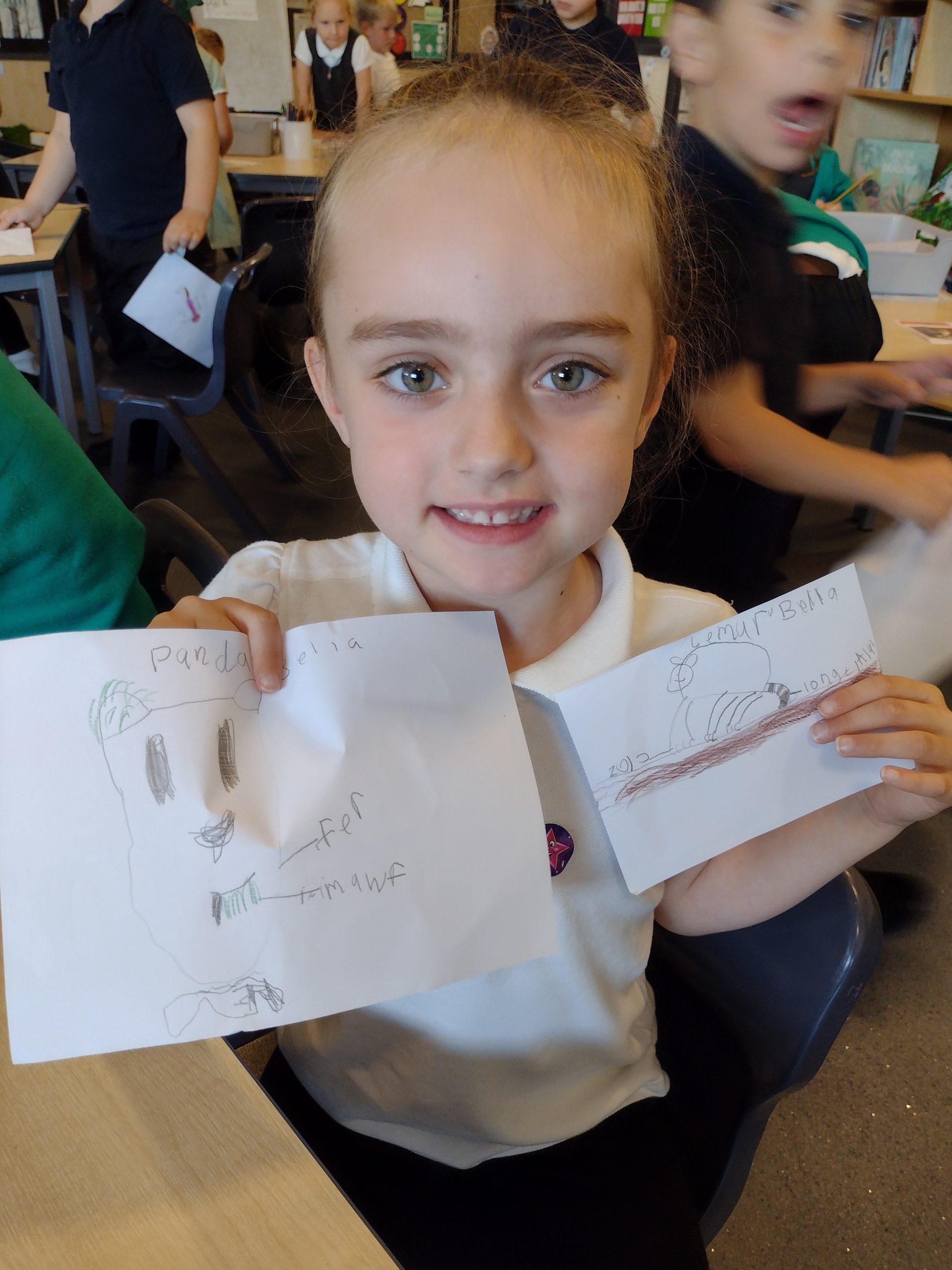
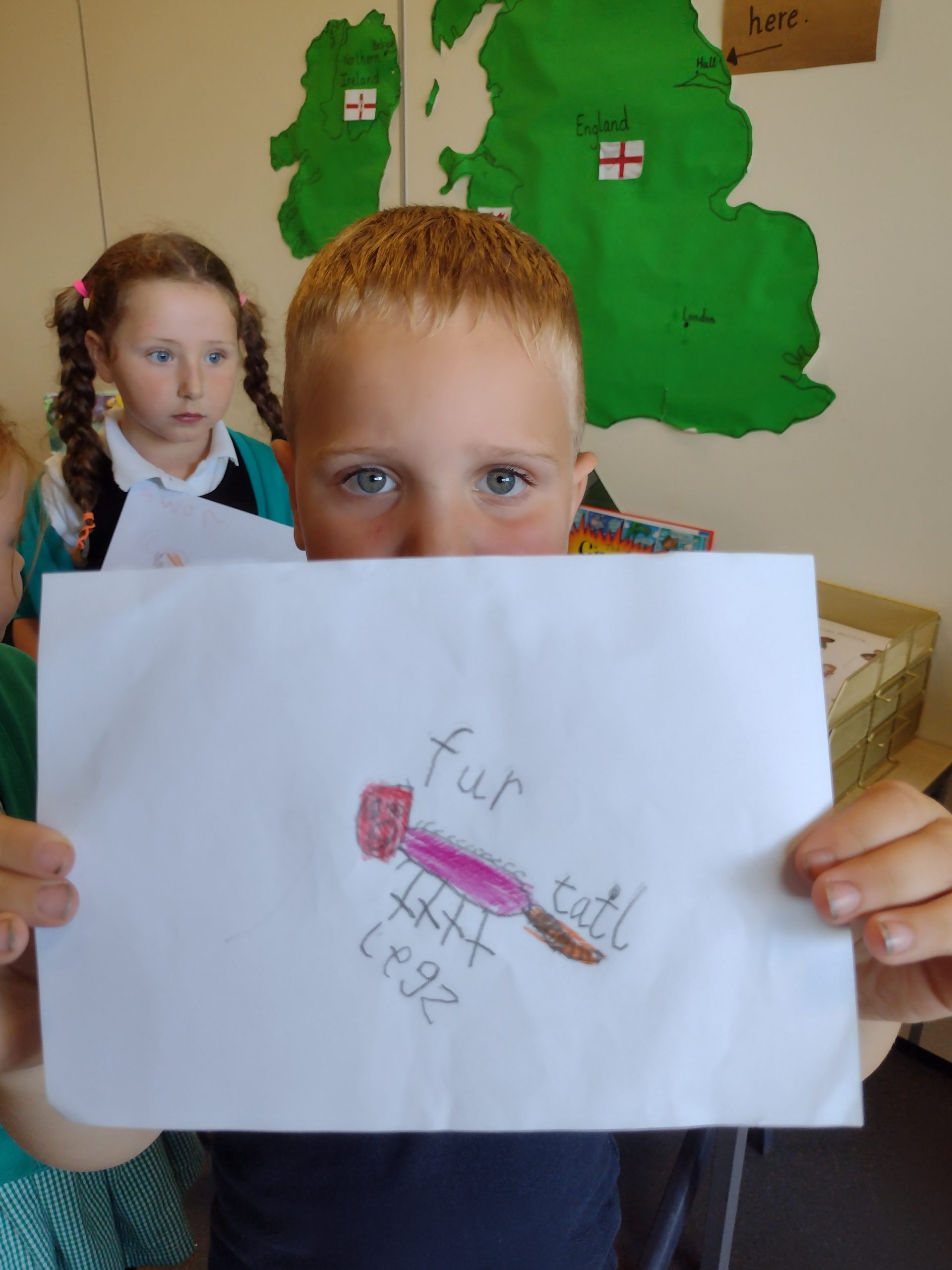
In Science this week Year 1 have continued to look at animals (including humans). This week our enquiry was ‘Why are animals grouped in different ways?’

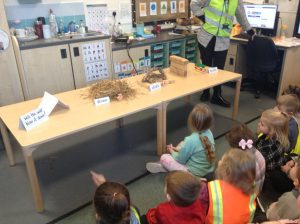
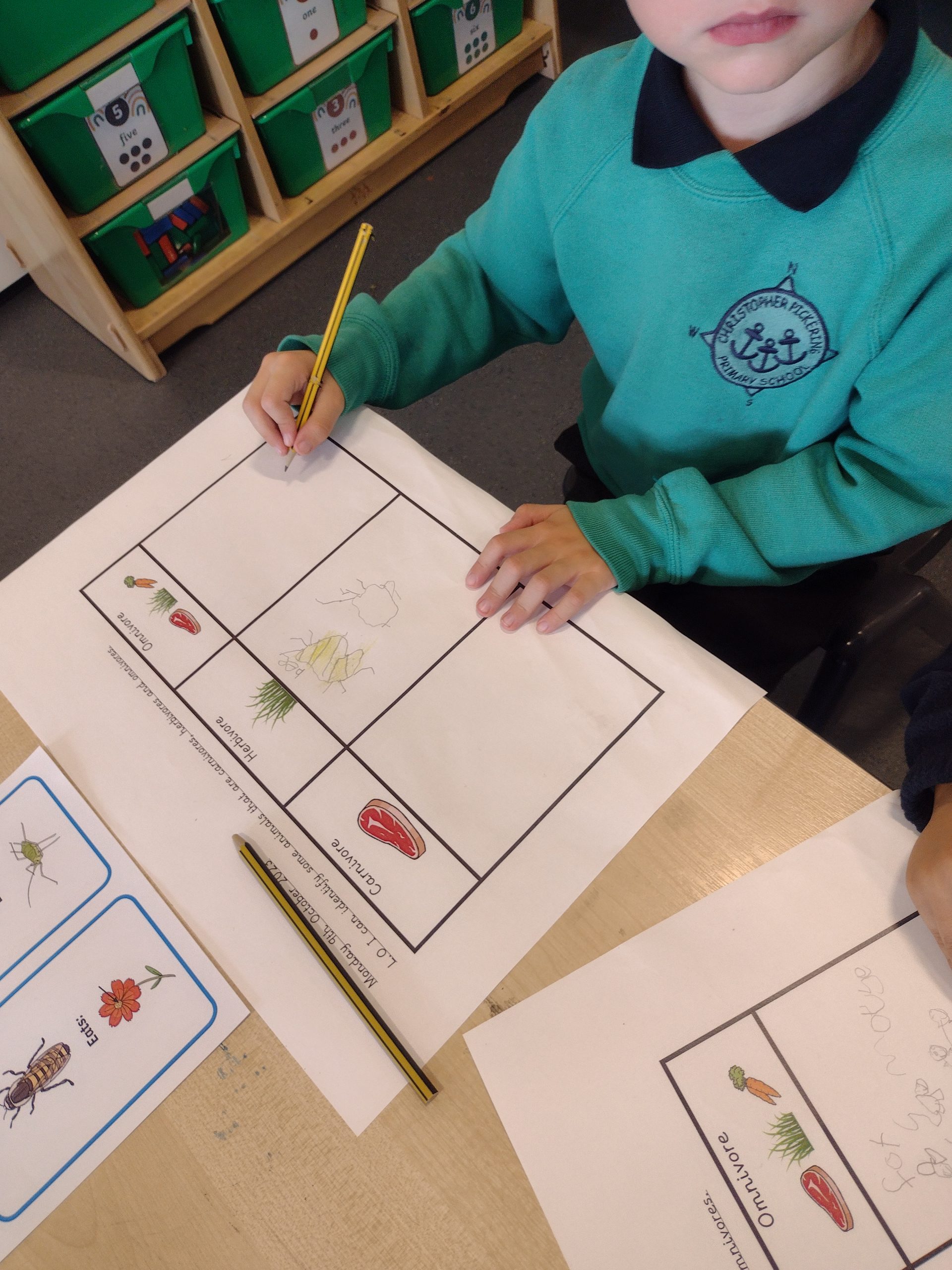
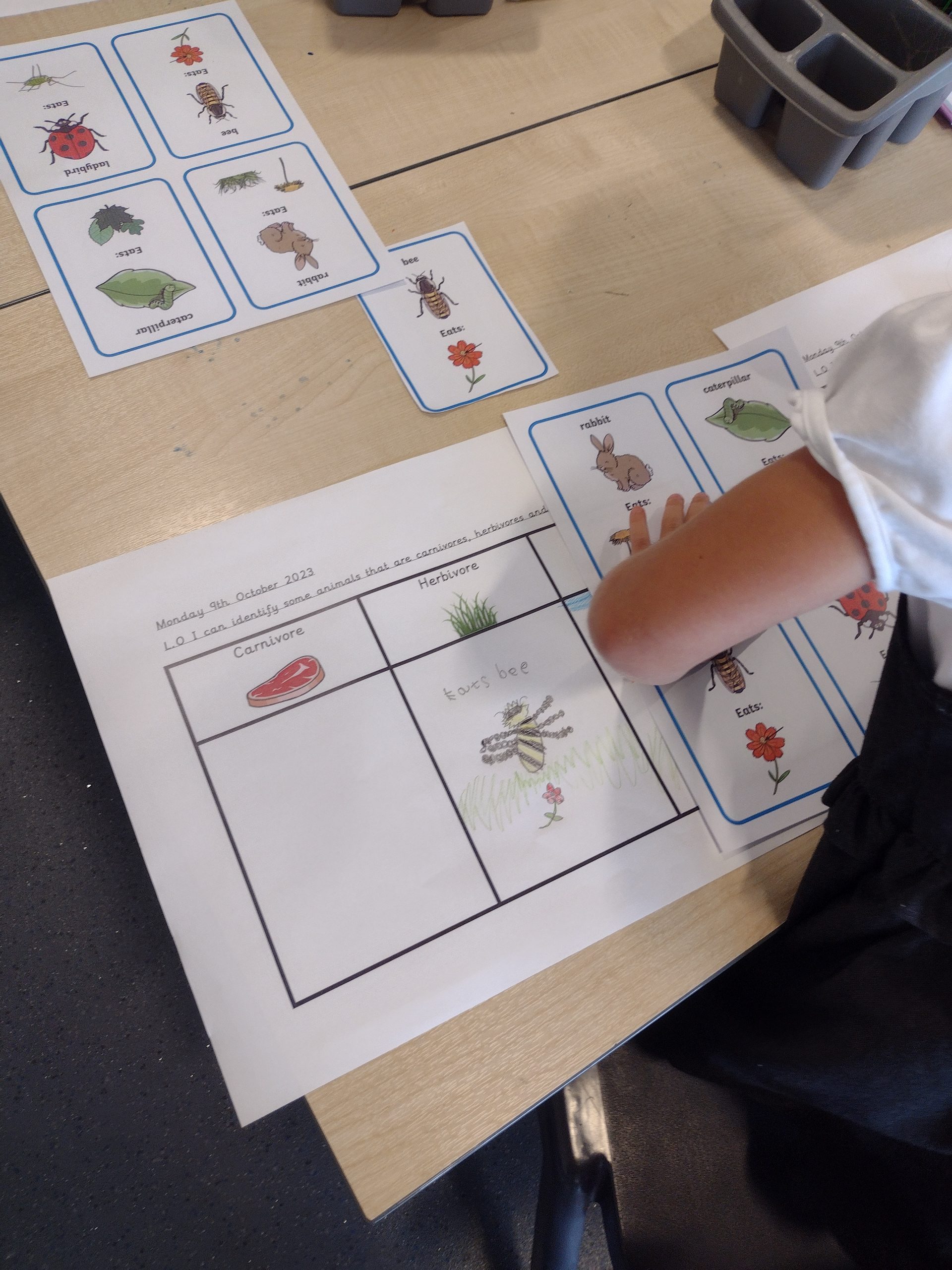
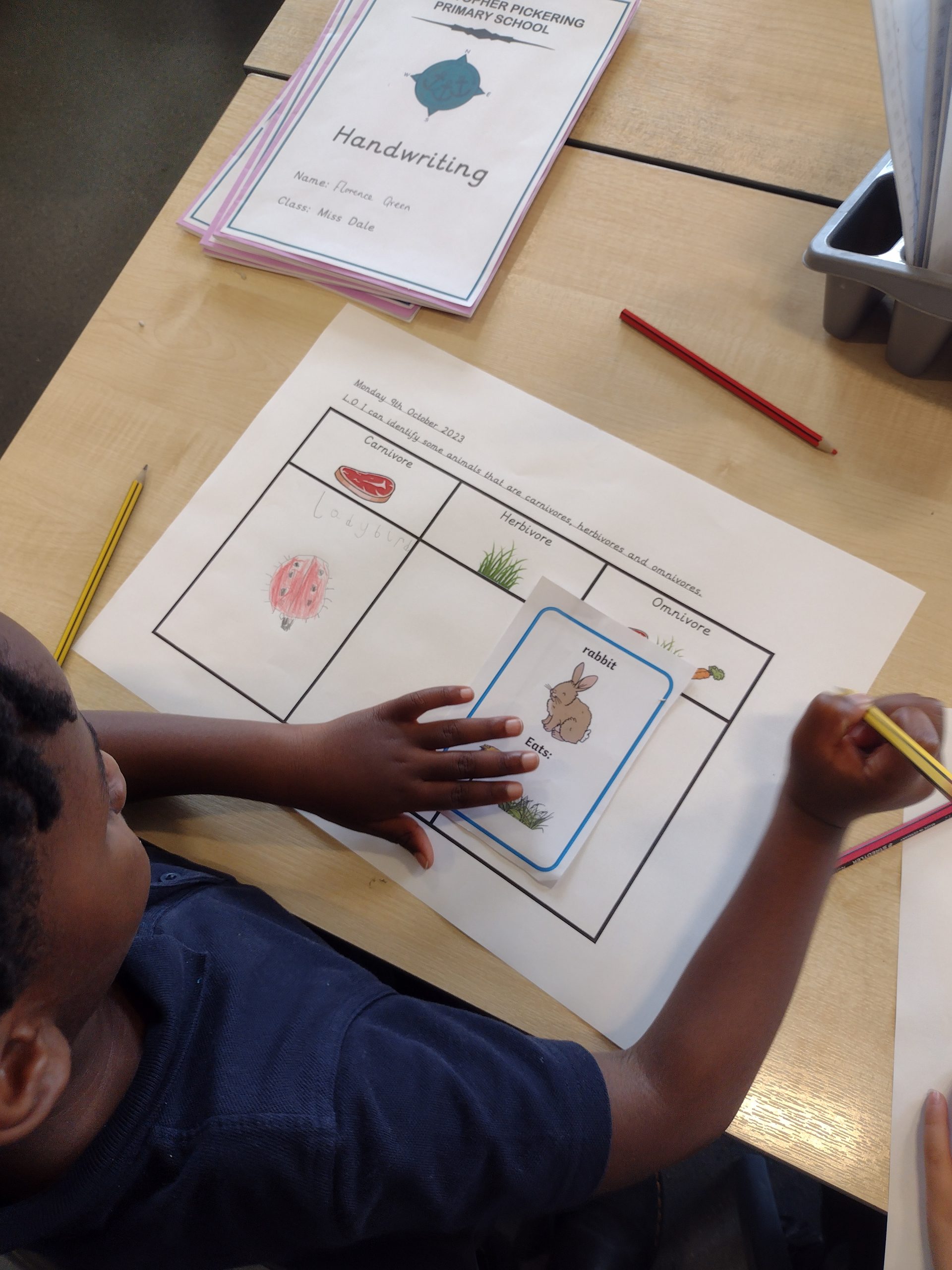
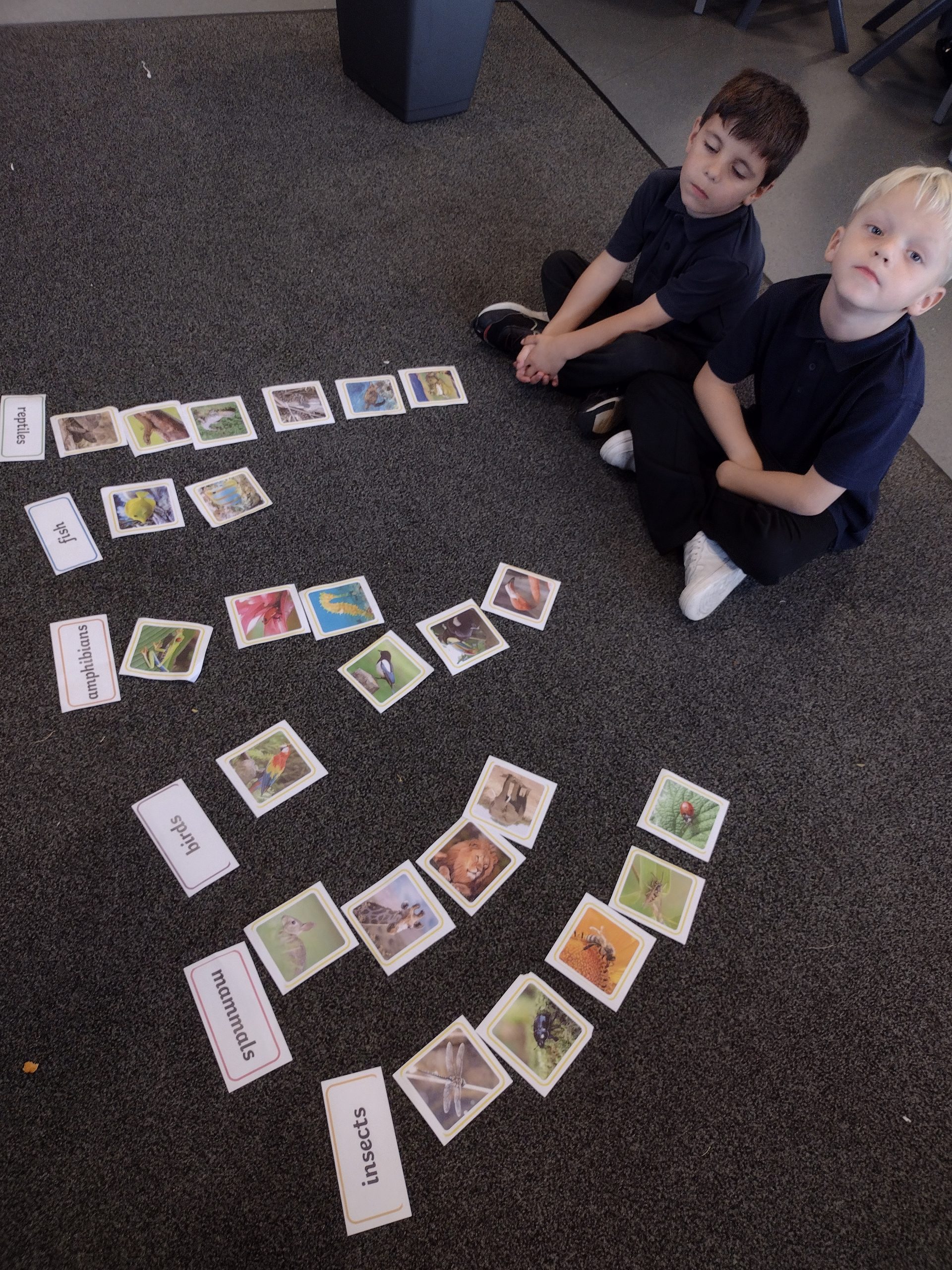
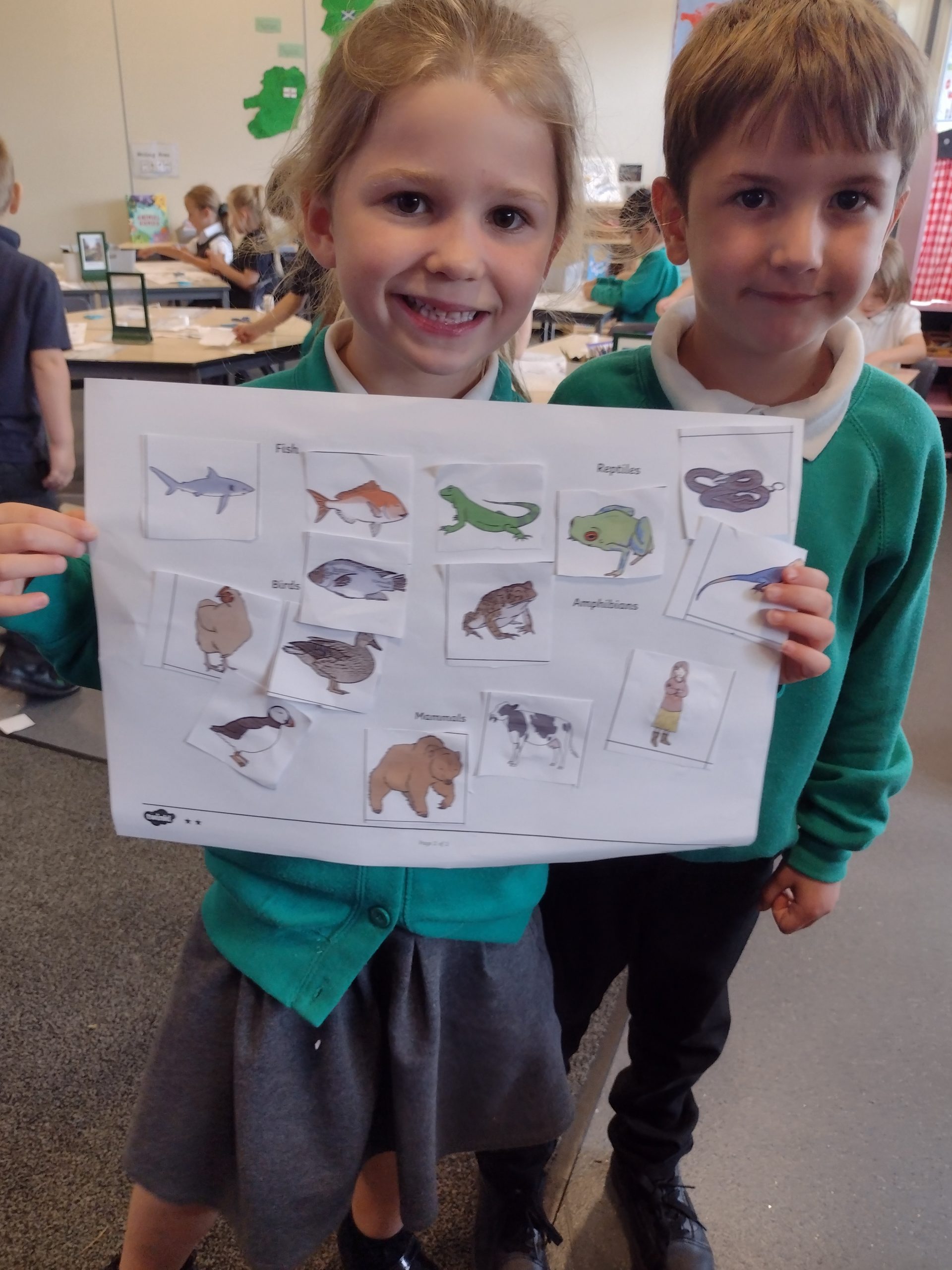
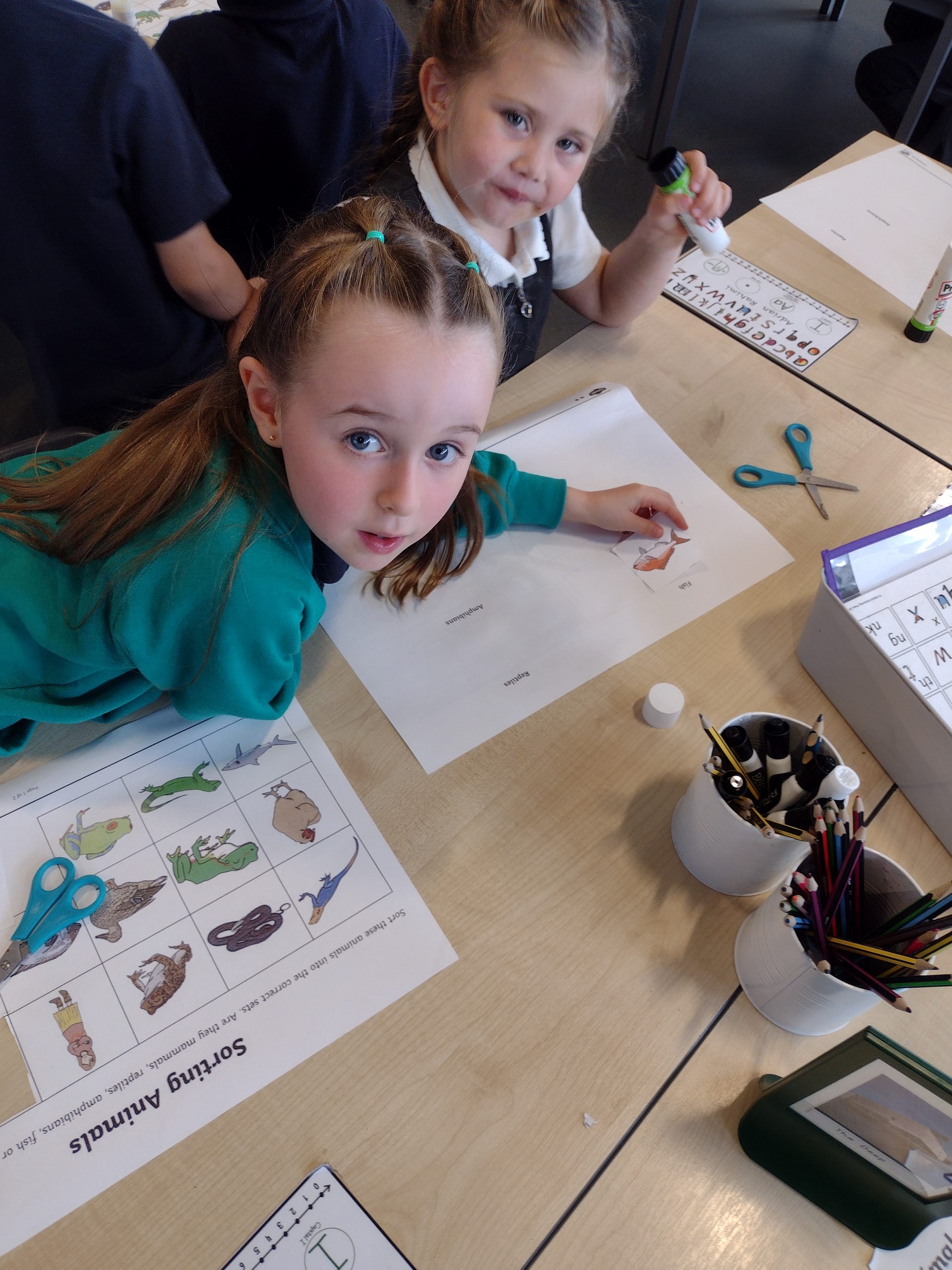
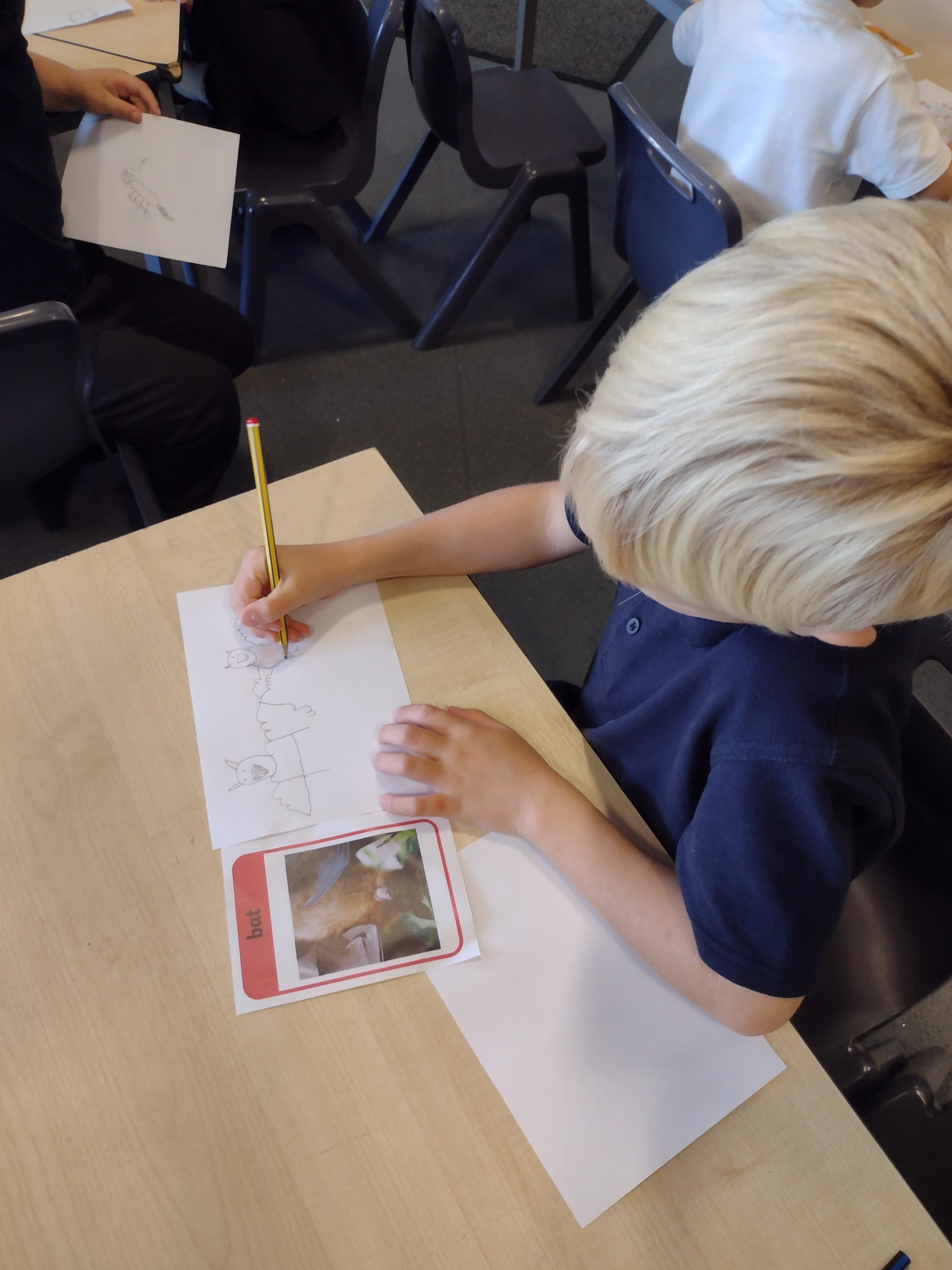
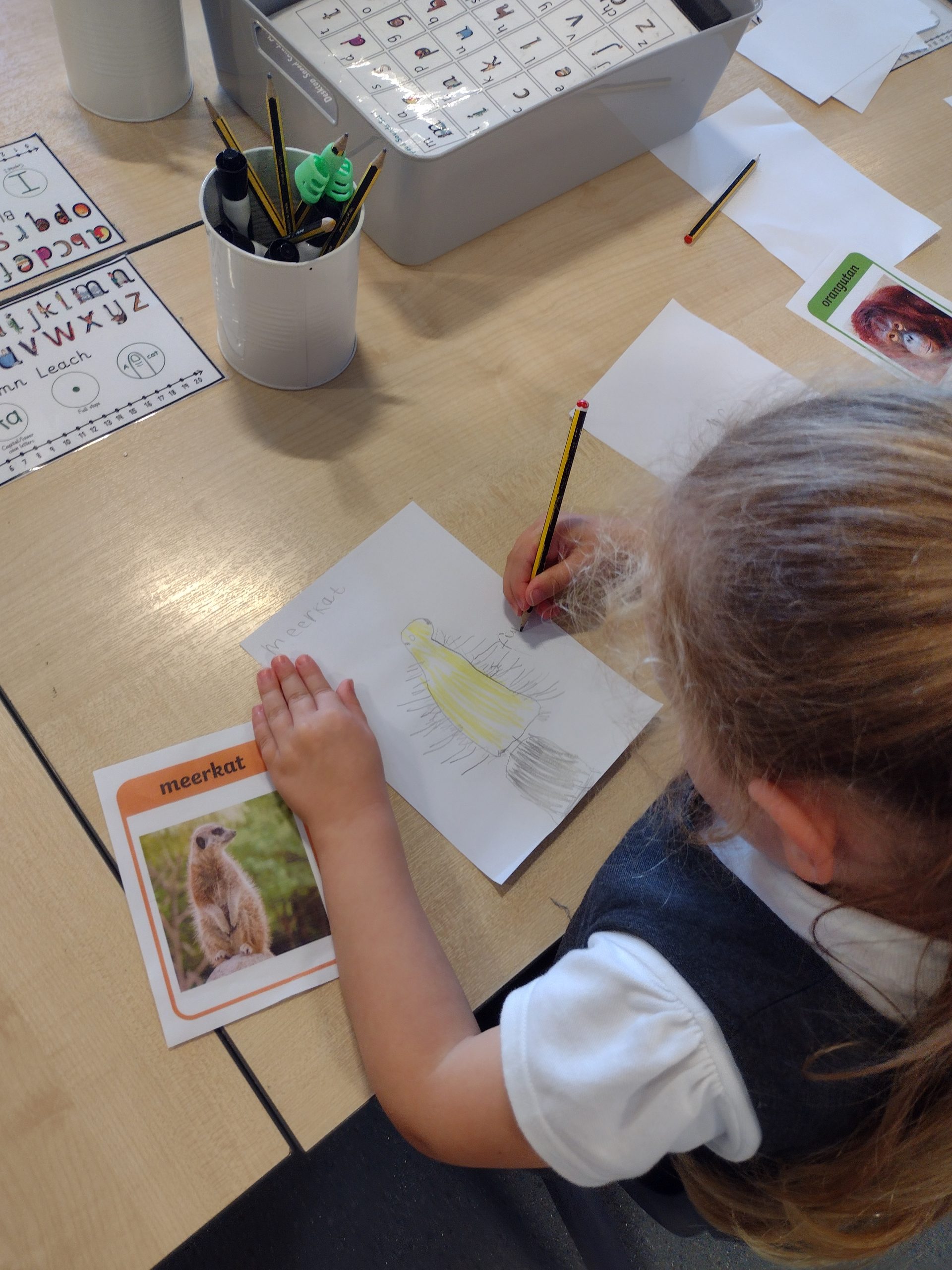
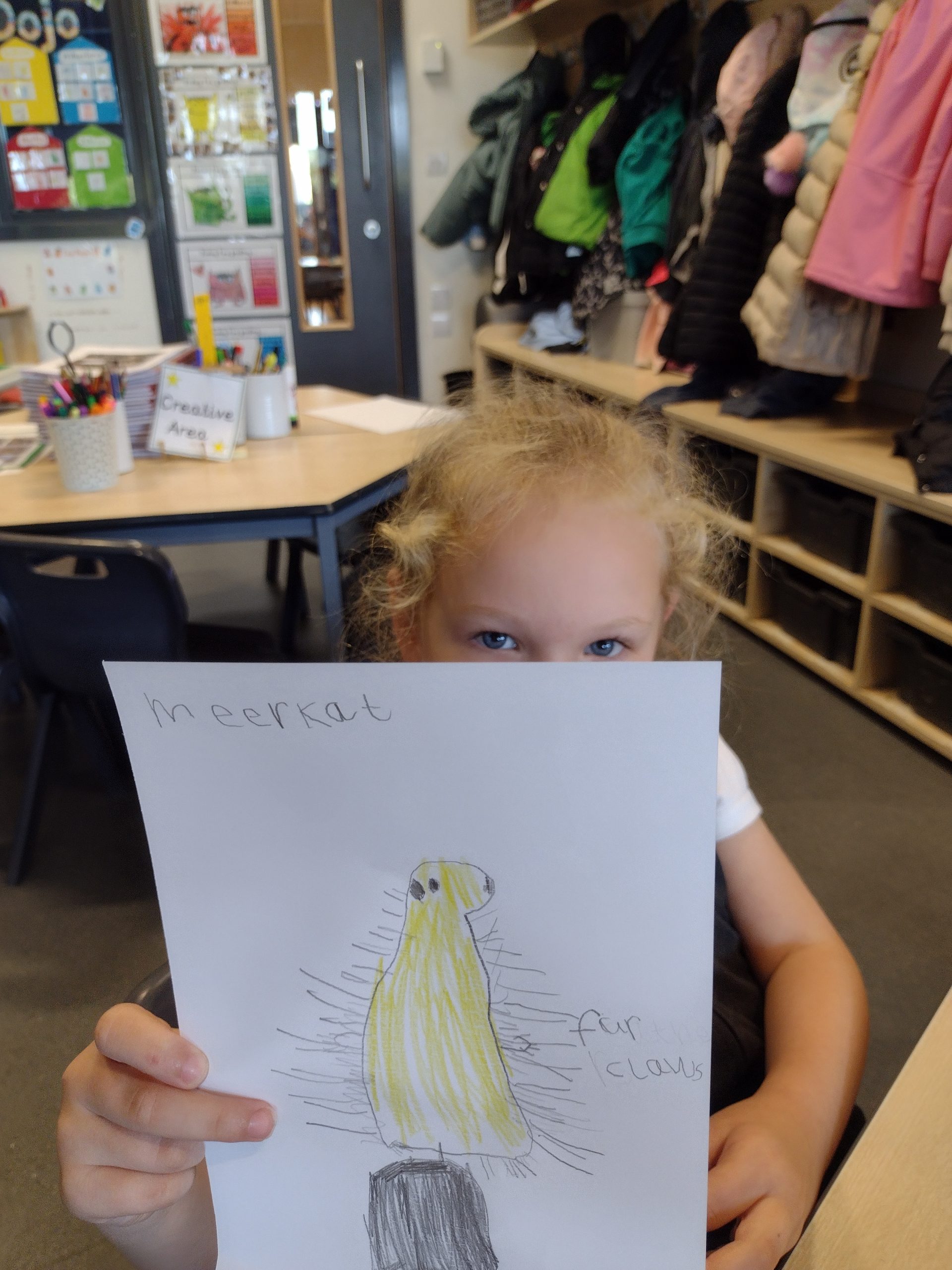
The children got into partners and were each given an animal to compare and contrast. The children looked closely at the features of the animals and then grouped them together based on their characteristics. Here is what some of the children discovered:

“Those animals and have wings and feathers so they must all be birds.”

“They can all lay eggs and have scales so they can be grouped together.”


Are animals bodies the same as ours?

This week in science we re-capped our learning of the human body parts and our 5 senses. We then wanted to explore the enquiry ‘Are animals bodies the same as ours?’. This is what a few of the children said at first:

“No they are not the same at all as they have feathers.”- Harley

“No they don’t all have hands!”- Jessica

We then looked at a range of photographs of different animals and we looked at what was the same/different comparing them to the human body. We noticed common similarities such as eyes, noses, mouths, legs even though on each animal they looked different!

We then labelled animal body parts that humans don’t have e.g tusks, horns and claws!


Why do I have senses?

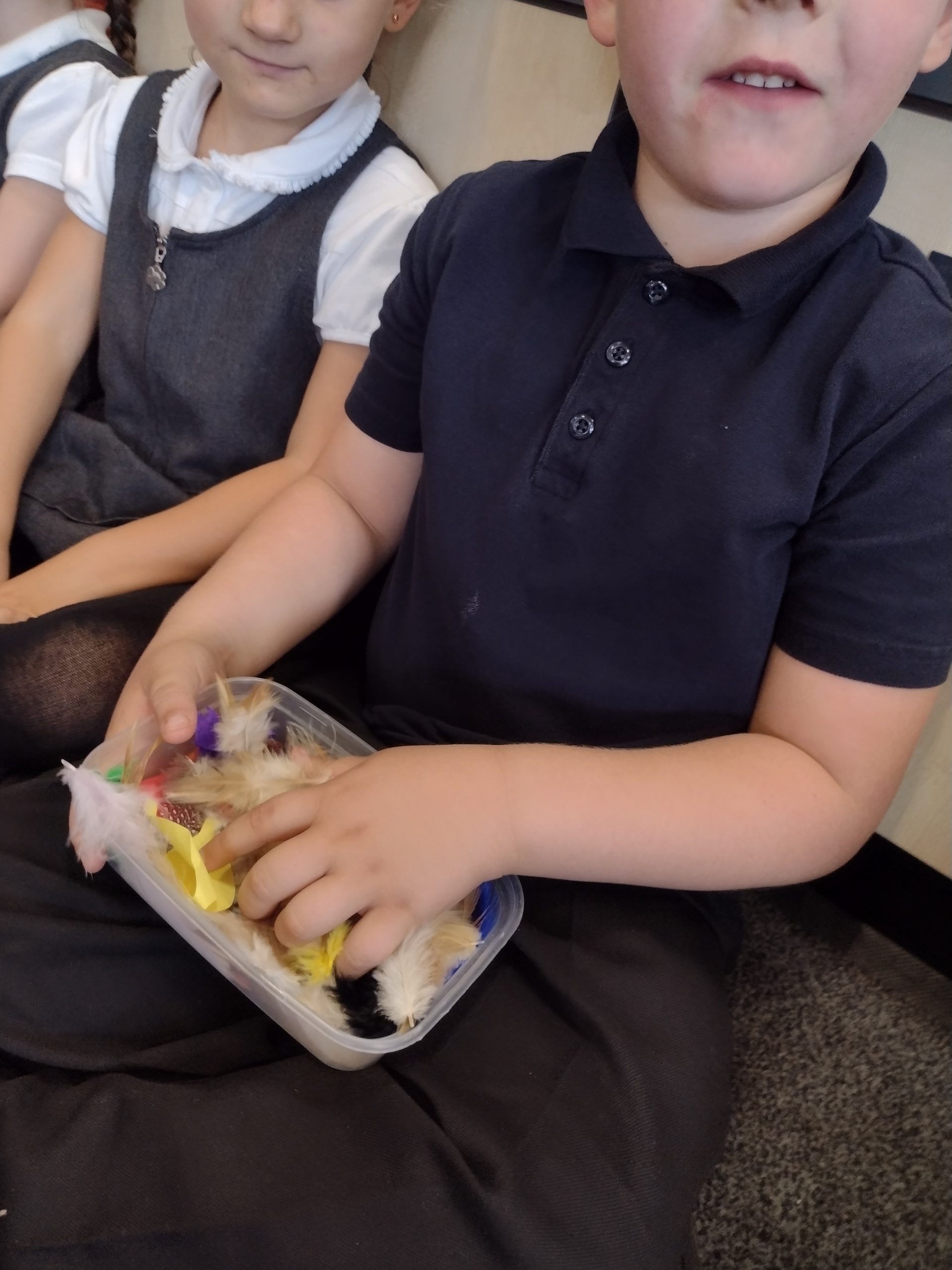
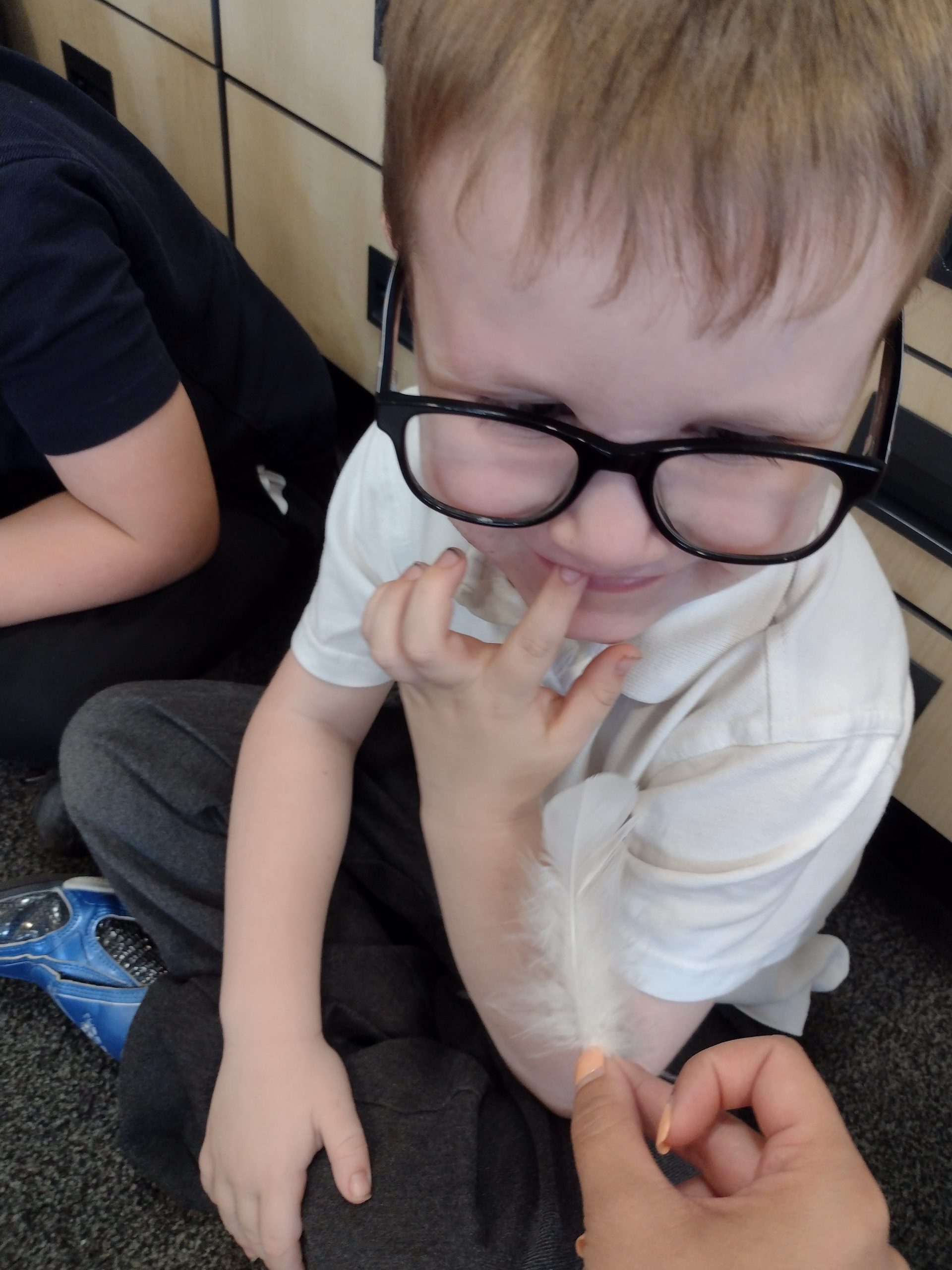
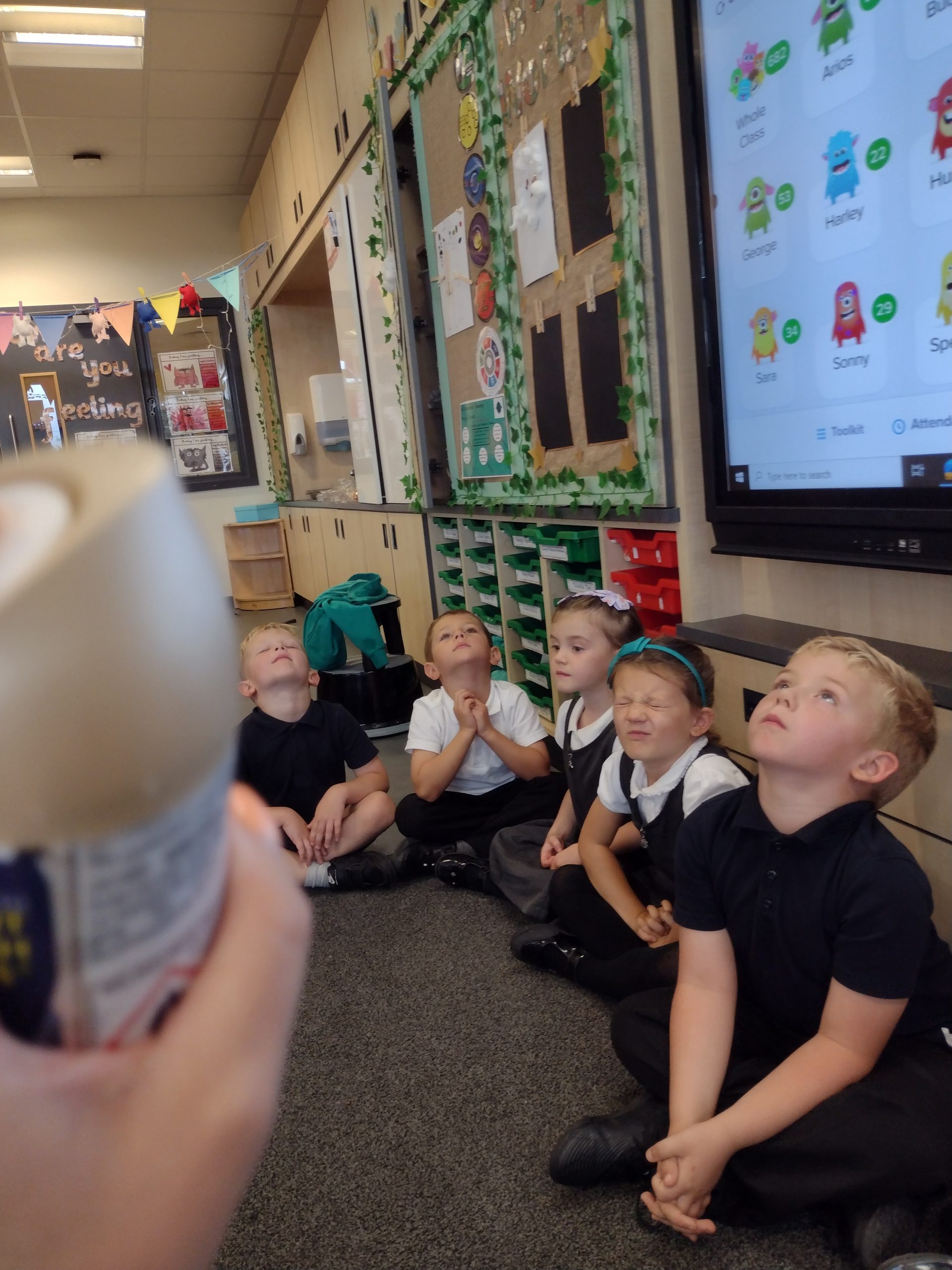
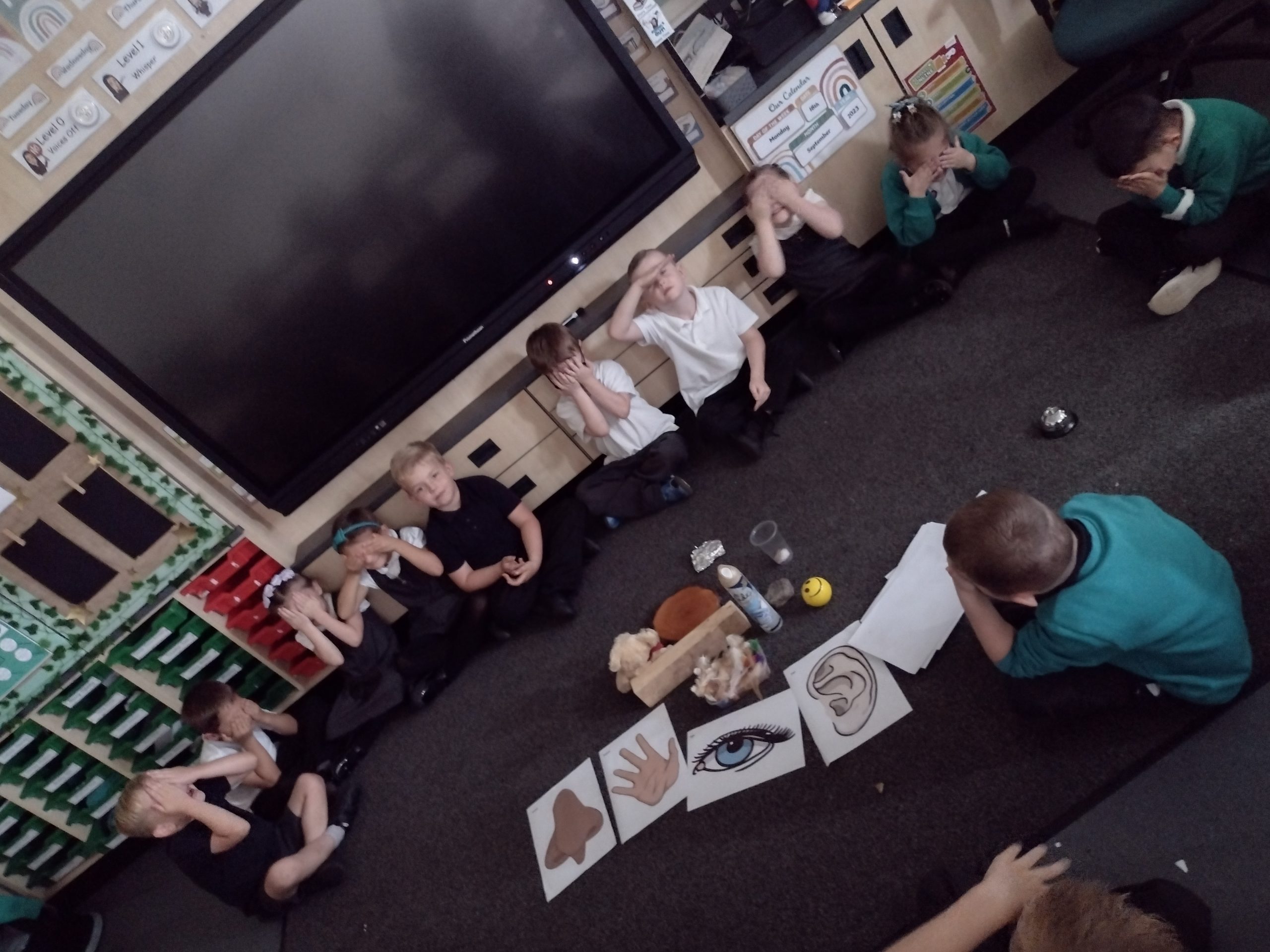
To explore our 5 senses we explored each one carefully. We first started with touch.

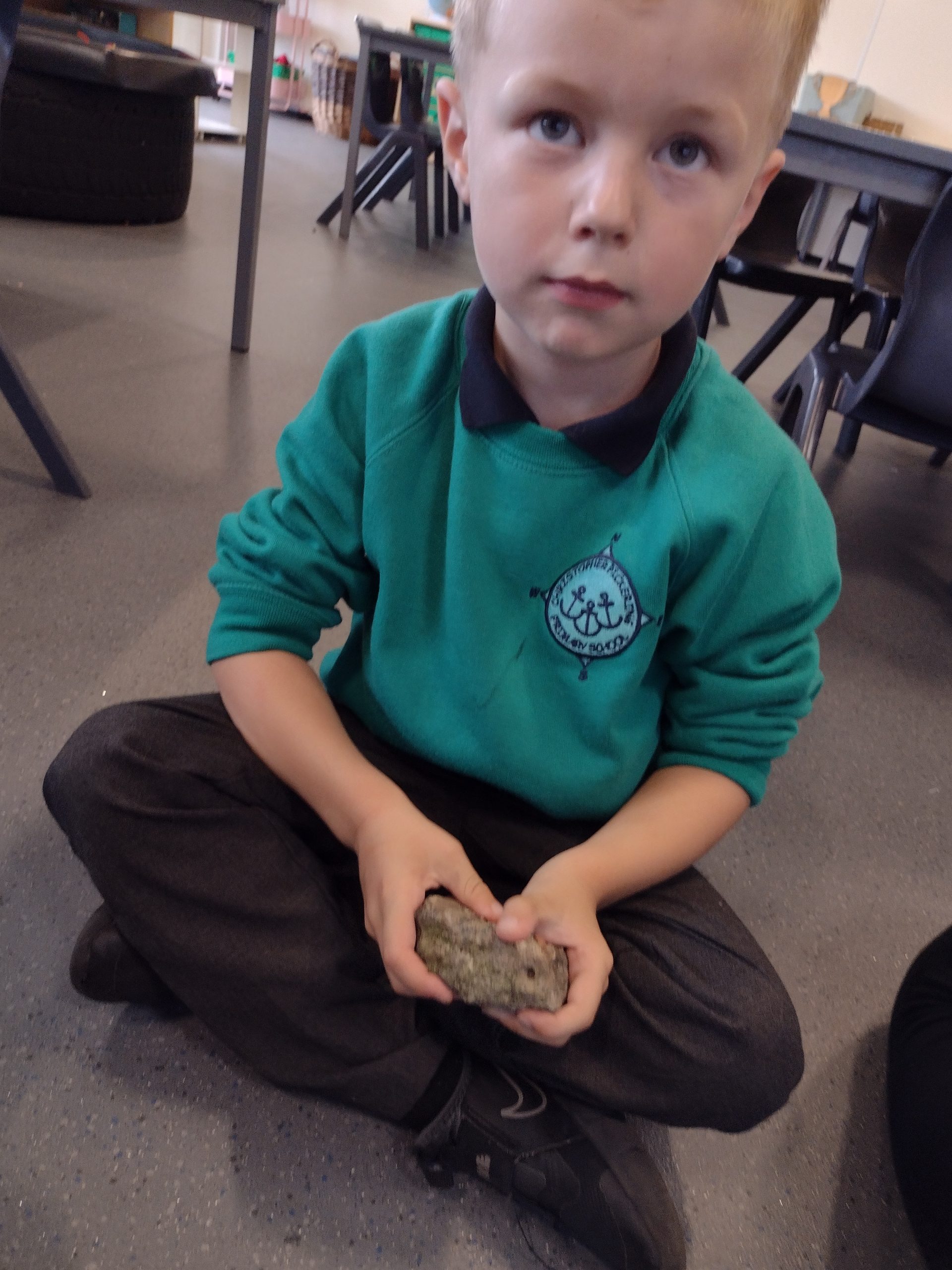
The children first discussed that we use our hands to tell if something is soft, rough, smooth etc. To explore this we passed round different objects.


I then asked the question “Can we only feel with our hands?”. A lot of the children first agreed and said yes. Then we discovered that you can still tell if something is soft/rough if it touches your skin on your arm/leg.

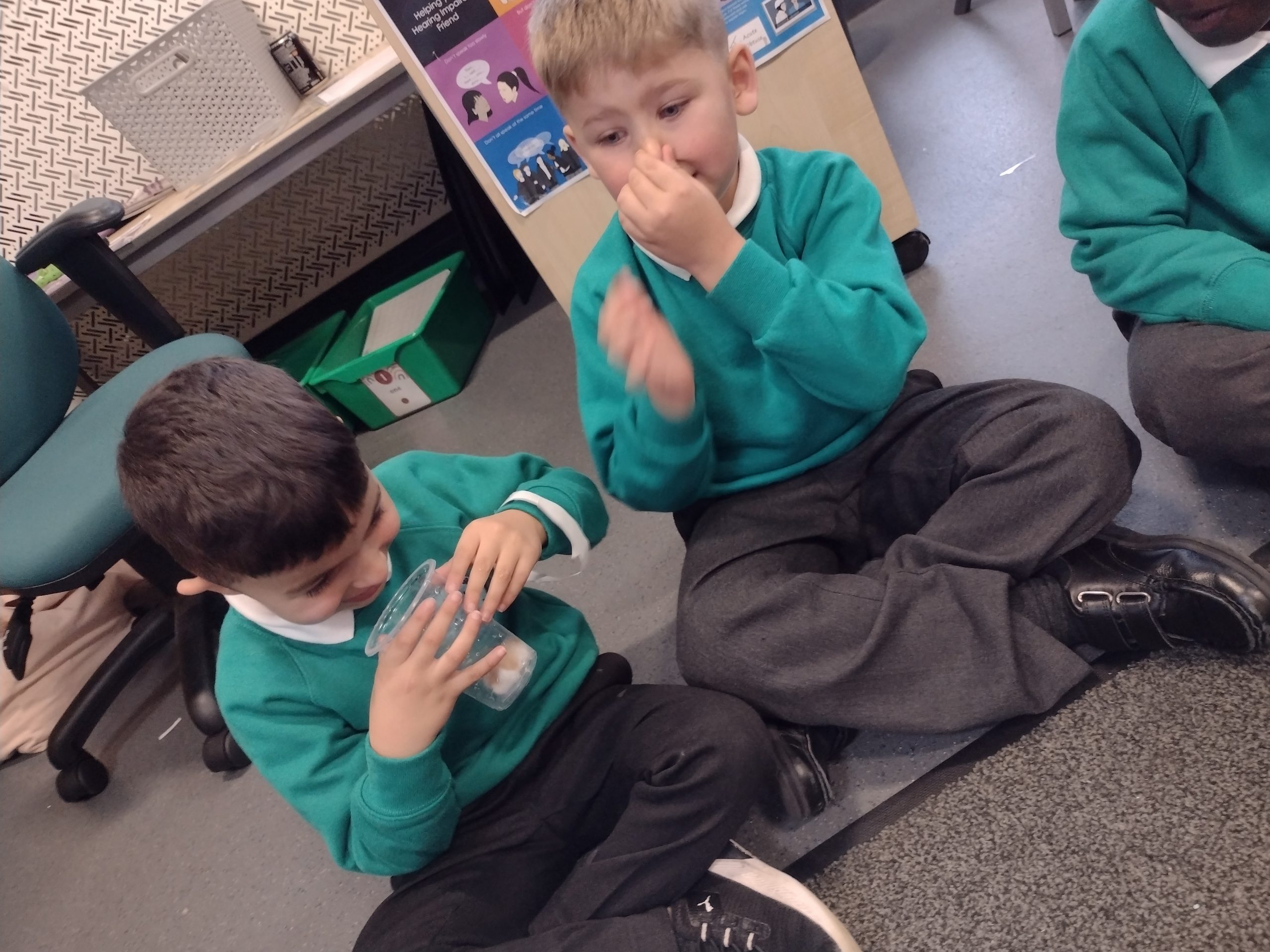
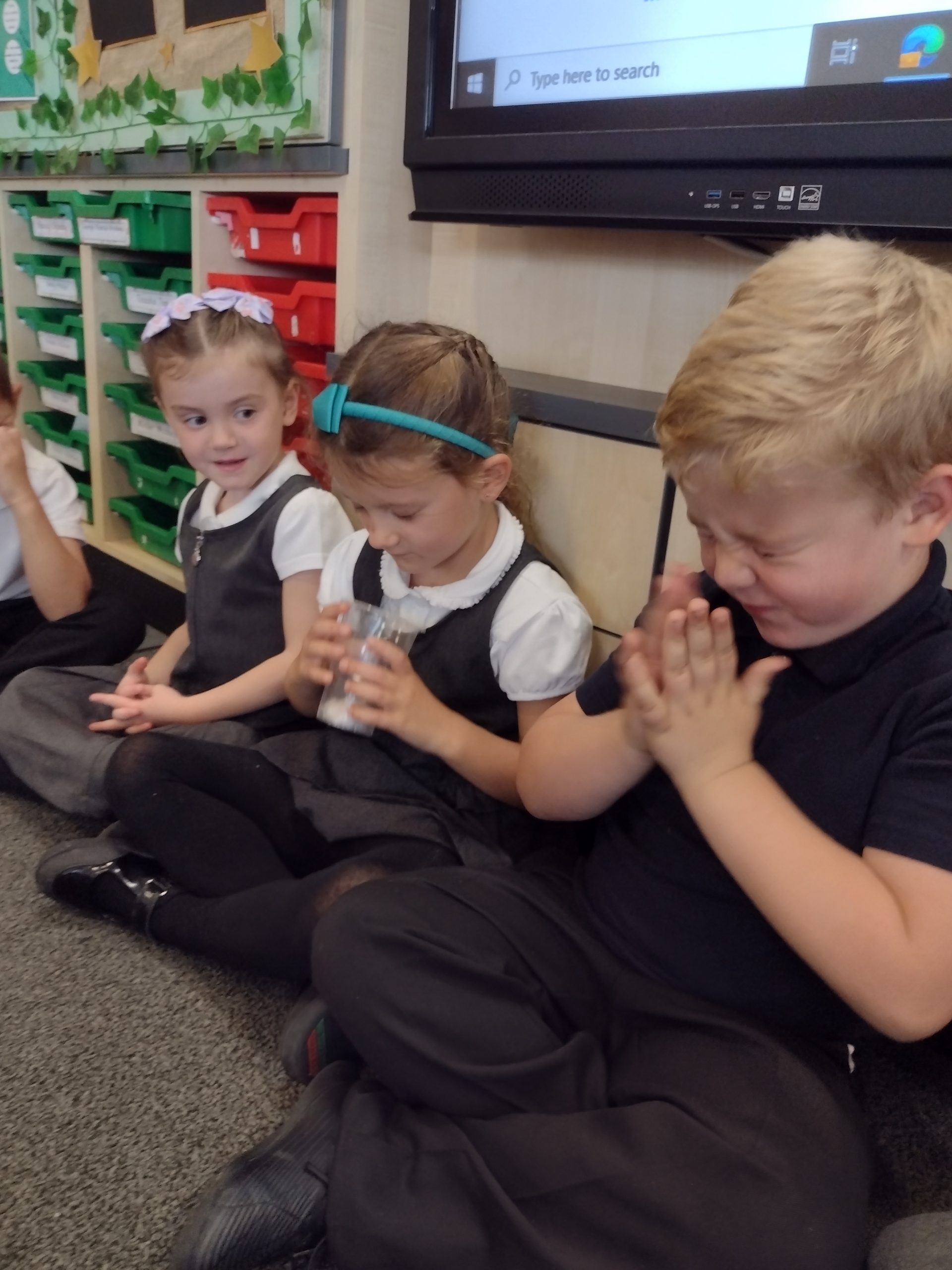
Smell

We then explored our sense of smell. The children could identify that we use our nose to smell.

We smelled vinegar which some children said was disgusting but most children loved the smell of the room air freshener.

Taste

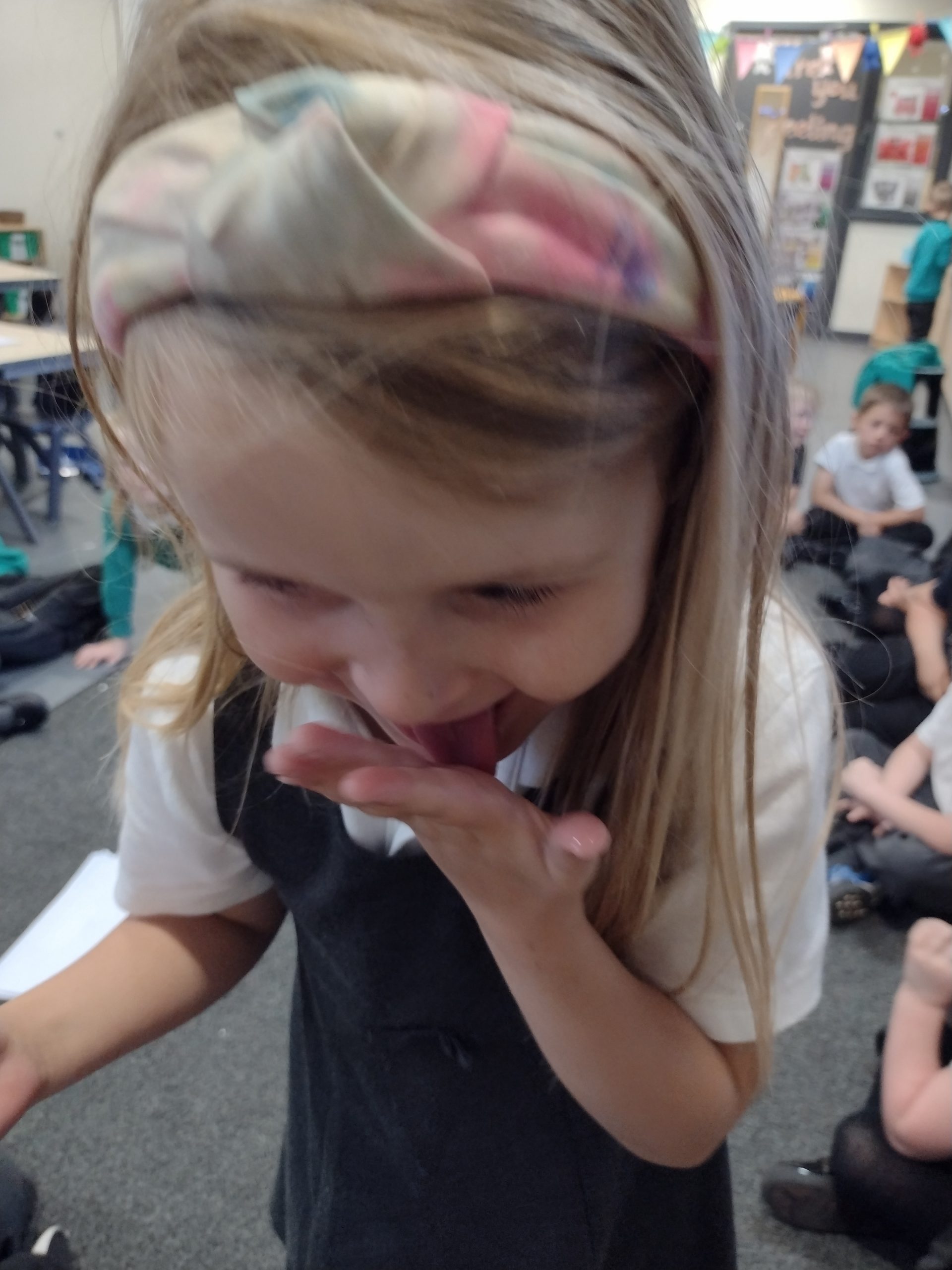
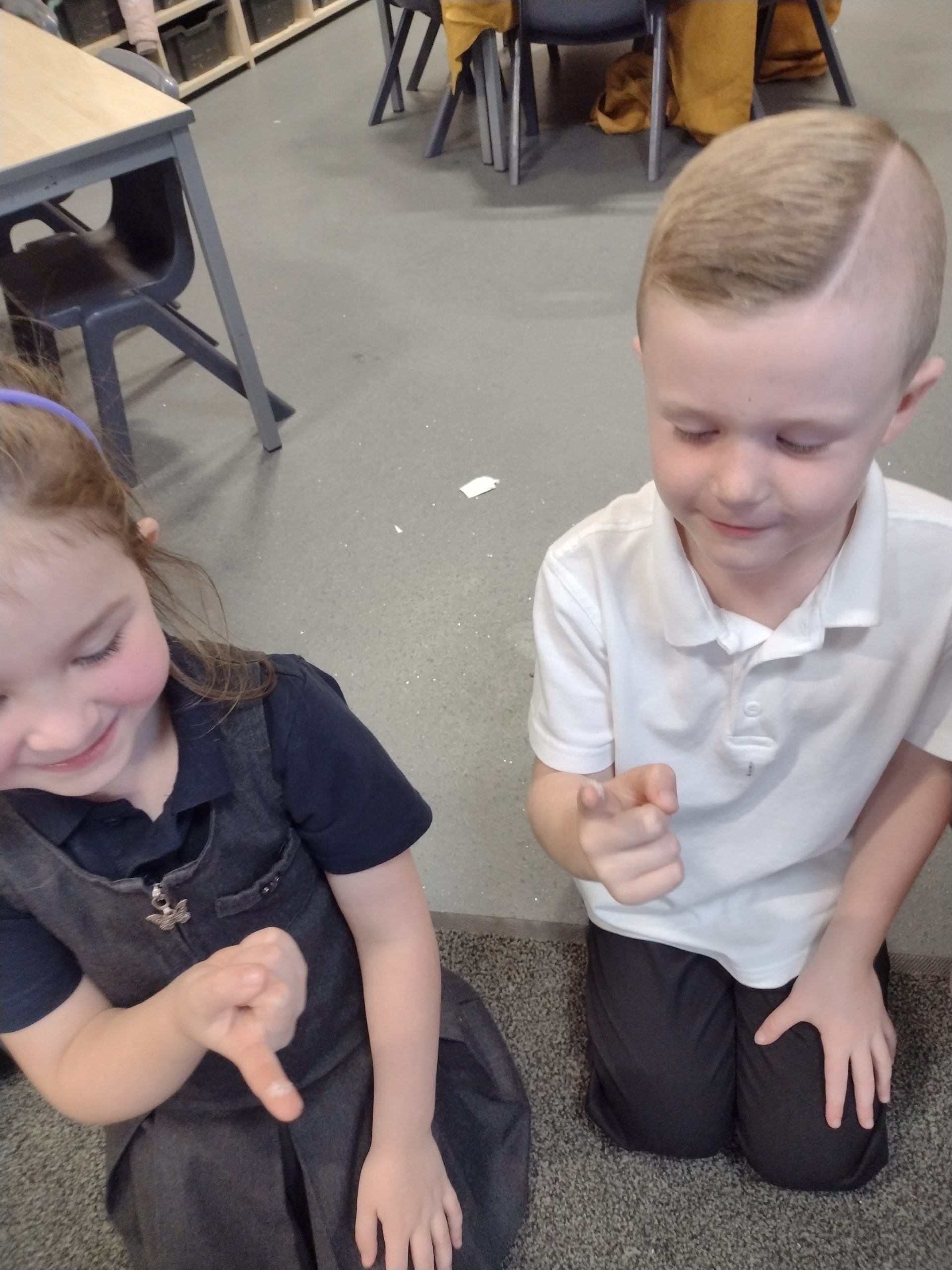
Next it was time to explore taste. We tasted salt and sugar first with our eyes open. We talked about how clever our tongue is and how everybody likes different things. We then did a comparative test to see if we closed our eyes, do our taste buds grow stronger? Some children agreed it did, but some said it tasted the same.


Sight

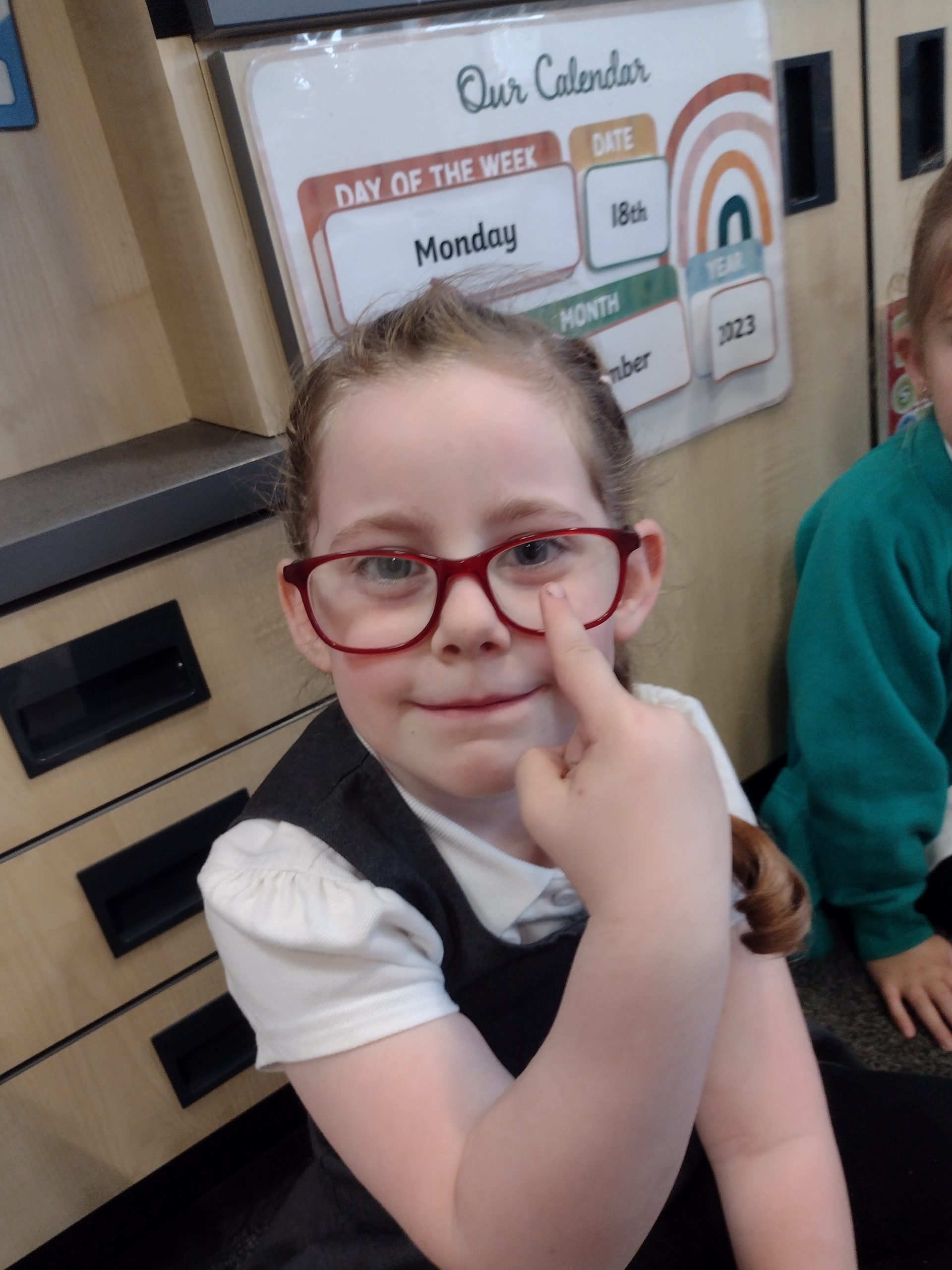
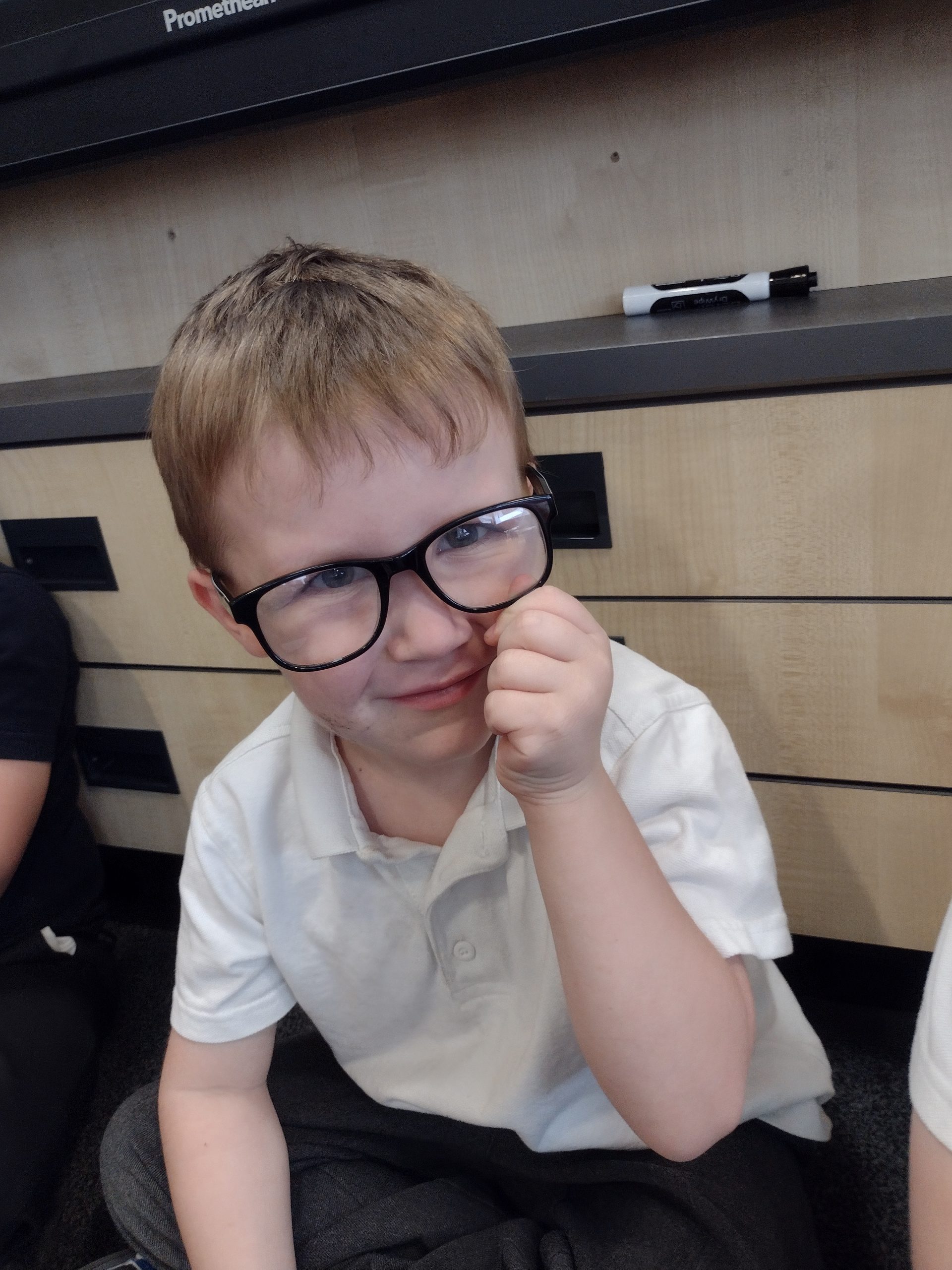
The fourth sense we investigated was sight. We discussed how some people may need help with their vision and that is why people might wear glasses. The children in the class were very excited to show off their glasses to the class.


Eyes help us to see the world around us. We played a quick game of classroom eye spy!

We then turned all the lights off in the classroom and shut all the blinds to see how amazing our eyes are at adjusting to the dark.

Hearing

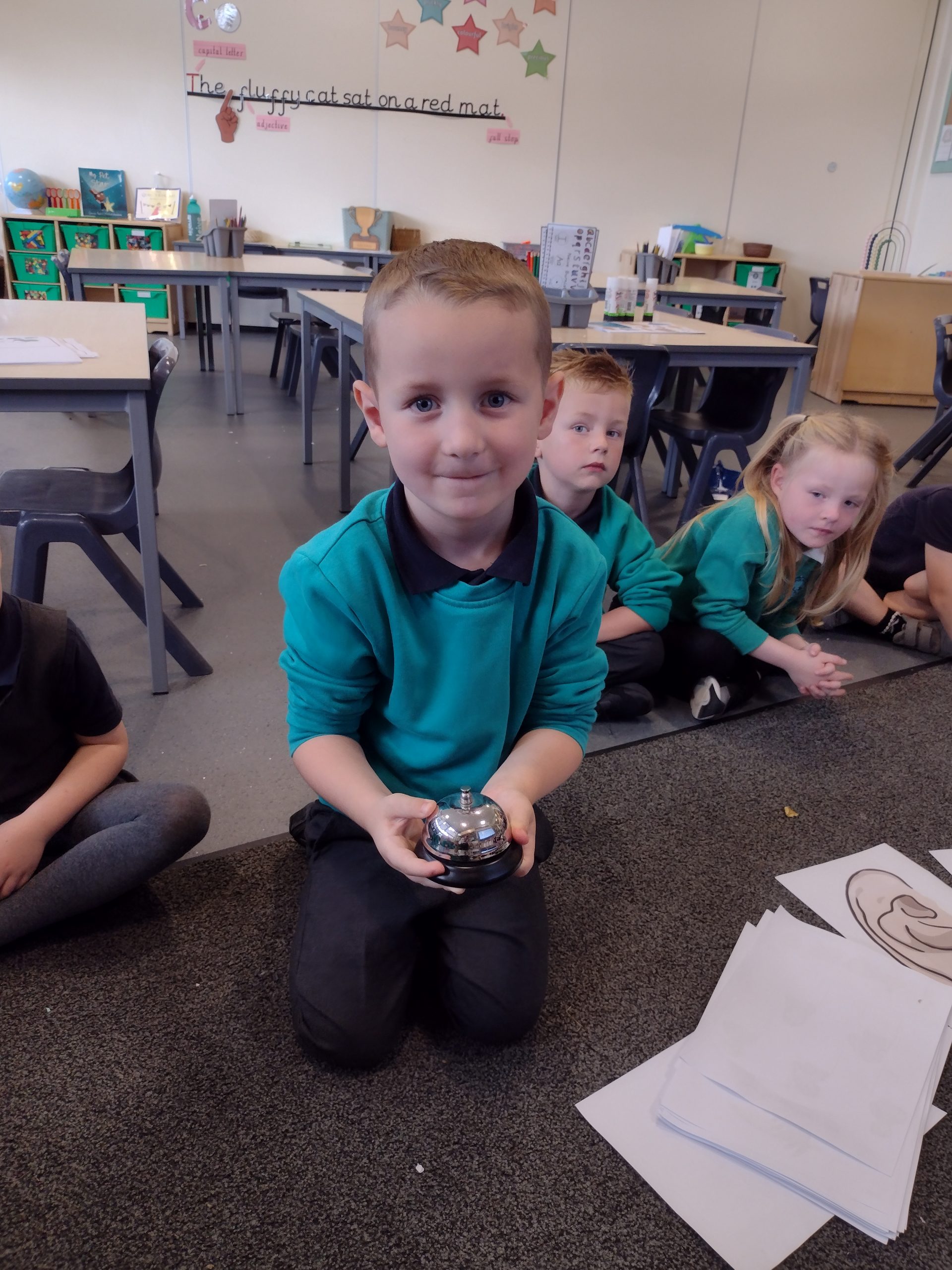
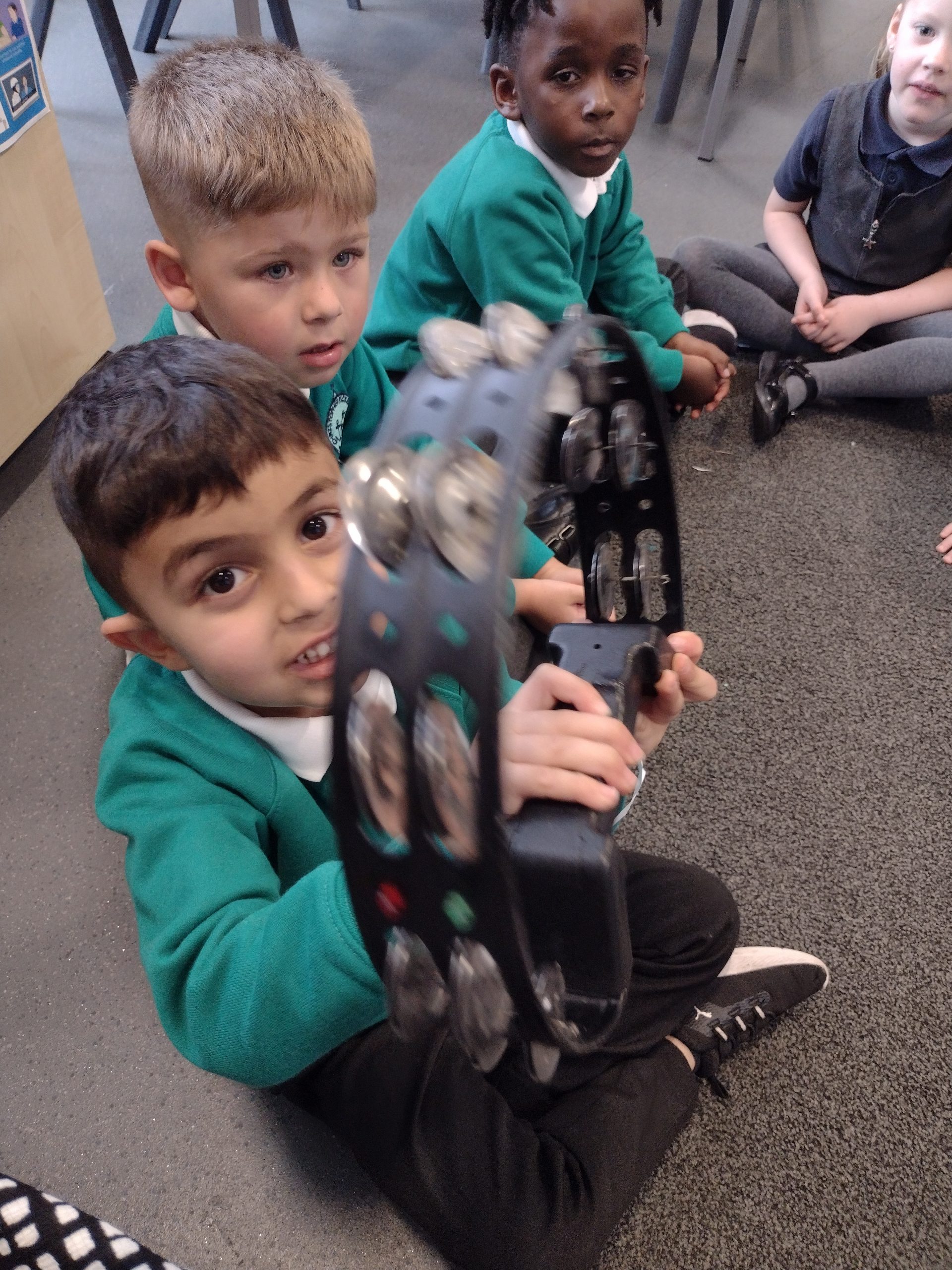
The final sense we explored was hearing. The children knew we used our ears to hear and that just like sight, some people may need extra help so that they can hear. We discussed all the different things we use in school that we listen and respond to everyday!


What are bodies and what can they do?

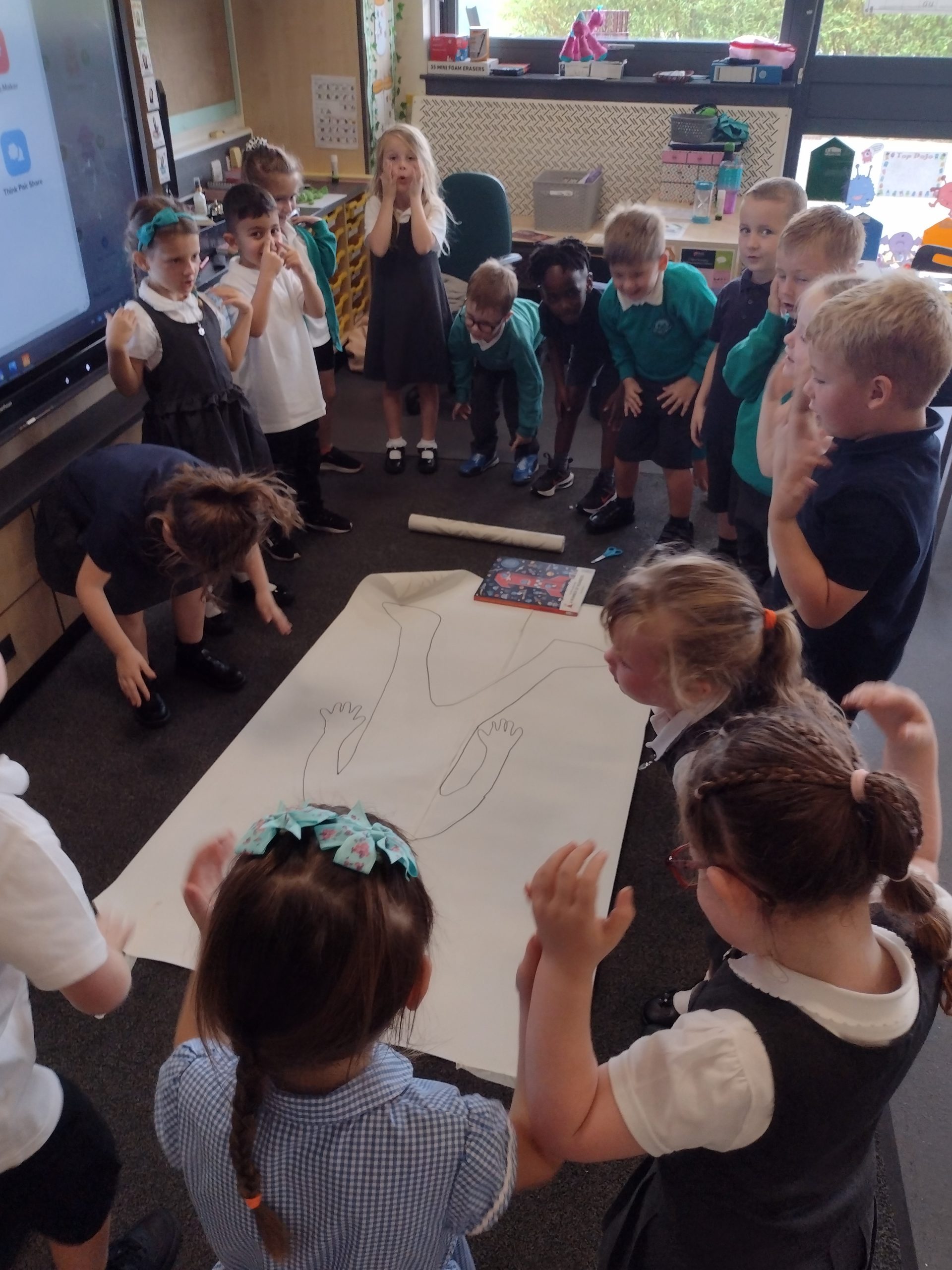
Our first lesson of the unit ‘animals including humans’ we focused on the enquiry ‘What are bodies and what can they do?’.

To start our lesson we sang the song ‘head, shoulders, knees and toes‘.

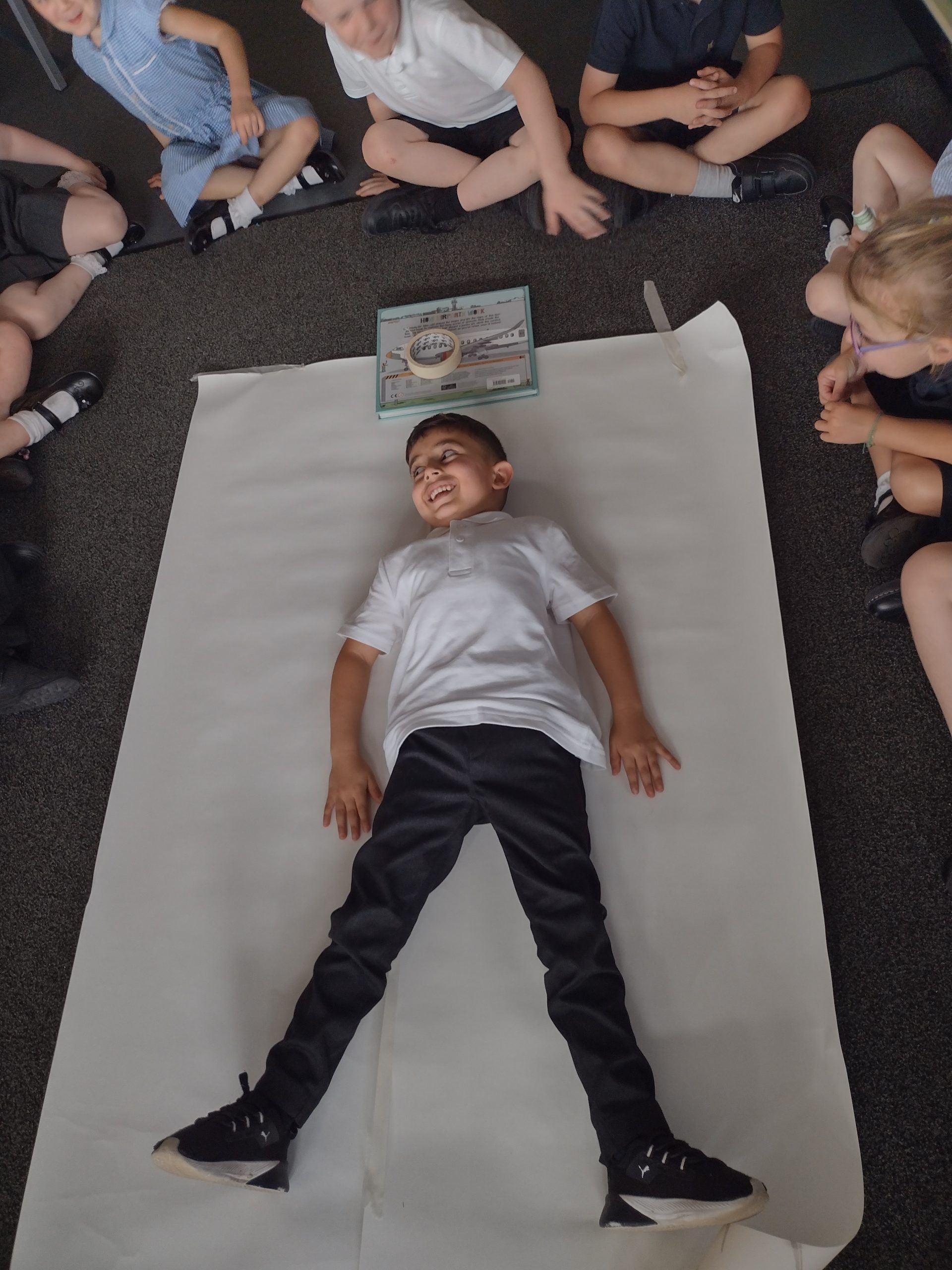
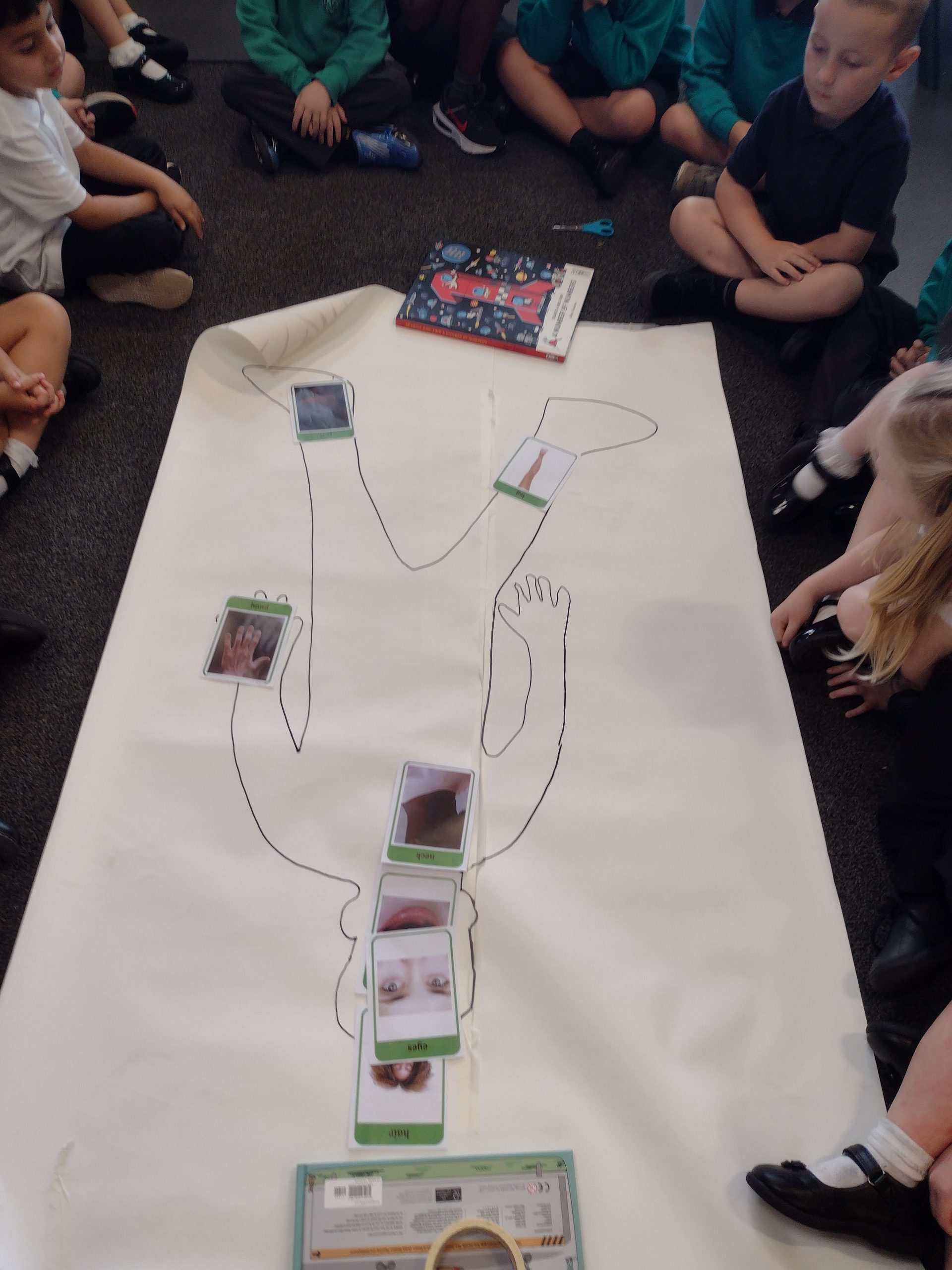
We then drew round Arios so we could then label human body parts. We had lots of fun!

Here are what some of the children said:

“We have a heart to pump blood around our body“- Buddy

“We have eyes so we can see“- Jessica

“We have a skeleton which is made of bones to make sure we do not look like jelly”- Neive

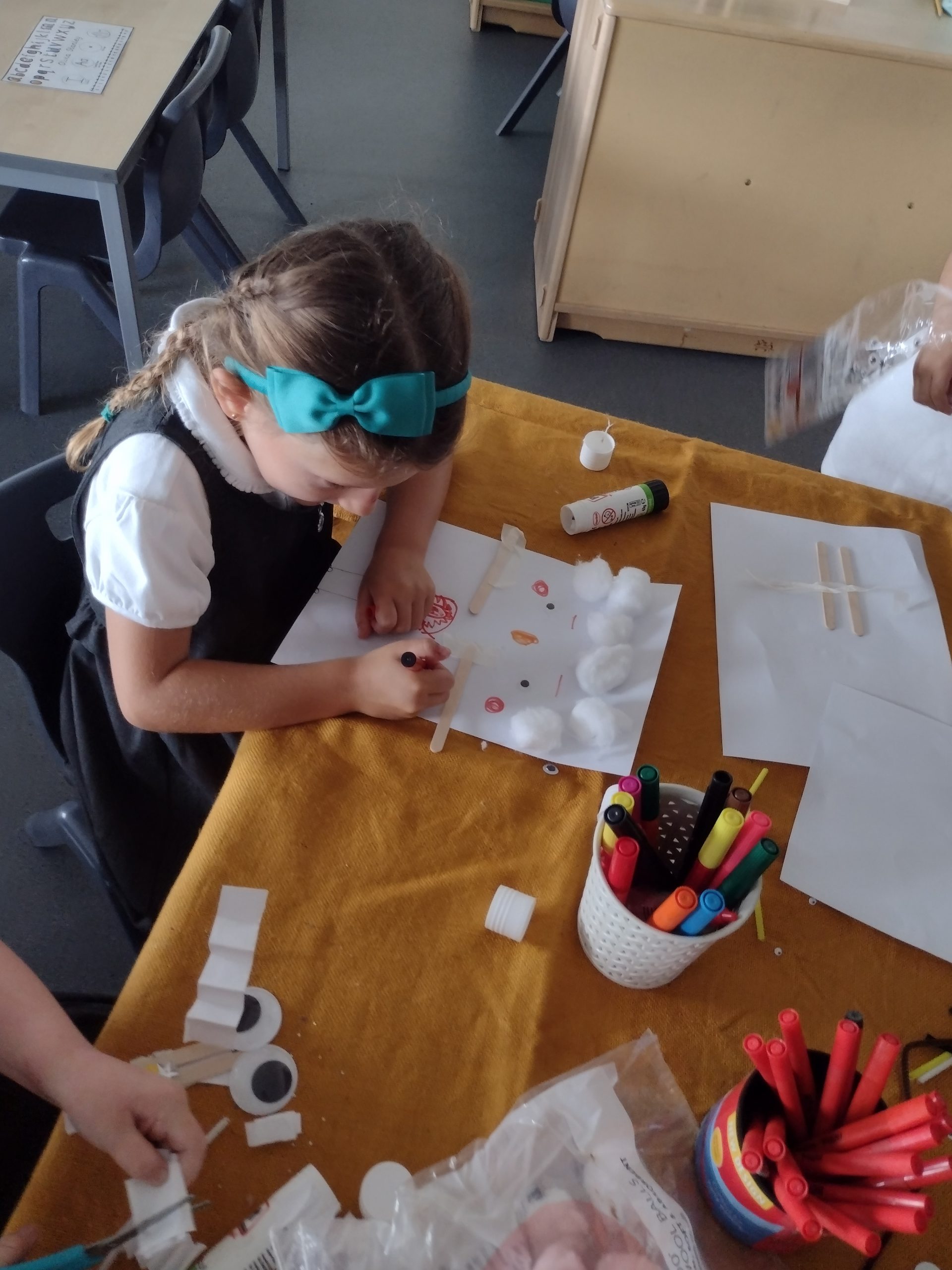
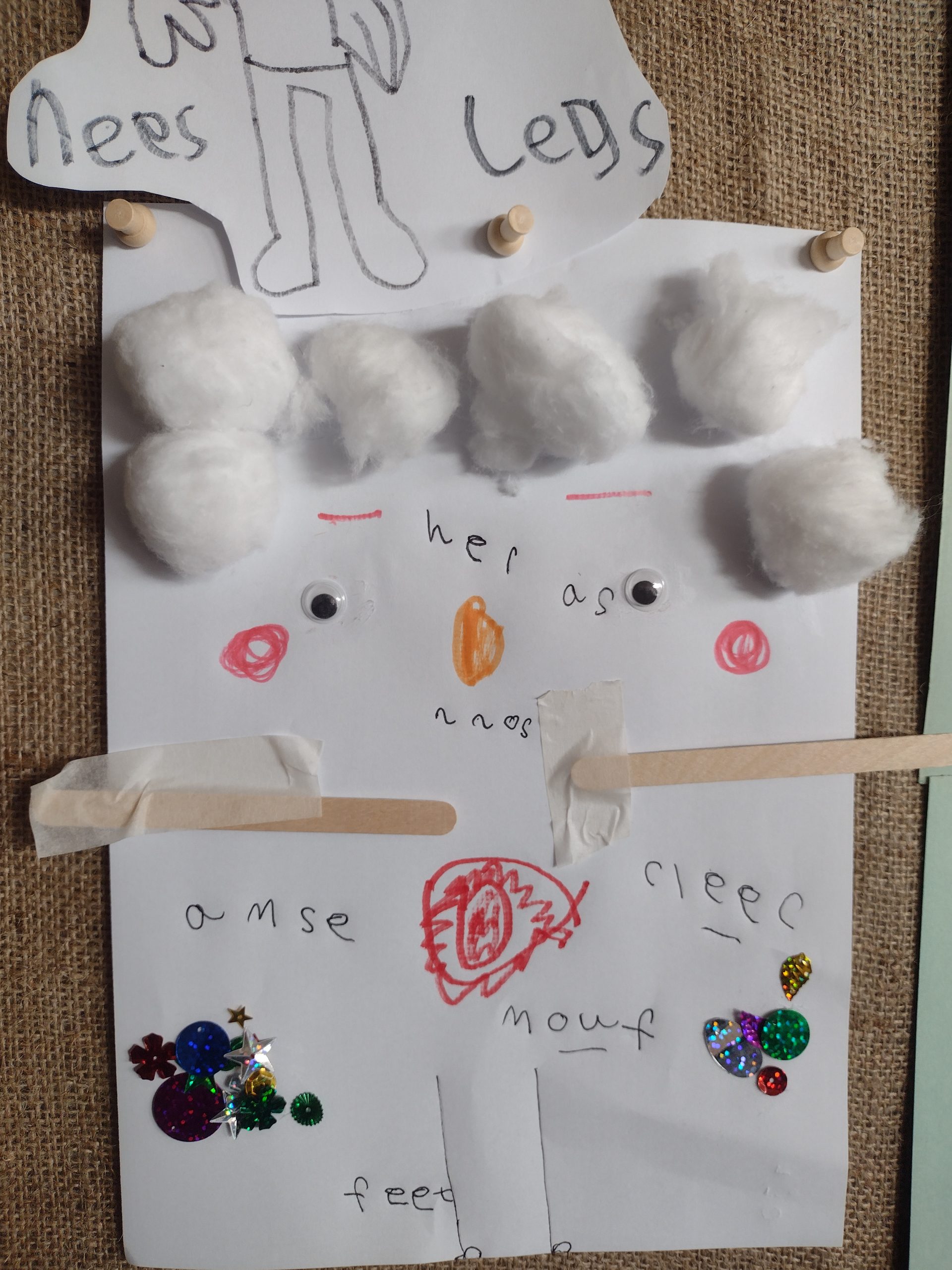
We then continued our learning through our continuous provision. We made and labelled the human body for our science working wall.

Here was one Olivia made!

The Science of Sound: String Phones!

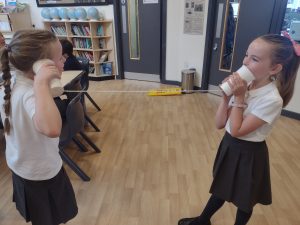
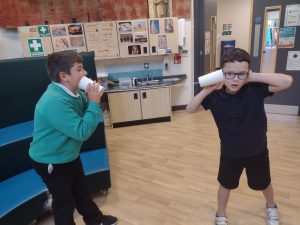
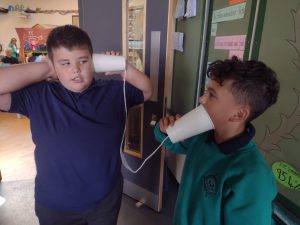
In this half term, Year 4 are exploring the science of sound. Today’s experiment was a pattern seeking investigation using string telephones. Children had to explore how these basic items were able to transmit sound effectively. They tried them in a number of different ways. Our main finding was that the string had to be a straight continuous connection between the to cups and as a class we decided on the following ‘er’ sentences:

“The tighter the string, the clearer the sound”

Who is Jane Goodhall?

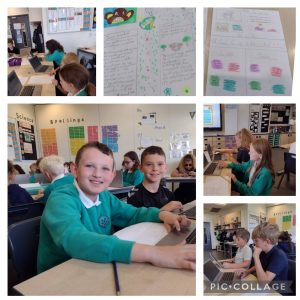
Year 5 learnt all about the famous scientist, Jane Goodhall. We learnt that she is a British scientist who has studied chimpanzees for many years. She is considered to be the world expert on chimpanzees and their behaviour!

The children then used their research skills, along with the information they learnt, to create a poster all about Jane Goodhall. Here are some of our creations!

.

New Visitors!

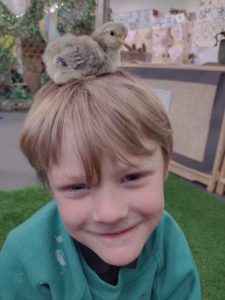
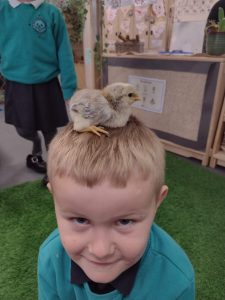
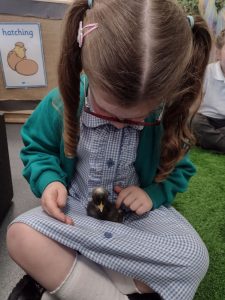
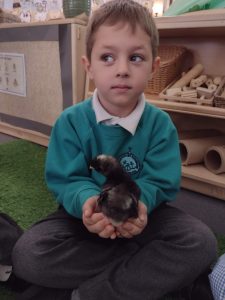
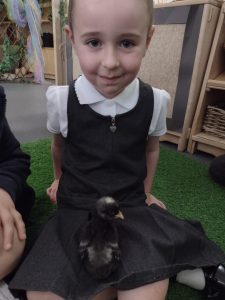
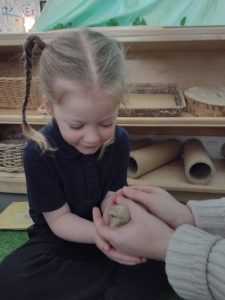
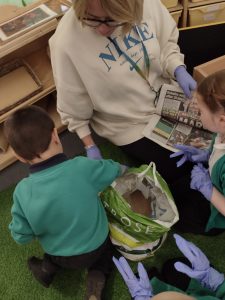
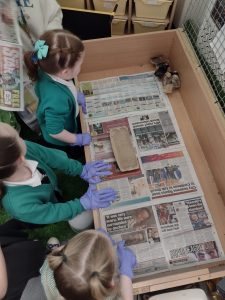
Here in F2 we have some lovely new visitors staying with us over the next couple of weeks! Meet… THE CHICKS! 

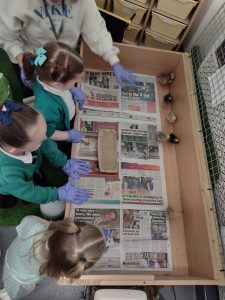
We were very lucky to see seven of our Chicken eggs hatch from our incubator and have had such a great time watching them grow over the last few days and start to gain their adult feathers! We have loved taking care of our chicks, and now they’re getting a bit bigger they are definitely eating and pooing a lot more!!!!
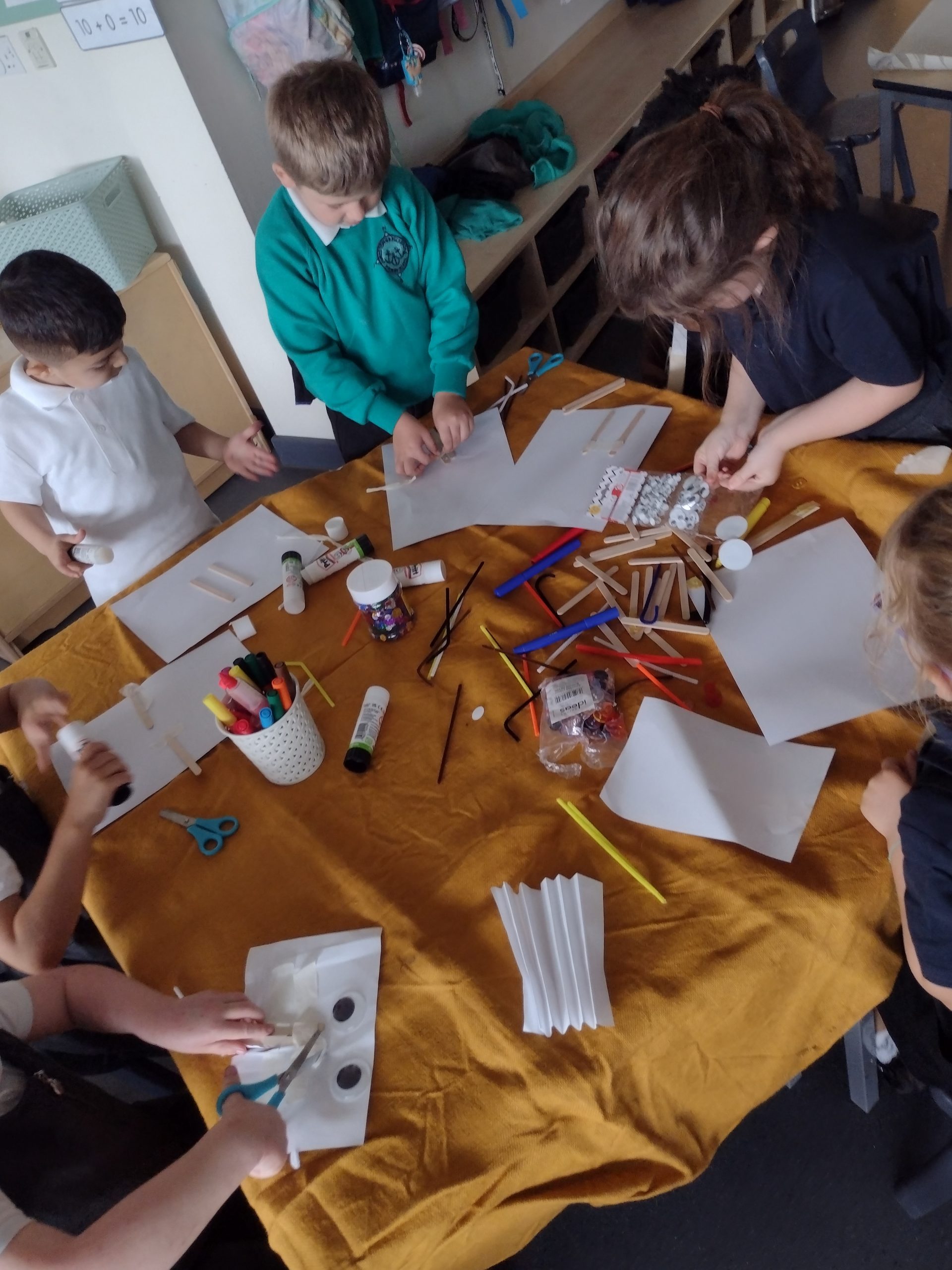
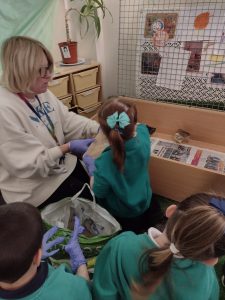
We have been changing their bedding, making sure they have plenty of food and water and giving them lots of cuddles! We have talked and discussed about what these baby chicks need to grow bigger and stronger and what will start to happen as they grow into hens or cockerels. We have also learnt lots of interesting facts about our chickens and how intelligent they really are! Did you know they blink the opposite way to us to protect their eyes from dust and sand coming up?
We are hoping to see them get a lot bigger in the next few weeks before Grandad Chicken returns to collect them and take them back to their farm!

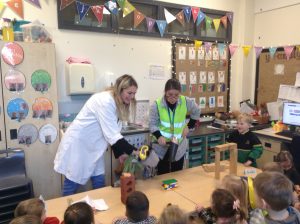
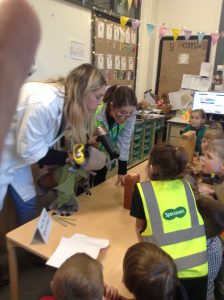
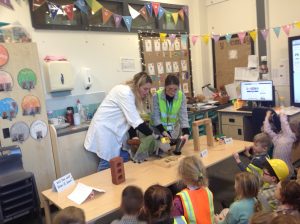
Purple Pig Farm Visit

Thank you so much to Purple Pig Farm for teaching us how to handle and care for all the animals today.

This is such a treat for us to look forward to as we all love our animals.

We have such kind caring natures and hands!


Tales Toolkit

We were able to discuss and sequence events of our story of ‘The Very Hungry Caterpillar’ using Tales Toolkit.

Tales Toolkit is a framework for storytelling which is accessible for all our little treasures. The framework using clear symbols displaying character, setting, problem and solution allows us to be fully engaged in storytelling from start to finish. We used extra props and visuals to aide the sequence of events.

Our little treasures were able to identify that the caterpillar came first and the butterfly at the end. With support and help from their classroom environment they were able to count and sequence some of the food that the hungry caterpillar ate.