3-D shapes

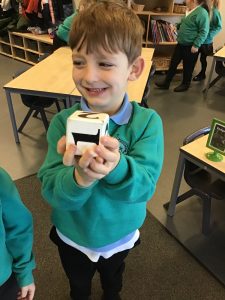
This week in math, year 1 have been looking at 3-D shapes.

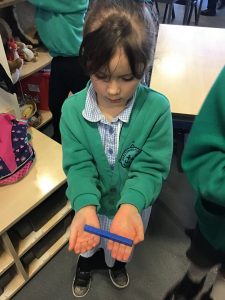
We have looked at lots of shapes including spheres, cubes, pyramids, cuboids, cones and cylinder. We looked carefully at these shapes and got to hold them to look more closely.

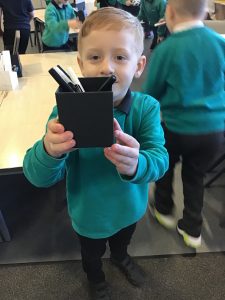
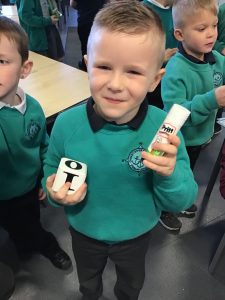
We did a 3-D shape hunt around the classroom and found lots of the 3-D shapes in the things we use.

The glue sticks are the shape of a cylinder, rubbers are the shape of a cuboid and our pencil boxes are the shape of a cube as well at lots more.

We have really enjoyed finding 3-D shapes around the classroom. Some children went home and found more around their home. They found that boxes of cereal are a cuboid and oranges are a sphere.

Well done year 1!
Nursery Rhymes

This week in year 1 during our music lesson we got the chance to talk about our favourite nursery rhymes.

We know lots of nursery rhymes, some of our favourites are ‘Ba ba black sheep’, ‘Twinkle twinkle little star’, ‘Wind the bobbin up’ and ‘Humpty Dumpty’ to name a few.

We had the chance to listen to lots of nursery rhymes and we appraised the music in them. We liked how the music in the nursery rhymes was ‘soft‘ and ‘gentle‘ and our voices were soft and gentle too to match the music.

We really enjoyed performing our favourite nursery rhymes and can’t wait for our next music lesson!

IMG_6755[1]

IMG_6756[1]

deserts

As geographers this week, year 1 have been discovering facts about deserts.

Lots of year 1 thought that a desert had sand and it was always somewhere hot.

Did you know Antarctica is the worlds largest desert?

We found out that Antarctica is the coldest, windiest and driest place on earth.

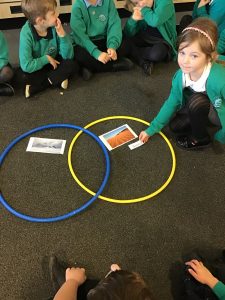
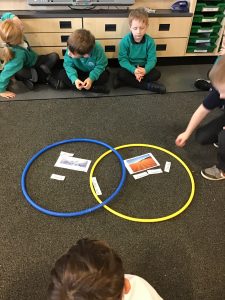
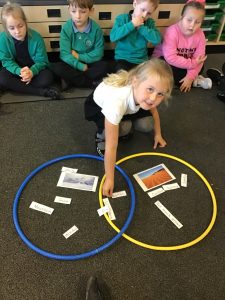
We looked at the Sahara desert  and compared it to Antarctica.

Year 1 completed a Venn diagram to identify the features of a hot desert and a cold desert. We found out that lots of things are the same in both deserts.

We had lots of discussion about what the deserts are like.

Phoebe thinks that neither of the deserts are nice as one is too hot and one is too cold.

Captain robert falcon scott

Year 1 have continued our topic on Antarctica this week in our history lesson.

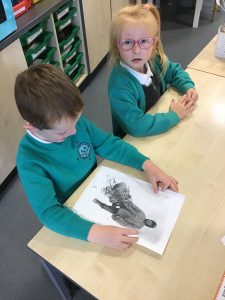
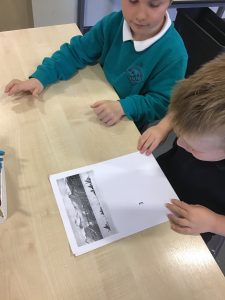
We have looked at lots of pictures from Captain Scott‘s expedition to Antarctica. We found out that Captain Scott was a significant person

We had a game of I spy to see what we could see. We saw big, warm coats and big sleighs.

We discovered that Captain Scott reached the South Pole on 17th January 1912 but he was not the first one to get there. A man called Roald Amundsen and his team had beaten him by only 34 days.

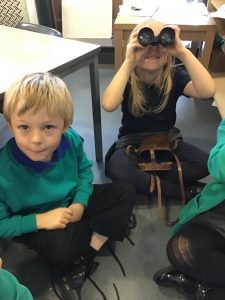
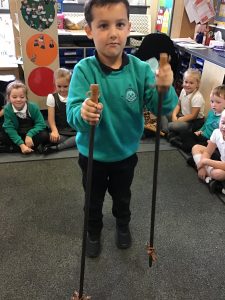
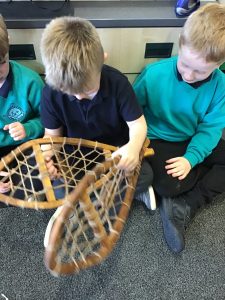
Year 1 were surprised to find out that Captain Scott needed lots of equipment to help him get to the South Pole. We got to look at snow shoes, ice picks and binoculars that are the same as Captain Scott would have used.

Isaac thought the shoes were a bit funny and that now we might use skis to get across Antarctica.


Large body parts

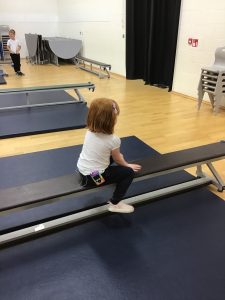
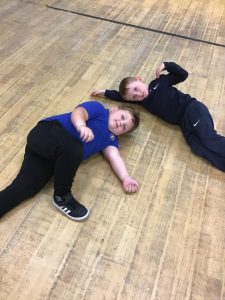
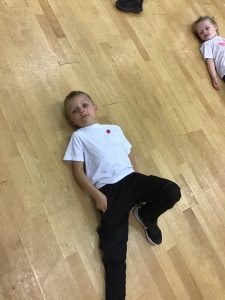
During our PE lessons in Year 1 we have been finding out which are our large body parts.

We found out our bottoms, back, sides and stomach were all the large parts of our body.

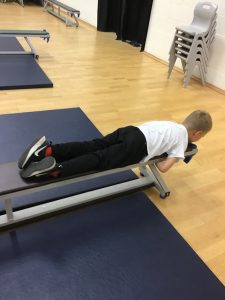
We had lots of fun moving around the hall using the different big parts of our bodies. Some of us shuffled on our bottoms, some of us wriggled on our stomachs or backs and some of us rolled using our stomach, side and back.

We also had a chance to move across equipment using our big body parts.

We moved across the benches carefully using only theses parts of our bodies. We watched each other and celebrated each others accomplishments as gymnasts as we reached the other end of the bench.

The seven continents

In Year 1, as geographers, we have been discussing the continent of Antarctica.

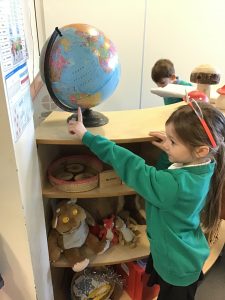
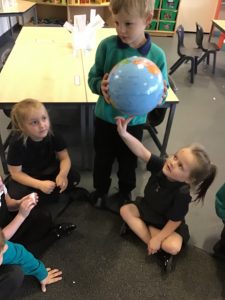
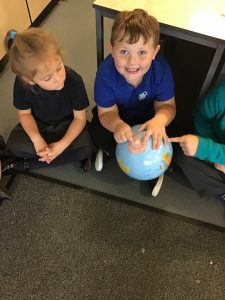
We found out that Antarctica is at the bottom of the world. We could identify it using the globes. We took it in turns to hold a globe up so our friends could find and point to the continent.

We also took it in turns to look closely at the globe and saw all of the different continents. We could all find Antarctica thanks to it’s other name ‘The South Pole’.

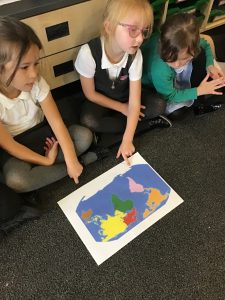
Once we could identify Antarctica on a globe we looked at different maps to locate the continent on them. We were all really good at identifying Antarctica as it is at the bottom and it is usually white.


Some of us were also able to identify the continent we live on as Europe. we could then find it on the map and globe and were able to show our friends where it is.

The children in Year 1 can name their continents and are very proud of showing everybody how good they are at recalling all 7 in size order.

IMG_5745[1]


Money

This week in Maths, Year 1 have been learning about money.

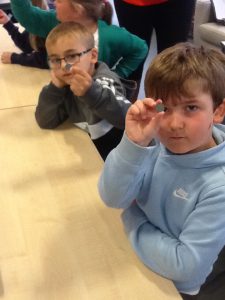
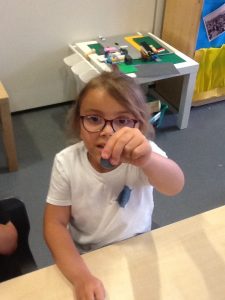
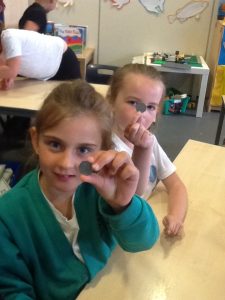
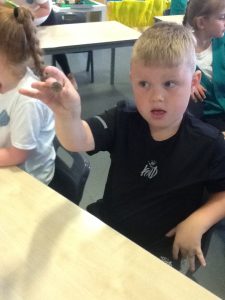
We looked at all the different coin and found out how much each one was worth.

We liked the £1 and £2 best as these were the shiniest.

We were able to tell that a 10p is the same as 10 1p’s and a £50 note is the same as 50 £1 coins.

We have also found out that we can use our times tables to help us count coins.

We counted in 2’s, 5’s and 10’s when using the 2p, 5p and 10p.

Year 1 are incredible!

In PSHCE this week, Year 1 have discussed what qualities each of us have.

We first got to tell Jigsaw Jack how special he is and what we thought he is good at.

Then, we talked about how good it feels when somebody tells you that you are good at something and how it’s also important to tell ourselves.

We found out that some of us are good friends, some of us are good at sports and some of us have special skills.

We listened as each member of the class told us why they are amazing.

We think our Year 1 children are just incredible!

Non-Chronological Reports

Year 1 are very excited to be learning about non-chronological reports over the next few weeks.

We have spent this week looking at the features and how they are set out.

We have discovered that non-chronological reports are non-fiction.

They have a title, an introduction, sub-headings, pictures and a conclusion.

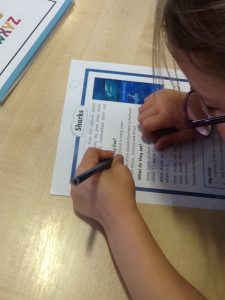
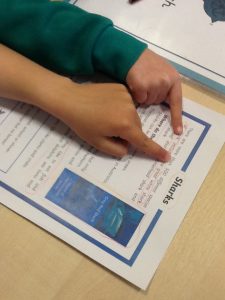
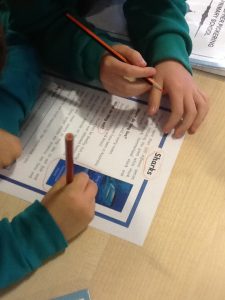
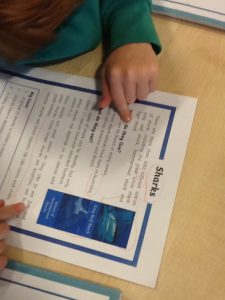
We learnt lots of facts about sharks this week and can not wait to write our own non-chronological reports!

Grouping and sharing

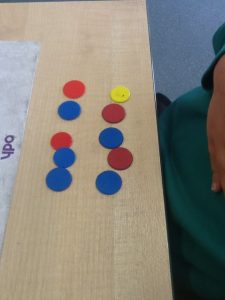
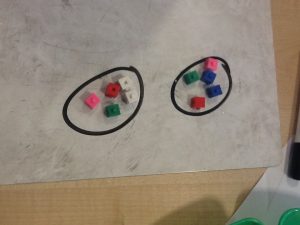
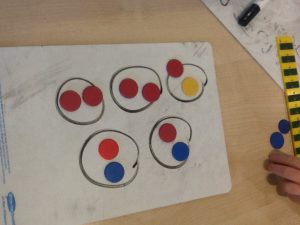
In Math this week Year 1 have been learning about grouping and sharing objects.

We started by discussing what a group was and what it looked like.

We then discussed what ‘equal‘ meant and decided for sharing to be fair that all groups needed to be equal.

We looked at how we could share objects between equal groups and had a go with different objects.

We then looked at how we could begin to share other things equally between different amounts of groups.