Year 5 Sirius Science Trip

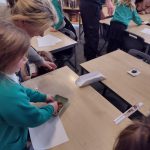
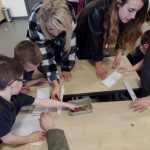
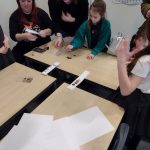
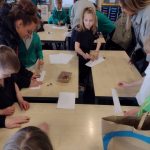
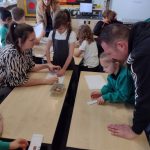
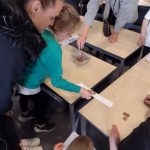
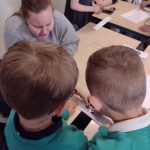
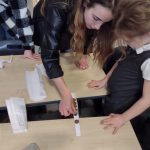
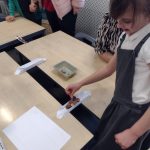
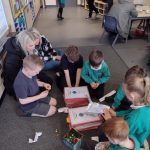
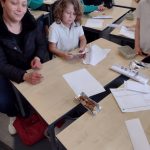
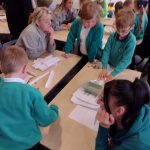
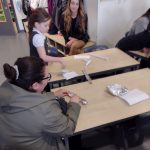
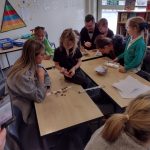
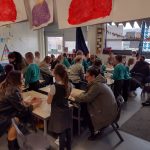
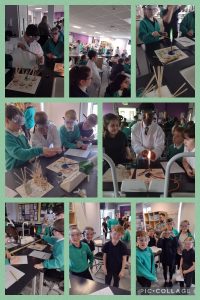
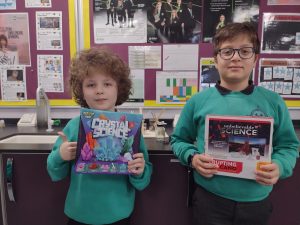
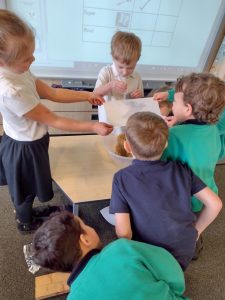
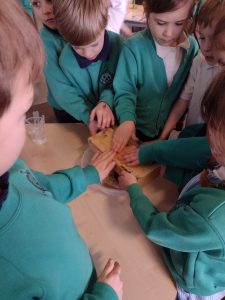
Year 5 had a brilliant afternoon at Sirius Academy West testing lots of chemicals to reveal their special colours! With this knowledge, the children also discussed how fireworks are made and which chemicals are used to create their colours.

Well done to our well deserved winners: Ethan Thomson and Hamdi Dogan! #ScienceWeek

Forest School Fun!

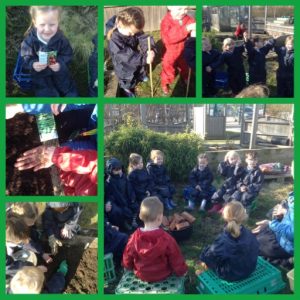
The sun shone for ‘Forest School’ this week as we had great fun in our first session back!

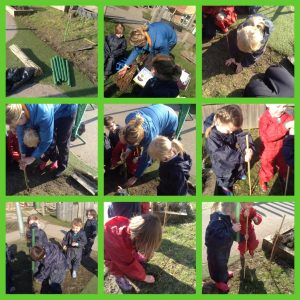
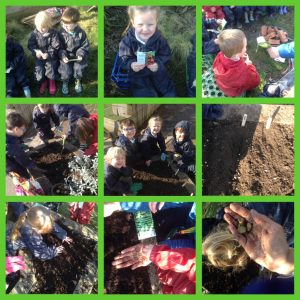
We loved getting our hands dirty and muddy planting and sowing seeds in our outdoor area! We talked about good places to plant seeds and the things they needed to grow. We looked at lots of different texts about Spring and looked out for signs all around us as we planted ready for Summer. This week in Literacy we have been reading ‘Oliver’s Vegetables‘ so we used our knowledge to plant our very own carrots, peas, broad-beans, beetroot and sunflowers! We discussed what we thought might happen to them over the coming weeks and how we would care for them. We had a go at pretending to be sunflowers ourselves, starting as a small seed and shooting up tall with our hands as wide as leaves!

We also had great fun planting some trees, ready to expand our outdoor forest area! We loved finding out about different types of trees, Birch and Oak, and talked about the roots and the very important job they do!

We loved getting physical using trowels, spades and rakes and loved coming together to work as a team!


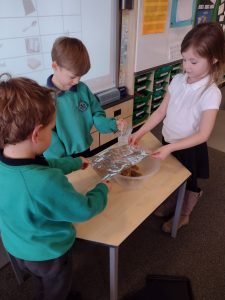
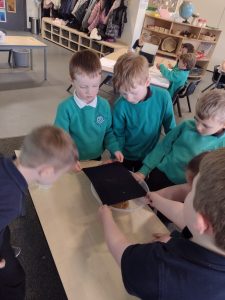
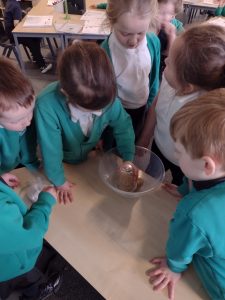
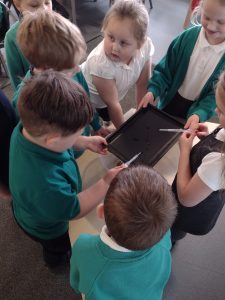
As scientists this week, Year 1 have been carrying out comparative tests to identify which materials are the most suitable to make a waterproof hat for Barney the Bear.

We begun by discussing which materials we though would be waterproof. Lots of us though tin foil, plastic and wood were going to not let water through them.

We recorded our predictions on a table before we carried out a fair test.

First we put Barney in a bowl, then we held materials above his head and put water on them with a pipette. We observed what happened to the water once it was on the material. Some materials soaked up the water and we knew this meant they weren’t waterproof. Other materials just made the water run off and we knew these were waterproof.

Lots of us were surprised that the wood was not waterproof. the water soaked in to the wood.

We observed very closely how the water soaked into the material and paper and how the water just sat in a puddle on top of the metal, plastic and tin foil.

We decided that Barneys hat should be made of plastic as this was the softest of the waterproof materials. We though wood would be too heavy and the tin foil would be very noisy in the rain.

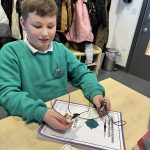
In Y6 this afternoon we revisited Electricity that we learned about in Y4.

We took part in a quiz and got to grips with all the specific vocabulary – we remembered that an insulator blocks the flow of electricity and a conductor can transmit electricity.

We looked at a variety of electrical components and had a go at building circuits – we quickly remembered that the circuit needed to be continuous and could not have any breaks in it. We were able to make circuits that included bulbs, switches and buzzers!

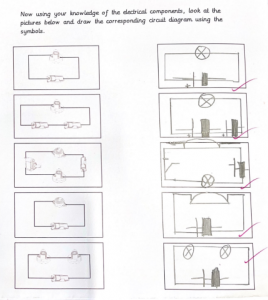
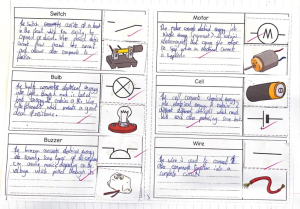
We then matched the component to the corresponding symbol and described what its function was. We then applied our new knowledge to draw circuit diagrams using the correct symbol.

Building a boat

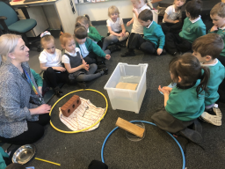
The F2 scientists have been busy again. This time, deciding on the right material for building the three little pigs a boat. The children thought about what a boat needed to be good at – floating. They then tested the materials to see which floated. They learnt lots of new words and had a great time exploring the materials and investigating them.

Take a look at the blog here

Floating sinking Blog

After looking at different uses for materials last week some children were discussing which materials were best for outdoor seating. we decided to use this conversation to create an investigation. Children thought about their prior learning of material properties and uses to make a prediction about which material would be best suited to make an outdoor bench.

Children drew a scientific diagram of there equipment before testing four different materials for strength by adding weight and pressure to each one. They then poured water over each material to see what happened when the material got wet. We then tested the strength of each material again.

Children then wrote about their findings. Some children discovered that metal was the best material whilst others though plastic was a good alternative.

There were lots of discussions about all of the materials. A great afternoon for our scientists in Year 2!

Exploring Gears in Year 5

In Science, Year 5 have have been exploring different types of mechanisms including gears.

Gears work when the teeth of one gear mesh with another.

When you mesh, two gears, the driver gear makes the follower gear turn in the opposite direction.

If you use a small gear to drive a large gear, the large one will turn slower.

If you use a large gear to drive a small gear, the small one will turn faster. Less effort is needed to make the wheel turn lots of time.

An idler gear can be placed in between a driver gear and a follower gear to make a driver gear and a follower gear turn in the same direction.