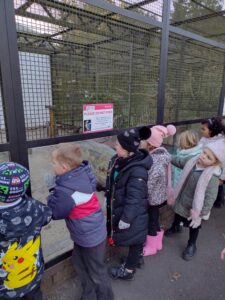
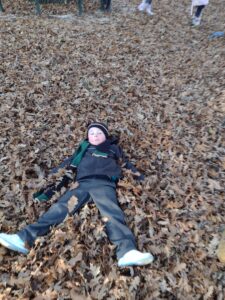
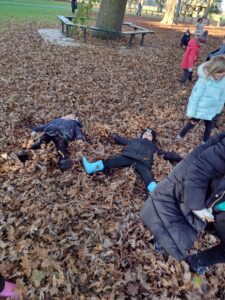
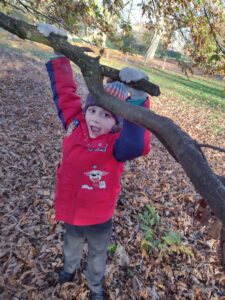
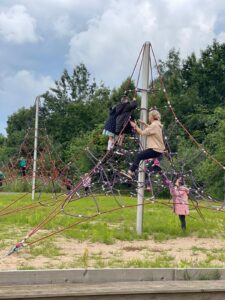
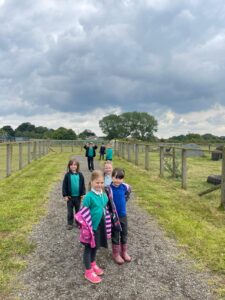
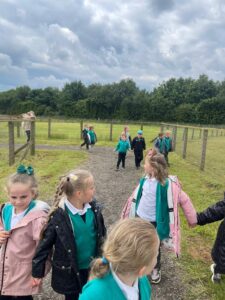
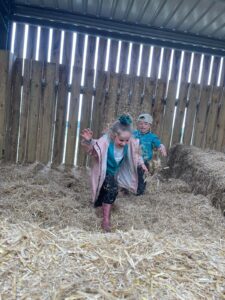
An autumn walk around Pickering Park!

Over this half term, in both science and geography, the children have been exploring the changes in the weather and the seasons. As the months have creeped from September to November, the children have noticed the weather begin to change and the trees around them begin to adapt, preparing for the colder months!

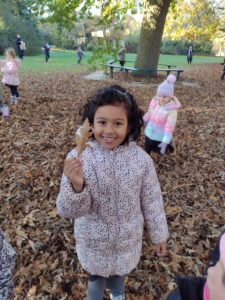
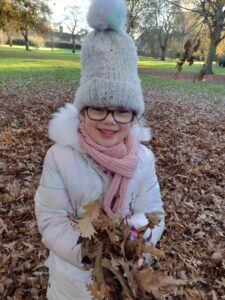
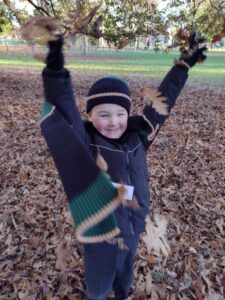
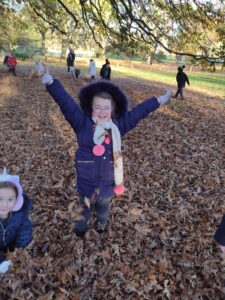
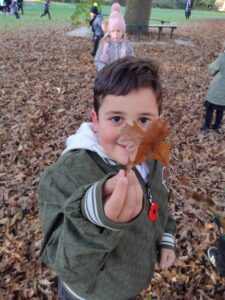
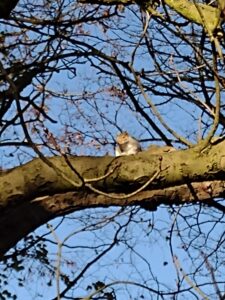
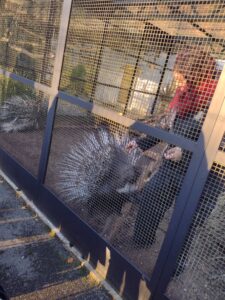
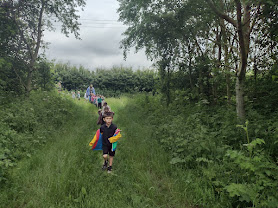
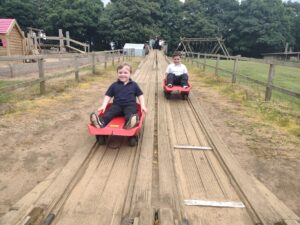
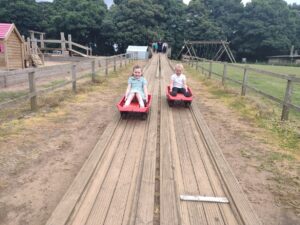
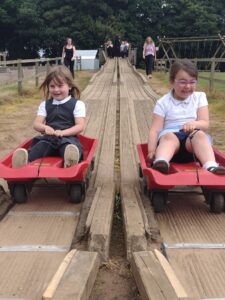
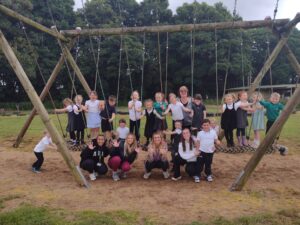
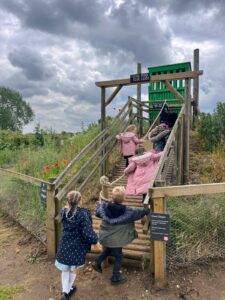
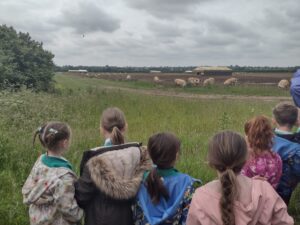
Year 1 had a fantastic afternoon at Pickering Park looking for signs of Autumn and exploring the great outdoors! We had a look around the park at all of the different animals and tree/leaf species we could see and identify! We talked about different types of trees and the size of different leaves. We then took our learning back to school by filling our outdoor area  with all of the goodies we had collected on the way!


Eco Club

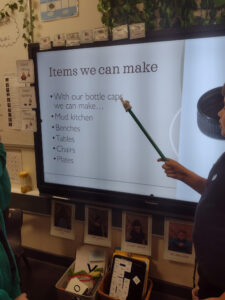
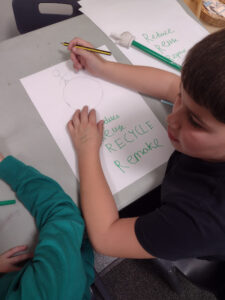
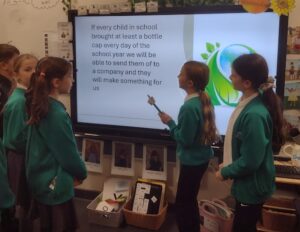
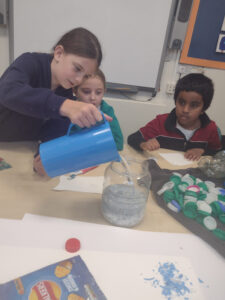
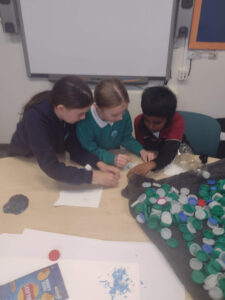
This week the Eco-warriors got busy in Eco club devising a plan of action to launch their new re-cycle scheme in school collecting bottle caps!

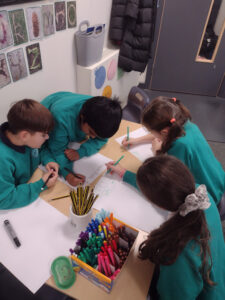
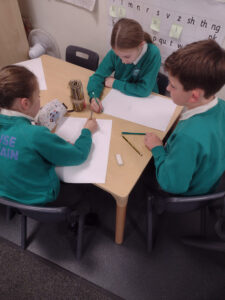
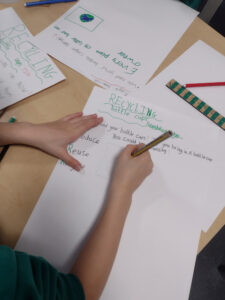
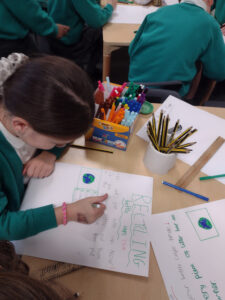
The warriors have been busy creating a power-point in their own time that they are going to share with the whole school in an upcoming assembly- explaining to all pupils and staff about how they plan to collect plastic bottle caps in the hope of earning some ‘earth tokens‘ to trade in for some recycled school equipment. The eco-warriors presented their power-point to one another in tonight’s club, getting creative afterwards in making posters and slogans to post up around school. Tonight’s club allowed for lots of ideas, conversations and debates! The warriors have shown great independence and ownership over all these schemes and tasks and have managed to keep up their last scheme of collecting paper waste, emptying paper bins daily and awarding the ‘Treasure Tree’ every Friday in Golden assembly!

Well done guys, get saving them bottle caps! 


Eco Workshop!

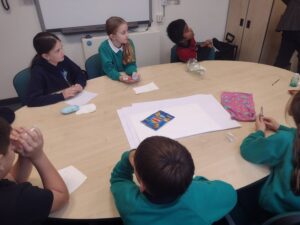
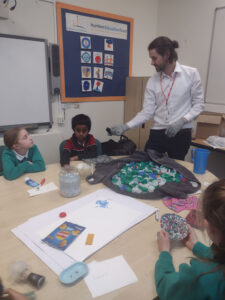
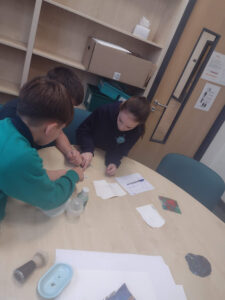
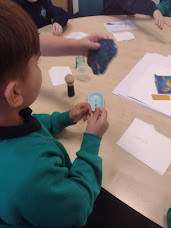
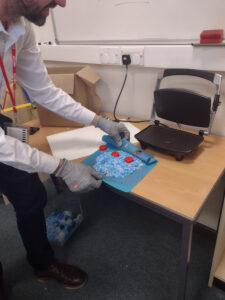
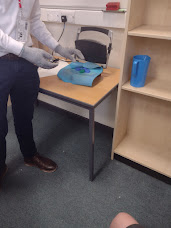
This week our eco-warriors and school counsellors were lucky to take part in an ‘Eco Workshop’ were our friend Rob from the ‘School Cycle Scheme’ came and chatted to us about the good and bad benefits of plastic. We talked about the properties of plastic, what makes it a strong and reliable resource and ways we can reuse it. We looked at other materials and this led to lots of discussions about materials and their properties and the impact these materials can have on the planet. Our eco-warriors were shocked to realise just how much plastic waste Hull has alone and how that even after 500 years of possible decomposing, it never fully disappears! Rob showed us some of the ways his ‘Recycle Scheme’ is starting to change this in Hull and how our eco-warriors can be apart of this journey. Our children were very inspired by this discussion and have started the ‘Treasure Tree’ award this week in an attempt to get our school classes using their paper bins productively. We are about to start our plastic bottle cap recycling journey too, and will hopefully raise some earth tokens in order to buy some recycled equipment for our school!


Let’s get plotting!

In our Geography lesson this week Year 1 have been developing and applying their knowledge of Human features and Physical features. We started by exploring an ariel view map of Christopher Pickering school and discussing what human and physical features we could identify.

Once we had done this we designed our own symbols to represent each of the human features, such as the MUGA, carpark and play area, and also the physical features such as the trees, and school field.

The children then worked together using the view of our school from Google earth, to plot their symbols onto their own maps. They did a fantastic job and even added a key to show what the symbols represent!

using atlases to identify where hull is

This week in geography, Year 3 have been using atlases.

We have begun to identify countries in Europe with the use of an atlas. We could identify England, Scotland, Wales and Northern Ireland independently. We then began to find France, Belgium and The Netherlands as these are the countries which are closest to Hull.

We can use our atlas and our knowledge of compass points to find European countries which are north, south, east or west in relation to where Hull is.

We enjoyed using the atlases and worked together to identify lots of European countries.

Understanding human and physical features

Today Year 1 became geographers and got out and about within the school grounds!

We started our lesson by exploring what the terms human features and physical features mean. We learnt that a human feature is anything that is made by people such as buildings, bridges and roads, and that a physical feature is something that is natural such as mountains, rivers and forests.

We then took the information we had learnt and went outside to explore our school grounds to see what human and physical features we could identify!


Pink Pig Farm Trip!

What an AMAZING DAY!!!!!

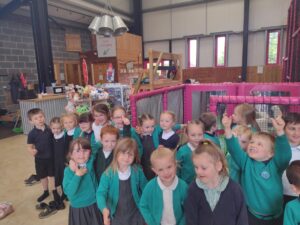
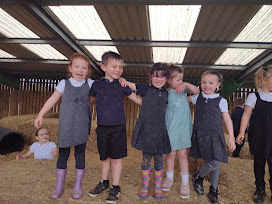
The children have had such a fantastic day today on our school trip!

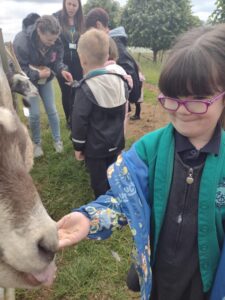
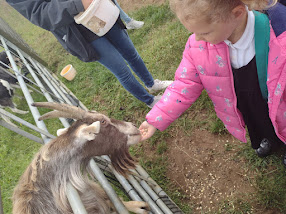
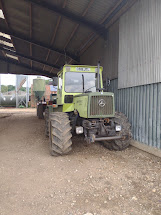
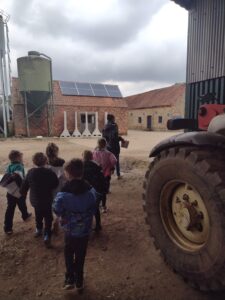
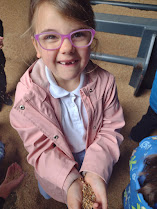
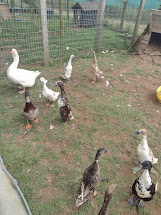
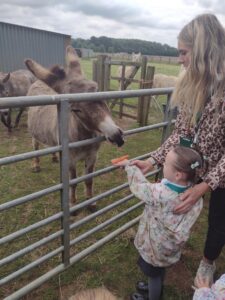
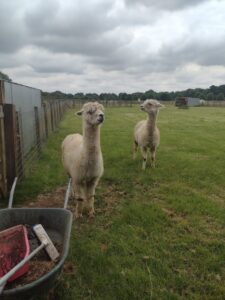
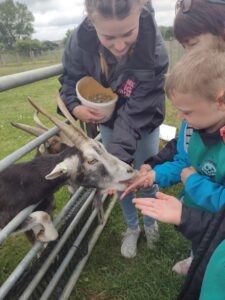
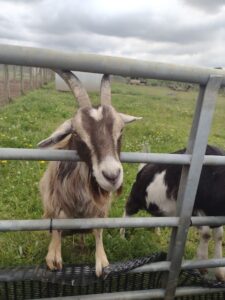
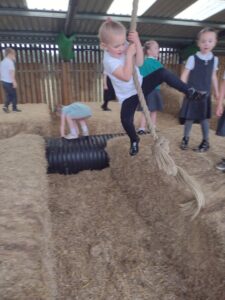
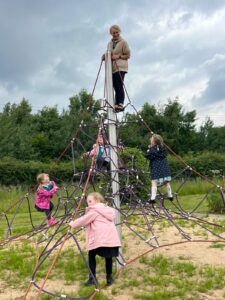
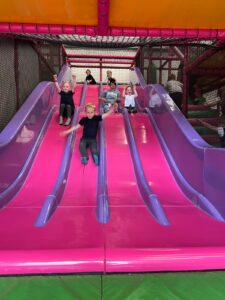
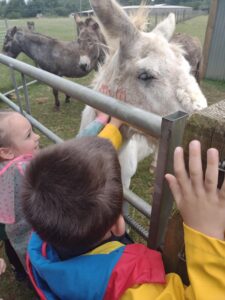
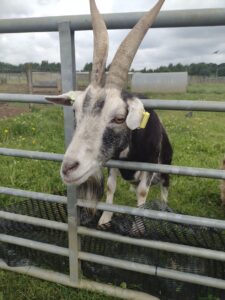
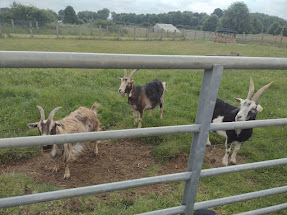
Finishing off our topics on ‘Farms’, we had a brilliant trip to The Pink Pig Farm’ where we fed goats, donkeys; spotted pigs, ducks, chickens, turkeys, rabbits and alpacas!

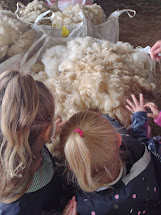
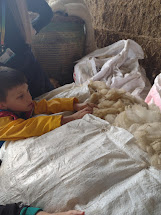
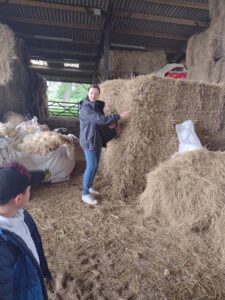
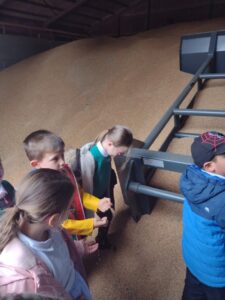
We got a special tour of the farm (behind the scenes!) and learnt lots about wheat- where it is stored, how it is collected and what it is used for! We learnt about the animals on the farm and how they are looked after and cared for! We even had a chance to look at and touch some recently sheared sheep wool! And learnt lots about what this is used for!

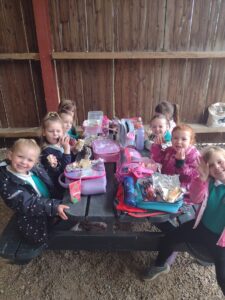
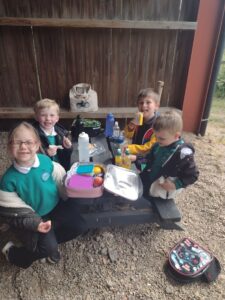
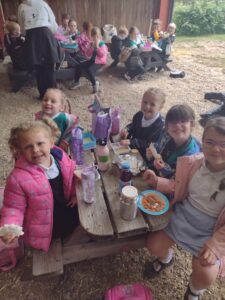
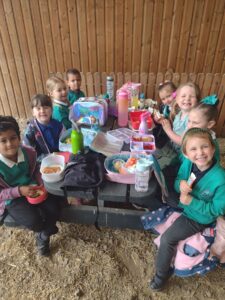
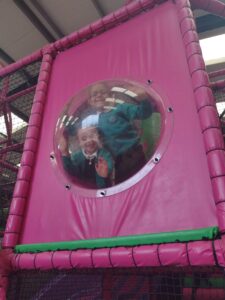
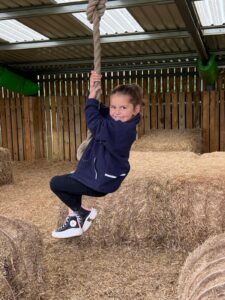
The children then had a wonderful picnic, which they found very exciting! And the afternoon was saved for lots of physical activity and development! We have loved seeing so many smiling faces this afternoon and it has been another day declared as…

‘THE BEST DAY EVER!’

Here are a few snaps of our fabulous day! And we highly recommend taking a visit yourselves if you have the opportunity over the summer with your little ones- visit the link below for more information!

                                           https://www.pinkpigfarm.co.uk/


Y5 Geography Field Work Visit

Tuesday 4th June 2024

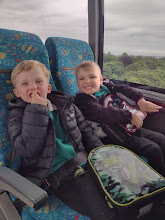
To enhance our Geographical knowledge, Y5 took at coach trip to different locations along the river Hull.

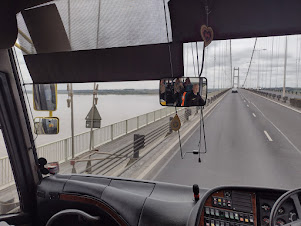
Our first stop was in the city centre, at the mouth of the river, where the River Hull meets the River Humber. Here we created wonderful sketch maps to help us identify how land is used in that area and how features such as the tidal barrier are used to help prevent our low-lying city from flooding.

(photos)

Our second stop was in the village of Dunswell. We walked beside the mid-part of the river here, we were able to identify that the land use had completely changed and that is was a very rural area. Our Y5 students were able to confidently talk about the features of the river, such as the meander, after all of their great work in class.

(photos)

Claire and the Team at Ings Lane Garden Centre made us feel very welcome, we popped in there to buy ice creams and treats after our long riverside walk. We were invited to look at their fish which were mesmerising!

(photos)

Our final stop was a bit if a cheat! It was not the source of the River Hull, it was somewhere a little closer to home that mimicked the source – the very shallow stream at Brantingham. Here we were able to safely get closer to the water to measure the velocity and depth of the river at this early stage. Our year five students worked brilliantly as a team using their tools to develop their Geographical field work skills.

(photos)

At half two, we hopped back on the bus all set to go back to school in good time and the bus wouldn’t start! The lovely people at Ellie Rose sent a replacement bus so we got to have some extra fun time in the beautiful village of Brantingham whilst we waited for that to arrive. This gave us the chance to hike up Brantingham Dale again and take in the lovely sights – from up there we could see the River Humber, the woodlands and sheep grazing on the hillside with their beautiful lambs.

(photos)

Instead of car-e-oke, we had bus-e-oke on the way back with the talented boys booming out the hits! X-Factor here they come 🙂

(video)
Geography – fieldwork

Year 3 had the fantastic opportunity this term to complete fieldwork comparing villages and towns.

We began our fieldwork by visiting the local town of Hessle.  We were lucky to be able to walk to the town where we discussed the differing types of land use we could see as well as recording the different types of buildings we passed on our walk. We saw lots of different shops in Hessle including food shops, pet shops and a post office. There were many pubs and we walked past 2 churches as well as local park. We discussed the size of populations in towns and if all these facilities were needed.  Before we left Hessle we had the opportunity to carry out a traffic survey. We used a bar method to record all traffic that past us in a 10 minute period. We kept our findings ready to compare with what we discovered on our next fieldwork trip.


Next, we had the opportunity to visit Brantingham. This is a local village, we had to use the school minibus to get here as it was a little further than Hessle. Again, we discussed the types of land use we could see in Brantingham and recorded the building we saw as we walked around. This time there were no shops, no post office and there was only one pub and one church. We discussed the size of populations in villages and we were very surprised that it did not take us long to walk the whole length of Brantingham. Before we left we carried out a traffic survey. Again, we used a bar method to count all vehicles that passed us in a 10 minute period.


When we were back at school we were able to compare Brantingham with Hessle. We were all shocked to compare the findings of our traffic survey. When we were in Hessle we struggled to record all the vehicles but in Brantingham we were waiting for them to come past us. Only 4 vehicles passed us in Brantingham! We compared the shops and facilities of both areas and discussed how a town would need these facilities more than a village due to its bigger population. We also discussed how land use in a town had more commercial and industrial use than a village which had more agricultural and forestry use and the reasons for this.

Year 3 really enjoyed our field work and seeing these types of settlements for ourselves made us realise the huge differences between them both.