Post art & design content here


F2 Art Club got underway today and what a great start!
Click on the link below and see how the children got on…
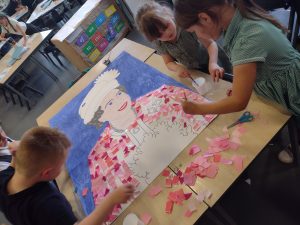
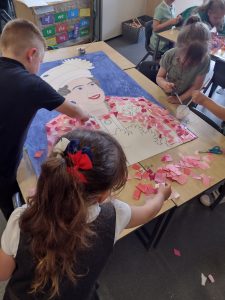
As part of the platinum jubilee celebrations Year 1 created a large collage of Queen Elizabeth II using different materials.
We looked at different pictures of Queen Elizabeth II from the 2000’s and chose a picture we liked to copy from.
We used paint to colour the background of the picture before we use lots of different paper and card to create her dress, hat and flowers.
Year 1 were very happy with their finished piece of art work for the Jubilee.
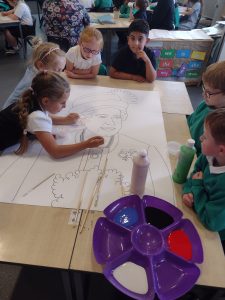
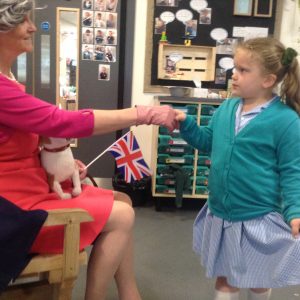
You won’t believe who came to visit the children in Foundation Stage today! The Queen! The real Queen! She wanted us to draw her portrait.
Click on the link below and see how we got on…
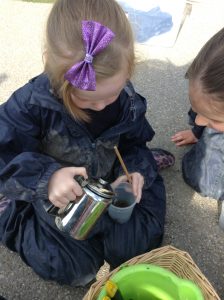
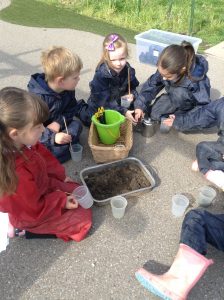
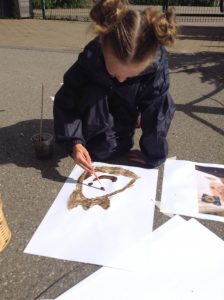
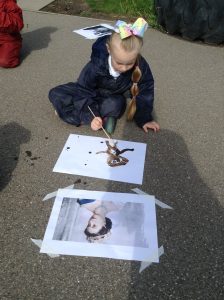
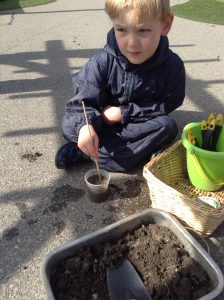
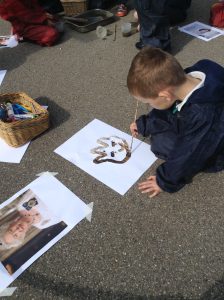
In honour of the Queen’s upcoming Jubilee we have be doing all things Queenie this week! We had loads of fun in our Forest School session making mud portraits of our Queen. We talked about the texture of the paint we would need… not too wet, not too dry… we went digging for mud and then experimented adding water with our jugs to create the perfect consistency for our mud paint! It involved lots of digging, scooping, mixing, stirring… and group and pair talk about how much or how little water to add…
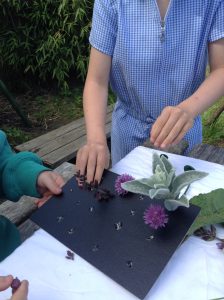
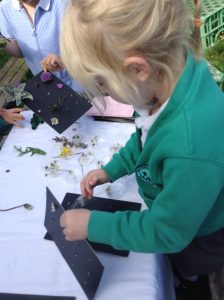
This week in Forest School we worked on our fine motor skills… threading, pushing and pulling natural materials and making our very own nature boards. We went on a nature hunt around the grounds looking for different colours and textures of natural items. We loved discussing the textures, colours and smells of our collections and tried to identify everything we collected…
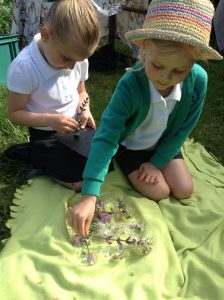
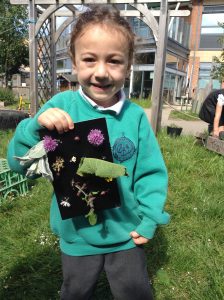
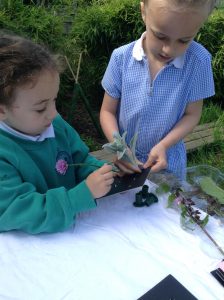
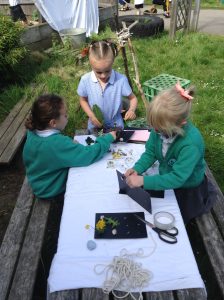
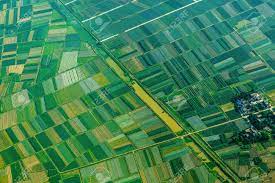
Click on the link below to see how we created some wonderful masterpieces after being inspired by Paul Klee and our beautiful countryside…
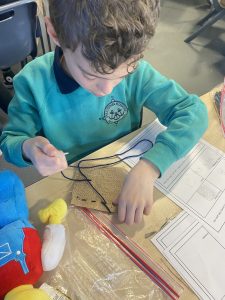
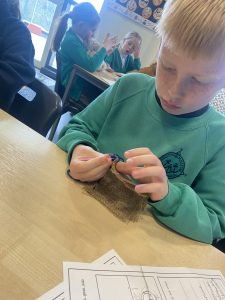
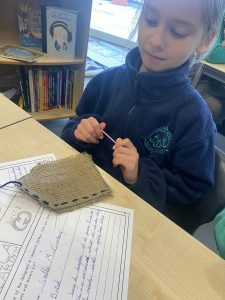
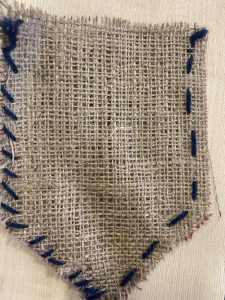
For their focused practical task, the children drew a pocket template which they used as a pattern. They considered the most efficient placement of the pattern on the material, marked it out and then cut it.
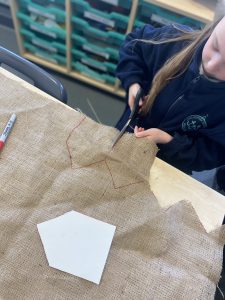
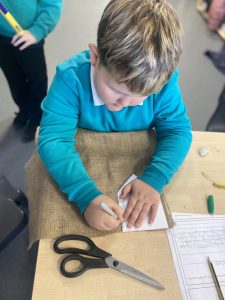
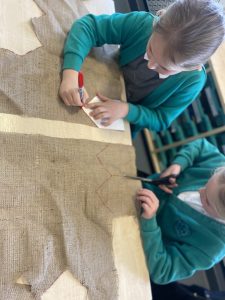
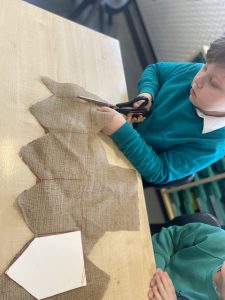
They then had the opportunity to practise joining the two pieces of material using a running stitch and overstitch.