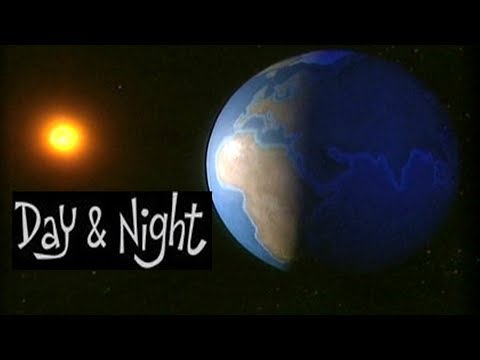
F2 had a great day learning all about ‘Day and Night’ during their Pyjama Day.
Click on the link below to find out more…
Post Science content here
F2 had a great day learning all about ‘Day and Night’ during their Pyjama Day.
Click on the link below to find out more…
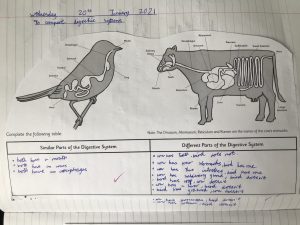
This term, Y4 students are being Biologists. We began by learning about the digestive system and the journey which our food takes through the body in order to provide it with nutrients.
We then focussed in on each of the organs within the digestive system and learned about their function.
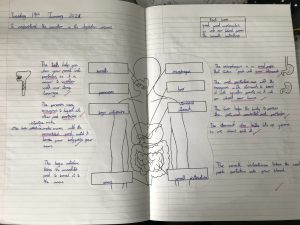
By studying diagrams, we concluded that animals have digestive systems but that they differ from ours, to adapt to their diet.
This week in Science, we used a mirror to take a closer look at our teeth. We discovered that the teeth within our mouth have different names and each has a different function.
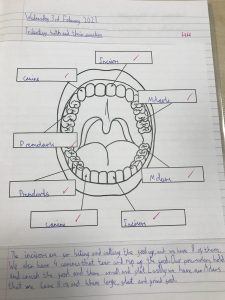
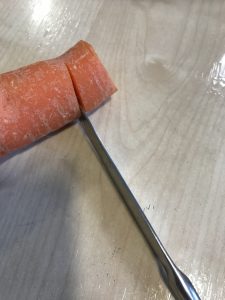
We likened the incisor teeth to a knife – they chop our food.
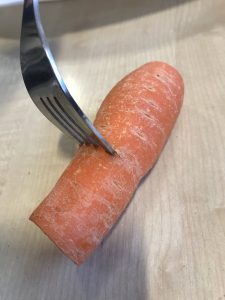
We likened the canine teeth to a fork – they hold the food and enable us to tear it.
We likened the premolar and the molar teeth to a lego brick – with their bumpy surface, these teeth grind the food to create smaller particles for us to swallow and aid the digestive process.
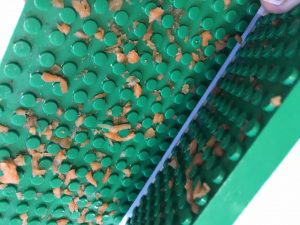
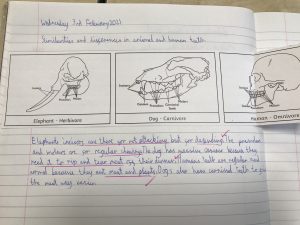
We particularly enjoyed exploring the teeth that various animals have. We were able to conclude that carnivores has greater canine and incisor teeth to help them bite into, tear and chew meat and that herbivore animals mostly use their premolar and molar teeth to eat.
Year 6 have loved learning all about electricity in science this half term!
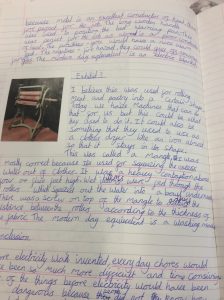
We began the unit by looking at everyday life before electricity. The children had some quite interesting ideas as to what they thought items from the past were used for, before electrical items were even dreamed of.
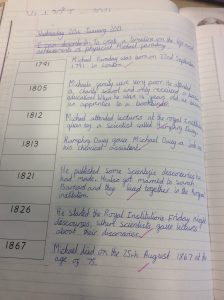
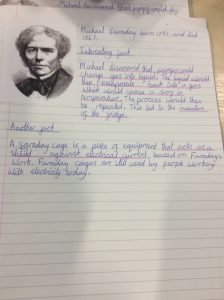
Next, we learned about the discoveries of Michael Faraday, who invented the electric motor, and how his invention dramatically changed the world.
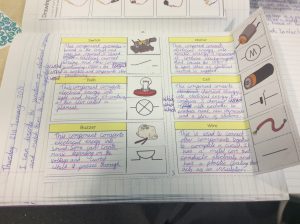
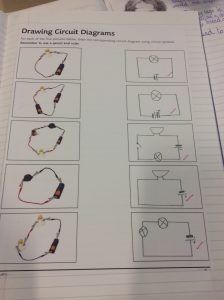
We looked at different electrical components and what their function is before looking at their corresponding symbols and using these to draw circuit diagrams.
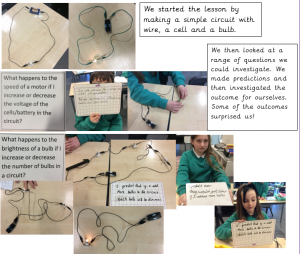
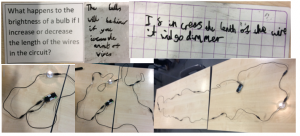
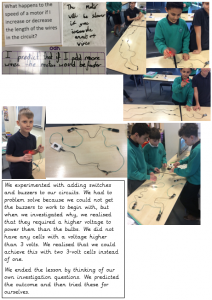
We really enjoyed working scientifically to investigate circuits and predict what would happen if any of the components were changed.
In FS2, we have been developing our ICT skills.
ICT skills can help promote confidence and also persistence – encouraging pleasure in learning by enhancing engagement, motivation and the lovely desire to learn.
So, after a little introduction on how to use the iPad – off we went and got snappy!
The children loved experimenting, the choice of the subject was entirely up to them, as were the camera angles – natural, self learning is so wonderful to observe.
They decided when they needed to point the camera high…
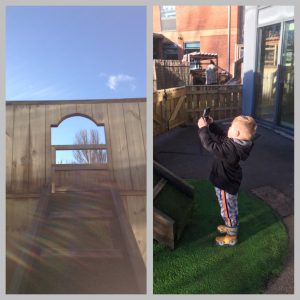
…when it needed to be low …
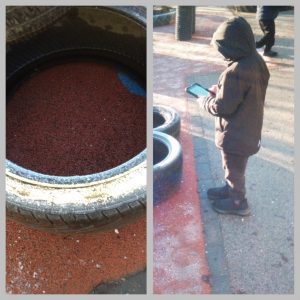
…and when we needed to bend down to capture the perfect picture!
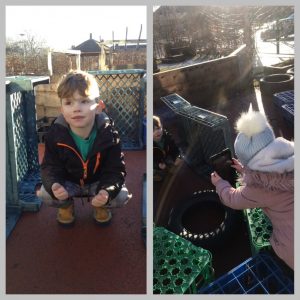
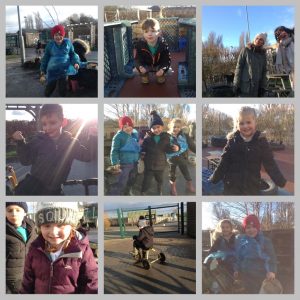
The children took photographs of their friends (and teachers!) having fun and being happy…
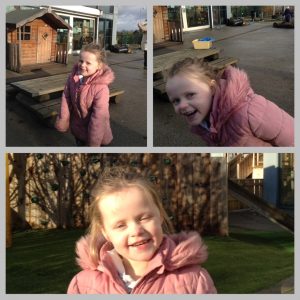
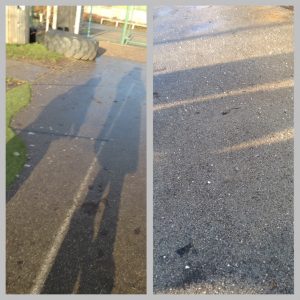
…photographs of shadows…
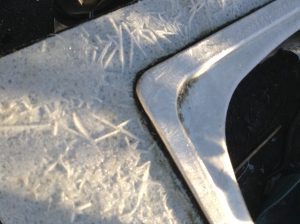
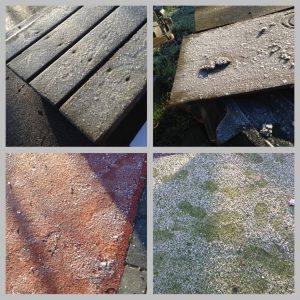
…close-up photographs of the frost…
 …and our outdoor equipment.
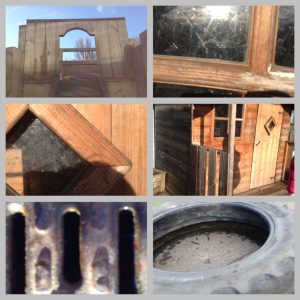
⭐️ We think their photographs are amazing! ⭐️
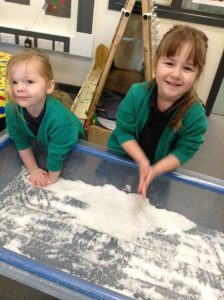
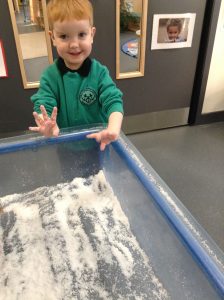
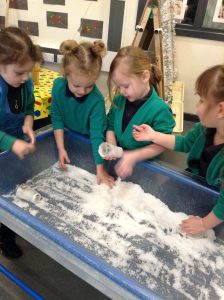
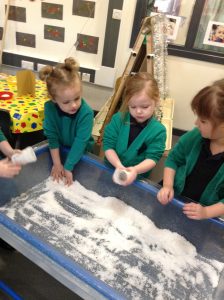
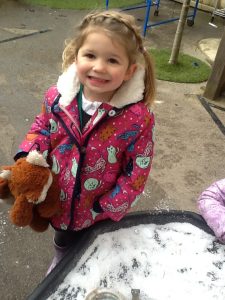 F1 had lots of fun exploring the fake snow in our outdoor area!
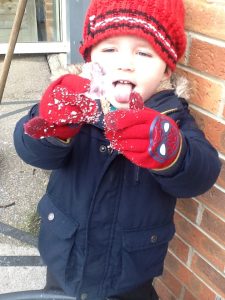
Albie said the ice was going to melt!
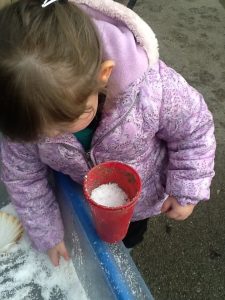
Maria made a snow coffee!
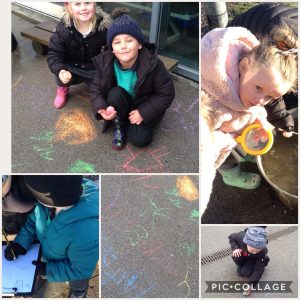
The children had so much fun looking at all the different areas outside. They investigated all the plants and we talked about what happens to them in winter. We looked at the mud kitchen and we could see how the water had turned into ice. They enjoyed writing down their finds and taking pictures .
After learning how to build complete circuits, we wanted to be able to turn them on and off. We examined where would find and use switches in everyday life before we went on to build and create our own switches out of everyday materials such as card, foil, paper clips and split pins.
During this practical task, our young electricians worked collaboratively to create effective switches. The children’s reactions were brilliant, it was great to see them feeling proud of their achievements and being delighted with their functional switches.
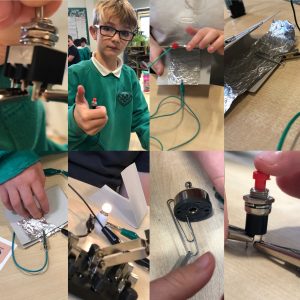
Switched on!: Investigating different types of electrical switches and making our own.
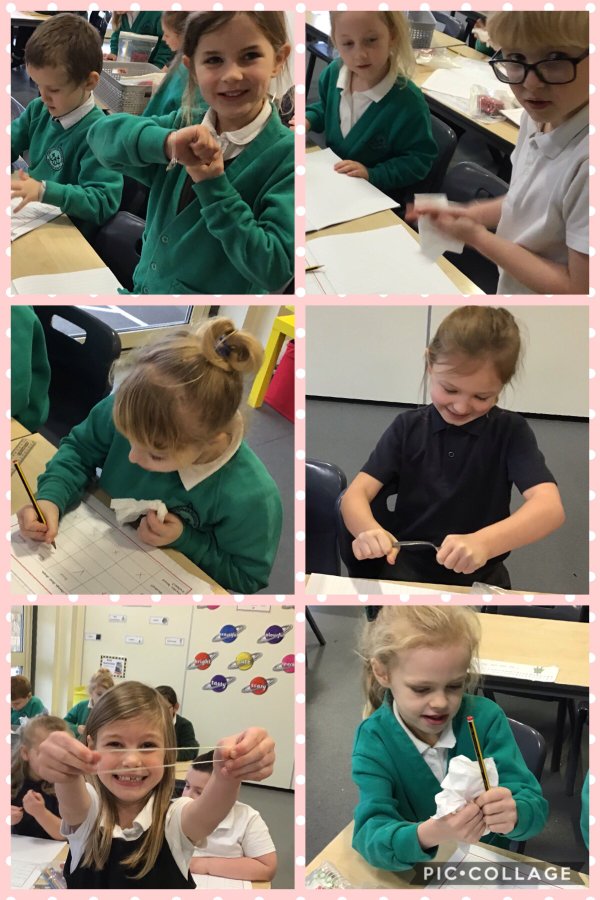
Year 2 have started a new unit on Materials. They have been investigating which materials can change shape and which materials can not! For each material they investigated whether it would squash, twist, bend stretch.